
Titanium Plates vs. Other Materials: Which One’s Better?


 2025-12-31 11:52:54
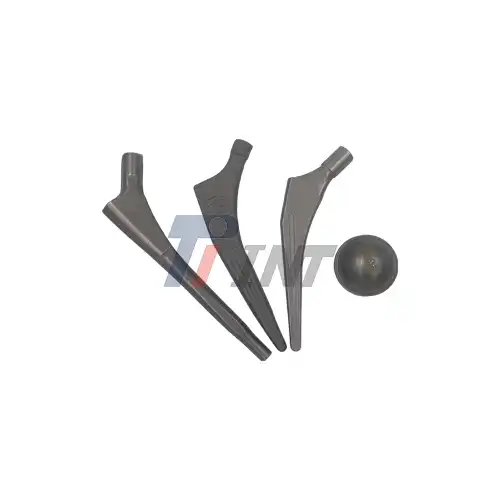
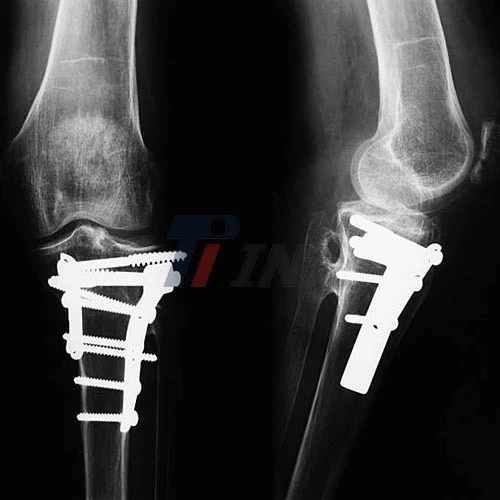
When it comes to medical implants and orthopedic surgeries, the choice of materials plays a crucial role in patient outcomes. Among the various options available, titanium plates have gained significant popularity in recent years, particularly for titanium plate in leg. But how do they stack up against other materials? Let's dive into the world of orthopedic implants and explore why titanium plates might be the superior choice for many patients.
|
|
|

The Rise of Titanium in Orthopedic Surgery
Because titanium offers a special blend of strength, durability, and biocompatibility, it has completely changed the orthopedic surgery industry. Because of their exceptional qualities, titanium plates have become more and more common in leg surgeries.
One of the primary advantages of using a titanium plate in leg surgeries is its exceptional strength-to-weight ratio. This means that titanium plates can provide robust support for fractured bones without adding significant bulk or weight to the surgical site. For patients recovering from leg injuries, this translates to improved comfort and mobility during the healing process.
In addition, titanium's biocompatibility is unparalleled. The human body ordinarily acknowledges titanium inserts without unfavorable responses, diminishing the chance of complications such as implant rejection or unfavorably susceptible reactions. This acknowledgment by the body's safe framework is significant for advancing appropriate mending and lessening the probability of post-operative contaminations.
Another notable feature of titanium plates is their corrosion resistance. Unlike some other metals used in orthopedic implants, titanium doesn't degrade or corrode when exposed to bodily fluids over extended periods. This property ensures the longevity of the implant, potentially reducing the need for revision surgeries in the future.
Comparing Titanium Plates to Alternative Materials
While titanium plates have gained prominence in orthopedic surgeries, it's essential to understand how they compare to other materials commonly used in medical implants. Let's examine some of these alternatives and see how they measure up against titanium:
Stainless Steel
Stainless steel has been a staple in orthopedic implants for many years. It offers good strength and is relatively cost-effective. However, when compared to titanium plate in leg surgeries, stainless steel falls short in several aspects:
- Weight: Stainless steel is significantly heavier than titanium, which can lead to discomfort and reduced mobility for patients.
- Biocompatibility: While generally well-tolerated, stainless steel has a higher risk of allergic reactions compared to titanium.
- Corrosion resistance: Stainless steel is more susceptible to corrosion over time, potentially leading to implant failure or the need for replacement.
Cobalt-Chromium Alloys
Cobalt-chromium alloys are known for their excellent wear resistance and strength. However, they also have some limitations when compared to titanium plates:
- Density: These alloys are denser than titanium, making them less ideal for large implants like leg plates.
- Elasticity: Titanium's elasticity is closer to that of human bone, potentially reducing stress shielding and promoting better bone healing.
- MRI compatibility: Unlike titanium, cobalt-chromium alloys can interfere with MRI scans, potentially complicating future diagnostic procedures.
Polymer-based Materials
In recent years, certain polymer-based materials have been explored for orthopedic implants. While they offer advantages such as radiolucency (allowing for better imaging) and potential biodegradability, they still face challenges when compared to titanium plate in leg surgeries:
- Strength: Most polymer-based materials cannot match the strength and durability of titanium, particularly for load-bearing applications like leg plates.
- Long-term stability: The long-term performance of many polymer implants is still under investigation, whereas titanium has a proven track record of success.
- Osseointegration: Titanium's ability to integrate with bone tissue (osseointegration) is superior to most polymer-based materials, promoting better healing and implant stability.
The Advantages of Titanium Plates in Leg Surgeries
Having compared titanium to other materials, it's clear that titanium plates offer numerous advantages for leg surgeries. Let's delve deeper into these benefits:
Exceptional Strength and Durability
Titanium's high strength-to-weight ratio makes it a perfect choice for leg plates. It can withstand the critical strengths applied on the leg during daily activities and indeed high-impact sports. This solidness guarantees that the embed can give long-term back for the mending bone without the hazard of untimely disappointment.
Biocompatibility and Reduced Risk of Complications
The biocompatibility of titanium is one of its most critical focal points. When a titanium plate is utilized in a leg surgery, the hazard of unfavorable responses is negligible. This decreases the probability of post-operative complications such as aggravation, contamination, or embed dismissal. For patients, this implies a smoother recuperation prepare and possibly speedier return to ordinary exercises.
Osseointegration for Enhanced Healing
Titanium has a unique ability to integrate with bone tissue, a process known as osseointegration. This property is particularly beneficial for leg surgeries, as it promotes a stronger bond between the implant and the surrounding bone. The result is enhanced stability of the fracture site and potentially faster healing times.
Corrosion Resistance for Long-term Reliability
The human body can be a unforgiving environment for inserts, with consistent presentation to substantial liquids and potential electrochemical responses. Titanium's extraordinary erosion resistance guarantees that the plate remains steady and useful over numerous a long time, diminishing the require for amendment surgeries and giving peace of intellect for patients.
Imaging Compatibility
Unlike some other metals used in orthopedic implants, titanium is compatible with various imaging techniques, including MRI and CT scans. This compatibility is crucial for post-operative monitoring and allows for easier diagnosis of any potential issues that may arise in the future.
Lightweight Design for Improved Comfort
The lightweight nature of titanium plates is a significant advantage for patients undergoing leg surgeries. Compared to heavier materials like stainless steel, titanium plate in leg adds minimal weight to the leg, resulting in improved comfort and easier mobility during the recovery process. This can be particularly beneficial for elderly patients or those with pre-existing mobility issues.
Versatility in Design and Application
Titanium's malleability allows for the creation of plates in various shapes and sizes, making it adaptable to different types of leg fractures and surgical requirements. This versatility enables surgeons to choose the most appropriate plate design for each patient's specific needs, potentially improving surgical outcomes.
Potential for Faster Recovery
The combination of titanium's biocompatibility, osseointegration properties, and lightweight design may contribute to faster recovery times for patients. By promoting better healing and reducing the risk of complications, titanium plates can help patients return to their normal activities more quickly compared to some alternative materials.
Conclusion
In conclusion, while various materials have their place in orthopedic surgery, titanium plates offer a compelling combination of benefits for leg surgeries. Their exceptional strength, biocompatibility, and long-term reliability make them an excellent choice for many patients. As medical technology continues to advance, it's likely that titanium will remain at the forefront of orthopedic implant materials, continually improving patient outcomes and quality of life.
If you're interested in learning more about high-quality medical titanium products, including titanium plate in leg surgeries, don't hesitate to reach out to the experts at Baoji INT Medical Titanium Co., Ltd. With over 30 years of experience in the field, they can provide valuable insights and top-tier products for your orthopedic needs. Contact them at export@tiint.com for more information.
References
1. Elias, C. N., Lima, J. H. C., Valiev, R., & Meyers, M. A. (2008). Biomedical applications of titanium and its alloys. JOM, 60(3), 46-49.
2. Niinomi, M. (2008). Mechanical biocompatibilities of titanium alloys for biomedical applications. Journal of the mechanical behavior of biomedical materials, 1(1), 30-42.
3. Rack, H. J., & Qazi, J. I. (2006). Titanium alloys for biomedical applications. Materials Science and Engineering: C, 26(8), 1269-1277.
4. Navarro, M., Michiardi, A., Castaño, O., & Planell, J. A. (2008). Biomaterials in orthopaedics. Journal of the Royal Society Interface, 5(27), 1137-1158.
5. Geetha, M., Singh, A. K., Asokamani, R., & Gogia, A. K. (2009). Ti based biomaterials, the ultimate choice for orthopaedic implants–a review. Progress in materials science, 54(3), 397-425.
_1752462620877.webp)
_1750667964882.webp)
_1750662309903.webp)
_1749191401740.webp)