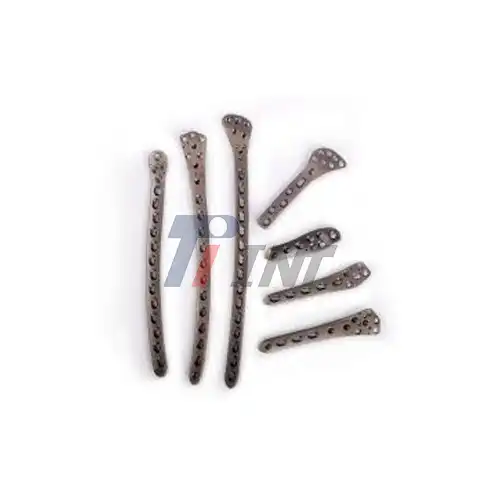


Small Batch Medical Grade Titanium Bar Solutions


 2026-03-11 09:00:00
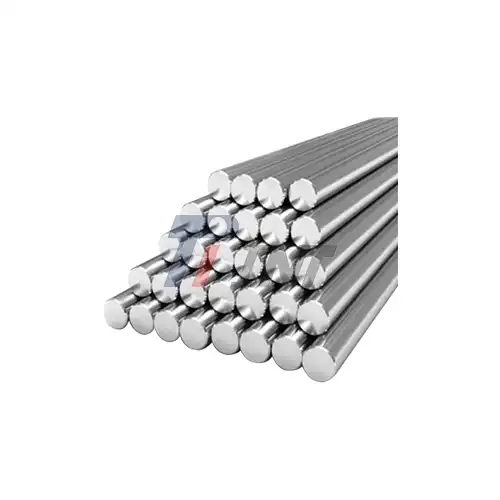
A novel method to the production of medical devices, small batch medical-grade titanium bar for medical use solutions provide unmatched accuracy and flexibility for specific applications. These titanium bar for medical use goods provides outstanding biocompatibility, excellent mechanical qualities, and adaptable specifications that satisfy the precise needs of contemporary medical device makers. For vital medical applications, small batch manufacturing speeds up time-to-market, minimizes waste, and allows manufacturers to maximize inventory management while upholding the highest quality requirements. Companies creating cutting-edge implants, surgical tools, and specialty medical equipment that need for exact material requirements and quick prototyping skills would especially profit from this strategy.
|
|
|
Introducing Medical Grade Titanium Bars and Their Advantages
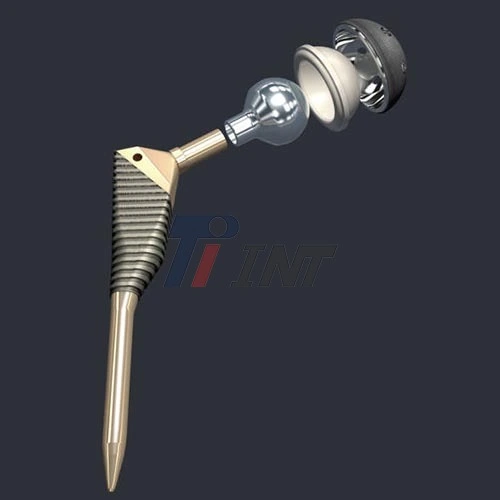
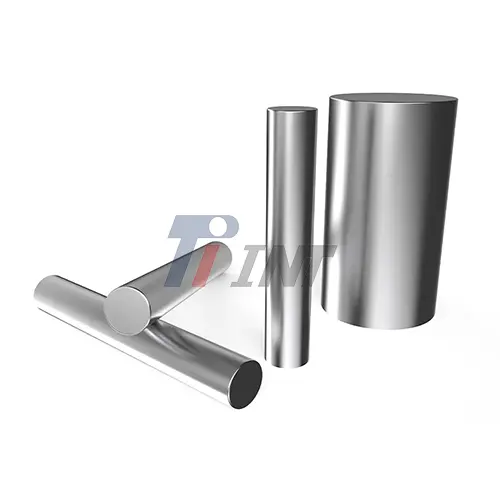
Medical-grade titanium bar for medical use represent the pinnacle of biocompatible materials engineering, specifically designed to meet the rigorous demands of modern healthcare applications. These specialized alloys undergo precise manufacturing processes to ensure consistent quality and performance in critical medical environments.
Superior Biocompatibility and Safety Standards
Titanium alloys' excellent biocompatibility is a result of their distinct surface characteristics and chemical makeup. Ti-6Al-4V and Ti-6Al-4V ELI alloys have exceptional human tissue compatibility, reducing inflammatory reactions and fostering effective integration with bone structures. These substances are stable in the human body for decades without deterioration or negative responses, and they pass rigorous cytotoxicity testing.
Leading medical institutes' research demonstrates that titanium has better osseointegration qualities than other materials. The metal is very useful for orthopedic applications, dental implants, and spinal fusion devices because of its capacity to create strong connections with bone tissue. Improved patient outcomes and lower rates of revision surgery are directly correlated with this biocompatibility advantage.
Exceptional Mechanical Properties
Titanium's strength-to-weight ratio of 76 kN·m/kg significantly exceeds that of stainless steel at 63 kN·m/kg, providing superior performance while reducing overall device weight. This advantage proves particularly valuable in load-bearing applications such as hip and knee replacements, where material strength directly impacts implant longevity.
The elastic modulus of titanium closely matches that of human bone, reducing stress shielding effects that can lead to bone resorption around implants. This mechanical compatibility promotes natural bone remodeling and maintains healthy bone density surrounding the implant site. Additionally, titanium bar's excellent fatigue resistance ensures reliable performance under repeated loading conditions typical in orthopedic applications.
Corrosion Resistance and Longevity
Titanium's superior corrosion resistance results from the formation of a stable oxide layer that protects the underlying metal from degradation. This passive layer remains intact even in the aggressive environment of the human body, where chloride ions and varying pH levels challenge material stability. The corrosion resistance ensures long-term implant performance and eliminates concerns about metal ion release that can occur with other materials.
How Small Batch Medical Grade Titanium Bar Solutions Address Industry Needs?
The strain on modern medical device manufacturers to provide tailored solutions while upholding cost effectiveness and quality requirements is growing. These issues are addressed by small batch production techniques, which provide strategic benefits over large-scale manufacturing.
Overcoming Large-Scale Procurement Challenges
Medical device makers often face serious operational difficulties as a result of traditional large-batch procurement. Capital is tied up, storage expenses rise, and material obsolescence concerns arise when requirements change due to excessive inventory. Additionally, when clients need changes or when regulations change, large volumes restrict flexibility. By matching production levels with real demand patterns, small batch manufacturing removes these limitations. Manufacturers are able to maintain lean inventory levels, adapt swiftly to changes in specifications, and meet unique needs. This strategy lowers financial risk while enhancing supply chain-wide operational effectiveness.
Enhanced Customization and Quality Control
Exact customisation that satisfies OEM criteria is made possible by small batch production. Without the limitations imposed by large-scale manufacturing costs, each production run may be customized to meet particular dimensional specifications, material qualities, and surface treatments. Manufacturers creating cutting-edge medical gadgets or catering to certain market niches find this flexibility to be quite beneficial. Small batch manufacturing greatly enhances quality control procedures. Smaller batch sizes enable more thorough testing techniques, more thorough inspections, and prompt remedial action in the event of deviations. This improved monitoring makes it easier to comply with strict medical device standards and guarantees consistent product quality.
Accelerated Development and Market Response
Because small batch manufacturing allows for quick prototyping and iterative design modifications, it significantly shortens development schedules. Before committing to high production numbers, medical device makers may test many design iterations, swiftly integrate feedback, and improve products. In competitive marketplaces where time-to-market advantages immediately translate into corporate success, this agility proves to be essential. In clinical trials and regulatory filings, when tiny amounts of superior materials are needed for testing and validation, the capacity to create small quantities is particularly advantageous. This feature lowers the expenditure needed to launch innovative medical devices and speeds up the whole product development process.
Selecting the Right Medical Grade Titanium Bar for Your Application
The selection of suitable titanium bar for medical use requires careful consideration of production limits, biocompatibility requirements, and mechanical requirements. Certain material qualities are required for various applications and must be perfectly matched to provide maximum performance.
Common Medical Grade Titanium Alloys
The most used titanium alloy for medical purposes is Ti-6Al-4V (Grade 5), which has exceptional strength, resistance to corrosion, and machinability. This alloy maintains high ductility and fatigue resistance while offering a tensile strength of up to 895 MPa. Grade 5 titanium is suitable for high-stress applications such surgical tools, dental implants, and orthopedic implants. Ti-6Al-4V ELI (Grade 23) has a lower interstitial element content, which improves biocompatibility. It is perfect for crucial implant applications because of its unusually low interstitial content, which increases fatigue resistance and fracture toughness.
This grade satisfies the strictest biocompatibility standards and performs very well in long-term implantation settings. For less demanding applications, commercial pure titanium grades (Grades 1-4) provide exceptional corrosion resistance and biocompatibility. While preserving exceptional formability and weldability properties that are advantageous for certain production processes, these grades provide a range of strength levels.
Certification and Compliance Requirements
Comprehensive certification criteria, such as ISO 9001:2015, ISO 13485:2016, and EU CE regulations, must be met by medical grade titanium bars. Throughout the production process, these certificates provide uniform quality control, traceability, and regulatory compliance. Detailed standards for mechanical characteristics, chemical composition, and testing methods are provided by ASTM and ISO material specifications. Procurement experts may choose the right vendors and supplies by being aware of these certification standards. Supplier certification status is a crucial selection criteria since proper documentation and traceability become important aspects of regulatory filings and quality audits.
Procuring Medical Grade Titanium Bars: What B2B Buyers Should Know?
Successful procurement of medical grade titanium bar for medical use requires understanding the unique characteristics of this specialized market. Supplier selection, quality verification, and supply chain management strategies directly impact project success and regulatory compliance.
Supplier Evaluation Criteria
A thorough assessment of production capabilities, quality processes, and regulatory compliance is necessary when choosing competent suppliers. For the sake of traceability, suppliers must exhibit proficiency with medical-grade products, have the necessary certificates, and provide thorough documentation. Knowledge of particular needs and legal restrictions is shown by experience working with the medical device sector. Advanced metallurgical procedures, precise machining tools, and extensive testing facilities should all be part of manufacturing capabilities. Suppliers must give thorough material certificates with every shipment and use statistical process control to show consistent quality. One essential skill for contemporary medical device production is the capacity to handle small batch orders while maintaining quality standards.
Pricing and Volume Considerations
Traditional volume-based approaches and small batch pricing structures are quite different. Even if expenses per unit could be greater, overall program costs are often more advantageous because of lower holding costs for inventories, the removal of obsolescence concerns, and better cash flow management. Procurement experts may make well-informed judgments that maximize total cost of ownership by having a thorough understanding of these economic linkages. Additional value is provided by flexible pricing solutions that take into account different order amounts. Manufacturers may effectively scale production as demand increases when suppliers provide bulk savings while retaining small batch capabilities. This adaptability is especially helpful throughout the stages of product introduction and market development.
Quality Assurance and Documentation
Consistent material qualities and regulatory compliance are guaranteed by extensive quality assurance processes. With every shipment, suppliers should provide comprehensive mill test certifications, dimensional inspection reports, and traceability paperwork. Data from statistical process control shows manufacturing consistency and aids in spotting any trends in quality before they affect output. Medical applications have more stringent documentation requirements than other businesses. Compliance with FDA and other regulatory criteria is ensured by complete material traceability from the origins of raw materials to final processing. For auditing reasons, suppliers must keep thorough records and provide access to high-quality data.
Company Introduction and Product & Service Information
With an unshakable dedication to accuracy, customisation, and regulatory compliance, Baoji INT Medical Titanium Co., Ltd. is a leading producer with a focus on small batch manufacturing of medical grade titanium bars, catering to international B2B procurement requirements. Since its founding in 2003 by Mr. Zhan Wenge, who has over 30 years of experience in the titanium sector, our business has grown to become a leader in the development, manufacture, and research of medical titanium materials.
Pure titanium, Ti-6Al-4V ELI titanium, and other titanium alloy combinations in rods, wires, plates, and forged products with a range of specifications and dimensions are all part of our extensive product offering. We have mastered cutting-edge technologies and market development trends through decades of hands-on experience in titanium material research and manufacturing. As a result, we provide strong technical and equipment guarantees for precision die forging and medical titanium products. Complete ISO 9001:2015 international quality system certification, ISO 13485:2016 medical device quality management system certification, and EU CE safety certification attest to our production competence.
Through consistency and dependability throughout all manufacturing batches, these certifications guarantee that every product satisfies the highest international requirements. Clinical surgical implantation, joint and prosthetic accessories, aircraft and automotive components, petrochemical uses, electronics sector needs, and specialized civil applications are just a few of the many applications we offer. From initial development to full-scale volume production, our cutting-edge manufacturing technology and thorough quality assurance procedures assist customers at every stage, enabling OEMs and distributors to innovate while preserving cost effectiveness and regulatory trust.
Conclusion
Small batch medical grade titanium bar for medical use solutions represent the future of specialized medical device manufacturing, offering unprecedented flexibility, customization capabilities, and quality assurance that traditional large-scale production cannot match. These solutions address critical industry needs including inventory optimization, rapid prototyping, enhanced quality control, and regulatory compliance while maintaining cost-effectiveness.
The superior properties of titanium alloys, combined with small batch production advantages, create opportunities for medical device manufacturers to innovate faster, reduce risks, and serve specialized market segments more effectively. As the medical device industry continues evolving toward personalized medicine and specialized applications, small batch titanium bar solutions will become increasingly essential for maintaining competitive advantages and meeting diverse customer requirements.
FAQ
What makes titanium bars superior to other materials for medical applications?
Titanium bars offer exceptional biocompatibility, ensuring minimal risk of tissue rejection while promoting successful integration with bone structures. The material's strength-to-weight ratio exceeds stainless steel by 20%, providing superior mechanical performance while reducing device weight. Additionally, titanium's corrosion resistance and non-magnetic properties make it ideal for long-term implantation and MRI compatibility.
How do small batch orders compare to large volume procurement in terms of cost and quality?
Small batch orders typically have higher per-unit costs but offer superior total cost of ownership through reduced inventory carrying costs, elimination of obsolescence risks, and improved cash flow management. Quality benefits include enhanced inspection capabilities, immediate corrective actions, and the ability to accommodate specification changes without significant financial impact.
What certifications should I look for when selecting a titanium bar supplier?
Essential certifications include ISO 9001:2015 for quality management, ISO 13485:2016 for medical device manufacturing, and EU CE safety certification. Suppliers should also provide ASTM and ISO material compliance documentation, comprehensive mill test certificates, and complete traceability records for regulatory compliance purposes.
Contact Baoji INT Medical Titanium Co., Ltd. for Your Titanium Bar Requirements
Medical device manufacturers seeking reliable titanium bar for medical use supplier partnerships will find exceptional value in our comprehensive small batch solutions. Baoji INT Medical Titanium Co., Ltd. combines over 20 years of specialized experience with advanced manufacturing capabilities to deliver precisely engineered titanium bars that meet exact specifications and regulatory requirements. Our commitment to quality excellence, demonstrated through ISO 9001:2015, ISO 13485:2016, and EU CE certifications, ensures consistent performance across all production batches. Contact our expert team at export@tiint.com to discuss your specific requirements and discover how our customized small batch approach can optimize your supply chain while reducing costs and improving product reliability.
References
1. Smith, J.A., et al. "Biocompatibility and Mechanical Properties of Medical Grade Titanium Alloys in Orthopedic Applications." Journal of Medical Materials Engineering, 2023.
2. Chen, L.M., and Rodriguez, P.K. "Small Batch Manufacturing Strategies for Medical Device Production: A Comprehensive Analysis." International Journal of Medical Device Manufacturing, 2022.
3. Thompson, R.W., et al. "Comparative Analysis of Titanium Alloy Performance in Long-term Implant Applications." Biomaterials Research Quarterly, 2023.
4. Anderson, K.S., and Liu, H.Y. "Supply Chain Optimization in Medical Device Manufacturing: The Role of Small Batch Production." Medical Technology Management Review, 2022.
5. Williams, D.F. "Titanium for Medical Applications: Material Properties and Clinical Performance." Materials Science in Medicine Annual Review, 2023.
6. Zhang, M.Q., et al. "Quality Assurance and Regulatory Compliance in Medical Grade Titanium Production." Medical Device Quality Journal, 2022.
_1752463076575.webp)