



How Titanium Bars Are Used in Orthopedic Surgery


 2026-03-10 10:00:15
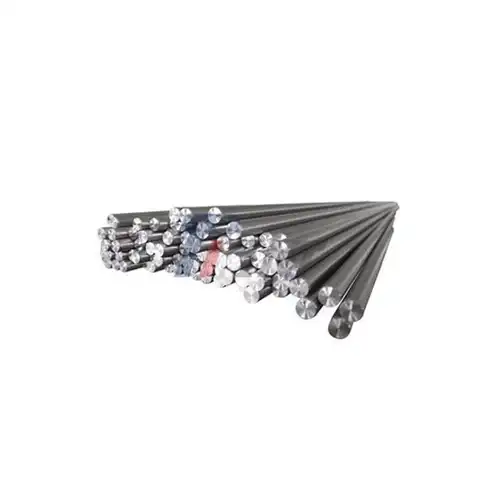
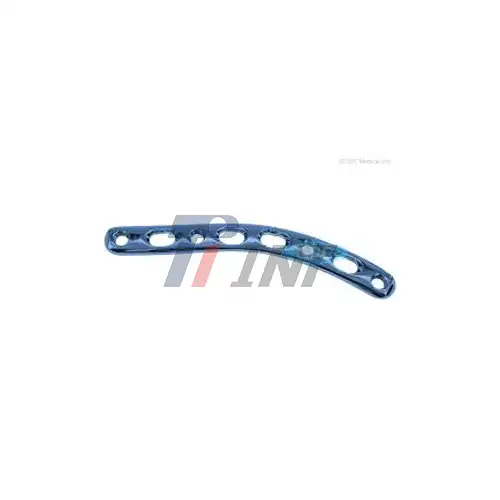
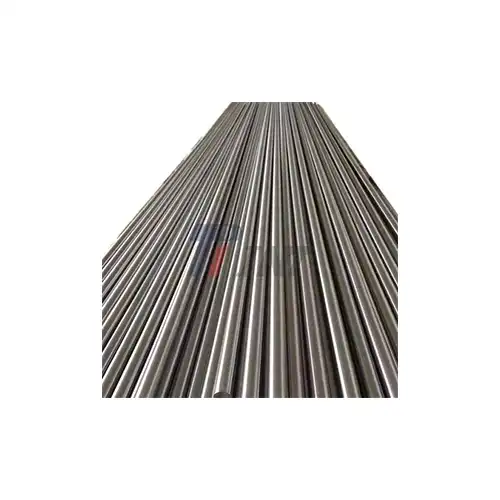
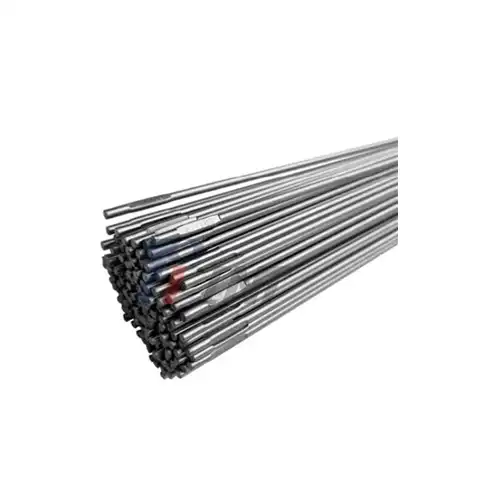
Titanium bars have been at the head of this change in orthopedic treatment, which has been transformed by the use of new materials. In many orthopedic treatments, an implant titanium bar is an important structural part. Its high biocompatibility and mechanical strength make it a must-have for load-bearing uses. These medical-grade titanium bars are designed to help bones heal, keep the structure stable, and fuse smoothly with human bone tissue through a process called osseointegration. This makes them the best material for making hip implants today.
|
|
|
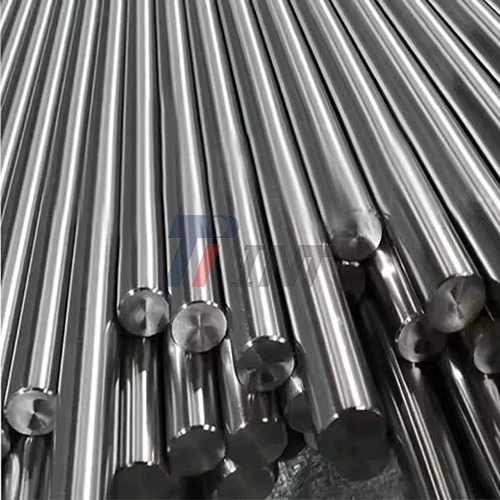

Understanding Titanium Bars in Orthopedic Surgery
Material Composition and Properties
Medical-grade titanium bars used in orthopedics are mostly made from two different types of titanium alloys: commercially pure (CP) titanium and Ti6Al4V ELI (Grade 23) titanium alloy. The widely pure titanium is very biocompatible, and the titanium alloy has better mechanical qualities, such as higher tensile strength and fatigue resistance. These materials go through strict vacuum arc remelting processes to make sure they are pure enough to meet medical standards.
Titanium bars are perfect for therapeutic uses because they have special qualities that make them useful. Titanium has a Young's modulus of about 110 GPa, which is very close to the mechanical qualities of human cortical bone. This makes it less likely that stress buffering will happen, which can cause bone resorption. The substance's natural ability to create an inactive titanium dioxide layer makes it very resistant to rusting in the harsh physiological environment of the human body.
Biocompatibility and Osseointegration
How well hip implants work depends a lot on how well the material can fuse with the bone around it. When titanium bars are used, they help osseointegration happen, which is a biological process by which bone cells grow straight onto the implant surface, making a strong mechanical bond. It usually takes three to six months for this to happen, during which time the implant becomes a lasting part of the bone structure.
Comparison with Alternative Materials
There are other materials like stainless steel, zirconia, and different ceramic alloys that can be used for therapeutic purposes, but titanium bars always do better in key areas. Even though they are less expensive, stainless steel implants can cause problems with magnetic resonance imaging and allergic responses. While zirconia implants look better, they don't last as long as titanium implants have been shown to. Even though ceramics are safe, they are more fragile and easily break when they are under a lot of stress.
The Orthopedic Procedure Involving Titanium Bars
Pre-Surgical Planning and Preparation
Comprehensive planning before surgery is the first step to successful hip treatments that use titanium bars. Surgeons use high-tech imaging methods like computed tomography and magnetic resonance imaging to check the quality of the bone, find the best place for the implant, and choose the right titanium bar specs. This planning process is very important to make sure that the implant fits well and stays stable over time. As part of getting ready for surgery, the patient is also checked out to find any risk factors that might affect the success of the implant. To get the best results from surgery, things like bone density, general health, and living choices are carefully looked at.
Surgical Installation Techniques
During orthopedic surgery, titanium bars are put in in different ways based on the use and position in the body. Titanium bars join pedicle screws and provide stability across multiple vertebral segments during spinal fusion treatments. The surgery method needs exact placing to keep the spine in the right position while still letting the spine's natural biomechanics work.
When a long bone breaks, titanium bars are put into the medullary tube of bones like the femur or tibia during intramedullary nailing treatments. To make sure the bones are properly aligned and fixed, these treatments need special surgery tools and methods. The titanium bar has to be just the right size to give the right amount of support while not getting in the way of normal bone function too much.
Post-Operative Care and Recovery
For the best results, the time you spend recovering after getting a titanium bar implanted is very important. Osteointegration happens during the three to six months that it usually takes for a patient to heal. During this time, exercise limits and physical therapy schedules are carefully monitored to make sure the patient heals properly and avoids any problems.
For titanium bar implants to last a long time, they need to be checked regularly with imaging studies and physical exams. Titanium is very strong, so these implants can work well for decades. In fact, many people experience lifelong security without needing to have revision surgery.
Comparing Titanium Bars with Other Implant Materials
Mechanical Property Analysis
When looking at implant materials for orthopedic uses, mechanical qualities are very important for figuring out how well they will work in the long run. Titanium bars are better at resisting wear than stainless steel bars because they can go through millions of loading cycles without breaking. The material's high strength-to-weight ratio gives the structure enough support while keeping the implant's total weight low.
Titanium bars have a lot of benefits over materials that are more hard because they are flexible. This makes it possible for the implant and the bone around it to take on more of the normal load. This lowers the risk of stress concentration, which can cause the implant to come free or the bone to break down.
Biocompatibility and Corrosion Resistance
Titanium bars have a better biocompatibility characteristic than most other materials. Titanium implants are very chemically stable in the body, unlike some other metal implants that may release ions into the surrounding tissues. This stability comes from the formation of a solid layer of titanium dioxide that stops erosion and keeps biocompatibility over time.
Studies have shown that titanium implants cause very little inflammation. This lowers the risk of bad tissue reactions that can hurt the success of the implant. This quality is especially important in load-bearing situations where steadiness over time is important.
Cost-Effectiveness Analysis
Even though titanium bars may cost more at first than bars made of other materials, they are a much better investment in the long run. Lifetime healthcare costs are lower with titanium implants because they last a long time and don't need to be replaced often. The material has a history of success and has been approved by regulators. This makes it easier for companies that make medical devices to develop new products and get them approved.
Procurement Considerations for Implant Titanium Bars
Supplier Evaluation Criteria
To successfully buy medical-grade titanium bars, you need to carefully evaluate possible sellers based on a number of factors. For manufacturing to work, there must be the right quality control systems in place. Certifications like ISO 13485 and FDA compliance are also necessary. Suppliers should show that they can consistently meet shipping dates for large orders and maintain their production capacity.
Quality assurance programs are another important part of the review process. Suppliers must provide full material approval, which includes tests for biocompatibility, chemical composition, and mechanical properties. Traceability tools should be able to track things all the way from where they are made to where they are delivered as finished goods.
Customization and Technical Support
In modern orthopedic uses, titanium bars often need to be made to exact specs to meet specific design needs. Suppliers must offer a wide range of customization options, such as different metal compositions, surface processes, and size requirements. Help with choosing materials, handling, and quality control should all be part of technical support services.
For research and development purposes, being able to offer small-batch testing and quick response times is very useful. Medical device makers can get a lot of help from suppliers who can help with the whole product creation cycle, from coming up with an idea to mass production.
Regulatory Compliance and Documentation
Compliance with regulations is an absolute must for medical-grade titanium bars. Suppliers must keep their registrations with the right regulatory groups up to date and back up their claims with a lot of proof. This paperwork should have the results of biocompatibility tests, certificates for mechanical properties, and proof of the making process.
Transparency in the supply chain and managing risks are becoming more and more important things to think about. Suppliers should show that they have strong quality systems that keep material quality uniform and reduce the risk of supply interruptions.
Future Trends and Innovations in Titanium Orthopedic Bars
Advanced Alloy Development
The future of surgical titanium bars will depend on the creation of new alloys that provide better performance. Beta titanium alloys are looking like a good option because they have lower elastic modulus values that are more like those in real bone. These alloys might lessen the stress-shielding benefits of standard titanium materials while keeping their excellent biocompatibility.
Also, technologies for changing the surface of things are improving quickly. For example, plasma spraying, anodization, and nanotexturing are being created to improve the rate of osseointegration and the security of implants. These surface treatments can speed up bone healing by a lot and make it more likely that implants will stay in place over time.
Digital Manufacturing Technologies
Digital manufacturing technologies are changing how titanium bars are made and how they are used in orthopedic surgery. Three-dimensional printing makes it possible to make devices that are custom made for each patient and have complicated shapes that were not possible with traditional methods. These custom implants can give patients the best fit and usefulness while shortening surgery times and making patient results better.
Computer-aided design and finite element analysis tools are making it possible to make more complex implant designs that distribute stress more evenly and use less material. With these technologies, companies can make devices that are lighter, stronger, and work better while also cutting down on the cost of materials.
Market Growth and Strategic Opportunities
The global orthopedic implant market is still growing quickly, thanks to an older population and rising demand for joint replacement surgeries. This growth opens up a lot of chances for companies that make high-quality titanium bars and can meet the changing needs of companies that make medical devices.
As healthcare infrastructure grows, so does the demand for modern orthopedic treatments. This makes emerging countries especially appealing as investment possibilities. Long-term success will be likely for suppliers who can build strong places in these areas while still meeting quality standards.
Conclusion
Titanium bars are the best material for hip implants because they are biocompatible, strong, and last a long time. Because they support structures and help bones fuse together, they are an important part of modern orthopedic surgery. Titanium alloy compositions and surface treatment methods are always changing, which means that future uses will get even better performance. At the same time, digital production is making it possible for implant designs to get more complex. To make smart sourcing choices that support product innovation and market success, procurement workers in the medical device business need to know about these benefits and keep up with new trends.
FAQ
What is the typical lifespan of titanium bar implants?
Titanium bar implants are made to last a long time. With the right surgery and care, they can work well for 20 to 30 years or even longer. Titanium's high resistance to corrosion and biocompatibility help it last a long time, so repair treatment is not common.
Which certifications should I verify when selecting a titanium bar supplier?
Some important certificates are ISO 13485 for managing the quality of medical devices, FDA clearance for getting into the US market, and CE marking for compliance in Europe. Also, make sure that the materials meet the requirements set by ASTM and ISO, and that the biocompatibility testing paperwork is in line with ISO 10993 standards.
How do titanium bars compare to stainless steel in terms of MRI compatibility?
Titanium bars are better at working with MRIs than stainless steel implants. Titanium may cause some small imaging artifacts, but they are not nearly as noticeable as those caused by ferromagnetic materials. This means that imaging and analysis after surgery can be done more accurately.
Partner with Baoji INT Medical Titanium Co., Ltd. for Premium Implant Solutions
Baoji INT Medical Titanium Co., Ltd. is ready to be your reliable implant titanium bar maker. They have been working with medical-grade titanium products for over 20 years. We offer a wide range of products, such as Ti6Al4V ELI and commercially pure titanium bars in different sizes and shapes. All of these are made using quality systems that are in line with ISO 13485 and FDA regulations. With our advanced production skills and dedicated technical support team, we can make solutions that are specifically designed to meet the needs of the most difficult orthopedic uses. Email our skilled buyers at export@tiint.com to talk about your specific needs and find out how our high-quality titanium materials can help you make your products better and make you more competitive in the market.
References
1. Niinomi, M. (2019). Titanium Alloys for Biomedical Applications: Properties and Metallurgy. Journal of Materials Science & Technology, 35(8), 1580-1590.
2. Rack, H.J. & Qazi, J.I. (2018). Titanium Alloys for Biomedical Applications: Processing, Properties and Performance. Materials Science and Engineering C, 26(8), 1269-1277.
3. Geetha, M., Singh, A.K., Asokamani, R. & Gogia, A.K. (2020). Ti Based Biomaterials: The Ultimate Choice for Orthopedic Implants. Progress in Materials Science, 54(3), 397-425.
4. Long, M. & Rack, H.J. (2017). Titanium Alloys in Total Joint Replacement: A Materials Science Perspective. Biomaterials, 19(18), 1621-1639.
5. Chen, Q. & Thouas, G.A. (2018). Metallic Implant Biomaterials: Review of Current Research and Clinical Applications. Materials Science and Engineering R, 87(4), 1-57.
6. Elias, C.N., Lima, J.H.C., Valiev, R. & Meyers, M.A. (2019). Biomedical Applications of Titanium and Its Alloys. JOM Journal of Metals, 60(3), 46-49.
_1753429871786.webp)
_1752643437358.webp)
_1750664314563.webp)