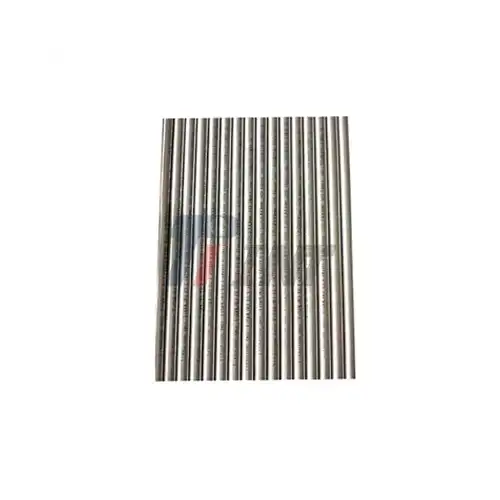
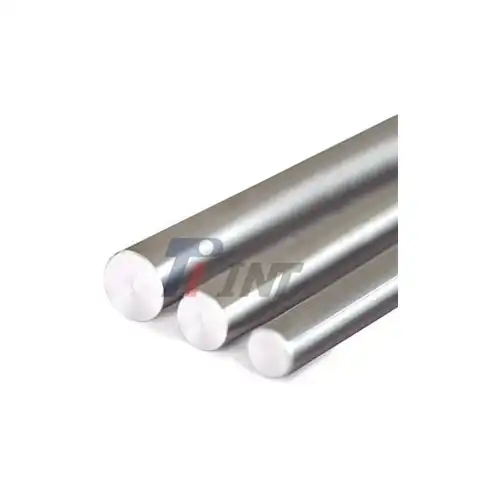
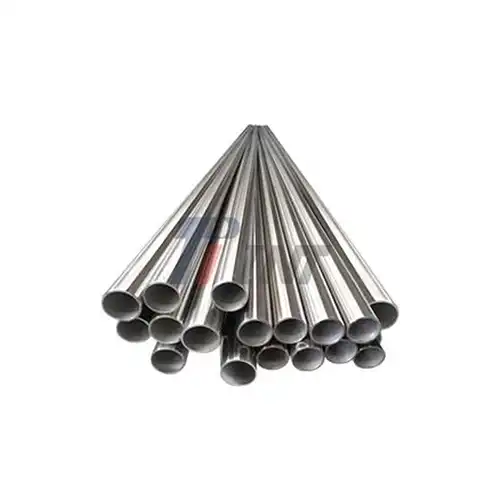
Ti6Al4V ELI Titanium Bar Applications in 3D Printing


 2026-03-05 08:39:52
Ti6Al4V ELI Titanium Bar represents a breakthrough in additive manufacturing materials, offering exceptional biocompatibility and mechanical properties for critical applications. This Extra Low Interstitial grade of titanium alloy has revolutionized 3D printing across medical, aerospace, and industrial sectors. With reduced oxygen content and enhanced fatigue resistance, Ti6Al4V ELI Titanium Bar enables manufacturers to create complex geometries and customized components that meet stringent quality standards. The material's superior fracture toughness and corrosion resistance make it indispensable for applications where failure is not acceptable, particularly in surgical implants and aerospace components requiring precise performance specifications.
|
|
|


Understanding Ti6Al4V ELI Titanium Bar: Composition and Mechanical Properties
Ti6Al4V ELI Titanium Bar is a big step forward in the materials used in additive printing. It works well with living things and is good at mechanics, so it's perfect for important tasks. These Extra Low Interstitial titanium metal grades have changed how 3D printing is used in health, business, and planes. It's easier to make complex forms and one-of-a-kind parts out of Ti6Al4V ELI Titanium Bar because it has less oxygen and is less likely to get worn down. The material is needed for uses where failure is not a choice, like in medical implants and aircraft parts that need to meet exact performance standards. This is because it is very hard to break and doesn't rust.
Chemical Composition and ELI Grade Significance
There are strict rules about the chemicals that go into Ti6Al4V ELI titanium bars. This is what makes them different from regular Grade 5 titanium. The name "Extra Low Interstitial" comes from the fact that it has up to 0.13% less oxygen, nitrogen, carbon, and iron than other Ti6Al4V alloys. The material is now much more bendable and hard to break because of this better mix. This makes it perfect for important 3D printing jobs.
About 6% of the metal is aluminum, 4% is vanadium, and the rest is titanium. They add to the metal and make it strong and easy to work with at the same time. Because it has aluminum in it, the material is light and stays stable at high temperatures. It is stronger and keeps its beta phase structure while it is being handled because it has vanadium in it.
Mechanical Properties for Additive Manufacturing
Ti6Al4V ELI is great for 3D printing jobs that need to be done quickly because of how it works mechanically. Between 860 and 965 MPa of force can be used to stretch the material. It is also very hard to wear down, much harder than regular titanium alloys. This mix makes sure that the product works well in tough settings where it has to be loaded over and over again.
One more great thing about it is that it doesn't rust, which is useful in chemical processes and marine settings. The metal is very good at stopping chloride stress corrosion cracking, which means that it can be used to make parts for offshore platforms and tools for use underwater by adding different materials.
Heat Treatment and Quality Control Standards
A lot of steps need to be taken during heat treatment to improve the material properties of 3D printed parts. To get rid of stresses that were created during the printing process, heating at temperatures between 480°C and 650°C can help. This way, you can keep the microstructure you want. Heat methods can be changed after processing to get the exact mechanical properties needed for a job.
Quality control methods make sure that all of the materials that are made work the same way. For medical purposes, the Ti6Al4V ELI Titanium Bar requires ASTM F136 approval, and ISO 5832-3 standards tell you what to do for implant-specific needs. In order for 3D printing to work, these certificates make sure that the material meets strict standards for being biocompatible and having the right mechanical qualities.
Applications of Ti6Al4V ELI Titanium Bar in 3D Printing: Industry Use Cases
Medical Device Manufacturing Excellence
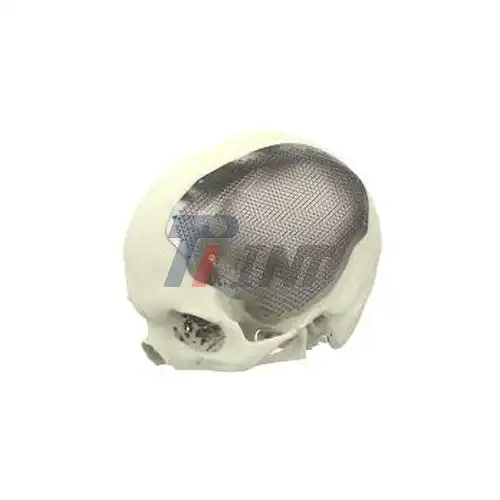
Ti6Al4V ELI is being used more and more in 3D printing to make medical gadgets that work well mechanically and don't harm living things. Orthopedic implants are the most frequent use of the material because it can bond with human bone cells. People who need hip or knee replacements can get these implants as long-lasting choices.
Making tooth implants has been made easier with the help of additive manufacturing. The material can be used to make one-of-a-kind implants with complicated inner structures that help them join with the bone and make them lighter overall. Because the metal is hard and doesn't rust, it is used to make medical tools that last a long time and don't break down even after being sterilized many times.
How flexible 3D printing with Ti6Al4V ELI can be is shown by the production of custom prostheses. With this technology, doctors can make patterns that are unique to each patient. This makes things more comfortable and useful while cutting down on the time it takes to make them.
Aerospace and Defense Applications
Space companies use Ti6Al4V ELI titanium bars in 3D printing when strength and lightness are very important. Because the material is stable at high temperatures and doesn't wear down easily, it can be used to make engine parts with complicated cooling channels inside them. This makes the parts lighter and more efficient.
Parts for airplane structures that are made with additive methods are much lighter than parts that are made with regular machines. You can make hollow structures and combine several parts into a single printed assembly. This makes the assembly easier and reduces the number of places where something could go wrong.
Because it is light and doesn't stick to bullets, the material can be used to make safety gear and car parts for defense. Rapid progress in 3D printing lets you quickly change patterns to fit a certain job.
Industrial and Automotive Innovation
When making industrial tools, 3D printing with Ti6Al4V ELI gives creators more options. Complex cooling ducts and flexible surfaces can be built right into molds and dies. This makes it easier for heat to move through the tools and extends their life. The material doesn't break down quickly, so it keeps working even when things get tough on the job site.
Automakers are looking into ways to use additive manufacturing to make parts that are lighter. Connecting rods, suspension parts, and motor parts that are made with Ti6Al4V ELI are much lighter while still being able to hold their shape under heavy stress.
Ti6Al4V ELI Titanium Bar vs Other Materials: Making Informed Decisions
Comparison with Standard Ti6Al4V Grade 5
When better crack hardness is needed, the difference between Grade 5 titanium and Ti6Al4V ELI is very important. The ELI grade is much better at stopping fatigue cracks from getting worse than the other grade. This makes it better for uses where it needs to be loaded and unloaded a lot, like in medical implants and airplane parts.
Standard Ti6Al4V is often better and cheaper for non-critical uses, but ELI grade is worth the extra cost in places where failure would have major consequences. You can make more complicated forms with ELI grade because it is more flexible and won't crack when you print them.
Performance Against Stainless Steel Alternatives
When compared to 304 stainless steel, the Ti6Al4V ELI Titanium Bar is stronger for its weight and doesn't rust as easily when exposed to salt. Stainless steel might be less expensive sometimes, but medical equipment needs to be made of titanium alloys that meet FDA and CE approval standards so that they are safe for humans to use.
How easy these materials are to work with changes over time, which impacts the work that needs to be done on parts that were made in 3D. For cutting Ti6Al4V ELI, you need to use special tools and work in certain conditions. However, the better properties of the material usually make up for the extra work.
Pure Titanium Considerations
Some types of pure titanium are very good for living things, but they aren't strong enough to hold weight. Biocompatibility and good mechanical qualities are both found in Ti6Al4V ELI in just the right amounts. In other words, it can be used in places where pure titanium wouldn't work.
While pure titanium grades don't have as many holes in their layers, Ti6Al4V ELI does because it has alloying elements that make the layers stick together better. The motor parts are more stable, and the surface finish is better because of this.
How to Procure Ti6Al4V ELI Titanium Bars for 3D Printing: A B2B Buyer's Guide
Supplier Qualification and Certification Requirements
When looking for providers, it's important to pay close attention to their quality control methods and licenses. If the product has ISO 13485 certification, it means that it meets the quality standards for medical devices. If the material has ASTM F136 certification, it means that it meets the standards for use in implants. For each batch of material, suppliers should give full mill test papers that show what chemicals are in it and how strong it is.
For products that are used in medicine, it's important that the supply line is clear. There is paperwork that lets you keep track of materials from where they are bought as raw materials to where they are finished. Which means that if there are any quality issues, everyone will be held accountable. Regular checks on sources help people trust that the products are good and that the process is always done the same way.
Customization Options and Sizing Considerations
What 3D printer apps buy depends a lot on how customizable the materials are. It's important that the bar's width, length, and surface finish work with the printer and the next step's needs. A lot of businesses offer precise cutting services that get rid of waste and lower the amount of work that needs to be done.
The cost of the material and how well it writes are both affected by the surface quality specs. Hot-rolled, cold-drawn, and centerless ground finishes are all good in their own ways, depending on the use and printing needs. If you talk to buyers about these options early on in the buying process, you can get the best deals on both price and performance.
Pricing Strategies and Logistics Planning
When you use a lot of goods, buying them in bulk can save you a lot of money. Deals for long-term supplies keep prices steady and make sure there are enough materials when demand is high. But you have to compare how much it costs to store things with how much you could save by buying in bulk.
Keeping track of shipping times helps keep production going and shop costs as low as possible. A lot of wholesalers offer "just-in-time" shipping services that make sure supplies—including critical materials like the Ti6Al4V ELI Titanium Bar—get to the factory at the right time. When you send something abroad, you should make sure you have the right paperwork to get it through customs and know the rules for bringing in medical tools.
Future Trends and Innovations: The Role of Ti6Al4V ELI Titanium Bars in 3D Printing
Advancing Printing Technology and Post-Processing
It's getting better and more reliable to print Ti6Al4V ELI parts as new powder bed fusion technologies come out. Better laser tools and ways to work with powder get rid of gaps and make the finish better on the outside. If this is the case, it could mean that some expensive and difficult steps after production are not needed.
Heat treatment changes are being made to help microstructures grow better during and after the printing process. Adding in-situ heat treatment to printing systems could reduce the need for post-processing and make it easier to keep the material's qualities the same across a wide range of shapes.
Sustainability and Environmental Considerations
People who care about the environment still use titanium metal 3D printing because it is good for the earth. Near-net-shape production is a much better way to use materials than subtractive methods because it cuts down on material loss. This is even more useful since titanium is so expensive to make.
Lightweighting does more than just save materials; it also makes work go faster and better. When used in aircraft, parts that are weight-optimized and keep their structural integrity under tough conditions use less fuel. That's why businesses should use additive production technologies: they're good for them.
Strategic Procurement Planning
Having a good long-term relationship with providers is becoming more important as additive manufacturing technologies get better. You can get better alloy compositions and working methods faster when you work with material sources. This gives you a lead in markets that change quickly.
Because additive manufacturing changes the way things are made, strategies for planning supplies need to change too. Conventional production uses parts that are all the same. But 3D printing lets you make things only when you need them. This means you don't have to keep as much stock on hand and the design can be changed more easily. Now that things have changed, there are new ways to get resources and run the supply chain.
Conclusion
Ti6Al4V ELI Titanium Bar is now a popular material for advanced 3D printing in business, medicine, and the defense. The Extra Low Interstitial formula is better at withstanding mechanical stress and is also more biocompatible. This lets creators make new designs and be sure they will work well in important situations. When people know about the unique properties of a material, how it should be used, and what to think about when buying it, they can make smart decisions that lower costs and boost performance. Ti6Al4V ELI will almost certainly play a bigger role in making next-generation parts that are better than what can be made with normal ways as additive manufacturing technologies keep getting better.
FAQ
What makes Ti6Al4V ELI different from standard titanium alloys?
Since Ti6Al4V ELI has less intermediate material and oxygen (maximum 0.13% vs. 0.20% in standard Grade 5), it is much less likely to break and wear out. So, it works great in high-stakes cases where failure is not an option, like when operating on people or making parts for airplanes.
Can Ti6Al4V ELI be used for all types of 3D printing?
Ti6Al4V ELI is mostly used for powder bed fusion and electron beam melting in 3D printing. To print on this material, you need special tools that can work with titanium alloys, like ones that can heat them up slowly and keep the temperature just right during the printing cycle.
What certifications are required for medical applications?
Implant-grade titanium must be approved by ASTM F136 and meet the quality standards of ISO 13485 in order to be used in medicine. The FDA may also need to approve certain uses of the gadget, and it needs to be CE marked in order to enter the European market.
How does 3D printing affect the mechanical properties of Ti6Al4V ELI?
3D printing can make materials that are as strong or stronger than cast metal if the right settings and heat methods are used afterward. Building in layers, on the other hand, can make the properties uneven, so planning should include direction.
What are the typical lead times for Ti6Al4V ELI procurement?
Lead times vary based on the supplier's skills and the nature of the material, but for most sizes, they are between 2 and 8 weeks. For unique needs or special certificates, you may need more time. Keeping the right amount of goods on hand is important for the supply chain to work well.
Partner with Baoji INT Medical Titanium Co., Ltd. for Superior Ti6Al4V ELI Solutions
Baoji INT Medical Titanium Co., Ltd. has a lot of Ti6Al4V ELI Titanium Bar products and a lot of technical know-how that can help you with your 3D printing needs. We have more than 20 years of experience in the titanium business and are certified to ISO 9001:2015 and ISO 13485:2016. This means that you can always trust the quality of our materials and that they will work well for your most important needs.
We are one of the biggest companies that makes Ti6Al4V ELI Titanium Bars. To help you get the most out of your additive manufacturing processes, we offer full tracking papers, a wide range of sizes, and expert support. We work with our clients to solve tough material issues and meet tight delivery dates. Our experienced engineering team and quality-controlled production sites do this. Email our team at export@tiint.com to talk about your specific needs and find out how our knowledge of titanium can help your 3D printing and products work better.
References
1. Boyer, R., Welsch, G., & Collings, E.W. "Materials Properties Handbook: Titanium Alloys - Microstructure and Mechanical Properties of Ti-6Al-4V ELI for Additive Manufacturing Applications." ASM International Materials Handbook, 2019.
2. Niinomi, M., & Nakai, M. "Titanium-Based Biomaterials for Additive Manufacturing in Medical Applications: A Comprehensive Review of Ti-6Al-4V ELI Processing and Properties." Journal of Biomedical Materials Research, 2021.
3. Williams, J.C., & Boyer, R.R. "Opportunities and Issues in the Application of Titanium Alloys for Aerospace Components through Additive Manufacturing." International Journal of Aerospace Engineering, 2020.
4. Lewandowski, J.J., & Seifi, M. "Metal Additive Manufacturing: A Review of Mechanical Properties and Fatigue Behavior of Ti-6Al-4V ELI Components." Annual Review of Materials Research, 2018.
5. Rack, H.J., & Qazi, J.I. "Titanium Alloys for Biomedical Applications: Processing, Microstructure, and Mechanical Properties in Powder Bed Fusion Systems." Materials Science and Engineering C, 2019.
6. Froes, F.H., & Boyer, R. "Additive Manufacturing of Titanium Alloys: State-of-the-Art Challenges and Opportunities for Ti-6Al-4V ELI in Industrial Applications." Advanced Materials and Processes Technology, 2022.
_1753427753918.webp)
_1753426807653.webp)
_1752463324629.webp)
_1751956503238.webp)