
Why Titanium Is Preferred for Medical Implants


 2026-03-05 08:39:49
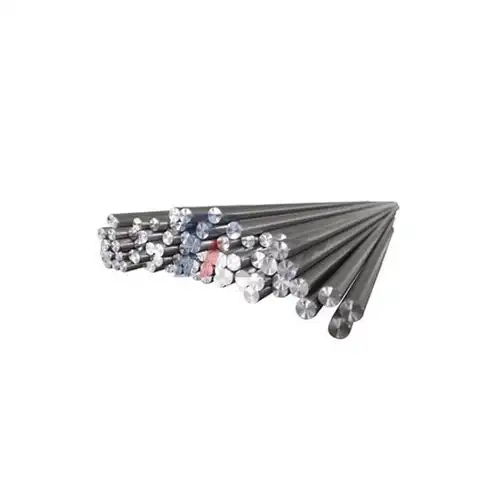
Titanium implants are becoming more popular because they are biocompatible, strong, and last a long time. This makes them the best choice for medical device makers and procurement pros. While titanium has many uses, the medical titanium rod is one of the most important parts of treatments for the spine, joints, and teeth. This choice comes from titanium's unique ability to osseointegrate with human bone cells and stay structurally sound for decades inside the body. When procurement teams know about these important benefits, they can make choices that combine clinical performance, legal compliance, and long-term cost-effectiveness in their supply chain strategies.
|
|
|


Understanding Medical Titanium Rods and Their Advantages
Medical titanium rods are complex implant parts that were made to be used in the most important surgeries. These specialized tools are the main part of spine fusion surgeries, fracture repair systems, and complicated orthopedic replacements. With today's production methods, rod sizes, surface treatments, and mechanical qualities can be precisely changed to meet particular clinical needs.
Exceptional Biocompatibility Properties
The best thing about medical-grade titanium is that it is very compatible with living things. Titanium doesn't cause as much inflammation when it's inserted in human flesh as traditional metals like stainless steel or cobalt-chromium alloys. This makes it less likely that there will be bad effects, which helps people heal faster and with fewer problems after surgery. Researchers have found that the oxide layer on the surface of titanium forms a strong bond with bone cells, which helps the good integration of tissues.
Superior Strength-to-Weight Characteristics
Because they are so strong for how light they are, titanium bars have great mechanical performance. This quality is especially useful in load-bearing situations where implants need to be able to handle a lot of bodily stress while still being light enough that the patient doesn't feel any pain. Compared to other mechanical implants, this material's elastic stiffness is more like that of natural bone. This means that it doesn't protect against stress as well, which can cause bone loss over time.
Corrosion Resistance in Biological Environments
Titanium is better at resisting rust than other implant materials, so it will stay stable over time in the harsh biological environment of the body. Body fluids have acidic substances in them, like chlorides, proteins, and enzymes, that can break down weak materials over time. A medical titanium rod relies on this inherent stability. Titanium's inactive oxide layer protects against these harmful agents all the time, so the implant stays strong for the patient's whole life.
Titanium vs. Other Implant Materials: A Rational Choice Approach
When buying implant materials, you need to carefully consider a lot of things, such as how well they work, how well they comply with regulations, and the total cost of ownership. Titanium is different from other materials in a number of important ways that affect how it is bought and how well it works in professional settings.
Performance Comparison with Stainless Steel
Even though stainless steel implants are cheap at first, they have a lot of problems when used for a long time. In living settings, these materials corrode more quickly, which could cause ions to leak out and tissue to become stained. Also, the magnetic qualities of stainless steel make MRI exams more difficult, which limits patients' diagnostic choices. Stainless steel's higher elastic modulus can also make stress buffering worse, which is bad for bone health around implant sites.
Advantages Over Cobalt-Chromium Alloys
Cobalt-chromium metals are very resistant to wear, but they are not as biocompatible as titanium. Some people are allergic to these materials, and they may release cobalt ions over time, which makes people worry about widespread poisoning. Even though cobalt-chromium implants are strong enough mechanically, their higher mass makes them heavier for the patient and may be uncomfortable in some situations.
Cost-Benefit Analysis for Procurement Teams
Even though titanium implants usually cost more up front than implants made of other materials, their long-term benefits make up for the higher price. Less complications mean less money spent on revision surgery, happier patients, and a better image for healthcare workers in the medical community. When purchasing managers look at the total cost of ownership instead of just the cost of purchase, they often find that titanium implants are more valuable over the life of the implant.
Types and Specifications of Medical Titanium Rods
The medical device market has a wide range of titanium rod shapes that are made to fit different body types and surgery needs. Knowing about these differences helps buying teams choose the right goods for their intended uses while also making sure that they work with current surgical tools and methods.
Grade Classifications and Material Properties
Commercial pure titanium grades (Grade 1-4) are biocompatible and work well in low-stress situations. Titanium alloys, such as Ti-6Al-4V ELI (Grade 23), have better mechanical qualities and are better for high-stress situations. The Grade 23 material was made especially for medical uses. It has fewer impurities than industrial-grade metals, so it is more biocompatible without losing any of its power. This grade is the best for use in load-bearing implant uses.
Custom Manufacturing Capabilities
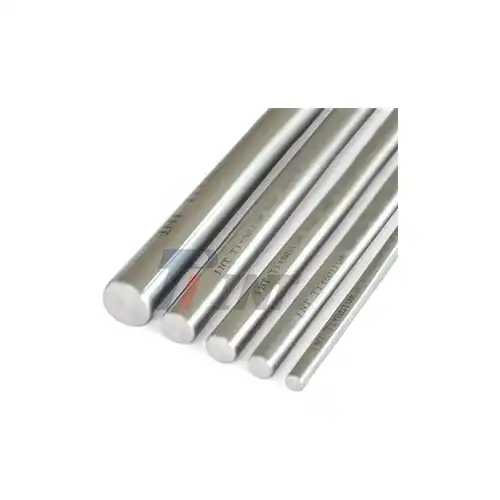
Modern production of titanium rods allows for a wide range of customizing choices, such as changes in diameter, length, surface treatment, and complex shapes. For specialized orthopedic or dental applications, engineers can design a medical titanium rod with precise biomechanical properties. With today's advanced cutting methods, rods can be made with different cross-sections, threaded links, and built-in features that get rid of the need for extra parts. Custom production is especially useful for medical device companies and research institutions that are making the next wave of implant systems.
Surface Treatment Options
Changes to the surface have a big effect on how well titanium rods work in living settings. Some common treatments are grinding to make the surface rougher, acid etching to help the bone fuse together better, and special coats for certain medical uses. Depending on the needs of the patient, these methods can speed up bone fusion, make the initial stability better, and allow controlled drug release.
Addressing Common Concerns and Complications in Medical Titanium Rod Use
Titanium implants have very good safety ratings, but procurement workers need to know about possible problems and how to avoid them in order to choose the right suppliers and keep patient safety standards high.
Implant Longevity and Performance Expectations
Clinical data shows that titanium rods that are properly made and inserted can work well for more than 20 years in most patients. However, how long an implant lasts varies on a number of things, such as how active the patient is, the method used during surgery, and the quality of the implant. High-quality titanium rods from certified makers usually work better than expected. On the other hand, low-quality goods may break down too soon because of flaws in the manufacturing process or bad material properties.
Regulatory Compliance and Quality Assurance
Medical titanium rods have to follow strict rules, such as FDA 510(k) clearance, ISO 13485 quality control systems, and related ASTM material specifications. Teams in charge of buying things should check that suppliers have the right certifications and ask for all the paperwork they need, like material certificates, biocompatibility test results, and records of how well the products were made. These papers give important information about traceability that is needed for regulatory filings and actions that happen after the product has been sold.
Risk Mitigation Through Supplier Selection
Partnering with well-known makers who consistently produce high-quality products lowers the risks of implant problems. This is particularly crucial when sourcing critical components like a medical titanium rod, where material integrity and precision manufacturing are paramount. To deal with any problems that might come up while the product is being used, suppliers should offer strong expert help, detailed product documentation, and quick customer service. Long-term ties with suppliers allow makers and end users to work together to solve problems and make things better all the time.
Procurement Best Practices for Medical Titanium Rods
To make sure that the quality of the products and the dependability of the supply chain are always high, good strategies for buying medical titanium rods need to include a thorough review of the suppliers, the creation of clear specifications, and ongoing relationship management.
Supplier Qualification and Evaluation Criteria
A successful procurement process starts with a detailed evaluation of the supplier, focused on their manufacturing skills, quality systems, and state of legal compliance. Important things to look at when judging should include ISO 13485 certification, FDA registration, output ability, and a history of on-time deliveries. Site audits are a great way to learn about how things are made, how quality is controlled, and how well a company works generally.
Technical Specification Development
It is important for suppliers to be able to supply goods that meet clinical standards. Clear product specs get rid of any confusion. The material grade, limits for size and shape, surface finish requirements, packing needs, and any special handling issues should all be listed in the specifications. Detailed specifications also make it easier to compare prices between possible providers and lower the risk of expensive mistakes about the specs.
Strategic Partnership Development
When you form long-term relationships with dependable suppliers, you both gain. For example, you can get better prices, be given priority when supplies are low, and work together to create new products. Strategic partnerships help both parties understand what the other wants better. For buyers, they improve expert support and market information. When making custom goods or going after new market niches, these relationships are especially helpful.
Conclusion
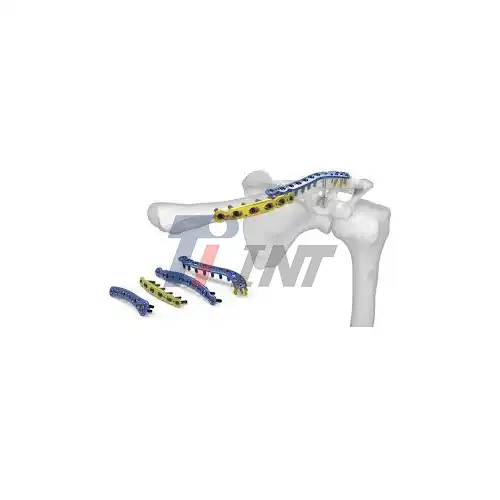
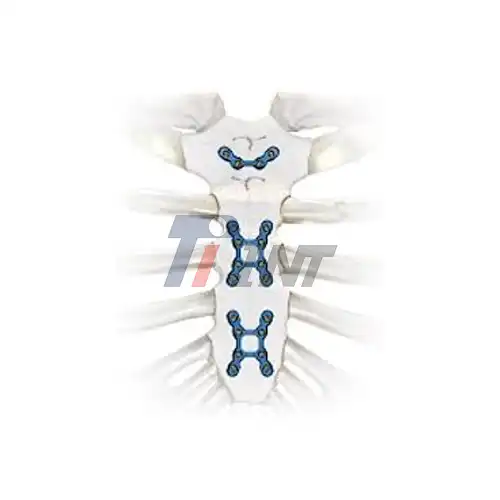
Titanium is the most common material used in medical implants because it is biocompatible, has good mechanical performance, and is reliable over time. When procurement workers know about these important benefits, they can make decisions that combine clinical needs, legal compliance, and cost concerns. For instance, in complex orthopedic or dental reconstructions, a medical titanium rod may be chosen to provide essential structural support. Titanium plates and rods are more expensive than other materials, but their better performance means that complications are less likely to happen, implants last longer, and patients do better. As medical device technology keeps getting better, titanium is still the best material for important implant uses that help patients and healthcare professionals do their best.
FAQ
How long do medical titanium rods last in the human body?
When made and inserted correctly, medical titanium rods usually work well for 20 to 30 years or longer. The exact length of time varies on the subject, the surgery, and the quality of the implant. The very long life of high-grade titanium is due in part to its great resistance to rust and biocompatibility.
What makes titanium superior to stainless steel for medical implants?
Titanium is better than stainless steel when it comes to biocompatibility, rust protection, and MRI compatibility. Titanium's elastic stiffness is also more like bone's, so it doesn't have the stress-shielding effects that can hurt bone health in the long term around implant sites.
Are titanium implants safe for MRI examinations?
Because titanium is not magnetic, yes, devices made of titanium can be used in MRIs. Patients with titanium rods can go through MRI exams without worrying about their safety, though there may be some small picture flaws near the implant site.
Partner with Baoji INT Medical Titanium Co., Ltd. for Premium Medical Titanium Solutions
Baoji INT Medical Titanium Co., Ltd. is one of the best companies that makes medical titanium rods. They have been in business for over 20 years and have full ISO 13485 approval. Our advanced production skills allow us to make titanium rods, plates, and special parts that are of the highest quality and meet strict international standards, such as FDA and CE rules. Medical device makers all over the world can rely on our full technical help, low prices, and dependable supply chain solutions. Please email our technical team at export@tiint.com to talk about your specific needs and find out how our services as a top medical titanium rod provider can help you make your product development and manufacturing more successful.
References
1. Niinomi, M., & Nakai, M. (2011). Titanium-based biomaterials for preventing stress shielding between implant devices and bone. International Journal of Biomaterials, 2011, 836587.
2. Rack, H. J., & Qazi, J. I. (2006). Titanium alloys for biomedical applications. Materials Science and Engineering: C, 26(8), 1269-1277.
3. Liu, X., Chu, P. K., & Ding, C. (2004). Surface modification of titanium, titanium alloys, and related materials for biomedical applications. Materials Science and Engineering: R: Reports, 47(3-4), 49-121.
4. Geetha, M., Singh, A. K., Asokamani, R., & Gogia, A. K. (2009). Ti based biomaterials, the ultimate choice for orthopaedic implants–a review. Progress in Materials Science, 54(3), 397-425.
5. Kaur, M., & Singh, K. (2019). Review on titanium and titanium based alloys as biomaterials for orthopaedic applications. Materials Science and Engineering: C, 102, 844-862.
6. Ryan, G., Pandit, A., & Apatsidis, D. P. (2006). Fabrication methods of porous metals for use in orthopaedic applications. Biomaterials, 27(13), 2651-2670.
_1755061801114.png)