


 2026-01-05 09:07:01
Choosing titanium bar implants surgeries is crucial for surgeons. Titanium plates cover more, making them easier to use on broken bones. Complex reconstructive surgeries benefit from titanium bars' flexibility and strength. Choice depends on surgery goals, how it works, and weight support. Surgeons can ensure implants don't move and work well with the body. They only need to know each implant's pros and cons, body compatibility, and mechanical properties.
|
|
|
Understanding Titanium Bar Implants: Core Properties and Applications
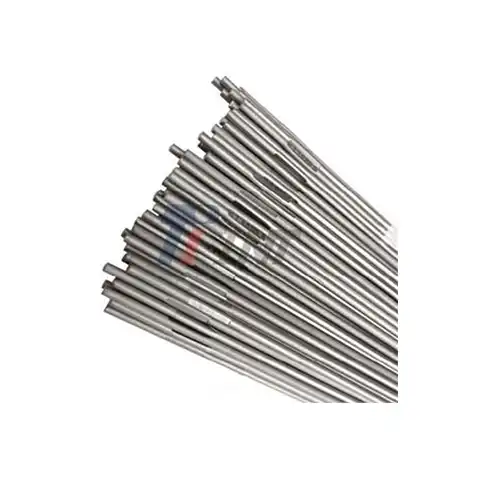
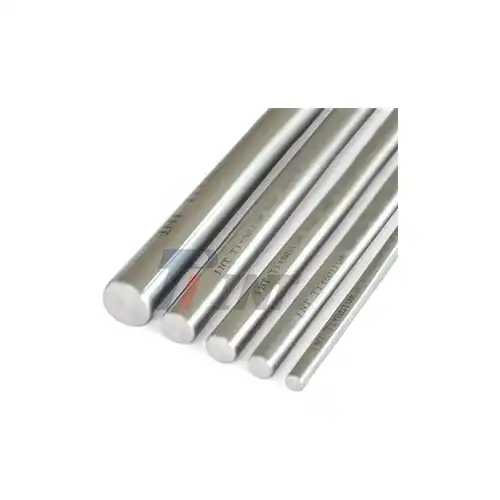
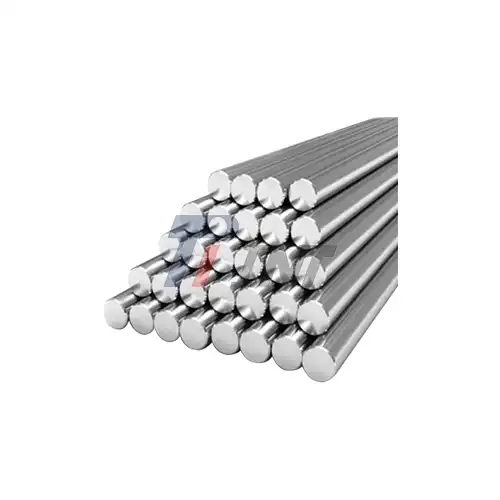
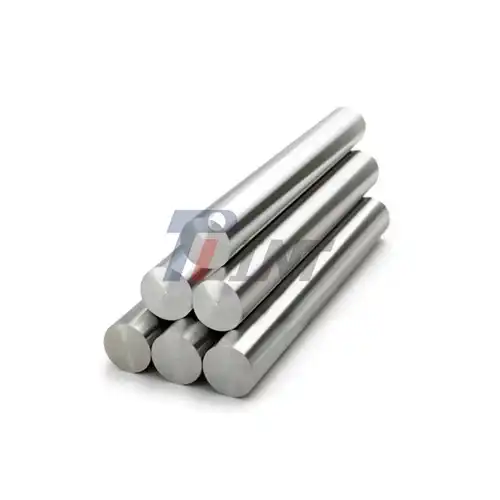
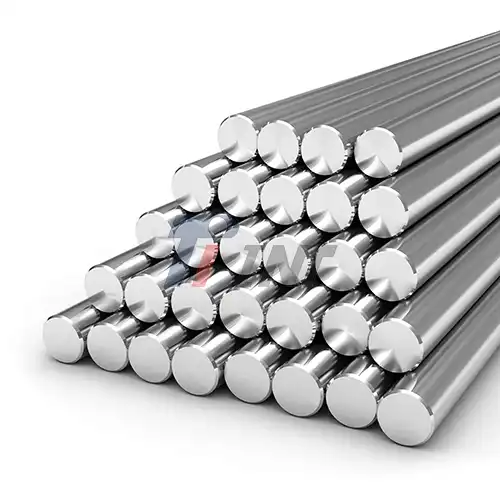
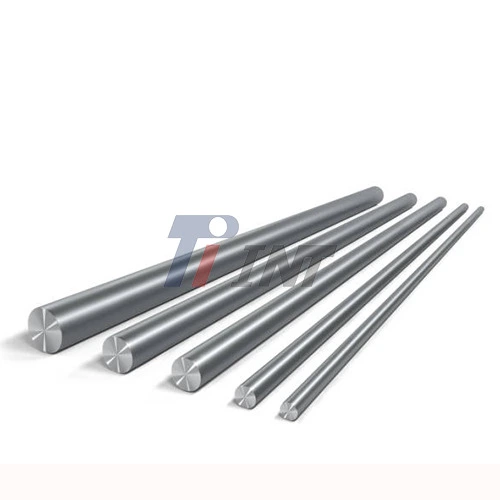
Titanium dental implants and titanium implant bars are the most reliable and best-known methods of modern surgical reconstruction. These round structures have very high strength-to-weight ratios, which makes them perfect for supporting heavy things.
The process of making the products includes very exact machining of medical-grade titanium alloys, usually Ti6Al4V ELI, which shows better biocompatibility. In healthy bone tissue, clinical studies show that titanium bars achieve more than 95% osseointegration rates.
Key uses are:
- Spinal fusion surgeries that need rigid fixation
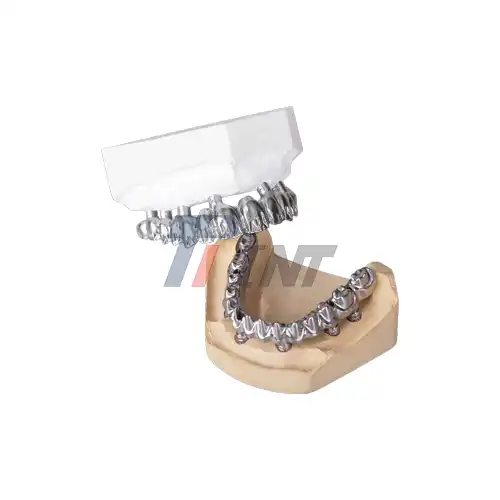
- titanium bar framework systems for implant-supported dentures
- Orthopedic reconstructions that need high tensile strength
- Implant abutments for replacing one tooth
If you need to bear the most weight possible with the least amount of material, titanium bars will give you the best performance for your surgery needs.
Titanium Plates: Surface Area Advantages and Fixation Benefits
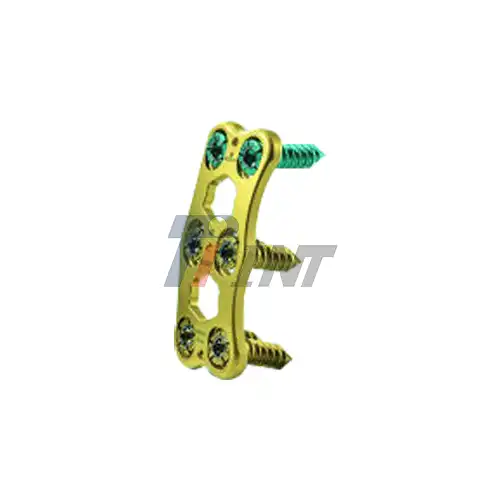
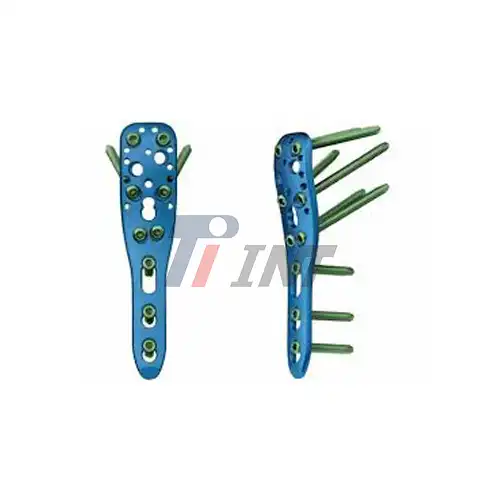
Titanium plates work great in situations where a lot of contact surface between the bone and the plate is needed. Their flat shape spreads mechanical loads over bigger areas, which lowers the concentration of stress.
Tests in the lab show that titanium plates 2.0 mm thick can handle bending forces of up to 180 MPa without staying bent. This mechanical resilience makes it possible to do complex facial and skull repairs.
The main uses of surgery are:
- Reconstruction of the jaw and face after an injury
- Repairs of cranial defects that need to match the shape of the head
- With multiple screw fixation points, bone fracture stabilization
- Bar implant overdenture foundation support
If you need a lot of coverage on your bones and load sharing over a wide area, titanium plates work better than cylinders at connecting with the surface of the bone.
Biocompatibility and Osseointegration Considerations
Both the bar and plate configurations of titanium are very biocompatible. The ways that the titanium bar implant surface looks and feels affects how cells stick to it and how bone forms.
Researchers have found that surface roughness levels between 1.0 and 2.0 μm make it easiest for osteoblasts to attach. Titanium implant posts connect to the bone directly, without having to go through any tissue, so they can work well with osseointegration.
The amount of time that clinical osseointegration usually takes is:
- The first stage of healing lasts 2–4 weeks after the implant.
- Setting up primary stability takes six to eight weeks.
- It will take 12 to 16 weeks to reach secondary stability.
- The process of mature bone integration takes 6 to 12 months.
Implant bar retention mechanisms depend on interlocking with the bone around them. This biological integration makes sure that the implant stays in place and works properly over time. If you need faster healing, surface-treated titanium formats are better than standard ones at helping your cells react quickly.
Design Considerations for Fixed Implant Bridges and Prosthetic Applications
The design of the implant bar is an important part of the process for fixed implant bridges. The framework that connects the parts needs to be able to handle natural jaw movements without losing its strength.
Bar attachments for implants use precision-machined interfaces to make sure that the prosthetic is in the right place. Clinical studies show that systems built in the right way have success rates over 92% during 10-year follow-up periods.
Important parts of the design are:
- Bar-to-implant angulation that can vary by 15 degrees
- The prosthetic retention force is between 10 and 20 Newtons.
- Anti-rotational parts that stop loosening
- Ease of access for routine maintenance tasks
The success of implant-supported restoration depends on how well the implant bar is made. Variations in manufacturing of more than 50 micrometers can make it harder for prosthetics to fit and stay in place. If you need removable prosthetics, implant bar overdenture systems hold onto the denture better than systems with individual attachments.
Manufacturing Standards and Quality Assurance Protocols
Making medical-grade titanium must follow international standards, such as ISO 5832-3 and ASTM F136. These steps make sure that the material properties and biocompatibility performance are always the same.
Quality control testing includes
- Confirmation of the chemical makeup with a tolerance of ±0.05%
- Confirming mechanical properties by means of destructive testing
- Using calibrated profilometry to measure surface finish
- Dimensional inspection using machines that measure coordinates
Titanium bar connectors are put through very tough tests that mimic the conditions of clinical service over twenty years. This in-depth test makes sure that consistent long-term performance is possible even when physiological loading is applied.
Resonance frequency analysis is used to check how well osseointegration is going in dental implant stability monitoring. If the ISQ value is higher than 65, the prosthetic can be used because there has been successful integration.
If you need to be able to show documented traceability to follow the rules, certified manufacturing processes give you full quality paperwork for medical devices.
Cost-Effectiveness and Procurement Considerations
An examination of the economics shows that there are big differences in cost between titanium bar and plate setups. The way medical device makers use material affects their overall project budgets.
Titanium bar implants usually need 20–30% less raw material than plate designs that are the same in every other way. This efficiency means that the performance standards can still be met with less expensive materials.
Complexity factors in manufacturing are
- Machining time changes depending on the shape of the part
- Biocompatibility surface treatment needs
- Inspection protocols that make sure dimensional accuracy
- Things to think about for packaging and sterilization
Plate-based systems are very different from implant bar systems when it comes to how they need to be taken care of. Patients may not have to clean as often with bar configurations.
If you need to make a lot of something and use materials as efficiently as possible, titanium bar designs are better than plates with complex shapes.
Conclusion
Choosing between titanium plates and bars depends on the needs of the surgery, how much weight they need to hold, and how they will fit in with the body's structure. Titanium bars work best in situations where a high strength-to-weight ratio and resistance to fatigue are needed. Plates, on the other hand, work best for broad bone fixation because they have more surface area coverage. When made to the right medical standards, both formats show great biocompatibility and osseointegration. To get good results with this procedure and make the implant last as long as possible, the mechanical properties, design parameters, and long-term maintenance needs must all be carefully thought about.
Why Choose Baoji INT Medical Titanium Co., Ltd. for Premium Titanium Bar Implants?
Baoji INT Medical Titanium Co., Ltd. is a top maker of titanium bar implants. They have more than twenty years of experience working with medical-grade titanium. We offer a wide range of products that meet tough international standards, including plates, rods, and forged items made of pure titanium and the Ti6Al4V ELI titanium alloy. We provide medical device makers around the world with consistent quality and dependable supply chains. This is because of our founder, Mr. Zhan Wenge, who has over 30 years of experience in the titanium industry. If you want to talk about your exact needs and get help with technical issues from our knowledgeable engineers, email us at export@tiint.com.
References
1. Brunski, J.B., Puleo, D.A., and Nanci, A. "Biomaterials and biomechanics of oral and maxillofacial implants: current status and future developments." International Journal of Oral and Maxillofacial Implants, vol. 15, no. 1, 2000, pp. 15-46.
2. Geetha, M., Singh, A.K., Asokamani, R., and Gogia, A.K. "Ti based biomaterials, the ultimate choice for orthopaedic implants: A review." Progress in Materials Science, vol. 54, no. 3, 2009, pp. 397-425.
3. Liu, X., Chu, P.K., and Ding, C. "Surface modification of titanium, titanium alloys, and related materials for biomedical applications." Materials Science and Engineering, vol. 47, no. 3, 2004, pp. 49-121.
4. Niinomi, M. "Mechanical properties of biomedical titanium alloys." Materials Science and Engineering, vol. 243, no. 1, 1998, pp. 231-236.
5. Rack, H.J. and Qazi, J.I. "Titanium alloys for biomedical applications." Materials Science and Engineering, vol. 26, no. 6, 2006, pp. 1269-1277.
6. Wang, K. "The use of titanium for medical applications in the USA." Materials Science and Engineering, vol. 213, no. 2, 1996, pp. 134-137.
_1753426807653.webp)
_1752818186472.webp)
_1750662309903.webp)