

 2026-01-13 08:57:19
The Unique Properties of Titanium in Orthopedic Applications
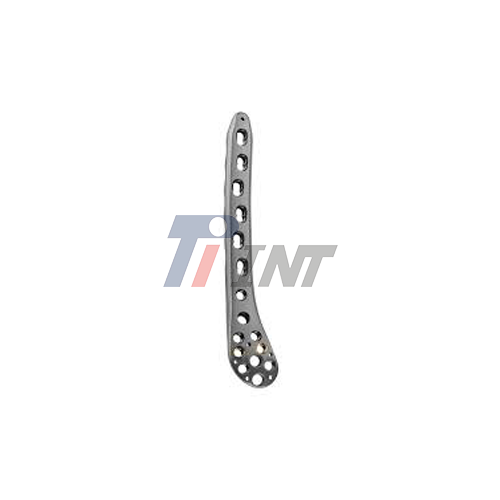
Titanium's exceptional characteristics make it an ideal material for bone plates and other orthopedic implants. Its low density coupled with high strength creates a favorable strength-to-weight ratio, allowing for robust support without unnecessary bulk. This property is particularly beneficial in reducing patient discomfort and minimizing the impact on surrounding tissues.
The biocompatibility of titanium is perhaps its most valuable attribute in medical applications. The human body demonstrates remarkable tolerance for titanium, with minimal risk of allergic reactions or rejections. This compatibility is largely due to the formation of a stable oxide layer on the titanium surface, which acts as a protective barrier against corrosion and ion release.
Corrosion resistance is another crucial feature of titanium bone plates. The harsh biological environment inside the human body can be detrimental to many materials, but titanium's natural resistance to corrosion ensures long-term stability and functionality of the implant. This durability translates to reduced need for revision surgeries and improved patient outcomes.
Mechanical Properties and Performance
The mechanical properties of titanium bone plates contribute significantly to their effectiveness in orthopedic applications. The material's high tensile strength allows it to withstand substantial forces without failure, crucial for maintaining proper bone alignment during the healing process. Additionally, titanium's lower modulus of elasticity compared to other metals like stainless steel more closely matches that of human bone, reducing the risk of stress shielding and subsequent bone weakening.
Fatigue resistance is another key attribute of titanium bone plates. The cyclical loading that occurs during normal bodily movements can lead to material fatigue over time. Titanium's excellent fatigue resistance ensures that the plates maintain their structural integrity over extended periods, even under repetitive stress.
Advancements in Titanium Bone Plate Design and Manufacturing
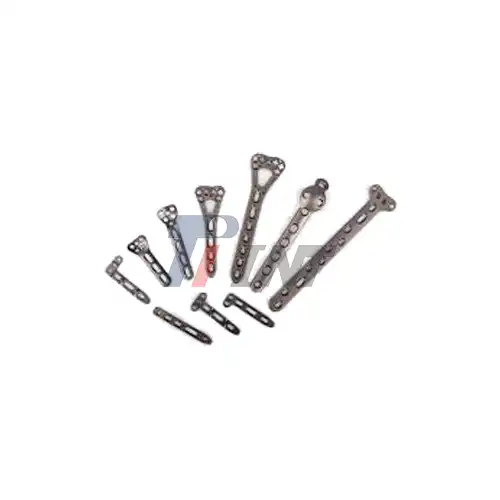
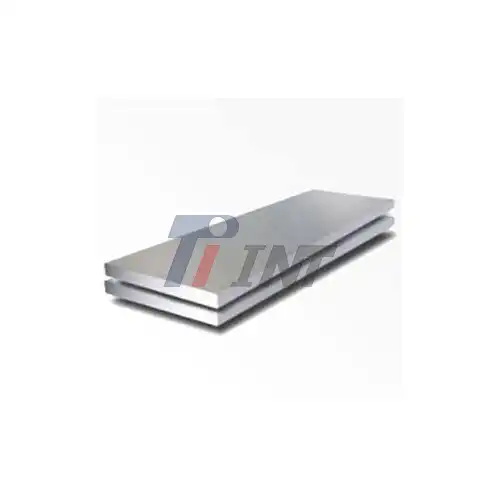
The field of titanium bone plate design and manufacturing has seen significant advancements in recent years. Modern plates are not merely flat pieces of metal; they are sophisticated medical devices engineered to meet specific anatomical and functional requirements.
Computer-aided design (CAD) and finite element analysis (FEA) have revolutionized the development process, allowing engineers to optimize plate designs for specific fracture types and locations. These tools enable the creation of plates with variable thickness and contours that match the natural curvature of bones, enhancing stability and reducing the risk of implant failure.
Advanced manufacturing techniques such as 3D printing and precision CNC machining have expanded the possibilities for customization and complex geometries. These methods allow for the production of patient-specific implants, tailored to individual anatomy for improved fit and function.
Surface Treatments and Coatings
Surface modifications play a crucial role in enhancing the performance of titanium bone plates. Techniques such as anodization can alter the surface properties of the titanium, improving its biocompatibility and osseointegration potential. Some plates feature micro-textured surfaces that promote bone cell adhesion and growth, facilitating faster and more robust healing.
Bioactive coatings represent another frontier in titanium bone plate technology. Hydroxyapatite coatings, for instance, can be applied to the plate surface to stimulate bone growth and improve the implant-bone interface. Other coatings may incorporate antibacterial agents to reduce the risk of post-operative infections, a significant concern in orthopedic surgeries.
Clinical Applications and Future Directions
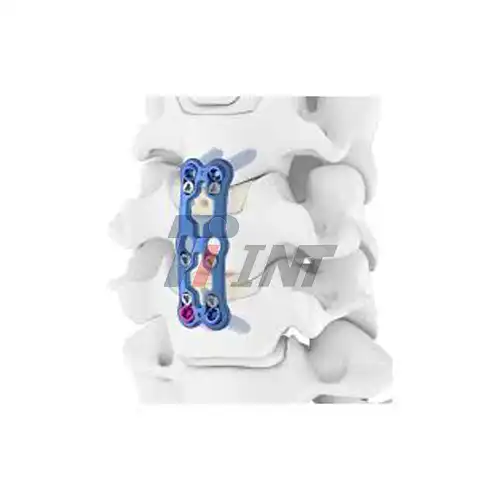
Titanium bone plates find application in a wide range of orthopedic procedures, from simple fracture fixation to complex reconstructive surgeries. They are particularly valuable in areas requiring high strength and low profile, such as craniofacial reconstruction and spinal fusion procedures.
In trauma surgery, titanium plates provide stable fixation for comminuted fractures, allowing for early mobilization and improved patient outcomes. Their use in maxillofacial surgery has revolutionized the treatment of facial fractures, offering excellent cosmetic results due to their low profile and ability to contour precisely to facial anatomy.
The versatility of titanium bone plates extends to pediatric orthopedics, where their lightweight nature and biocompatibility are especially beneficial. In cases where temporary fixation is required, some titanium plates are designed to be easily removable once healing is complete.
Emerging Trends and Research Directions
The future of titanium bone plates looks promising, with ongoing research focusing on several key areas. Smart implants incorporating sensors to monitor healing progress and detect early signs of complications are under development. These could provide real-time data to clinicians, allowing for more personalized and responsive patient care.
Biodegradable titanium alloys represent another exciting avenue of research. These materials would provide initial stability for fracture healing but gradually degrade over time, eliminating the need for implant removal surgeries and reducing long-term complications associated with permanent implants.
Nanotechnology is also making inroads in titanium bone plate design. Nanostructured surfaces can enhance osseointegration and potentially incorporate drug delivery systems for localized antibiotic or growth factor release, further improving healing outcomes.
Conclusion
Titanium bone plates stand as a testament to the power of innovative medical engineering. By balancing strength and biocompatibility, these implants have transformed the landscape of orthopedic and trauma care. As research continues and manufacturing techniques advance, we can expect even more sophisticated and effective titanium bone plates to emerge, further improving patient outcomes and quality of life.
For those interested in exploring cutting-edge titanium bone plate solutions, Baoji INT Medical Titanium Co., Ltd. offers a comprehensive range of high-quality products. With over 30 years of experience in titanium material research and development, INT provides superior medical titanium materials tailored to customer needs. To learn more about their innovative products and services, please contact them at export@tiint.com.
FAQs
What makes titanium bone plates superior to other materials?
Titanium bone plates offer an exceptional combination of strength, lightweight design, and biocompatibility. They resist corrosion, have a high strength-to-weight ratio, and are less likely to cause allergic reactions compared to other metals.
How long do titanium bone plates last?
Titanium bone plates are designed for long-term use and can last for many years, often for the remainder of a patient's life. However, the exact duration depends on various factors, including the specific application and individual patient characteristics.
Are titanium bone plates safe for MRI scans?
Yes, titanium bone plates are generally considered MRI-safe. They are non-ferromagnetic and do not typically interfere with MRI scans, although they may cause some local image distortion.
References
1. Elias, C. N., Lima, J. H. C., Valiev, R., & Meyers, M. A. (2008). Biomedical applications of titanium and its alloys. JOM, 60(3), 46-49.
2. Niinomi, M. (2008). Mechanical biocompatibilities of titanium alloys for biomedical applications. Journal of the mechanical behavior of biomedical materials, 1(1), 30-42.
3. Palmquist, A., Omar, O. M., Esposito, M., Lausmaa, J., & Thomsen, P. (2010). Titanium oral implants: surface characteristics, interface biology and clinical outcome. Journal of the Royal Society Interface, 7(suppl_5), S515-S527.
4. Rack, H. J., & Qazi, J. I. (2006). Titanium alloys for biomedical applications. Materials Science and Engineering: C, 26(8), 1269-1277.
5. Wang, K. (1996). The use of titanium for medical applications in the USA. Materials Science and Engineering: A, 213(1-2), 134-137.
_1752463990252.webp)
_1750664314563.webp)
_1749195818446.webp)