
How Long Does Recovery Take After Getting a Titanium Plate?


 2025-12-31 10:41:46
Recovering from surgery involving a titanium plate in leg can be a complex and time-consuming process. Whether you've experienced a severe fracture or undergone a procedure to correct a bone deformity, understanding the recovery timeline is crucial for managing expectations and ensuring proper healing. In this comprehensive guide, we'll explore the various factors that influence recovery time, typical milestones in the healing process, and strategies to optimize your recuperation after receiving a titanium plate in your leg.
|
|
|

The Healing Process: What to Expect After Titanium Plate Surgery
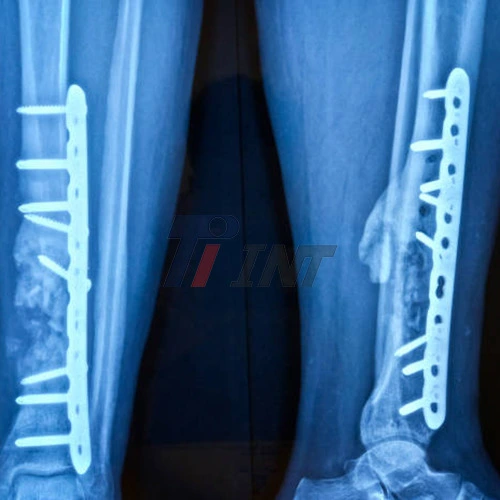
When a titanium plate in leg is surgically implanted in your leg, your body quickly starts the complex recuperating process. The to begin with stage, called the fiery arrange, ordinarily keeps going a few days after surgery. During this time, you may encounter swelling, pain, and confined development as your body reacts to the harm. Taking after this, the mending prepare moves into the repair stage, where modern tissue begins to shape around the titanium plate and broken bone. This stage is fundamental for stabilizing the bone and supporting the development of solid tissue to advance long-term recuperation and work.
The duration of recovery can vary significantly depending on several factors, including:
- The severity and location of the injury
- Your overall health and age
- Adherence to post-operative instructions
- The specific surgical technique used
- Your body's individual healing response
Typically, patients can anticipate at least 6-8 weeks for starting bone mending, but full recuperation may take a few months to a year. During this period, the bone continuously recaptures quality and usefulness, while the encompassing tissues alter to the nearness of the titanium plate in leg. The mending handle is progressive, with enhancements in portability and quality happening over time as the bone proceeds to repair and the body adjusts to the embed.
Milestones in Recovery: From Surgery to Full Mobility
Recovery after receiving a titanium plate in the leg progresses through several key stages:
1. Immediate Post-Operative Period (0-2 weeks): During the first two weeks after surgery, the center is focused on rest, pain management, and ensuring the surgical location. It is basic to take after the surgeon’s enlightening for wound care and keep the leg hoisted to diminish swelling. Restricted weight-bearing may be permitted, but assistive gadgets like bolsters or a walker are ordinarily required to offer assistance and decrease push on the leg.
2. Early Recovery (2-6 weeks): In the early recovery phase, mobility starts to improve gradually. The surgeon may approve partial weight-bearing on the leg, depending on the healing progress. Physical therapy exercises often begin around this time to gently restore range of motion and prevent stiffness.
3. Mid-Recovery (6-12 weeks): Between 6 and 12 weeks, physical therapy continues with an emphasis on strengthening exercises and improving the range of motion. Most patients can begin performing more weight-bearing activities, such as walking without assistive devices, although this varies depending on individual healing.
4. Late Recovery (3-6 months): As recovery progresses, patients can gradually return to normal activities, including light sports or low-impact exercises. The bone continues to strengthen, and mobility improves. However, high-impact activities should still be avoided during this period to prevent stress on the healing bone.
5. Full Recovery (6-12 months): By 6 to 12 months, most patients are cleared to resume all regular activities, including high-impact sports, provided healing has been successful. However, recovery timelines vary, and individual progress depends on factors such as the extent of the injury, overall health, and adherence to rehabilitation guidelines.
It's important to note that these timelines are approximate and can differ based on individual circumstances. Your orthopedic surgeon will provide specific guidelines tailored to your situation.
Optimizing Your Recovery: Tips for a Successful Healing Journey
To enhance your recovery after receiving a titanium plate in leg, consider implementing the following strategies:
- Follow Medical Advice Rigorously: Strictly follow your surgeon's instructions regarding weight-bearing, medication, and activity levels. Adhering to these guidelines is crucial for proper healing and avoiding setbacks.
- Prioritize Nutrition: A balanced diet rich in proteins, vitamins, and minerals is essential for tissue repair and bone healing. Ensure you consume sufficient calcium, vitamin D, and protein to support bone regeneration and recovery.
- Stay Hydrated: Proper hydration is vital for cellular function and tissue regeneration. Drink plenty of water throughout the day to support your body's healing processes and maintain energy levels.
- Engage in Prescribed Exercises: Consistently perform the rehabilitation exercises recommended by your physical therapist. These exercises are designed to improve strength, flexibility, and range of motion while protecting the healing bone.
- Manage Pain Effectively: Use prescribed pain medications as directed to manage discomfort. In addition, consider alternative pain management techniques such as ice therapy, heat packs, or gentle massage to help reduce pain and swelling.
- Avoid Smoking and Limit Alcohol Consumption: Both smoking and excessive alcohol consumption can hinder the healing process and increase the risk of complications.
- Attend All Follow-Up Appointments: Regular check-ups with your healthcare team are important for monitoring your progress. These visits allow the doctor to assess your recovery, address any concerns, and make adjustments to your treatment plan as needed.
Conclusion
While the journey to full recovery after receiving a titanium plate in leg can be challenging, understanding the process and actively participating in your rehabilitation can lead to optimal outcomes. By following your medical team's guidance and maintaining a positive attitude, you can navigate the recovery period successfully and regain your mobility and independence.
If you have questions about titanium implants or are interested in learning more about high-quality medical titanium products, don't hesitate to reach out to the experts at INT Medical Titanium Co., Ltd. Contact us at export@tiint.com for more information on our range of titanium materials designed for medical applications.
References
1. Kuru, P., & Akyuz, G. (2016). Systematic review of dimensions of healing in tibial plateau fractures. Journal of Orthopaedic Surgery, 24(1), 45-51.
2. Marsell, R., & Einhorn, T. A. (2011). The biology of fracture healing. Injury, 42(6), 551-555.
3. Claes, L., Recknagel, S., & Ignatius, A. (2012). Fracture healing under healthy and inflammatory conditions. Nature Reviews Rheumatology, 8(3), 133-143.
4. Brandi, M. L. (2012). Healing of the bone with anti-fracture drugs. Expert Opinion on Pharmacotherapy, 13(11), 1619-1627.
5. Einhorn, T. A., & Gerstenfeld, L. C. (2015). Fracture healing: mechanisms and interventions. Nature Reviews Rheumatology, 11(1), 45-54.