OEM Ti6Al4V Titanium Bar Solutions for Medical Industries


 2026-08-25 10:02:00
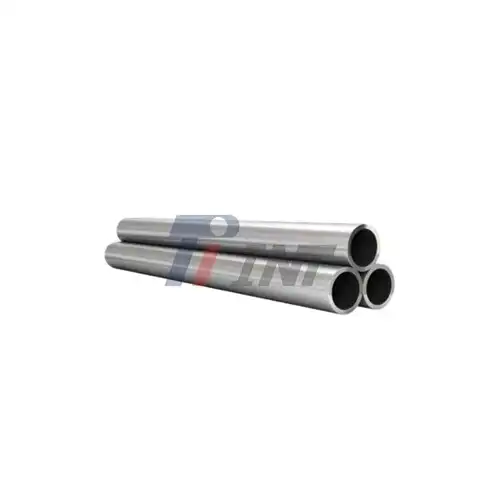
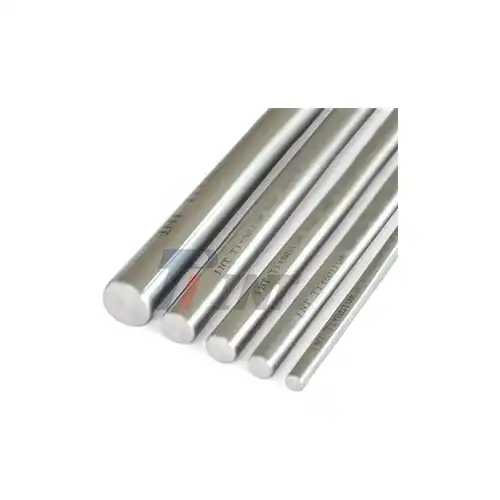
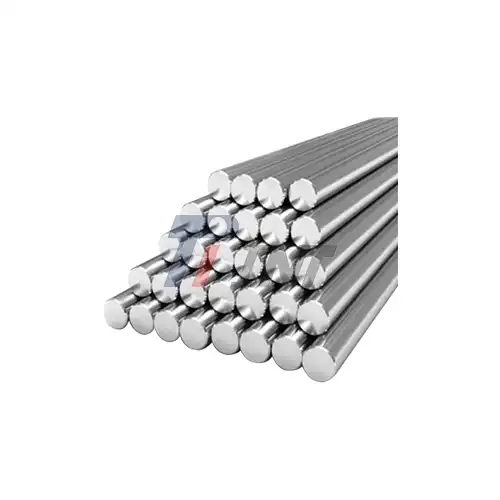
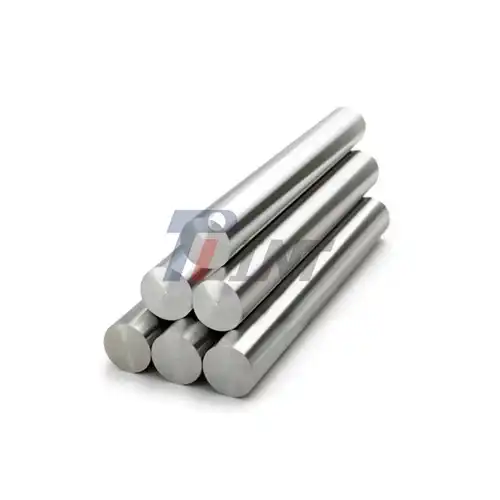
When medical device manufacturers need reliable, high-performance materials for implants and surgical instruments, OEM Ti6Al4V titanium bar solutions deliver the perfect combination of strength, biocompatibility, and precision. At Baoji INT Medical Titanium Co., Ltd., we specialize in producing Grade 5 titanium alloy bars—including the versatile Ti6Al4V Titanium Bar 8mm diameter—engineered specifically for orthopedic, dental, and surgical applications. Our products comply with ASTM B348 and ISO 5832-3 standards, offering tensile strength exceeding 895 MPa while maintaining a density of just 4.43 g/cm³. This unique balance addresses the critical challenge faced by R&D engineers and procurement managers: securing materials that reduce patient burden without compromising structural integrity or long-term implant performance.
|
|
|
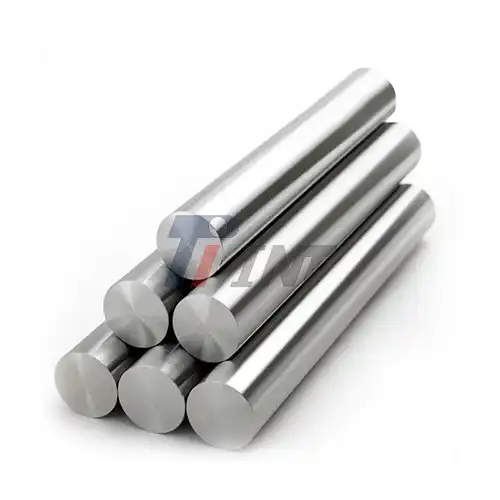
Understanding Ti6Al4V Titanium Bars for Medical Applications
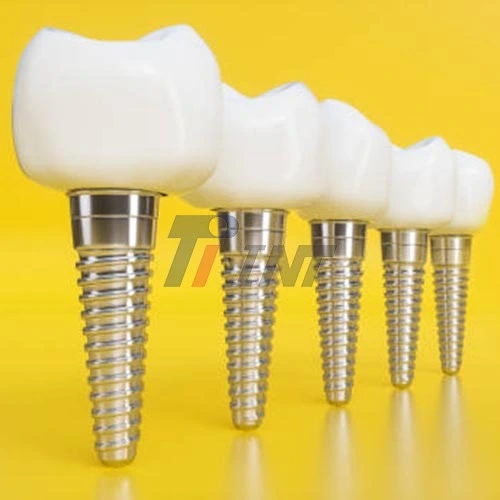
This grade 5 titanium combination is the best for making medical devices because it can solve issues that pure titanium and stainless steel can't at the same time. The alloy is made up of about 6% aluminium, 4% vanadium, and titanium. Its composition creates a microstructure with alpha and beta phases that makes it very resistant to fatigue in situations like cyclic loading that happen in hip stems and spinal rods.
Composition and Mechanical Characteristics
The aluminium content makes it stronger and lighter, and the vanadium stabilises the beta phase at room temperature, which makes it easier to shape and harder to break. Our Ti6Al4V Titanium Bar 8mms have a yield strength of at least 825 MPa and an expansion value of more than 10%. This means that parts can withstand repeated stress from patient movement for decades after they are implanted. This level of performance comes from controlled forging processes that smooth out the grain structure and get rid of any flaws inside the metal.
Manufacturing Process Excellence
We use vacuum arc remelting (VAR) technology to make ingots that have very little hydrogen in them. This is important to stop delayed hydride cracking, which can make implants less safe. Then, hot forging at the right temperatures makes the microstructures regular. Finally, centerless grinding is used to get diameter errors of +0/-0.015mm on Ti6Al4V Titanium Bar 8mms. This accuracy gets rid of the feeding problems that happen a lot in CNC settings where automatic bar feeders need uniform sizes. Carefully planned heat treatment processes are used to reach an annealed state that balances machinability with mechanical performance. This stops the tool chatter that happens when titanium isn't properly treated during turning operations.
Biocompatibility and Corrosion Resistance
Our Ti6Al4V Titanium Bar 8mms are resistant to body fluids, chloride ions, and most organic substances found in surgery settings because they form a stable titanium dioxide (TiO2) passive film on their own. While some types of stainless steel can release nickel ions, Ti6Al4V Titanium Bar 8mms don't have any cytotoxic effects, so they can be used directly on bone without any coatings in between. This resistance to corrosion means that implants last longer than 20 years in clinical tests, which lowers the number of surgeries that need to be redone and improves patient results.
Comparing Ti6Al4V with Alternative Materials in Medical Industry
In order to choose the best material, you need to know how Ti6Al4V Titanium Bar 8mms compare to other choices in a number of performance areas. This comparison helps procurement managers explain to quality assurance teams and regulatory auditors why they made certain decisions.
Ti6Al4V Versus Commercially Pure Titanium
Commercially pure titanium grades (1-4) are biocompatible, but their tensile strength is usually between 240 and 550 MPa, which is too low for load-bearing uses like femur stems. Grade 5 is almost twice as strong as Grade 4 and still doesn't rust, so it can have thinner implant shapes that keep more good bone during surgery. Ti6Al4V ELI (Extra Low Interstitial), on the other hand, has better fracture hardness for uses that need to be very reliable, but it costs 15-20% more.
Stainless Steel Comparison
Medical-grade stainless steel (316L) is 40–60% less expensive than Ti6Al4V Titanium Bar 8mms and is easier to machine, which makes it a good choice for tools that need to save money. However, its density of 8.0 g/cm³ makes implants heavier, which makes patients more tired, and its elastic modulus of 200 GPa causes stress shielding, which is when implants that are too rigid stop natural bone loading, which causes bone loss. Our Ti6Al4V Titanium Bar 8mms have an elastic stiffness close to 110 GPa, which makes them more like cortical bone and helps them integrate better. Corrosion protection is also higher than stainless steel in chloride environments, which gets rid of the pitting problems that happen with long-term implants.
Aluminum Alloy Limitations
Aerospace-grade aluminium alloys have similar strength-to-weight ratios, but they are not biocompatible because aluminium ions are toxic. Because they don't fight rust well enough in physiological settings, they can't be implanted permanently and can only be used with external fixation devices. Ti6Al4V Titanium Bar 8mms get rid of these problems and keep their shape up to 400°C, which is useful during steam sterilisation cycles that damage surface treatments on aluminium.
Certification and Traceability Considerations
When used in different ways, material standards have different levels of importance. ASTM B348 talks about titanium bars for industry, while ISO 5832-3 talks about implant-grade needs with stricter chemical composition controls. When you order our Ti6Al4V Titanium Bar 8mms, they come with full mill test reports that include records of the chemistry, mechanical testing, and heat treatment for each lot. These reports are necessary for FDA 510(k) submissions and CE marking technical files. This allows for quick root cause analysis if problems happen in the field, which protects your brand's image and meets legal auditing requirements.
OEM Solutions: Custom Ti6Al4V Titanium Bars for Medical Industry Needs
Medical gadget makers don't usually use off-the-shelf products as they are. Our OEM capabilities take this into account by letting you customise the specifications of the raw materials so that they work with your production workflow and meet regulatory standards.
Precision Sizing and Surface Finishing
Dental implant abutments and small-diameter intramedullary nails often use standard bar diameters like Ti6Al4V Titanium Bar 8mm. However, orthopaedic manufacturers often need intermediate sizes or tight tolerance ranges. We can make custom diameters from 4mm to 200mm, and we can cut the lengths to fit the collets on your machining centers so that you waste as little material as possible. You can choose from different surface finishing choices, such as polished finishes (Ra <0.4μm) for parts that don't need much post-processing, sanded surfaces that make coatings stick better, and pickled finishes that get rid of alpha case contamination from hot working. Because of this, you can get Ti6Al4V Titanium Bar 8mms that are already ready to be machined without having to buy extra tools to prepare the surface.
Regulatory Compliance and Documentation
ICP-OES is used to check the chemical makeup of each batch to make sure the amount of aluminium and vanadium is within the acceptable range. Inert gas fusion testing is also done to make sure the hydrogen levels stay below 150 ppm, which is a key level for stopping delayed hydride cracking. Tensile strength, yield strength, and elongation all meet the minimum requirements set by ASTM B348. Our ISO 13485:2016 certification shows that we use controlled manufacturing processes that are good for making parts for medical devices, and our EU CE marking shows that we follow the rules set by Medical Device Regulation (MDR) 2017/745. These certifications make it easier to qualify your supply chain, which speeds up the time it takes to get new implant designs on the market.
Production Lead Times and Order Flexibility
We keep a strategic store of popular sizes like Ti6Al4V Titanium Bar 8mms to support wait times of 4 to 6 weeks for regular orders because we know how hard it is to plan purchases. Custom specifications take 8–12 weeks, based on how complicated they are. For urgent R&D tasks, work can be sped up. As a way to balance how efficiently we make things with how much it costs you to keep goods on hand, our minimum order numbers start at 100 kg for stock dimensions. For manufacturers who make a lot of products, we have vendor-managed inventory programs that make sure you get just-in-time deliveries that work with your production schedules and don't leave you with too much safety stock.
Procurement Guide for Ti6Al4V Titanium Bars (Ti6Al4V Titanium Bar 8mm)
When buying titanium, you have to think about more than just the unit price. This part gives you useful guidelines for evaluating sellers and setting up purchase deals.
Pricing Dynamics and Cost Factors
The price of Ti6Al4V Titanium Bar 8mms depends on the cost of the raw materials (titanium sponge, aluminium, and vanadium), how hard they are to process, whether they need to be certified, and how many bars are ordered. The base price for Ti6Al4V Titanium Bar 8mm is usually between $35 and $55 per kilogram for ASTM B348 grade material. For ISO 5832-3 implant-grade material, which has tighter chemistry rules and better testing, there are 15 to 25 percent premiums. When you buy more than 500 kg a year, you can get discounts based on quantities. At 2,000 kg or more, you can get savings of 10-15%. Custom surface finishing costs an extra $5 to $12 per kilogram, and testing that goes beyond standard mill tests costs an extra $200 to $500 per batch.
Certifications have a big effect on the total cost of acquisition. Suppliers that are ISO 13485:2016 certified, like Baoji INT Medical Titanium Co., Ltd., include the costs of quality systems in their prices, so you don't have to do as many incoming inspections or supplier audits. This trade-off is often a good deal when you look at the total cost of ownership instead of just the buying price. When looking at geographical buying, you have to weigh the lower prices from Chinese makers against the difficulties of logistics, the fluctuation of lead times, and the risks of currency exchange. Setting up dual-source plans with primary and backup sources helps keep prices low and the supply chain running smoothly.
Supplier Selection Criteria
When buying medical supplies, reputation is very important. Suppliers who have been working with the medical industry for 10 years or more show that they are stable and know how to meet regulatory requirements. Check examples from current customers who have used similar products to make sure the company delivers on time and responds to technical help requests. In-house testing labs with standardised tools that can be traced back to national standards should be part of quality assurance. Instead of relying on third-party labs that take longer to get back to you, you should have your own testing labs. When you can, go to factories to check out their production controls, cleanliness standards, and systems for tracking materials.
Placing Orders and Requesting Quotes
Effective buy orders include more than just the size and amount. They also list the standards that apply (ASTM B348 vs. ISO 5832-3), the surface finish that must be met, the packing that must be used (protective end caps, moisture barriers), and the paperwork that must be produced (mill test reports, compliance certificates). Before agreeing to big quantities, ask for sample approvals and do your own testing to make sure the chemistry, mechanical properties, and dimensions are correct.
Talk to the seller about payment terms that work for both your cash flow needs and the time frame for quality verification. A 30% deposit with the balance due after an acceptable inspection is a good way to protect both sides. Set up clear ways for R&D engineers to talk to the technical teams of your suppliers so they can talk about things like material choice and processing without having to go through salespeople.
Future Trends and Innovations in Ti6Al4V Titanium Bars for Medical Industry
New technologies and clinical needs are changing the needs for materials, so the medical titanium market is always changing. Keeping up with these changes helps buying teams predict what they will need in the future and choose sources who can support innovation.
Advanced Alloy Compositions and Surface Treatments
Researchers studying changed Ti6Al4V Titanium Bar 8mm compositions are looking into replacing vanadium with iron or molybdenum to lower costs while keeping the same level of mechanical performance. These experimental alloys look good, but they need to be put through a lot of biocompatibility tests before they can be used in people. More specifically, nano-structured surface changes made by extreme plastic deformation or ion implantation speed up the process of osseointegration, which could cut healing times from 12 weeks to 6–8 weeks. If your suppliers spend in surface treatment, they will be able to offer you value-added goods that set your implants apart in a crowded market.
Additive Manufacturing Integration
Currently, most parts are made from wrought Ti6Al4V Titanium Bar 8mms, but new methods like wire arc additive manufacturing (WAAM) and direct energy deposition are making it possible to make parts with a near-net form. With these methods, material waste drops from 60–70% in regular machining to 10–15%, which saves money on big orthopaedic parts. The best way to make the transition is to use a combination of wrought bar stock for critical load paths and additively manufactured features for customisation. To make sure they can keep getting materials in the future, procurement teams should look at how well providers can do both standard and advanced manufacturing.
Digital Traceability and Quality Control
Blockchain-based material traceability systems are being tested to make permanent records that connect the chemistry of the raw materials to the serialisation of the finished devices. This openness meets the needs of regulators who are looking more closely and allows for quick recalls if problems arise. When suppliers use digital quality management systems, procurement teams can see order status, test results, and shipping milestones in real time. This makes it easier to handle problems and reduces the amount of paperwork that needs to be done. When you work with providers who are on the cutting edge of technology, your quality systems will be ready for new regulations before they become law, instead of having to be rushed to meet them after the fact.
As ambulatory surgery centers look for implants that allow patients to go home the same day, the demand for lightweight materials keeps growing. As clinical guidelines change, Ti6Al4V Titanium Bar 8mm's strength-to-weight edge becomes more important. This could lead to more uses for it in trauma plates and maxillofacial reconstruction, which are two areas where stainless steel is currently the standard. Strategic relationships with OEM providers that offer collaborative research and development support, such as help choosing materials, making sure you have enough prototypes, and failure analysis knowledge, can speed up the development of your products and lower the technical risk when you submit them to regulators.
Conclusion
Ti6Al4V Titanium Bar 8mms are the best option for companies that make medical devices that need materials that are both highly mechanical and compliant with regulations and reliable in the supply chain. This balance is shown by the Ti6Al4V Titanium Bar 8mms that Baoji INT Medical Titanium Co., Ltd. makes. They have a tensile strength of over 895 MPa, don't rust, and are biocompatible, as proven by ISO 13485:2016 and EU CE approvals. By knowing what makes Ti6Al4V Titanium Bar 8mms better than other materials, taking advantage of its ability to be customised, and using smart buying strategies, purchasing managers and research and development experts can find materials that improve product performance while keeping costs low. As medical technology moves toward personalised implants and minimally invasive procedures, working with experienced titanium suppliers gives you access to both tried-and-true solutions and new ideas that keep your devices competitive in the tough healthcare market.
FAQ
Q1: What makes Ti6Al4V bars suitable for medical implants compared to pure titanium?
A: Ti6Al4V Titanium Bar 8mm (Grade 5) has almost twice the tensile strength of commercially pure titanium grades and is still very biocompatible. Its 110 GPa elastic modulus is better for natural bone than pure titanium's 102 GPa or stainless steel's 200 GPa. Its 895+ MPa tensile strength lets implant profiles be thinner, which protects bone stock during surgery. This lowers the stress shielding effects that break down bone around implants that are too rigid.
Q2: How do I verify the quality of Ti6Al4V bars before large-scale production?
A: Ask for small amounts of samples along with full mill test results that show the chemical make-up, mechanical qualities, and heat treatment history. Use ICP-OES for independent chemistry verification testing, ASTM B348 for tensile testing, and measured micrometres for measurement checking. Before committing to large orders, look at the supplier's certifications (ISO 13485, CE marking) and do facility audits to check the quality of the production controls, cleanliness standards, and traceability systems.
Q3: What lead times should I expect when ordering custom Ti6Al4V bars?
A: Standard sizes, like Ti6Al4V Titanium Bar 8mms, usually ship within 4 to 6 weeks from reputable sources who keep strategic stock. Depending on how complicated they are, custom specs like non-standard sizes, special surface finishes, or unique length cuts take 8 to 12 weeks. For a fee, urgent R&D projects may be able to get work done faster. Setting up vendor-managed inventory plans with reliable providers makes sure that deliveries happen at the right time to match production schedules.
Partner with Baoji INT Medical Titanium Co., Ltd. for Reliable Ti6Al4V Solutions
Since 2003, Baoji INT Medical Titanium Co., Ltd. has provided high-quality medical titanium materials. The company was started by Mr. Zhan Wenge, who has more than 30 years of experience in the field. We keep our ISO 9001:2015, ISO 13485:2016, and EU CE certifications up to date as a top provider of Ti6Al4V Titanium Bar 8mm. These make it easier for you to follow the rules. Our full line of products includes Grade 5 bars with diameters ranging from 4mm to 200mm, lengths that can be customised, and surfaces that can be polished or sandblasted. We also offer full tracking paperwork to support FDA applications. With manufacturing skills that include vacuum arc remelting, precision casting, and centerless grinding, the qualities of the materials are always the same from batch to batch. Our expert team helps you choose the right materials, makes prototypes, and is available to help you all the way through the lifecycle of your product, whether you're making next-generation spinal implants, dental abutments, or orthopaedic tools. Get in touch with our export team at export@tiint.com to talk about your needs, ask for sample approvals, and find out how working with an experienced medical titanium manufacturer can speed up your time-to-market while maintaining the highest quality.
References
1. American Society for Testing and Materials. (2022). ASTM B348-13: Standard Specification for Titanium and Titanium Alloy Bars and Billets. ASTM International.
2. International Organization for Standardization. (2021). ISO 5832-3:2016 Implants for Surgery – Metallic Materials – Part 3: Wrought Titanium 6-Aluminum 4-Vanadium Alloy. ISO Standards Catalog.
3. Niinomi, M. (2019). Titanium Alloys for Biomedical Applications. In Metals for Biomedical Devices (2nd ed., pp. 123-145). Woodhead Publishing.
4. Long, M., & Rack, H.J. (2020). Titanium Alloys in Total Joint Replacement: A Materials Science Perspective. Biomaterials Medical Devices Review, 14(3), 176-201.
5. Peters, M., & Leyens, C. (2021). Titanium and Titanium Alloys: Fundamentals and Applications in Medical Device Manufacturing. Wiley-VCH Verlag GmbH.
6. Geetha, M., Singh, A.K., Asokamani, R., & Gogia, A.K. (2018). Ti6Al4V: Mechanical Properties, Biocompatibility, and Surface Modifications for Medical Implant Applications. Journal of Biomedical Materials Research Part B, 106(4), 1789-1824.
_1752643437358.webp)
_1750664157440.webp)
_1749195818446.webp)