


 2026-01-06 10:46:47
The Role of Titanium Plates in Cranioplasty
Understanding Cranioplasty and Titanium Plate Application
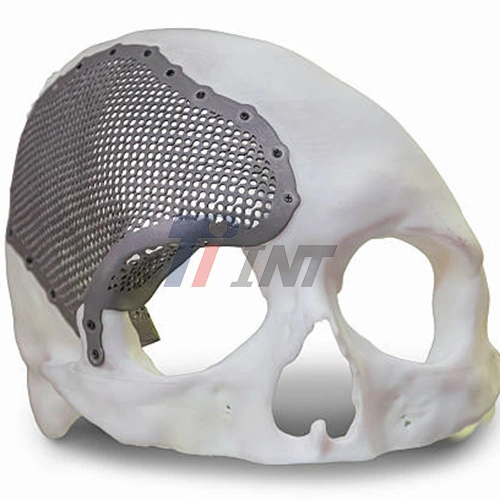
Cranioplasty is a surgical intervention aimed at repairing defects or deformities in the skull. These defects can result from various causes, including trauma, tumor removal, or congenital conditions. The cranioplasty titanium plate serves as a crucial component in this reconstructive procedure, providing structural support and promoting bone healing.
The application of a cranioplasty titanium plate involves carefully shaping and fitting the plate to match the contours of the patient's skull. This process requires precision and expertise, as the plate must seamlessly integrate with the surrounding bone tissue. Surgeons utilize advanced imaging techniques and computer-aided design to ensure optimal placement and fit of the titanium plate.
Advantages of Titanium in Cranioplasty Procedures
Titanium has emerged as the material of choice for cranioplasty plates due to its unique properties. The advantages of using titanium in these procedures include:
- Biocompatibility: Titanium is well-tolerated by the human body, reducing the risk of rejection or adverse reactions.
- Strength and durability: Titanium plates provide robust support while maintaining a lightweight profile.
- Corrosion resistance: This property ensures the longevity of the implant in the biological environment.
- Osseointegration potential: Titanium has the ability to bond with bone tissue, promoting long-term stability.
- Radiolucency: Titanium allows for clear post-operative imaging, facilitating follow-up care.
These characteristics make titanium an ideal material for cranioplasty, offering both immediate structural support and long-term integration with the patient's natural bone tissue.
The Healing Process with Cranioplasty Titanium Plates
The healing process following the implantation of a cranioplasty titanium plate is complex and multifaceted. It involves several stages:
- Initial inflammation: The surgical site experiences a controlled inflammatory response, which initiates the healing cascade.
- Cell recruitment: Osteoblasts and other bone-forming cells are attracted to the implant site.
- Matrix formation: A protein-rich extracellular matrix begins to form around the titanium plate.
- Mineralization: Calcium and phosphate deposits start to accumulate, forming new bone tissue.
- Remodeling: The newly formed bone undergoes continuous remodeling to optimize its structure and function.
Throughout this process, the cranioplasty titanium plate provides a stable scaffold for bone regeneration while gradually integrating with the surrounding tissue.
Bone Fusion and Integration in Cranioplasty Cases
Mechanisms of Bone Fusion with Titanium Plates
The process of bone fusion, or osseointegration, between the cranioplasty titanium plate and the patient's skull is a critical aspect of successful long-term outcomes. This fusion occurs through several mechanisms:
- Surface interaction: The microscopic surface texture of the titanium plate promotes cellular adhesion and bone formation.
- Osteoconductivity: Titanium provides a favorable environment for bone cells to migrate and proliferate.
- Biomechanical stimulation: The slight movements and stresses on the plate encourage bone growth and remodeling.
- Protein adsorption: The titanium surface attracts and binds proteins that facilitate cell attachment and differentiation.
These mechanisms work in concert to create a strong, stable connection between the cranioplasty titanium plate and the surrounding bone tissue.
Factors Influencing Successful Bone Integration
Several factors can impact the success of bone integration with cranioplasty titanium plates:
- Patient factors: Age, overall health, and bone quality can affect healing outcomes.
- Surgical technique: Proper plate placement and fixation are crucial for optimal integration.
- Plate design: Surface treatments and porous structures can enhance osseointegration.
- Post-operative care: Appropriate follow-up and management can support the healing process.
- Biological factors: Growth factors and cell signaling molecules play a role in bone formation.
Understanding and optimizing these factors is essential for cranioplasty titanium plate manufacturers and surgeons alike to ensure the best possible outcomes for patients.
Timeline of Bone Fusion in Cranioplasty Cases
The timeline for bone fusion following cranioplasty with titanium plates can vary depending on individual patient factors and the specific circumstances of the procedure. However, a general timeline can be outlined:
- Weeks 1-2: Initial inflammation and cell recruitment begin.
- Weeks 3-6: Early bone formation is observed around the titanium plate.
- Months 2-3: Significant progress in bone integration is typically seen.
- Months 4-6: Continued bone remodeling and strengthening occur.
- Months 6-12: Long-term stability and integration are usually achieved.
It's important to note that complete bone fusion can take up to a year or more in some cases, and regular follow-up imaging is essential to monitor progress.
Advancements in Cranioplasty Titanium Plate Technology
Innovations in Plate Design and Manufacturing
The field of cranioplasty titanium plate technology is rapidly evolving, with ongoing innovations aimed at improving patient outcomes. Some of the recent advancements include:
- 3D printing: Custom-designed plates can be fabricated to match patient-specific anatomy precisely.
- Nanostructured surfaces: Engineered surface textures at the nanoscale can enhance cell adhesion and bone formation.
- Bioactive coatings: Specialized coatings can be applied to titanium plates to promote faster and stronger bone integration.
- Hybrid materials: Combinations of titanium with other biocompatible materials are being explored to optimize plate properties.
- Smart implants: Integration of sensors and other technologies to monitor healing progress is an emerging area of research.
These innovations are pushing the boundaries of what's possible in cranioplasty procedures, offering new hope for improved outcomes and patient quality of life.
Research on Enhancing Bone Fusion with Titanium Plates
Ongoing research is focused on enhancing the bone fusion process with cranioplasty titanium plates. Key areas of investigation include:
- Growth factor delivery: Incorporating bone morphogenetic proteins (BMPs) and other growth factors into plate designs to stimulate bone formation.
- Stem cell therapies: Exploring the use of mesenchymal stem cells in conjunction with titanium plates to accelerate healing.
- Biomimetic approaches: Developing plate surfaces that more closely mimic natural bone structure and composition.
- Antibiotic integration: Investigating methods to incorporate antimicrobial properties into titanium plates to reduce infection risk.
- Mechanical optimization: Fine-tuning the mechanical properties of plates to better match those of natural bone tissue.
These research efforts aim to further improve the success rates and long-term outcomes of cranioplasty procedures using titanium plates.
Future Directions in Cranioplasty Titanium Plate Development
Looking ahead, the future of cranioplasty titanium plate technology holds exciting possibilities:
- Biodegradable components: Development of hybrid plates that combine permanent titanium structures with biodegradable elements to support natural bone regeneration.
- Personalized medicine approaches: Tailoring plate designs and treatments to individual patient genetics and biology.
- Advanced imaging integration: Incorporating augmented reality and real-time imaging for more precise plate placement during surgery.
- Nanotechnology applications: Exploring nanoparticle-based therapies to enhance bone growth and integration.
- Artificial intelligence: Utilizing AI algorithms to optimize plate design and predict healing outcomes.
These future directions promise to further revolutionize the field of cranioplasty, offering hope for even better patient care and outcomes.
Conclusion
Cranioplasty titanium plates have transformed the landscape of skull reconstruction, offering patients improved outcomes and quality of life. The process of bone fusion and integration with these plates is a testament to the remarkable healing capabilities of the human body when combined with advanced medical technology. As research continues and new innovations emerge, we can expect even more sophisticated solutions from cranioplasty titanium plate manufacturers.
For those seeking high-quality cranioplasty titanium plates or looking to stay informed about the latest advancements in this field, we encourage you to reach out to reputable manufacturers and medical professionals. To learn more about cutting-edge titanium products for medical applications, please contact us at export@tiint.com.
FAQs
How long does it take for a cranioplasty titanium plate to fully integrate with the skull?
Full integration typically takes 6-12 months, but can vary based on individual factors.
Are titanium plates safe for long-term implantation in the skull?
Yes, titanium is highly biocompatible and safe for long-term use in cranioplasty procedures.
Can titanium plates cause allergic reactions?
Allergic reactions to titanium are extremely rare, making it an ideal material for medical implants.
How do surgeons ensure the proper fit of a cranioplasty titanium plate?
Advanced imaging and 3D printing technologies allow for precise, custom-fitted plates.
References
1. Shah, A. M., Jung, H., & Skirboll, S. (2014). Materials used in cranioplasty: a history and analysis. Neurosurgical Focus, 36(4), E19.
2. Zanotti, B., Zingaretti, N., Verlicchi, A., Robiony, M., Alfieri, A., & Parodi, P. C. (2016). Cranioplasty: Review of Materials. Journal of Craniofacial Surgery, 27(8), 2061-2072.
3. Neligan, P. C. (2013). Plastic Surgery E-Book: Volume 3: Craniofacial, Head and Neck Surgery and Pediatric Plastic Surgery. Elsevier Health Sciences.
4. Cabraja, M., Klein, M., & Lehmann, T. N. (2009). Long-term results following titanium cranioplasty of large skull defects. Neurosurgical Focus, 26(6), E10.
5. Williams, L. R., Fan, K. F., & Bentley, R. P. (2016). Custom-made titanium cranioplasty: early and late complications of 151 cranioplasties and review of the literature. International Journal of Oral and Maxillofacial Surgery, 45(9), 1107-1114.
_1755061331871.png)
_1752817116199.webp)
_1752462620877.webp)