


 2026-01-07 09:13:54


The Science Behind Sternum Titanium Plates
Composition and Material Properties
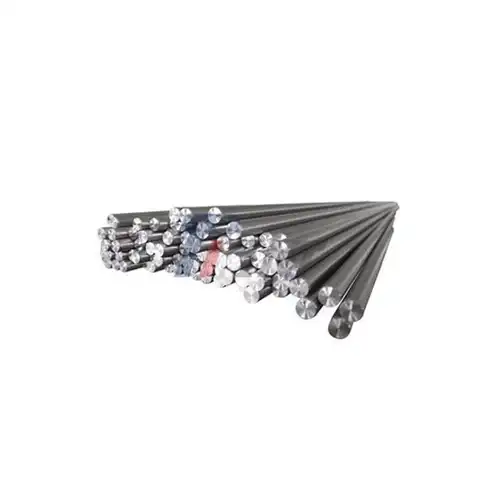
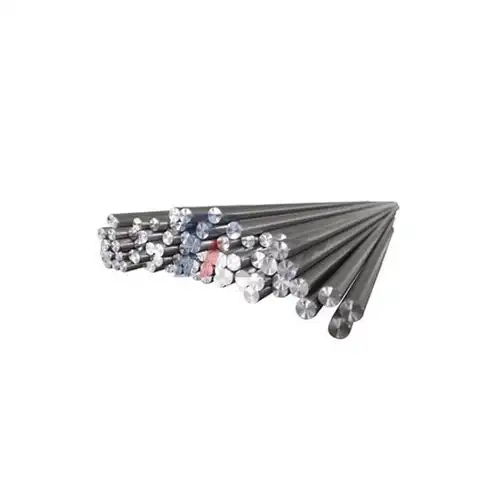
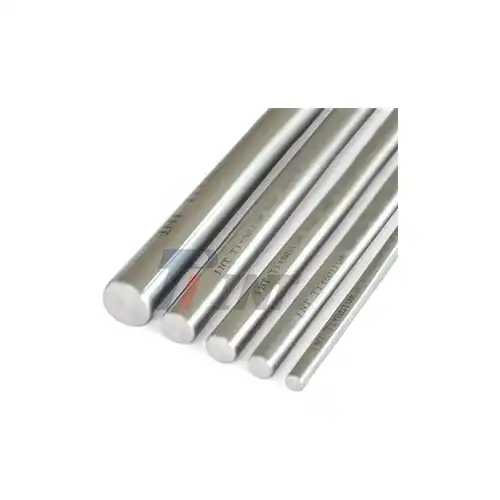
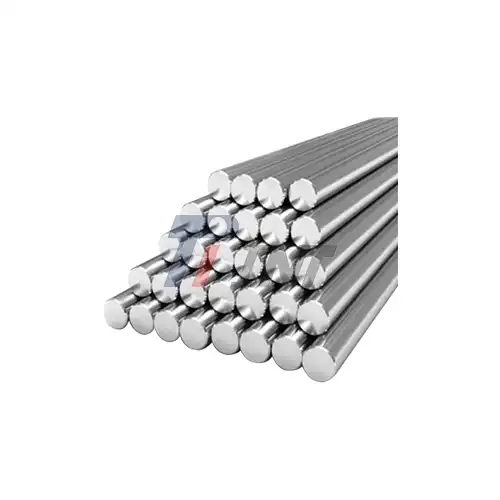
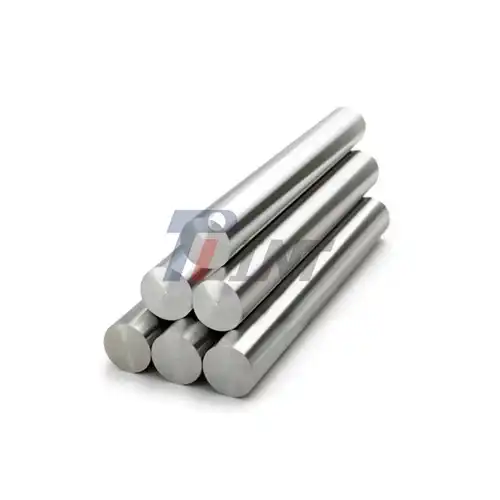
Sternum titanium plates are primarily composed of medical-grade titanium alloys, with Ti-6Al-4V ELI (Extra Low Interstitial) being a popular choice. This alloy combines titanium with small amounts of aluminum and vanadium, resulting in a material that boasts an impressive strength-to-weight ratio. The "ELI" designation indicates a lower content of interstitial elements like oxygen, nitrogen, and carbon, which further enhances the alloy's ductility and fracture toughness.
The unique properties of titanium make it an ideal material for sternum plates:
- Low density (about 4.5 g/cm³) contributes to its lightweight nature
- High tensile strength (up to 1000 MPa) ensures durability under stress
- Low elastic modulus (110 GPa) allows for flexibility, reducing stress shielding
- Excellent corrosion resistance protects against bodily fluids
Manufacturing Process
The production of sternum titanium plates involves a meticulous process that ensures the highest quality and safety standards. At Baoji INT Medical Titanium Co., Ltd., we employ advanced manufacturing techniques:
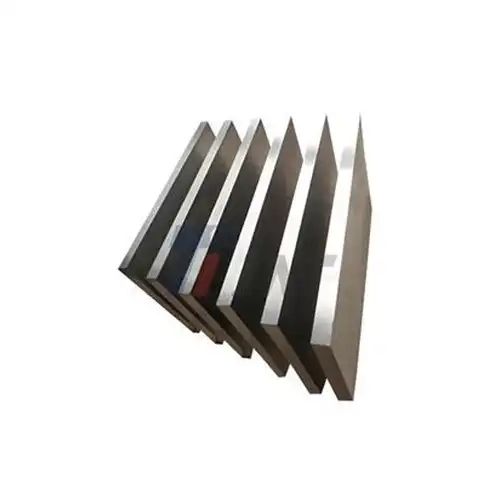
- Hot rolling and forging: Enhances mechanical properties, improving strength and toughness
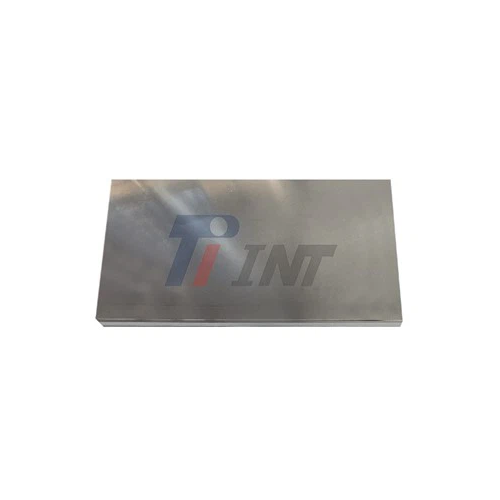
- Precision machining: Creates custom shapes and sizes to suit various surgical needs
- Surface treatment: Polishing or other treatments to optimize biocompatibility
- Ultrasonic testing: Detects any flaws to ensure 100% reliability
- Strict quality control: Adheres to international standards like ISO9001:2015 and ISO13485:2016
These processes result in sternum titanium plates that meet the rigorous demands of thoracic surgeries while providing optimal patient outcomes.
Biocompatibility: The Cornerstone of Sternum Titanium Plates
Understanding Biocompatibility
Biocompatibility refers to the ability of a material to perform its intended function without eliciting any undesirable local or systemic effects in the recipient. In the context of sternum titanium plates, biocompatibility is paramount as these implants are designed for long-term integration with the human body.
The exceptional biocompatibility of titanium stems from several factors:
- Formation of a stable oxide layer: Upon exposure to air or bodily fluids, titanium rapidly forms a thin, protective oxide layer (TiO2) on its surface. This layer acts as a barrier, preventing further corrosion and ion release.
- Low reactivity: Titanium's inert nature minimizes chemical interactions with surrounding tissues, reducing the risk of allergic reactions or inflammatory responses.
- Osseointegration: Titanium has a unique ability to bond directly with bone tissue, a process known as osseointegration. This property promotes faster healing and stronger fixation of the sternum.
Clinical Implications of Biocompatibility
The superior biocompatibility of sternum titanium plates translates into several clinical benefits:
- Reduced risk of rejection: The body's acceptance of titanium minimizes the chances of implant rejection, a critical factor in successful thoracic surgeries.
- Lower infection rates: The inert surface of titanium is less conducive to bacterial colonization, potentially reducing the risk of post-operative infections.
- Enhanced healing: The osseointegration properties of titanium promote faster and more robust healing of the sternum.
- Long-term stability: The corrosion resistance and durability of titanium ensure that the plates maintain their integrity over extended periods, reducing the need for revision surgeries.
These biocompatibility features make sternum titanium plates an invaluable tool in thoracic surgeries, particularly in high-risk patients or complex cases where optimal healing is crucial.
Applications and Advancements in Sternum Titanium Plates
Surgical Applications
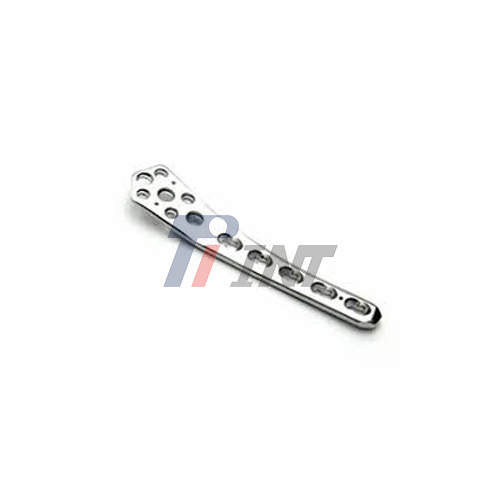
Sternum titanium plates find their primary application in thoracic surgeries, particularly in cases where traditional wire cerclage may not provide sufficient stability. Key applications include:
- Post-sternotomy closure: After open-heart surgeries, sternum titanium plates offer superior stability compared to traditional wire closure methods.
- Sternal reconstruction: In cases of traumatic injury or congenital defects affecting the sternum, these plates provide a robust framework for reconstruction.
- High-risk patient surgeries: For patients with osteoporosis, diabetes, or those undergoing repeat sternotomies, titanium plates offer enhanced stability and reduced risk of complications.
Technological Advancements
The field of sternum titanium plates is continually evolving, with recent advancements focusing on:
- Customized designs: 3D printing technologies allow for the creation of patient-specific plates, optimizing fit and function.
- Surface modifications: Innovations in surface treatments aim to further enhance osseointegration and reduce the risk of infection.
- Bioactive coatings: Research is ongoing into coatings that can promote faster healing or deliver localized antibiotics.
- Composite materials: Exploration of titanium-based composites that could offer improved mechanical properties while maintaining biocompatibility.
These advancements underscore the ongoing commitment to improving patient outcomes and expanding the applications of sternum titanium plates in thoracic surgeries.
Conclusion
Sternum titanium plates represent a significant advancement in thoracic surgery, offering unparalleled biocompatibility, strength, and versatility. Their unique properties make them an invaluable tool for surgeons, particularly in complex cases or high-risk patients. As technology continues to advance, we can expect further innovations in the design and application of these crucial medical devices, potentially revolutionizing thoracic surgeries and improving patient outcomes.
At Baoji INT Medical Titanium Co., Ltd., we remain at the forefront of these developments, continually refining our manufacturing processes and expanding our product range to meet the evolving needs of the medical community. For more information about our sternum titanium plates or to discuss custom solutions for your surgical needs, please contact us at export@tiint.com.
FAQs
Are sternum titanium plates permanent?
Yes, sternum titanium plates are typically designed as permanent implants. However, they can be removed if necessary, such as in cases of infection or the need for re-access to the heart.
How long does it take for the sternum to heal with titanium plates?
Healing time can vary, but generally, patients experience faster recovery with titanium plates compared to traditional wire closure. Most patients see significant improvement within 6-8 weeks.
Can titanium plates cause allergic reactions?
Titanium allergies are extremely rare. The biocompatibility of titanium makes it one of the least likely metals to cause an allergic reaction in the human body.
References
1. Raman, J., Lehmann, S., Zehr, K., De Guzman, B. J., Aklog, L., Garrett, H. E., ... & Schier, R. (2012). Sternal closure with titanium plate fixation—a paradigm shift in preventing mediastinitis. Interactive cardiovascular and thoracic surgery, 15(1), 86-90.
2. Vos, R. J., Van Putte, B. P., & Kloppenburg, G. T. (2018). Prevention of deep sternal wound infection in cardiac surgery: a literature review. Journal of Hospital Infection, 100(4), 411-420.
3. Aghalar, A., & Menon, V. (2019). Titanium: Properties and Applications in Dentistry and Medicine. In Materials Science and Engineering: Concepts, Methodologies, Tools, and Applications (pp. 1009-1027). IGI Global.
4. ISO 13485:2016. Medical devices — Quality management systems — Requirements for regulatory purposes. International Organization for Standardization.
_1750668472070.webp)
_1749191822714.webp)