


 2025-12-22 09:14:00
The Composition and Chemical Properties of Medical Titanium Plates
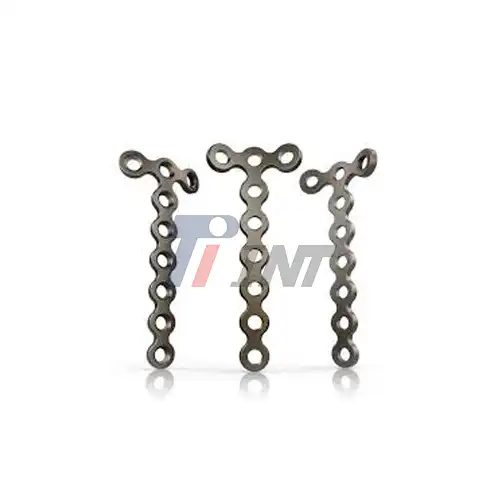
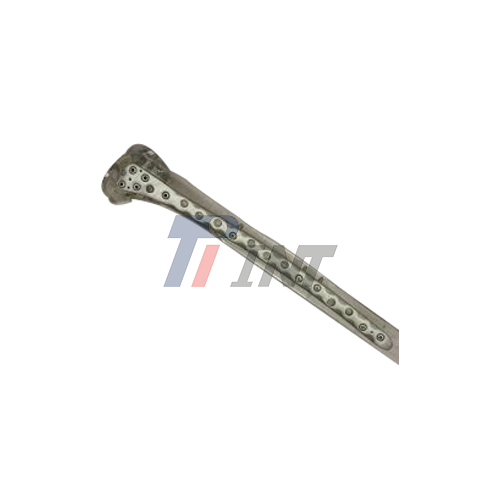
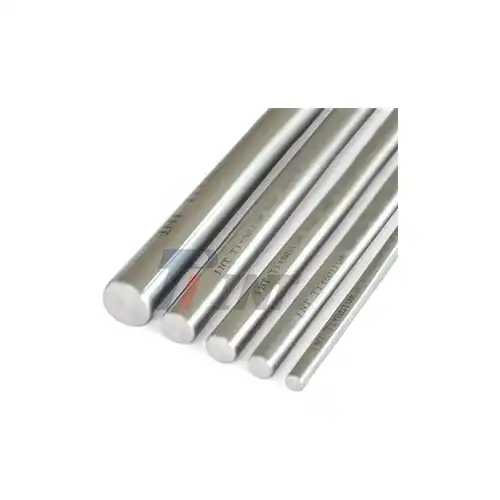
Medical titanium plates are crafted from high-quality titanium alloys, specifically designed for biomedical applications. The most commonly used alloys for these plates are pure titanium, Ti6Al4V, and Ti6Al4V ELI (Extra Low Interstitial). Each of these materials offers unique benefits for bone repair and reconstruction.
Pure Titanium: The Biocompatible Base
Pure titanium is renowned for its excellent biocompatibility. When used in medical titanium plates, it ensures minimal risk of adverse reactions within the human body. The material's atomic structure allows it to form a stable oxide layer on its surface, which contributes to its corrosion resistance and compatibility with living tissues.
Ti6Al4V: The Strength Enhancer
Ti6Al4V is an alpha-beta titanium alloy that combines titanium with 6% aluminum and 4% vanadium. This composition significantly enhances the strength and durability of medical titanium plates without compromising biocompatibility. The addition of aluminum increases the alloy's strength-to-weight ratio, while vanadium improves its formability and heat-treatment characteristics.
Ti6Al4V ELI: The Ultra-Pure Option
Ti6Al4V ELI is a refined version of the Ti6Al4V alloy, with reduced levels of interstitial elements such as oxygen, nitrogen, and iron. This "extra low interstitial" composition results in superior ductility and fracture toughness, making it an excellent choice for medical titanium plates used in critical load-bearing applications.
Chemical Stability and Corrosion Resistance
One of the most valuable chemical properties of medical titanium plates is their exceptional corrosion resistance. The spontaneous formation of a stable titanium dioxide (TiO2) layer on the surface provides a protective barrier against the corrosive environment within the human body. This chemical stability ensures the longevity of the implant and minimizes the risk of metal ion release, which could potentially cause adverse reactions in patients.
Mechanical Properties and Performance of Titanium Plates in Bone Repair
The mechanical properties of medical titanium plates play a crucial role in their effectiveness for bone repair. These properties determine how well the plates can support the healing process while withstanding the stresses and strains of daily activities.
Strength-to-Weight Ratio: Balancing Support and Comfort
One of the most remarkable mechanical properties of medical titanium plates is their high strength-to-weight ratio. This characteristic allows for the creation of plates that are strong enough to support fractured bones yet light enough to minimize discomfort for the patient. The lightweight nature of titanium plates reduces the burden on surrounding tissues and helps maintain normal biomechanics.
Elasticity and Flexibility: Mimicking Natural Bone
Titanium alloys used in medical plates exhibit an elastic modulus closer to that of human bone compared to other metallic implant materials. This property, known as elastic compatibility, helps distribute stress more evenly between the implant and the bone, reducing the risk of stress shielding and subsequent bone resorption. The flexibility of titanium plates also allows for some degree of micromotion, which can stimulate bone growth and enhance healing.
Fatigue Resistance: Ensuring Long-Term Stability
Medical titanium plates are subjected to cyclic loading during normal body movements. The exceptional fatigue resistance of titanium alloys ensures that these plates can withstand repeated stress without failure. This property is crucial for maintaining the stability of the bone repair over an extended period, particularly in load-bearing areas of the skeleton.
Customizability and Workability
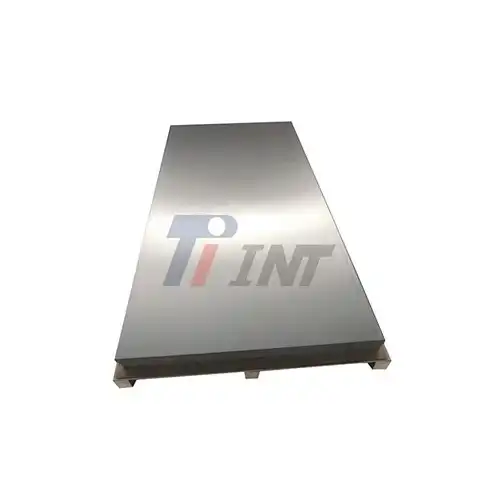
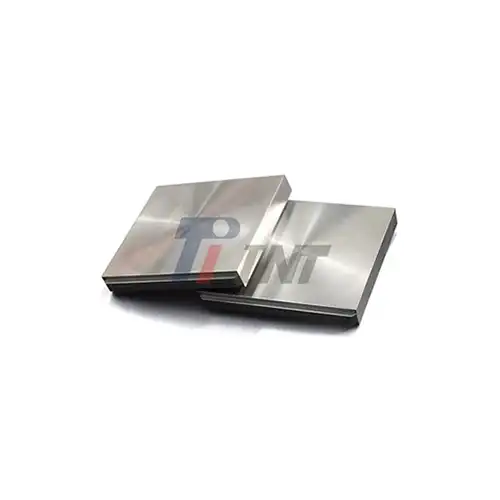
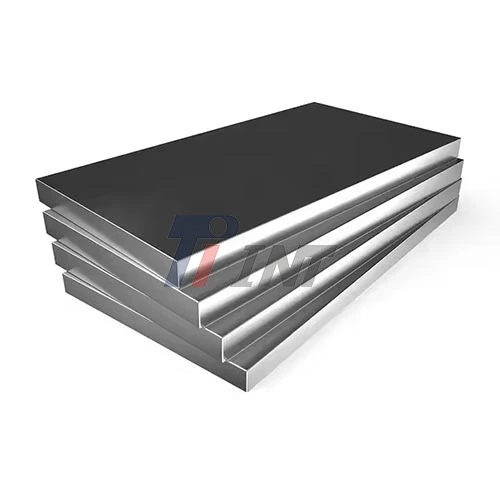
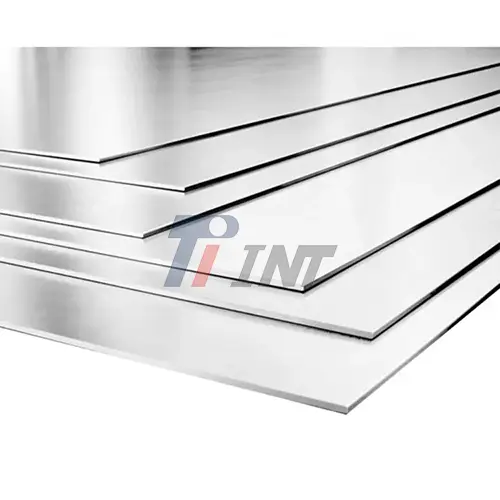
The mechanical properties of titanium allow for high customizability in medical plate design. Manufacturers can produce plates with thicknesses ranging from 0.5mm to 100mm and widths up to 1000mm. This versatility enables surgeons to select or request plates that precisely match the anatomical requirements of individual patients, optimizing the fit and function of the implant.
Surface Treatments and Finishing Techniques for Enhanced Performance
The surface characteristics of medical titanium plates significantly influence their performance in bone repair. Various surface treatments and finishing techniques are employed to optimize the plates' functionality and biocompatibility.
Polishing: Achieving Smooth Surfaces
Polishing is a crucial surface treatment for medical titanium plates. A smooth, polished surface reduces the risk of bacterial adhesion and biofilm formation, which are potential causes of implant-associated infections. Additionally, polished surfaces minimize friction between the plate and surrounding soft tissues, reducing the likelihood of irritation or inflammation.
Acid-Cleaning: Enhancing Biocompatibility
Acid-cleaning is another essential surface treatment for medical titanium plates. This process removes surface contaminants and creates a clean, uniform oxide layer. The resulting surface enhances the plate's biocompatibility and promotes better osseointegration – the direct structural and functional connection between living bone tissue and the implant surface.
Surface Texturing: Promoting Bone Integration
Some medical titanium plates undergo surface texturing processes to create micro- or nano-scale features on their surface. These textured surfaces can enhance bone cell adhesion, proliferation, and differentiation, leading to improved osseointegration and faster healing. Techniques such as sandblasting, acid-etching, or laser surface modification can be used to achieve these beneficial surface characteristics.
Coatings: Adding Functionality
In some cases, medical titanium plates may be coated with bioactive materials to enhance their performance. For example, hydroxyapatite coatings can improve the plate's ability to bond with bone tissue. Alternatively, antimicrobial coatings may be applied to reduce the risk of post-operative infections. These coatings must be carefully selected and applied to maintain the underlying benefits of the titanium substrate.
Conclusion
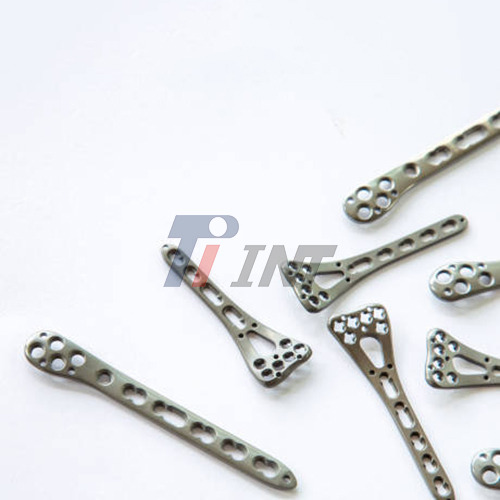
The chemical and mechanical properties of titanium plates for bone repair make them an invaluable tool in modern orthopedic surgery. Their biocompatibility, strength, corrosion resistance, and customizability contribute to improved patient outcomes and long-term implant success. As research in materials science and bioengineering continues to advance, we can expect further refinements in the design and functionality of medical titanium plates, pushing the boundaries of what's possible in bone repair and reconstruction.
For more information about our high-quality medical titanium products, including customized plates for various surgical applications, please contact us at export@tiint.com. Our team of experts is ready to assist you in finding the perfect titanium solution for your medical needs.
_1750664157440.webp)
_1750210463958.webp)