


Top-rated milled titanium dental bars for prosthetics


 2026-05-09 14:50:58
When looking for parts for high-tech dental prosthesis, milled titanium bar dental options are the best when it comes to precisely made implant substructures. Modern CAD/CAM technology is used to make these custom frames out of medical-grade titanium alloys. This gives them a passive fit accuracy that can't be matched by standard casting methods. These bars are made to get rid of the geometric flaws and material gaps that shorten the life of implants. They are perfect for screw-retained full-arch restorations, overdenture attachments, and fixed hybrid dentures. As purchasing managers and research and development experts look at what suppliers can do, it's important to know about the technical benefits and safety standards of milled titanium parts in order to improve product performance and patient results.
|
|
|


Understanding Milled Titanium Dental Bars: Properties and Benefits
Titanium has been used in implant surgery for many years and has a reputation for being of high quality. Titanium is naturally biocompatible, which means that the body can use it without any problems. This makes it perfect for lasting implants. Titanium doesn't react with sensitive people like stainless steel or cobalt-chromium options do. Instead, it forms a strong, long-lasting bond with bone tissue through osseointegration processes.
Why Milling Technology Matters in Dental Manufacturing?
Through subtractive manufacturing processes, computer-aided milling turns solid blocks of titanium into exact frames for prosthetics. This method has clear benefits over standard lost-wax casting methods. Milled parts keep the same material density throughout the structure, so they don't have the problems with porosity and shrinking that happen with cast bars. The end result is a uniform metal structure that can withstand high chewing forces without microfractures or wear breakdowns.
Advanced 5-axis CNC machines can make errors as small as 10 microns, which makes sure that the prosthesis bar and implant abutments fit together passively. When working with multiple implants put at different angles, this accuracy is especially helpful because even small differences in size can cause stress concentration spots. When there is passive fit, there is less bone loss, less screw loosening, and the repair lasts longer.
Material Properties That Drive Clinical Success
Most tooth bars are made of Grade 5 titanium alloy (Ti-6Al-4V) or Grade 23 titanium alloy (Ti-6Al-4V ELI). Because Grade 5 is made up of 6% aluminum and 4% vanadium, it has a great tensile strength of over 900 MPa and a good strength-to-weight ratio. The aluminum part keeps the alpha phase stable and lowers the mass of the material. The vanadium part makes the beta phase more stable, which improves the dynamic properties.
Grade 23, which is sometimes called the "extra low interstitial" version, goes through more cleaning to lower the amount of oxygen, nitrogen, and iron in it. This improvement makes it more flexible and less likely to break, which makes it perfect for thin-profile designs that need high bending strength. Both types are very resistant to corrosion in the mouth, keeping their shape even when they are exposed to drool, bacterial biofilms, and changes in pH.
Precision cutting creates a smooth surface finish that helps soft tissue adapt to the edges of prosthetics. Surface hardness levels are usually less than Ra 0.4 μm, which limits places where bacteria can stick and lowers the risk of peri-implant inflammation. This smoothness also makes upkeep easier, since hygienists can clean milled bars well without scratching the titanium surface or damaging the tool tips.
Comparing Titanium Dental Bars with Alternative Materials
The choice of material has a big effect on how well dental prosthetics work in the mouth, how quickly they can be made, and how much money they can make. There are many choices on the market, and each one has its own pros and cons that buying teams must weigh against the needs of each individual application. Milled titanium bar dental is a popular choice due to its excellent strength, biocompatibility, and ease of customization, making it ideal for creating durable and precise dental prosthetics.
Titanium Versus Zirconia Frameworks
Zirconia has become popular as an all-ceramic option that looks better in the front of the mouth. A common problem with titanium fillings is that they show gray under clear gum tissue. The white color gets rid of this problem. Zirconia is brittle, which is a problem for bar designs that need thin cross-sections or complicated connection shapes. The fact that the material can break down at low temperatures and change phases when under stress makes me worry about its long-term dependability in load-bearing uses.
Titanium bars are very hard to break, so they can take a lot of force without breaking completely. This toughness is very helpful for people with bruxism or cases involving extended extensions. The material's modulus of flexibility is more like real bone than zirconia's, which is more stiff. This could lessen the stress shielding effects that cause bone loss.
Cast Titanium and Stainless Steel Alternatives
Some labs still use an older way of making things called traditional cast titanium bars. Casting adds unavoidable factors, such as cooling shrinkage, oxide inclusions, and porosity, that make it harder to get a good fit. As a result, the frames often need a lot of chairside adjustments, which can add stress points and raise labor costs. Through digital process accuracy, milled bars get rid of these variables, which cuts down on remakes and adjustment appointments.
Stainless steel is cheaper than titanium, but it doesn't have the same biocompatibility profile. Some stainless steel formulations contain nickel, which can cause allergies, and in the mouth, rust protection is lower. Cobalt-chromium alloys have good mechanical qualities, but they also have biocompatibility issues and a higher material density that patients may feel makes them heavier and less comfy.
Economic Considerations in Material Selection
Even though titanium parts are more expensive, the overall cost of ownership is better. Higher original material costs are balanced out by shorter change times, lower remake rates, and longer service lives. When labs move from cast to milled processes, technician hours drop by 40 to 60 percent. For companies that make a lot of products, this increase in speed directly boosts their profit margins while keeping prices low.
Selecting the Best Milled Titanium Dental Bars for Your Business Needs
It's not just the specs of the materials that are bought; the skills of the suppliers, their ability to make the goods, and compliance with regulations are also taken into account. B2B buyers need to look at a lot of things to make sure that the relationship will work and that the product will be reliable.
Critical Certification Requirements
To make sure patients are safe and products are always the same, medical-grade titanium production is governed by international standards. Getting ISO 13485:2016 certification shows that a provider is dedicated to quality control systems that are specific to making medical devices. For pharmaceutical-grade production, this standard needs strict rules for paperwork, process validation, and tracking.
ISO 9001:2015 is the basic standard for quality, and FDA approval (for US markets) and CE marking (for European markets) make sure that the product meets the rules in those markets. The ASTM F136 and ASTM F1472 standards say what materials for medical implants must have in terms of chemical makeup and mechanical properties. For each package, suppliers should include material certificates that list the lot's composition, tensile strength, yield strength, and elongation numbers. Milled titanium bar dental applications, for example, require these certifications to ensure high-quality and consistent results for dental implants.
Evaluating Supplier Manufacturing Capabilities
How complex the grinding equipment is has a direct effect on the quality of the product and how much it can make. To make modern dental bars, you need multi-axis CNC tools that can interpolate across 5 axes at the same time. This lets you make undercut shapes that are very complicated and smooth surface changes. Professional machine shops have features like tool control systems, coolant filters, and the ability to measure work in progress that set them apart from basic machine shops.
When processes are scaled up, production volume ability is important. Suppliers should show that they can handle both small batches for prototypes and large production runs without affecting lead times. Ask them about how they integrate their digital process, including the CAD file formats that work with each other, the nesting optimization tools, and the quality control scanning methods. Advanced makers use coordinate measuring machines (CMM) or optical scanners to check the accuracy of the dimensions against the CAD specs. They include inspection records with every delivery.
Customization and Design Support Services
Strategic providers are different from commodity vendors because they can work together on unique designs. Technical support teams should know how to build prosthetics and be able to give advice on how to optimize wall thickness, attachment placement, and load distribution. Some companies have dentistry techs working for them who can look over case designs and offer changes that make them easier to make without affecting the clinical goals.
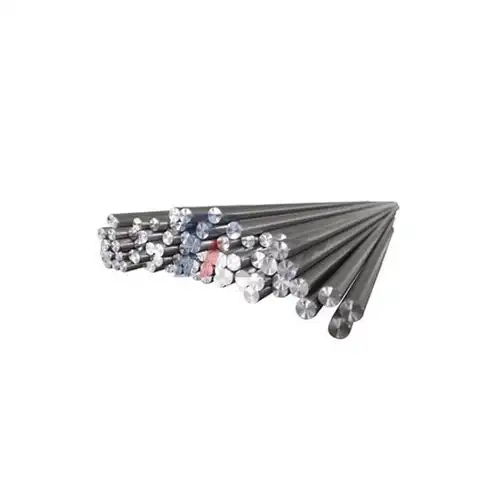
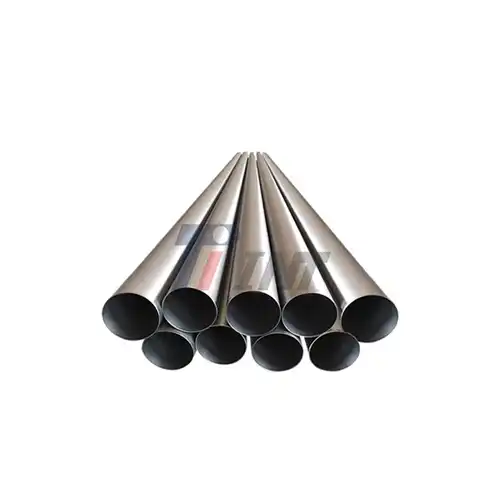
The fact that materials come in different shapes and sizes, like bars, plates, wires, and powders, makes it possible to get everything from a single source. This makes quality control easier, cuts down on administrative costs, and often opens volume price benefits. Different case needs can be met by customizable sizes that range from single-unit abutments to full-arch frames that are 40 mm or longer.
Procurement Strategies for Milled Titanium Dental Bars in B2B Markets
To strategically source medical titanium parts, you need to find a balance between quality control, cost management, and the dependability of the supply chain. People who work in procurement need to build ties with suppliers that support both current production needs and plans for future growth. For example, sourcing milled titanium bar dental from reliable suppliers ensures that dental implants meet both performance standards and long-term durability requirements.
Supplier Qualification and Audit Procedures
Setting up new relationships with suppliers starts with thorough screening steps. Ask for tours of the location, either virtually or in person, to get a feel for the work setting, how equipment is maintained, and the quality control systems in place. Check out how the raw materials are gotten—reliable sellers get titanium ingots from approved mills that have established paperwork for tracking.
Sample testing makes sure that the features of the material and the quality of the making are correct before placing a production order. Send sample milling designs for example bar designs, then check the dimensions, measure the surface roughness, and do a metallurgical analysis. Testing labs that are not connected to the company can give a neutral opinion on the mechanical qualities, chemical makeup, and biocompatibility features.
Negotiating Terms for Volume Procurement
Bulk purchasing deals save a lot of money and make sure there is enough supply during times of high demand. When negotiating contracts, you might want to use tiered price systems that reward promises to buy a lot of something while still allowing for changes in demand. Annual contracts with projecting clauses every three months let sellers make the best use of production schedules and protect buyers from price changes on the spot market.
Lead time standards must match the needs of manufacturing with the goals of inventory management. Custom-milled bars usually take 10 to 15 business days to ship from the time the design is approved, but faster services may be available for an extra fee. Figuring out the supplier's production schedule—like whether they batch similar jobs or keep the production line moving—can help you guess how much capacity they'll have during busy times.
Logistics and Quality Assurance in International Trade
When you buy things from around the world, you have to follow more rules about borders, shipping safety, and quality inspections. Medical equipment must be shipped internationally in a way that doesn't damage the surface during transport. Make sure that sellers use the right protected materials, like individual plastic sleeves, foam inserts, and rigid outer cases, to keep the purity of the products.
Set clear criteria for accepting packages and clear ways to check them. Checking the sizes of sample units, looking for flaws on the surface, and going over the paperwork all make sure that the quality is always the same. Keep lines of contact open with the quality teams of your suppliers so that problems can be dealt with quickly and fixes can be made when needed.
Application and Future Prospects of Milled Titanium Bars in Dental Prosthetics
As digital dentistry processes get better and implant methods get better, precision-milled titanium frameworks will be used in more and more clinical situations. Knowing the latest innovations and best practices helps buying teams predict how the market will change and carefully place their product portfolios.
Current Clinical Applications and Case Studies
Milled titanium bars are a big part of the structure for immediate-load methods in All-on-4 and All-on-6 treatment ideas. Patients who don't have any teeth can get set prosthetics within 24 to 48 hours of getting implants. This makes treatment much faster than with traditional methods. In these situations, the passive fit that digital milling provides is very important because instant loading makes the effects of framework warping worse.
For overdenture uses, milled titanium bar dental with precisely milled connection housings for Hader clips or finder abutments are used. The precise measurements make sure that the holding force stays the same and that the entry paths are smooth, so patients can handle things on their own. Unlike cast bars that need to have the clip tightness adjusted at the chairside, milled options give consistent attachment performance from the start.
Milling accuracy is helpful for designing hybrid prosthetics with titanium substructures and plastic or composite superstructures. The metal framework gives the structure strength and keeps the screws in place, while the top material lets you shape it to your body and give it a unique look. Milled bars can have windows or holes strategically placed to improve mechanical fitting with top materials. This makes the bonding more reliable over time.
Emerging Technologies and Material Innovations
Additive production (3D printing) of titanium dental parts is a related growth path that is starting to catch on in the business world. Using selective laser melting and electron beam melting, you can make shapes that are too complicated to make with subtractive milling. However, milling is currently better for precision-critical tasks because of its better surface finish and higher level of dimensional accuracy. Many labs use both technologies together, printing to a near-net form and then finish-milling the most important areas.
The goal of surface change methods is to speed up and improve the strength of osseointegration. Acid-etching makes tiny bumps in the surface that help proteins stick to it and osteoblasts connect. Anodization creates layers of titanium oxide that can be managed in thickness and crystal structure. These layers may also contain medicinal elements like calcium or phosphorus. By making the biological contact better, these techniques improve the mechanical properties of milled bars.
Nanotechnology uses study surface texture at sizes smaller than 100 nanometers to make structures that look like bones. Early study shows that nano-modified titanium surfaces help the body heal faster and make more bone contact with implants. As these technologies get better, procurement specs might change to include rules for surface treatment along with material and size standards.
Market Trends Shaping Future Procurement
Digital workflow usage is still going strong, with advanced labs and hospitals using CAD-based prosthetic design and intraoral scanning as normal procedures. This change is in favor of cut parts that work well with digital data chains. In this changing environment, suppliers who offer automated quoting systems, digital delivery proof, and direct CAD file upload are in a good situation.
As healthcare groups try to be more environmentally responsible, sustainability issues become more important when deciding what to buy. Titanium can be recycled, which is a benefit over composite materials that will end up in dumps. Milling processes make titanium chips that can be recycled and remelted. This reduces the amount of material that needs to be thrown away compared to added processes, which make it hard to get rid of leftover powder.
Medical device tracking is getting more attention from regulators around the world, and standards for serialization and Unique Device Identification (UDI) are growing. Suppliers who are ahead of the curve use lot tracking systems to connect finished goods to certifications for raw materials, production factors, and quality check results. This ability to provide evidence will help qualified sellers stand out from those who can't keep up with changing compliance standards.
Conclusion
Milled titanium bar dental frames are an important part of modern artificial dentistry because they are precise, biocompatible, and mechanically reliable in a way that other materials or manufacturing methods can't match. When medical-grade titanium metals and advanced CAD/CAM technology come together, they create passive-fit accuracy that is necessary for long-term implant success. When procurement professionals look at supplier relationships, they should give more weight to makers with thorough certifications, strong quality systems, and technical support options.
This way, they can make sure that customers can get parts that meet strict clinical requirements. As digital processes, surface improvement technologies, and environmentally friendly practices continue to grow, they will change the way people buy things. Buyers who build relationships with new, legal suppliers will be rewarded with suppliers who are ready for future market needs.
FAQ
Q1: What makes milled titanium bars superior to cast alternatives?
A: Milling creates uniform structures out of materials that don't have the porosity, shrinking, and oxide spots that come with casting. This leads to better accuracy in measurements, allowing for passive fit without a lot of chairside change. The even density of polished bars makes them more resistant to wear and gets rid of weak spots that could affect their long-term dependability. Digital milling processes also cut down on human mistake, which can lower the quality of cast parts.
Q2: Which titanium grade is recommended for dental prosthetics?
A: Grade 23 (Ti-6Al-4V ELI) is the best choice for most dentistry uses because it has a polished makeup with fewer interstitial elements. This extra-low-interstitial version is more flexible and less likely to break than normal Grade 5. It is especially useful for thin-profile designs. Both types are biocompatible and resistant to corrosion. The choice of material is usually based on the technical needs and shape of the design.
Q3: How do standards for approval affect choosing a supplier?
A: ISO 13485:2016 certification shows that a supplier is committed to medical device quality control guidelines. ISO 9001:2015 certification gives basic quality guarantee. CE marking proves that the product meets European safety standards, and FDA registration lets the product reach US markets. These certifications make sure that strict process controls, material traceability, and paperwork standards are met. These are necessary to make sure that finished dentistry products with titanium parts are safe for patients and approved by regulators.
Partner with Baoji INT Medical Titanium Co., Ltd. for Your Milled Titanium Bar Dental Needs
You can trust Baoji INT Medical Titanium Co., Ltd. as your milled titanium bar dental provider. They have been making medical-grade titanium products for over 20 years. Our factories are ISO 9001:2015, ISO 13485:2016, and EU CE approved, and they use cutting edge 5-axis CNC milling technology to make dental bars from Grade 5 and Grade 23 titanium metals. We offer full expert support throughout the whole buying process, from helping you choose the right materials to special processing services made just for your prosthetic needs.
We have strict quality control that makes sure every part meets the greatest standards in the industry for biocompatibility, mechanical features, and accuracy of measurements. Our stable supply chain and flexible manufacturing skills ensure on-time delivery to support your production schedules, whether you need small numbers for prototypes or large production runs. Get in touch with our engineering team at export@tiint.com to talk about your project needs, ask for material certifications, or set up sample testing that shows how well we can make things and makes us your ideal partner for buying dental titanium.
References
1. Elias, C.N., Lima, J.H.C., Valiev, R., and Meyers, M.A. (2008). "Biomedical Applications of Titanium and its Alloys." Journal of the Minerals, Metals and Materials Society, 60(3), 46-49.
2. Geetha, M., Singh, A.K., Asokamani, R., and Gogia, A.K. (2009). "Ti-Based Biomaterials: The Ultimate Choice for Orthopedic Implants – A Review." Progress in Materials Science, 54(3), 397-425.
3. Niinomi, M. (2008). "Mechanical Biocompatibilities of Titanium Alloys for Biomedical Applications." Journal of the Mechanical Behavior of Biomedical Materials, 1(1), 30-42.
4. Osman, R.B. and Swain, M.V. (2015). "A Critical Review of Dental Implant Materials with an Emphasis on Titanium versus Zirconia." Materials, 8(3), 932-958.
5. Sidambe, A.T. (2014). "Biocompatibility of Advanced Manufactured Titanium Implants—A Review." Materials, 7(12), 8168-8188.
6. Van Noort, R. (2012). "The Future of Dental Devices is Digital." Dental Materials, 28(1), 3-12.