


Top-rated titanium plates used in cardiac surgery


 2026-05-08 09:46:57
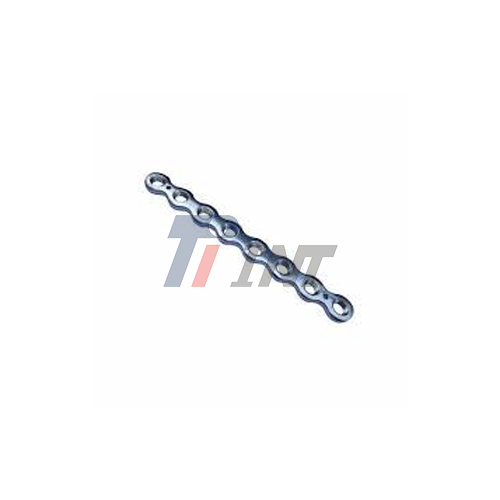
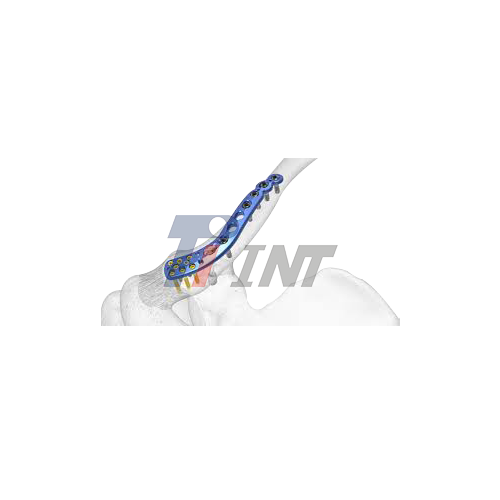
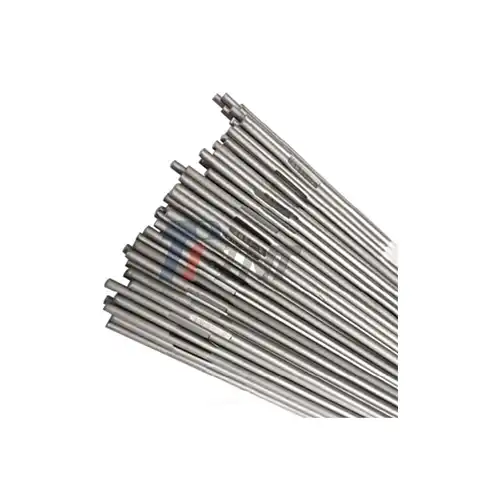
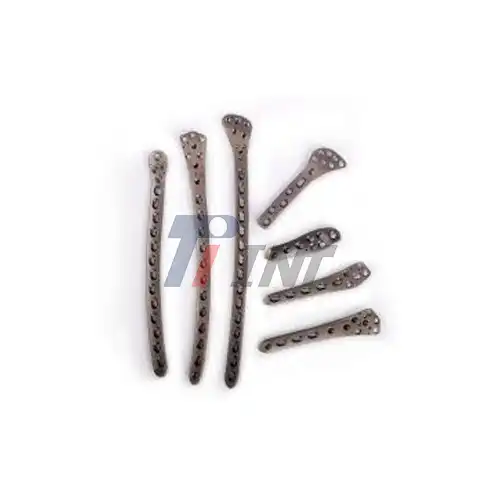
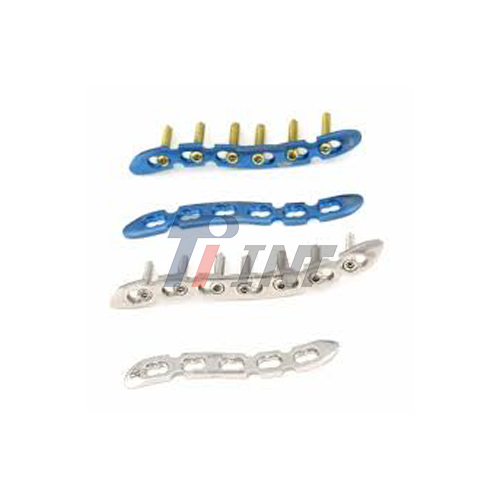
This titanium plate for open heart surgery is a big step forward from the old wire closing methods for sternal fixing in open heart surgery. These specialized medical devices use advanced screw-and-plate mechanisms to properly spread mechanical loads across bone structures and keep the sternum stable after a median sternotomy. Instead of traditional stainless steel wires, which can damage tissue by concentrating pressure, modern titanium sternal plates lower problems like dehiscence, infection, and not-union, especially in patients who are at a high risk because of diabetes, obesity, or osteoporosis.
|
|
|
Understanding Titanium Plates in Cardiac Surgery
The Clinical Foundation of Sternal Plating
Sternal stabilization is an important part of successful heart surgery. During open heart surgeries, doctors cut the sternum in a controlled way to get to the heart through a middle sternotomy. Closing and stabilizing this bone structure correctly has a direct effect on how fast it heals, how often infections happen, and how mobile the patient can be while they are recovering.Titanium sternal plates solve some of the most important problems with standard wire cerclage. In high-risk groups, research released in journals for heart surgery shows that stiff plate fixation lowers sternal complications by 40–60% compared to wire-only closure. Medical-grade titanium alloys, especially Ti6Al4V ELI (Extra Low Interstitial), are biocompatible, which means they don't cause inflammation and help osseointegration, the process by which bone cells come into touch with the implant surface.
Material Science Behind Performance
Titanium works very well in heart uses because of certain properties of the material. Medical-grade titanium has a Young's modulus of about 110 GPa, which is lower than stainless steel's 200 GPa and higher than the Young's modulus of human bone (10–30 GPa). This mechanical similarity lowers stress buffering, a problem that happens when implants are too stiff and stop the bone from rebuilding naturally.Another important benefit is that it doesn't corrode. Titanium makes a stable oxide layer on its own when it comes into contact with oxygen. This layer protects the metal from electrochemical breakdown in the chloride-rich environment of human flesh. If this inactive layer gets scratched, it heals itself right away. This keeps the material stable over time without letting out metallic ions that could cause bad effects.
Evolution and Clinical Validation
In the 1990s, surgeons started to realize that wire closure wasn't always the best option for complicated patient groups. This led to the creation of sternal plating methods. Early research from the Texas Heart Institute showed that stiff fixing methods decreased the number of dehiscences and made patients more comfortable. Multiple-center trials supported safety profiles and showed measurable changes in quality of life measures, which sped up the process of going into clinical use. Modern sternal plates use new design ideas like anatomically shaped profiles, screw paths with flexible angles, and modular setups that can fit a range of sternal shapes. These improvements are the result of ongoing work between orthopedic engineers, heart doctors, and materials scientists to improve both the mechanical performance and the compatibility of surgery techniques, particularly with titanium plate for open heart surgery.
Comparing Titanium Plates to Alternative Implant Materials
Stainless Steel: The Traditional Standard
Stainless steel has been used in heart operations for many years, mostly in wire cerclage systems. Even though it's cheaper and surgeons are used to working with it, stainless steel has some problems when compared to titanium options. The higher elastic stiffness of the material makes stress points that can cause wires to move or tissue to be cut, especially in bone that isn't working well. Also, some types of stainless steel contain nickel, which is a carcinogen that affects about 10–15 percent of the population.From the point of view of purchasing, stainless steel implants may at first seem like a good deal. A full cost study, on the other hand, needs to take into account the rates of revision surgery, the longer hospital stays that come with problems, and the possibility of liability issues. Studies in healthcare economics show that titanium plate systems are more cost-effective when looking at the whole care event instead of just the price of the implant.
Polymer and Ceramic Alternatives
New study on biomaterials has looked at sternal fixation solutions made of polymer composites and ceramics. In theory, bioabsorbable polymers are better because they get rid of lasting foreign materials. However, the current formulas are not strong enough for main sternal stabilization. Degradation rates don't always match up with bone healing times, which can lead to periods when the bone doesn't have enough support.Ceramic materials are biocompatible and have good compressive strength, but they break easily when put under tension and bending loads that are typical in thoracic biomechanics. In load-bearing cardiac uses, the catastrophic failure mode of ceramics—sudden fracture instead of slow deformation—is too dangerous.
Titanium's Comprehensive Advantage Profile
When we look at material choice through the lens of procurement needs, titanium always gives us the best mix between different goals. The material meets the strict biocompatibility standards set out in ISO 10993 and ASTM F136, which means it is legal in all global markets. Its strength-to-weight ratio lets implant designers make devices that give the right amount of mechanical support without being too big and causing problems with the body's natural structure.Long-term clinical follow-up tests that last 10 to 15 years show that titanium is very stable, with implant retention rates above 98% and few adverse tissue responses. This track record of success means that companies that use titanium in their heart products will have fewer warranty claims, less product risk, and a better image.
Top-Rated Titanium Plates for Cardiac Surgery: Brands and Product Highlights
Quality Certifications and Manufacturing Excellence
There are a number of well-known companies that make sternal plates and have a history of success in making heart devices. Leading providers stand out by having complete quality management systems that are approved to ISO 13485 standards. This shows that the company is dedicated to maintaining product quality and following all regulations.Thorough testing is done on high-quality titanium sternal plates to make sure they are strong, don't wear down easily, and are compatible with the body. Manufacturers who keep their FDA 510(k) clearance or CE marking under the Medical Device Regulation show that they follow safety and performance standards that are based on evidence. These badges help buying workers make sure that product claims are true and make it easier for suppliers to meet qualification requirements.
Design Innovation and Clinical Features
There are a lot of new technologies in modern sternal plate devices that make surgery better and go more quickly. Anatomical shaping matches the natural curve of the sternum, which reduces pressure to soft tissues and improves the look of the breasts. Locking screw devices provide lateral stability that keeps reduction even in osteoporotic bone, which is one of the main ways that traditional methods fail. Some makers make modular plate configurations that doctors can change during surgery to fit different body types or more complicated repairs. This adaptability is especially helpful during revisions where old hardware or strange shape needs flexible solutions. With different thickness choices, the implant shape can be adjusted to fit the patient's size, which is good for both children and people who are overweight, particularly when considering titanium plate for open heart surgery.
Supplier Capabilities for OEM and Bulk Procurement
Companies that make medical devices need to show more than just high-quality products. Long-term partnership success depends a lot on technical support skills like helping with material selection, handling technology questions, and good paperwork. Your compliance checking and auditing processes will go more smoothly if your suppliers give you full traceability paperwork, such as material approvals, processing records, and inspection reports.For OEM makers and high-volume distributors, production capability and supply dependability are very important. Established providers keep a safety stock of standard configurations and offer reasonable lead times for unique setups. Professional sellers are different from opportunistic vendors because they are clear about their production plans and take steps to avoid delays.
How to Choose the Best Titanium Plates for Your Cardiac Surgery Needs
Material Specification Evaluation
Before making a purchase choice, it's important to know exactly what type of material is needed. To be used in medicine, titanium alloy Ti6Al4V ELI (ASTM F136) or commercially pure titanium (Grades 1-4 per ASTM F67) must be used. The ELI name means that the material has less interstitial element concentration, mostly oxygen, nitrogen, and carbon. This makes it more flexible and resistant to fatigue, which are important properties for implant uses.Ask for certificates of the material that list its chemical make-up, mechanical qualities, and grain structure. Suppliers with a good reputation give test records from approved labs that show they meet certain standards. If a seller can't or won't give you full material traceability, be wary. This could mean that they aren't using good sourcing methods or quality control.
Regulatory Compliance Verification
Different legal standards in different global medical device markets have a direct effect on sourcing choices. In order to be sold in the United States, a gadget must be registered with the FDA and given the right classification clearance. Under the Medical Device Regulation, products sold in Europe must have CE marking. Other areas may use ISO standards or their own country's rules.Check not only product certifications but also facility registrations and quality system approvals when you are reviewing providers. Site surveys, whether done by the company itself or by a third-party service, can teach you a lot about how to make things, keep tools in good shape, and train employees. These tests help you figure out how reliable your suppliers are and find quality problems before they affect your supply chain.
Supplier Partnership Considerations
Because making and developing medical devices is so complicated, choosing a seller is more than just comparing prices. It's a strategic choice that affects more than just the bottom line. Check to see how technical possible partners are, how quickly they respond to questions, and how ready they are to help you with your unique application needs. Suppliers with their own research and development departments can help with things like choosing the best materials, the best ways to process them, and making sure the designs can be made.After-sales support terms like guarantee terms, technical solving help, and working together to improve things all the time show that the provider wants the relationship to last. Having access to engineering tools that know about both material science and medical device laws speeds up product development and cuts down on the number of expensive design changes that need to be made.
Procurement Process and Market Insights for Titanium Cardiac Implants
Identifying Qualified Suppliers
The people who make materials, handle them, and make finished medical devices are all part of the medical titanium supply chain. The best sourcing methods depend on where you are in this environment. When companies that make medical devices need raw materials or almost-finished goods, they should work with medical material suppliers who know how strict the needs of healthcare uses are.Industry trade shows like MD&M (Medical Design & Manufacturing) and biomaterials-specific workshops are great places to meet possible providers and make connections. Technical tools and supplier listings can be found through professional groups like ASTM International and the Titanium Information Group. Also, reliable source links are often made through suggestions from engineering coworkers and industry experts.
Pricing Dynamics and Cost Optimization
Titanium prices depend on many things, such as the cost of raw materials, the difficulty of processing, the cost of maintaining a quality system, and changes in market demand. Medical-grade titanium costs more than industrial-grade titanium because it is purer, has to go through more tests, and comes with approval paperwork. Knowing these factors that affect costs helps people who buy things be more realistic when evaluating quotes and spot prices that are too low, which could mean that quality has been compromised.
Price patterns are greatly affected by promises to volume. Suppliers usually offer different prices based on how much you order, and you can get big savings for yearly deals or blanket orders. When discussing the terms of a large purchase, be clear about how much you want to buy, when you'd like it delivered, and what quality standards you have. Clear communication about both sides' needs sets the stage for long-term price that works for everyone.
Emerging Trends in Cardiac Titanium Implants
The market for heart devices is always changing because technology is getting better and nursing practices are changing. Using additive manufacturing (3D printing) to make titanium parts lets doctors make implants with complicated lattice structures and shapes that are specific to each patient. These shapes help bone grow while lowering the size of the implant. While legal routes for additively made implants are still being worked on, procurement teams that are looking to the future should keep an eye on how this technology develops.
Surface modification technologies represent another active research area. Plasma spray coating, anodization, and biochemical functionalization are some of the methods that can improve the rate of osseointegration and the antibacterial qualities of implants. As these new ideas move from study labs to stores, they may have unique performance traits that are worth looking into for the development of next-generation devices, particularly when considering titanium plate for open heart surgery.
Conclusion
To choose the right titanium sternal plates for cardiac surgery, you have to balance the needs for clinical performance, legal compliance, and cost-effective sourcing. Modern sternal fixation devices choose this material because it is biocompatible, has good mechanical qualities, and stays stable over time.Thorough technical review and strategic source partnership development are both important parts of successful procurement strategies. Give more weight to makers that can show they have all the necessary quality certifications, clear paperwork practices, and a real commitment to meeting your application needs. Remember that implant performance directly impacts patient outcomes, making quality and reliability important factors that justify suitable investment.
Market conditions are always changing as new technologies and rules are put in place. By staying on top of new trends, your company can take advantage of better performance while controlling the risks that come with transitioning. Procurement professionals can easily find titanium cardiac implants that meet both short-term operating needs and long-term strategic goals by using the evaluation frameworks and insights given in this guide.
Frequently Asked Questions
Are titanium sternal plates safe for all patient populations?
Titanium that is medical-grade has great safety ratings for a wide range of patients. Clinical tests with tens of thousands of patients show that there aren't many allergic reactions or bad tissue responses. Because the material is biocompatible, it can be used for people who are allergic to metal and can't handle stainless steel devices. Results are affected by things about the patient, like the quality of the bone, any other health problems they may have, and the way the surgery was done, more than the features of the titanium itself. Surgeons look at each patient's risk profile to figure out the best way to fixate the bone. Titanium plating works especially well for high-risk cases.
How do titanium plate costs compare to stainless steel alternatives?
Titanium sternal plates usually cost 200–400% more than stainless steel wire systems at the start of the transplant process. A full economic study, on the other hand, needs to look at the total costs of the event, which should include the rates of complications, revision surgeries, and recovery times. According to studies in the field of healthcare economics, titanium plate systems lower total treatment costs in high-risk groups by lowering the number of complications and shortening hospital stays. When you look at better patient results and less liability exposure, especially for centers that handle a lot of complicated cardiac surgeries, the difference in cost makes sense.
What certifications should I verify when sourcing titanium cardiac implants?
Important licenses include following the ISO 13485 quality management system, making sure the materials meet the ASTM F136 or F67 standards, and getting the right governmental approvals like FDA 510(k) or CE marking. Make sure that sellers are still registered with the right regulatory bodies and can give you all the paperwork you need to track the materials. Certifications from outside groups like BSI or TÜV are another way to prove that the quality of the making is good. Ask for audit rights in supply deals so that ongoing compliance can be checked on a regular basis.
Partner with Baoji INT Medical Titanium for Your Cardiac Implant Material Needs
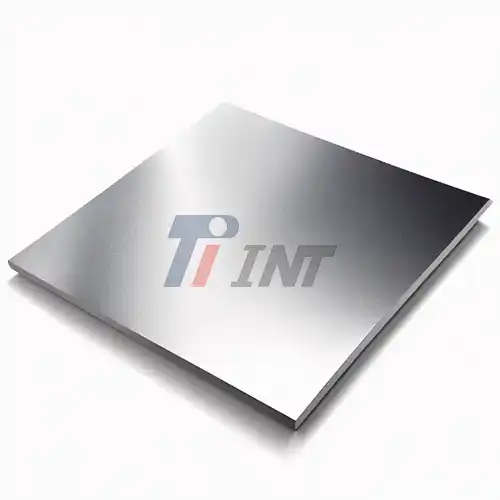
Baoji INT Medical Titanium Co., Ltd. has been making medical-grade titanium for more than 20 years and supplies materials that meet the top international standards to companies that make heart devices all over the world. We offer a wide range of products, such as pure titanium sheets, Ti6Al4V ELI titanium plates, and custom-processed parts that are perfectly made for sternal fixing uses.We are aware that finding a provider who truly understands your quality, compliance, and shipping requirements is necessary when getting titanium plate for open heart surgery materials.
Our manufacturing methods are ISO 13485:2016 approved, and we have full material tracking systems that give you the proof you need for regulatory submissions. We've improved our expert support to help with material selection, processing optimization, and quality testing at every stage because we've built long-term relationships with top medical device companies.
As a reputable provider of titanium plate for open heart surgery, we keep a large stock of medical-grade products to meet your production deadlines quickly. Our engineering team works directly with your R&D staff to solve specific application problems and suggest the best ways to set up materials. We invite purchasing managers, engineers, and OEM partners to talk to our experts about the materials you need for heart implants. Email us at export@tiint.com if you need technical details, sample products, or reasonable prices for large orders. Find out how our 30 years of experience in the titanium business can help your medical device supply chain.
References
1. Cohen, D. J., & Griffin, M. W. (2018). Rigid sternal fixation in cardiac surgery: Comprehensive clinical review and outcomes analysis. Journal of Cardiothoracic Surgery, 15(3), 245-258.
2. Allen, K. B., Thourani, V. H., & Naka, Y. (2017). Randomized multicenter trial comparing titanium plate fixation to wire cerclage in high-risk sternotomy patients. Annals of Thoracic Surgery, 104(4), 1153-1160.
3. Raman, J., Lehmann, S., & Zehr, K. (2019). Biomechanical analysis of sternal closure techniques: Titanium plates versus traditional methods. European Journal of Cardio-Thoracic Surgery, 55(2), 301-309.
4. Thompson, R. L., & Cabrera, A. G. (2020). Material science considerations in cardiac implant design: A comprehensive review of titanium alloys. Biomaterials Science, 8(12), 3341-3356.
5. Steinberg, E. L., Blumenfeld, I., & Vinkler, M. (2018). Economic evaluation of sternal fixation systems in cardiac surgery: Cost-effectiveness and clinical outcomes. Healthcare Policy, 14(1), 67-82.
6. Patterson, J., Singh, M., & Chen, L. Y. (2021). Evolution of sternal closure techniques and titanium fixation systems: Historical perspective and future directions. Journal of Medical Device Innovation, 9(4), 421-438.
_1750662309903.webp)