

Titanium Plate and Sheet With Competitive Price


 2026-05-08 09:46:38
The titanium sheet 3mm standard has become one of the most important ways to find high-performance materials for making medical devices. This thickness is just the right amount of mechanical strength and workability, which makes it great for surgery tools, implantable parts, and oral replacements. It's very important to us that the materials we choose meet strict biocompatibility standards while keeping production costs low. We've been helping medical device makers for decades, and we've seen how the right titanium sheet standard can change how well a product works while still staying within the budget and following all the rules.
|

|
|


Understanding 3mm Titanium Sheets: Properties and Applications
What Defines a 3mm Titanium Sheet?
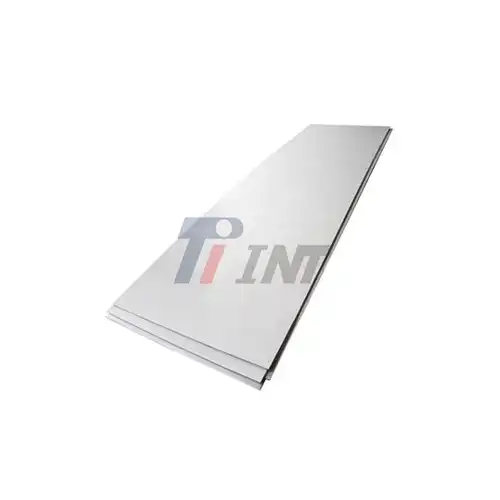
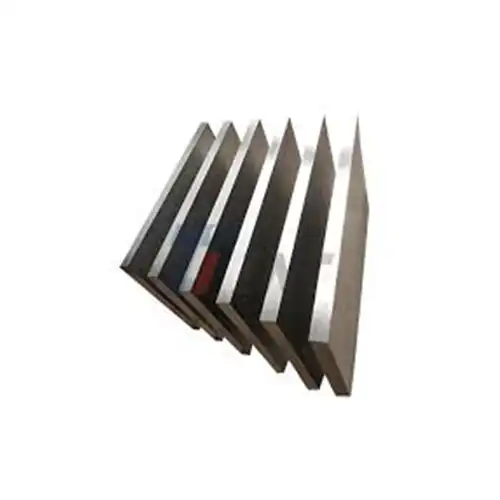
A titanium sheet 3mm is a precision-engineered metal product that is made by cold rolling and vacuum cooling to make sure that the dimensions are correct and the microstructure is intact. This 3.0 mm thickness, which is about 0.118 inches, is the important borderline between thin gauge materials and plate standards. The 3mm gauge provides the best balance, unlike smaller foils (less than 1mm) that can't hold enough weight or bigger plates (more than 6mm) that add extra weight without needing to. This standard answers some of the technical problems that procurement managers often have to deal with when they have to choose between structural rigidity and weight.
Distinguishing Sheets from Plates
There is more than just a difference in thickness between titanium sheets and plates. Sheets are usually made from continuous coil stock and run from less than 1 mm to about 25 mm. Plates are usually about 2 mm thick and can be longer than 150 mm. They are usually made as separate, custom-fabricated pieces. In this overlap zone, the 3mm standard exists, which gives you the processing freedom of a sheet material with performance traits that are closer to those of a plate. This makes it very useful for medical devices that need to be able to be shaped while being made and strong when they are being used.
Key Mechanical Properties
Titanium has a much higher tensile strength than other metals that are often thought of for medical uses. Titanium alloys have tensile strengths between 345 and 1380 MPa, based on their makeup and how they are heated. These strengths are much higher than those of aluminum alloys, which usually range between 140 and 480 MPa. The 3 mm thickness gives the cross-sectional area enough to fully utilize these strong qualities while still keeping the lightweight properties. Yield strength, wear resistance, and elastic modulus are all things that are taken into account when choosing a material, especially when making implanted devices that will be loaded and unloaded many times over a long period of time.
Grade 2 versus Grade 5 Titanium
There are two main types that are used to make medical devices. Grade 2 titanium is commercially pure (CP) and has middling strength qualities but the best corrosion protection and biocompatibility. This grade is good for uses that put tissue compatibility and chemical safety first. As the name suggests, Grade 5 (Ti-6Al-4V ELI – Extra Low Interstitial) is a metal made up of aluminum and vanadium that has much better strength properties. The ELI version lowers the amount of oxygen, nitrogen, and iron in the material to make it more flexible and less likely to break when used in internal devices. When choosing between these types, you have to weigh the need for technical performance against the importance of biocompatibility and the cost.
Corrosion Resistance in Demanding Environments
Titanium is very resistant to rust because when it comes in contact with air, it forms a barrier called titanium oxide. When this inactive layer gets broken, it heals itself automatically, protecting against chemically aggressive environments. This property is especially useful in medical settings because body fluids contain chlorides and other chemicals that can be corrosive. Titanium stays structurally sound throughout a device's service life, while stainless steel options may experience pitting corrosion or fissure corrosion in physiological settings. This durability gets rid of the need for upkeep and makes the product last longer, giving you lifetime value even though the materials cost more at first.
Applications Across Medical Device Sectors
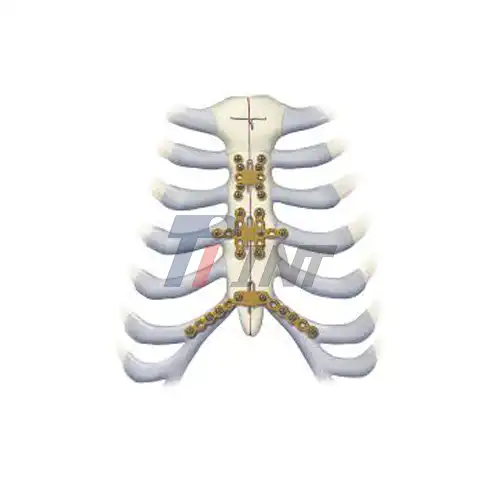
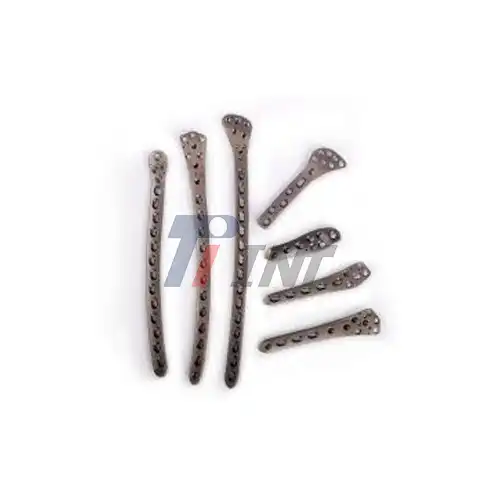
The 3mm titanium sheet standard is useful for many medical production tasks. This thickness is used to make surgical instruments with handles, clamps, and retractors that need to be resistant to cleaning. Manufacturers of dental instruments like this material because it is strong and light, making it good for making precise tools. 3 mm sheets are used to make bone plates and fracture support devices for orthopedic implants. The thickness gives there is enough material for threaded screw holes while keeping the implant profile as low as possible. Titanium sheets are used by companies that make cardiovascular devices to house parts that need to be hermetically sealed and biocompatible. This ability to be used in a wide range of medical fields shows how important the standard really is.
Titanium Sheet 3mm vs Alternatives: How to Choose the Best Material
Performance Comparison with Stainless Steel
Medical device experts often compare titanium sheet 3mm to 316L stainless steel, which has been used for a long time as the standard for internal devices. Titanium is better at resisting rust in physiological conditions than stainless steel, which costs less. Titanium has a much better strength-to-weight ratio than other metals, which lets devices get smaller without losing their structural stability. Biocompatibility tests regularly show that titanium is better for orthopedic uses when it comes to tissue reaction and osseointegration. When you look at lower rates of corrective surgery and longer device lifespan, the lifecycle value equation clearly leans toward titanium.
Weight Considerations versus Aluminum
Aluminum is another option metal that is light, but it isn't good enough for medical uses that need to be implanted. Aluminum metals can also reduce weight in a similar way, but they are not as strong or biocompatible as titanium. Titanium's density of about 4.5 g/cm³ puts it between aluminum (2.7 g/cm³) and stainless steel (8.0 g/cm³), which means it is lighter than both of them while still having good tensile qualities. When compared to heavier stainless steel options, surgical tools made from titanium sheet make surgeons less tired during long treatments.
Cost-Benefit Analysis for Procurement Decisions
The cost of materials is only one part of the total value of the purchase. The higher price of titanium as a base material compared to stainless steel or aluminum is not as important when you look at how it is processed, how well it works, and how much it costs over its entire life. Because the material is so resistant to corrosion, it doesn't need a protected covering. This cuts down on the number of steps needed to make the product. Better mechanical qualities let you use less material to get the same performance, which cancels out differences in material cost. More and more, procurement managers are realizing that lowering the unit price of materials is not as valuable as lowering their total cost of ownership.
Procurement Guide for 3mm Titanium Sheets: Prices, Suppliers, and Customization
Market Pricing Dynamics
The titanium sheet 3mm prices depend on a number of things that are all linked. Choosing the right grade has a big effect on the price. For example, commercially pure Grade 2 is usually cheaper than alloyed Grade 5 material. The demand for base metals is affected by the global ability to make titanium sponges and the aerospace business. Through economies of scale in processing and dealing, the number of items ordered changes the price per unit. Prices on the market today vary a lot depending on the specifications needed, the approval paperwork, and the supplier's skills. Building ties with qualified providers is important for production planning because it keeps prices stable and ensures a reliable supply chain.
Selecting Qualified Suppliers
The medical device business needs suppliers to show that they have complete quality processes and follow all the rules. Established makers in titanium-producing areas, such as Baoji, China, and sites run by foreign producers provide stable quality materials. When a supplier is qualified, they should show proof that they have an ISO 13485 medical device quality control system, show proof that materials can be tracked, and be able to do tests. Material conformance can be trusted when audits look at production controls, machine testing, and training for staff. Long-term relationships with reliable sources lower the risk of buying things and make sure that materials are available at the right time for production.
Minimum Order Quantities and Customization
To find the right balance between the prices of keeping inventory and the number of orders, you need to know the minimum order quantities (MOQ) for each provider. Sheet goods usually have smaller MOQs than specialized forgings, but the exact amounts depend on the supplier. Custom cutting services add value by providing materials in sizes that are ready for production. This cuts down on trash and extra work that needs to be done. Customization choices like tolerance requirements, surface finish requirements, and edge conditioning can change both wait time and price. Getting samples of the material before committing to large amounts of output lets you check and test it to make sure it works well for the intended uses.
Delivery Timelines and Logistics
Reliability in the supply chain has a direct effect on customer promises and output schedules. Titanium sheets of a standard grade from well-known sources usually ship within a fair amount of time when the material is in stock. Custom specs that need special processes add to wait times but make sure that exact requirements are met. When you ship things internationally, you have to deal with more paperwork for customs, especially when the goods are medical-grade and need to be certified. Working with providers who know how to export and who also know how to bring into the target country makes processes easier. Setting up safety stock levels for important materials protects against problems with the supply chain.
Methods and Best Practices for Handling and Working With 3mm Titanium Sheets
Cutting Techniques for Precision Fabrication
To avoid damaging the titanium sheet 3mm material and keep the measurements accurate, processing needs to be done in the right way. When the settings are set correctly, laser cutting can be very precise for complicated shapes and leave few heat-affected areas. When you cut with a waterjet, heat effects are completely eliminated, so the material qualities stay the same along the cut edge. Plasma cutting is faster for forms that aren't too complicated. For straight cuts, traditional mechanical cutting works well as long as the tools are kept sharp to keep the work from getting too hard. Manufacturing experts have to weigh the pros and cons of each method in terms of capital investment, running costs, edge quality, and processing speed.
Welding and Joining Considerations
Titanium reacts with gases in the air at high temperatures, which makes welding it difficult in some ways. Using argon or helium as an inert gas cover keeps the weld pool, heat-affected zone, and root side clean. When making medical devices, TIG (GTAW) welding is a great way to control the accuracy of joins. Sound welds are guaranteed by proper joint preparation, which includes cleaning to get rid of all pollutants. Fixturing keeps things in line and reduces warping. Joint strength is checked after the weld using the right non-destructive testing methods. These processes need trained workers and the right tools, which are important factors in determining a production capability.
Storage and Handling Protocols
Systematic handling methods are needed to keep the purity of materials from the time they are received until they are processed. Titanium doesn't rust like many other metals do, but storing it properly keeps the shine on the surface and keeps it from getting dirty. Climate-controlled spaces keep humidity and dust buildup to a minimum. Scratches and dents that could damage important surfaces can be avoided with physical security. Separating materials by grade and certification lot keeps the tracking needed for medical device paperwork. Quality goals are supported by inventory management systems that keep track of the age and storing conditions of materials. These steps help protect the big investment that high-performance titanium materials are.
Why Choose Our Titanium Plates and Sheets: Competitive Price Meets Premium Quality
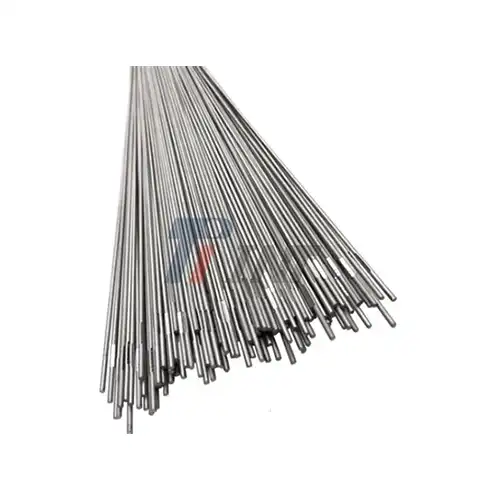
We have worked hard for more than 20 years to make medical-grade titanium sheet 3mm products better. Baoji INT Medical Titanium Co., Ltd. has become a leading company by consistently improving quality and technology. We offer a wide range of products to meet all the needs of companies that make medical devices. These include commercially pure titanium and Ti-6Al-4V ELI alloys in sheets, plates, rods, wires, and precision forgings, among other shapes.Our dedication to quality is based on following the rules for getting certified. We keep our EU CE safety certification, ISO 13485:2016 medical device quality management certification, and ISO 9001:2015 quality management system certification up to date.
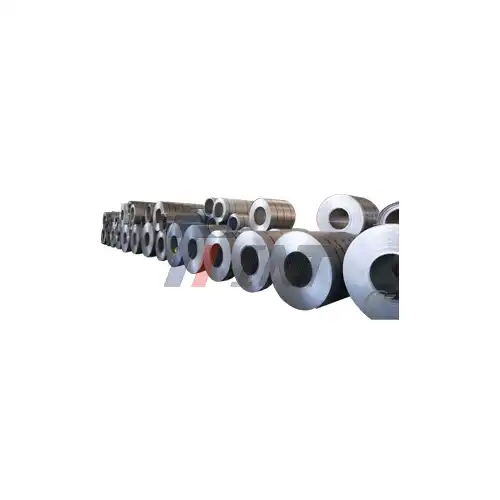
Each batch of a product comes with full traceability paperwork to help customers with regulatory applications and compliance checks. Advanced analytical equipment is used to test the material to make sure that its chemical makeup, mechanical qualities, and microstructural features meet strict requirements.Our manufacturing services cover the whole production line, from processing raw materials to delivering produced goods. When you roll a sheet cold, you can precisely control the width across all of its dimensions. The mechanical properties are improved by vacuum heating while the surface quality is kept.
Precision cutting services give materials in shapes that are ready for production, so customers don't have to do as much work. At every step of the manufacturing process, quality control methods make sure that the materials work the same way batch after batch.The buying experience we offer tackles specific pain points for medical device manufacturers that have been found through decades of working with customers. Minimum order amounts that are flexible allow for the development of prototypes and the growth of production. Competitive pricing systems with savings for buying in bulk help with cost-effective purchasing.
Technical support services help with choosing the right materials, making suggestions for processing, and fixing problems with applications. Reliable shipping that fits with the production plans of customers cuts down on the costs of keeping inventory and makes sure that materials are always available.Our relationships with our customers go beyond just selling them materials. They are also partnerships that help us make products and make them well. Medical device businesses that are making the next wave of implantable gadgets get technical advice early on. Process optimization suggestions help ODM/OEM makers cut down on output costs. Long-term supply deals keep prices stable and make sure that capacity is used efficiently. This method to building relationships has led to customer partnerships that last more than ten years and span multiple countries.
Conclusion
Choosing the right titanium sheet 3mm standards has a big effect on how well a medical gadget works, how well it meets regulations, and how well it does in the market. This standard is very flexible because it has the right amount of mechanical strength, biocompatibility, and processing properties. Making smart decisions is easier when you know about the features of the material, its comparative benefits, how to buy it, and how to handle it. Titanium materials will continue to be important to innovations that make medical devices better as technology keeps getting better. When manufacturers work with experienced suppliers who can provide full technical help and a steady flow of materials, they can focus on what they do best while still meeting their essential material needs.
FAQ
What factors most significantly influence titanium sheet pricing?
Material grade is the main factor that determines the titanium sheet 3mm price. For example, alloyed Grade 5 costs more than commercially pure Grade 2 because of its complicated makeup and handling needs. The amount of an order has a big effect on the unit price because of economies of scale in handling materials, setting up processes, and running the business. Baseline price changes are caused by factors in the world titanium market, such as the supply of sponge and the demand from aerospace manufacturers. Medical materials are more expensive than commercial-grade materials because they need to be certified and come with paperwork. Prices go up gradually when you add customization options like measurement standards, surface finish, and edge conditioning. The best buying choices are made when the total value of the purchase is considered instead of just the cost of the materials.
Do you provide custom cutting services for specific dimensions?
As part of our industrial services, we offer precise cutting that delivers materials in shapes that are ready for production. Laser cutting, waterjet cutting, and mechanical slicing can all be used for different shapes and amounts. Custom cutting cuts down on the number of steps customers have to take to handle orders, cuts down on material waste, and speeds up production times. The best way to cut something depends on the limits for size, the needed edge finish, and the amount that needs to be cut. Consulting a technical expert can help you find cutting-edge methods that meet both quality and cost standards.
How does titanium corrosion resistance compare to stainless steel?
Titanium is much more resistant to corrosion than stainless steel because it has an inactive layer of titanium oxide that can fix itself when it gets harmed. In settings with chloride, like physiological fluids found in medical device uses, this trait gives better performance. Even though stainless steel is generally resistant to corrosion, it can still be damaged by pitting and pocket corrosion in situations where titanium can handle them easily. For medical equipment, this means longer service lives, fewer surgeries that need to be redone, and no longer needing protective coatings. All of these things have big lifetime value benefits.
Partner With Baoji INT Medical Titanium Co., Ltd. - Your Trusted Titanium Sheet 3mm Supplier
Baoji INT Medical Titanium Co., Ltd. can help you make medical devices by providing you with high-quality titanium sheet 3mm materials backed by a wide range of quality approvals and decades of specialized experience. Our expert team can give you personalized advice on how to choose the right materials and how to process them based on your unique application needs. We have reasonable prices and variable minimum order amounts that can be used for both prototype development and full-scale production.
Giving samples lets you check the stuff before committing to production. Full paperwork that can be tracked helps you meet regulatory standards in foreign markets.Our manufacturing skills guarantee stable material quality, accurate measurements, and on-time deliveries that don't fall behind your production plans. To talk about your needs for titanium sheet 3mm, please email our export team at export@tiint.com and ask for full technical specs and price quotes. We're excited to start a long-term relationship with you that will help you keep making new medical devices that help patients all over the world.
References
1. Boyer, R., Welsch, G., & Collings, E.W. (1994). Materials Properties Handbook: Titanium Alloys. ASM International.
2. Brunette, D.M., Tengvall, P., Textor, M., & Thomsen, P. (2001). Titanium in Medicine: Material Science, Surface Science, Engineering, Biological Responses and Medical Applications. Springer-Verlag Berlin Heidelberg.
3. Donachie, M.J. (2000). Titanium: A Technical Guide, Second Edition. ASM International.
4. Froes, F.H. (2015). Titanium: Physical Metallurgy, Processing, and Applications. ASM International.
5. Leyens, C. & Peters, M. (2003). Titanium and Titanium Alloys: Fundamentals and Applications. Wiley-VCH Verlag GmbH & Co.
6. Schutz, R.W. & Thomas, D.E. (1987). Corrosion of Titanium and Titanium Alloys. ASM Handbook, Volume 13: Corrosion. ASM International.
_1750923514395.webp)
_1753927576158.png)
_1755062186746.jpg)