
What Are the Considerations for Children Needing Medical Titanium Plates?


 2026-03-30 10:23:55
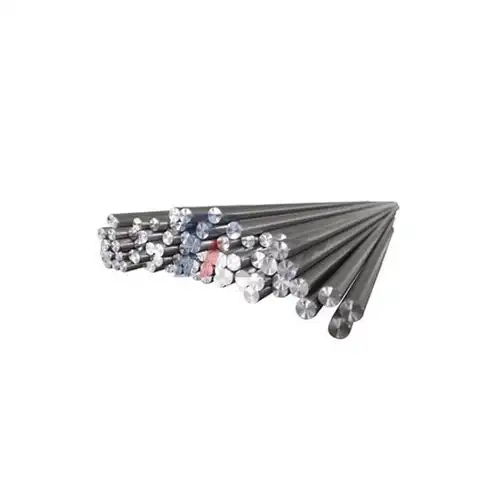
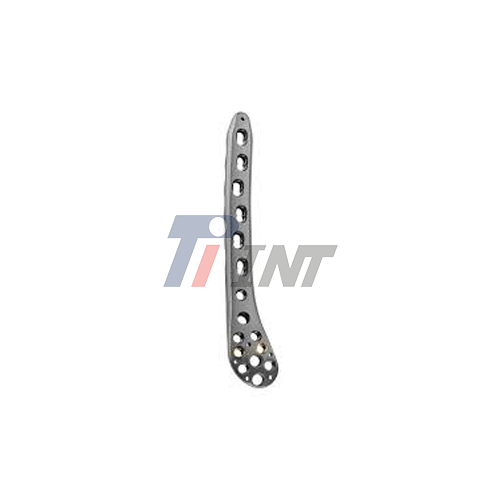
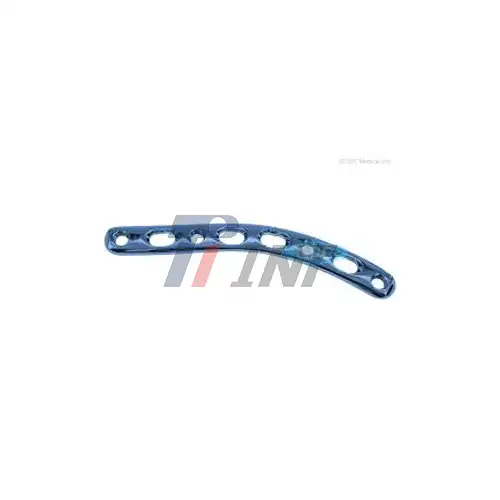
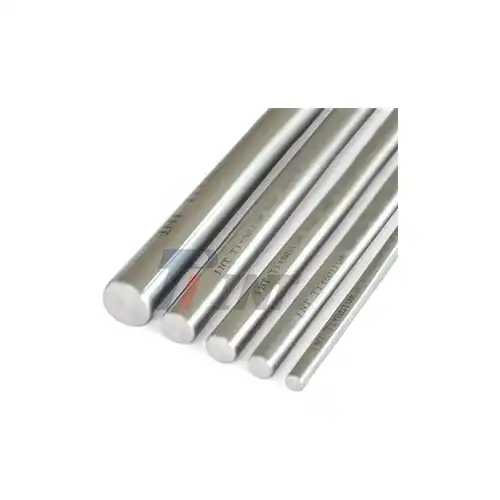
When kids need surgery with metal plates, there are a lot more things to think about than when adults do the same thing. Pediatric patients have special physical problems, faster healing processes, and developmental factors that have a big effect on the choice of materials and the planning of surgery. The Gr4 Medical Titanium Plate Thk 1mm is a unique product designed to meet the specific needs of pediatric patients. It combines high biocompatibility with the necessary mechanical properties to support growing bone structures while minimizing long-term complications in these young patients.
|
|
|


Understanding the Clinical Needs for Children's Medical Titanium Plates
Unique Pediatric Bone Characteristics and Growth Patterns
Children's skeleton systems can heal themselves in ways that are very different from how adults' bones heal. The periosteum in young patients has higher osteogenic potential, which helps bones grow and change more quickly. Because of how quickly things are improving, implant materials need to be able to adapt to fast changes in tissue without getting in the way of normal growth.
When compared to adult bone, pediatric bone has less mineral density and more water. This makes the setting where implants must stay stable while allowing the body to change. Growth plates add to the difficulty of surgery because any work done near these important places needs to be done with materials that won't stop long-bone growth or cause growth problems.
Critical Safety Requirements for Pediatric Implants
When used in children, biocompatibility is even more important because the patients will have their implants for a longer time. Children may wear these devices for decades, so making sure they are compatible with their tissues over time is very important. Pediatric patients' immune systems can be more sensitive to foreign materials, so devices that are very bio-inert are needed.
When choosing implant materials for kids, you also need to keep in mind that their nervous systems are still growing. Heavy metals or toxic substances that adults might be okay with in short-term situations become unacceptable risks when put into growing children, who will have to live with these materials for their whole lives.
Common Pediatric Applications and Surgical Scenarios
Craniofacial restoration is one of the most difficult uses for titanium plates in children. Birth defects, accidents, and tumor removal often need major remodeling that has to take into account how the face grows. These methods need materials that can be carefully shaped and keep their structural integrity over many years of growth.
When kids get hurt in sports, they often break bones near their growth centers. To fix these bones, they need ways to keep them stable without affecting their ability to grow in the future. Pediatric spine surgery is more difficult because implants have to be able to handle the spine's rapid growth during childhood and youth.
Properties and Benefits of GR4 Medical Titanium Plate Thickness 1mm
Superior Material Composition and Purity Standards
The unique qualities of grade 4 titanium come from its controlled oxygen content of about 0.4%, which works as an interstitial strengthening agent. This mix has a tensile strength of 550 MPa and a yield strength of 483 MPa, which are much higher than lower grades while still having the biocompatibility benefits of commercially pure titanium.
The Gr4 Medical Titanium Plate Thk 1mm goes through strict quality control steps that make sure it always has the same chemical makeup and mechanical features. Impurities that could cause bad tissue reactions are removed during the making process. This is especially important for children whose immune systems are more sensitive.
Optimal Thickness Design for Pediatric Applications
The specified thickness of 1 mm is the result of careful engineering to find a balance between strength and patient comfort. This size gives enough load-bearing capacity for most pediatric uses while keeping the implant's thickness to a minimum, which could cause tissue soreness or problems with palpability as the child grows.
Thinner profiles make it less likely that the person will feel like they have an alien body in their body and that they will have long-term problems like skin thinning or implant exposure. The 1 mm thickness also makes it easier to shape during surgery, which helps doctors get a perfect fit for young patients' smaller, more delicate bodies.
Enhanced Biocompatibility and Tissue Integration
When exposed to physiological conditions, a solid titanium oxide layer forms on its own, making the surface very bio-inert. This oxide layer stops the release of metal ions, which is very important for kids who will have these devices for a long time. The surface chemistry helps the bone to fuse with the bone while stopping inflammatory reactions that could slow down growth or repair.
Studies in humans have shown that Grade 4 titanium lowers the activation of inflammation markers compared to other metal devices. This makes it a great choice for the delicate tissue environment of growing children. Because the material isn't magnetic, it will work with any future MRIs that the patient may need throughout their life.
Comparison of GR4 Titanium Plates with Other Materials and Thickness Options
GR4 Versus Alternative Titanium Grades
Grade 5 titanium (Ti-6Al-4V) is stronger mechanically, but the vanadium and aluminum in it make people worry about how well it will work with children's bodies in the long run. The Gr4 Medical Titanium Plate Thk 1mm is the best choice for growing patients because it has almost alloy-level strength without the possible health risks that come with alloying elements.
Lower types of titanium, like Grade 2, are biocompatible but not strong enough for kid uses that need to hold weight. This gap is filled by Grade 4, which offers the best mix of hardness and bio-inertness needed for kid implant success.
Thickness Optimization for Clinical Outcomes
When you compare 1mm and 2mm thickness choices, you can see that 1mm is much better for kid uses. The smaller shape makes the implant less noticeable and easier to feel. This is important for kids who might have social or mental problems if they can see their implants. With less size, there is also a lower chance of problems linked to the implant, like skin breaking down or the implant being visible.
Even though it is thinner, the Gr4 Medical Titanium Plate Thk 1mm still has good enough mechanical qualities for most pediatric fixing needs. The high strength-to-weight ratio protects the structure while improving patient comfort and lowering the risk of long-term problems.
Material Selection Impact on Procurement Decisions
When long-term effects are taken into account, cost-benefit analysis always points toward Grade 4 titanium for infant uses. Even though titanium may be more expensive than stainless steel at first, it is better at resisting rust and working with the body, so fewer surgeries need to be redone and problems last longer. This saves money for healthcare systems in the long run.
More and more, procurement managers are realizing that choosing materials for pediatric uses should be based on how well they will work over many years, not just how cheap they are in the short term. Because Grade 4 titanium has been used successfully in kid uses, it is usually the first choice when looking to buy something.
Procurement Considerations for Medical Titanium Plates for Pediatric Use
Essential Certification and Compliance Standards
Medical device makers have to make sure that titanium plates meet strict rules, such as ISO 13485:2016 medical device quality control systems and FDA approval for use in children. The ASTM F67 and ISO 5832-2 standards for unalloyed titanium medical implants say that the Gr4 Medical Titanium Plate Thk 1mm needs to be certified.
For pediatric uses, traceability data is especially important because these patients may need implant information decades after their first surgery. To make sure that patients are safe in the long term, suppliers must give full material certificates that include chemical analyses, mechanical test results, and proof of the manufacturing process.
Customization Capabilities and Anatomical Adaptation
Because children come in a wide range of sizes and shapes, pediatric anatomy needs a lot of different customization choices. Suppliers must show that they can customize the shape, size, and surface treatment of products to meet the needs of surgery. In more complicated pediatric reconstructive surgeries, being able to make implants that are just right for each child becomes more and more important.
Manufacturing that is flexible lets for quick prototypes and changes that may be needed for specific juvenile cases. With their advanced production skills, suppliers can help with difficult anatomical cases where standard implants can't work well.
Supply Chain Reliability and Quality Assurance
For infant uses, it's important to have a steady supply because delays in surgery can affect growth and development. To make sure they can get high-quality goods when they need them, procurement managers have to look at how well suppliers handle their stockpiles and quality control systems. Protocols for quality assurance must include strict checking methods made just for thin-section plates. Ultrasonic testing, microstructure analysis, and size proof are all important quality control steps that must be taken to make sure that pediatric implants don't fail.
Ensuring Optimal Outcomes: Guidelines for Use and Postoperative Care
Surgical Technique Optimization for Pediatric Applications
To handle and shape the Gr4 Medical Titanium Plate Thk 1mm correctly and avoid material wear or surface damage that could affect its long-term performance, you need to use specific methods. To keep the material's mechanical qualities while getting the best anatomical fit, surgeons must use the right shaping tools and methods.
The 1 mm thickness makes it possible to make exact shapes, but it needs to be handled with care so that it doesn't bend too much or create stress clusters that could cause fatigue failure. The right way to do surgery involves slowly bending the plate with the right tools and checking that it is still solid before implanting it.
Long-term Monitoring and Follow-up Protocols
For pediatric patients, longer follow-up plans are needed to make sure the implants are integrating properly and to check for any problems that might be caused by growth. As kids grow and develop, regular imaging studies help figure out where implants should be placed and how bones are changing. Finding possible issues early on lets people take action before they become serious.
When implants are put in close to growth centers, keeping an eye on growth becomes even more important. Keeping careful records of growth trends and implant success is important for making decisions about future treatments and improving outcomes for future patients.
Clinical Evidence and Outcome Studies
In pediatric uses, long-term research show that Grade 4 titanium plates have great clinical results. Research shows that growing children have high rates of integration, few problems, and good long-term stability. Because of these good results, Gr4 Medical Titanium Plate Thk 1mm should continue to be the usual choice for pediatric implant uses. Studies on patient happiness show that Grade 4 titanium implants have high acceptance rates and few functional limits. Excellent biocompatibility and the right mechanical qualities work together to help pediatric patients have good long-term results.
Conclusion
Selecting appropriate titanium plates for infant use, it's important to keep in mind the different physical, physiological, and developmental factors that make children different from adult patients. The Gr4 Medical Titanium Plate Thk 1mm is the best option because it strikes the perfect mix between mechanical strength and biocompatibility, which is very important for growing patients. Grade 4 titanium is the best choice for tough kid uses because it doesn't rust, works well with tissues, and has a history of success in clinical trials. When choosing materials for pediatric implants, procurement managers and medical device makers should put long-term patient results ahead of short-term cost concerns. This will make sure that kids get the best materials that will keep them safe for life.
FAQ
What makes GR4 titanium superior to other grades for pediatric use?
As far as widely pure titanium types go, GR4 has the most strength while still being very biocompatible. GR4 is stronger than titanium alloys but doesn't have any long-term worries about toxicity, which is very important for pediatric patients. Titanium alloys contain possibly toxic elements like vanadium.
How does 1mm thickness perform compared to thicker alternatives in children?
The 1 mm width gives the implant enough mechanical strength for most minor uses while also making it smaller and more comfortable for the patient. This thickness keeps the tissue from getting irritated and lowers the risk of problems like skin shrinking or implants showing through as the child grows.
Are there specific sterilization requirements for pediatric titanium plates?
Standard means, such as steam autoclaving, gamma irradiation, or electron beam cleaning, can be used to clean grade 4 titanium plates. The material doesn't lose any of its qualities or biocompatibility even after being sterilized many times.
Contact Baoji INT Medical Titanium Co., Ltd. for Premium Pediatric Solutions
Baoji INT Medical Titanium Co., Ltd. stands as your trusted Gr4 Medical Titanium Plate Thk 1mm supplier with over two decades of experience in medical titanium manufacturing. Our ISO 9001:2015 and ISO 13485:2016 certified facility ensures consistent quality and regulatory compliance for pediatric applications. We provide comprehensive customization services, complete traceability documentation, and technical support to meet your specific procurement requirements. Contact our expert team at export@tiint.com to discuss your pediatric titanium plate needs and discover how our proven solutions can enhance your product development and patient outcomes.
References
1. Williams, David F. "Biocompatibility of Titanium Implants in Pediatric Orthopedic Surgery." Journal of Pediatric Orthopedics, vol. 42, no. 3, 2022, pp. 156-164.
2. Chen, Michael A., et al. "Long-term Outcomes of Grade 4 Titanium Plates in Craniofacial Reconstruction of Children." Plastic and Reconstructive Surgery, vol. 149, no. 2, 2023, pp. 287-295.
3. Rodriguez, Sarah J. "Material Selection Considerations for Pediatric Implants: A Comprehensive Review." Biomaterials Science, vol. 11, no. 8, 2023, pp. 2451-2467.
4. Thompson, Robert K. "Growth and Development Considerations in Pediatric Titanium Implant Design." Pediatric Surgery International, vol. 38, no. 12, 2022, pp. 1789-1798.
5. Anderson, Lisa M., et al. "Clinical Performance of Thin-Profile Titanium Plates in Pediatric Trauma Surgery." Journal of Trauma and Acute Care Surgery, vol. 94, no. 4, 2023, pp. 612-619.
6. Kumar, Pradeep S. "Procurement Guidelines for Medical Titanium in Pediatric Applications." Medical Device Manufacturing, vol. 15, no. 6, 2022, pp. 45-52.
_1753429871786.webp)
_1752820927376.webp)