
What are the main applications of GR1 titanium medical bars in healthcare?


 2026-07-15 09:06:47
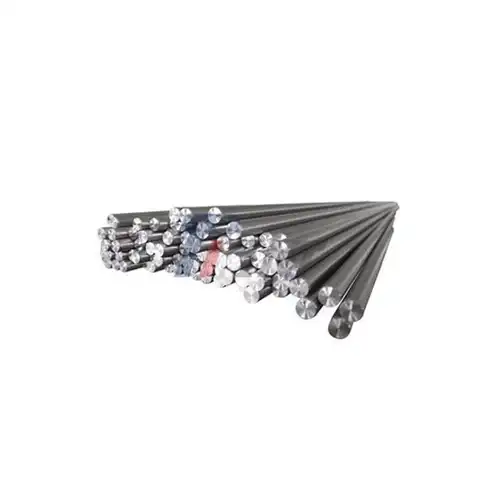
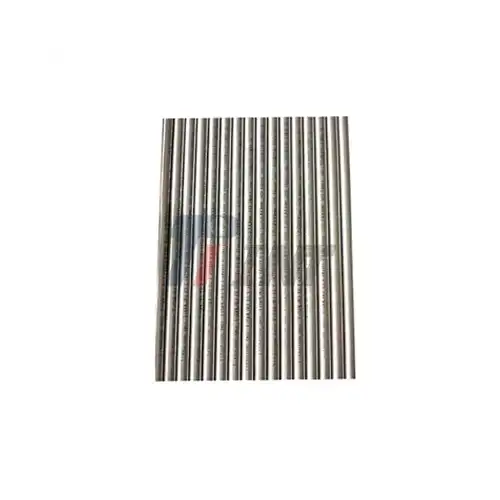
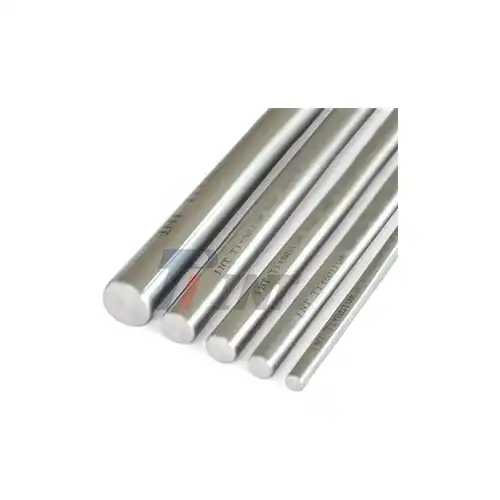
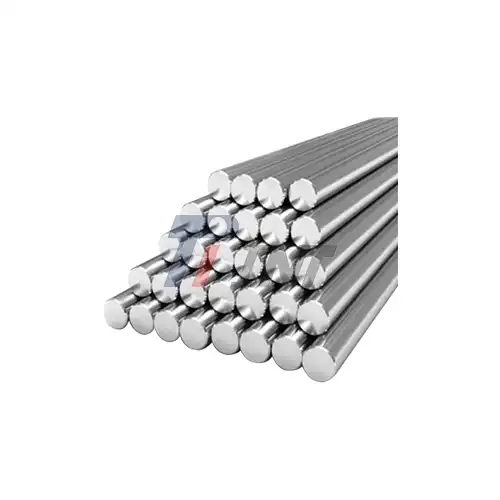
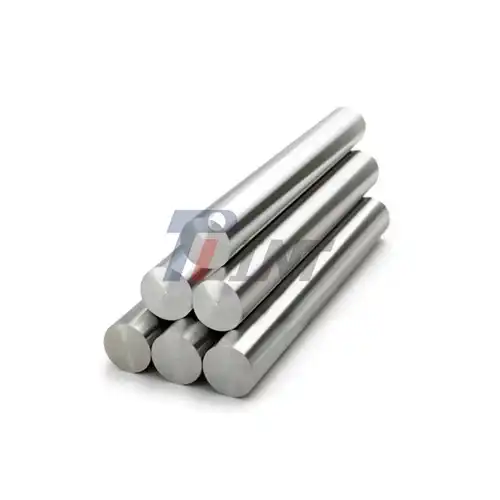
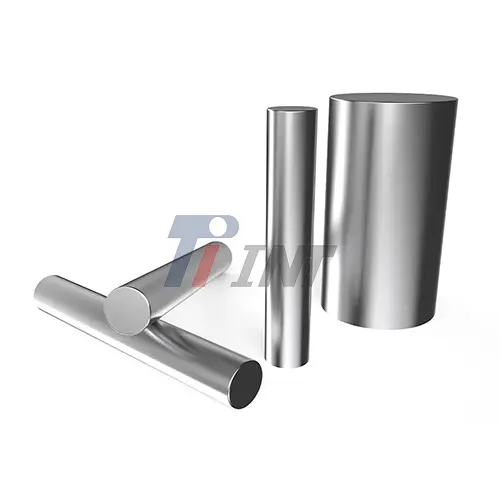
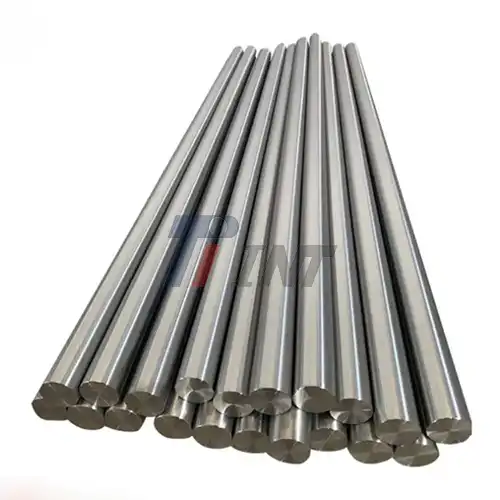
One of the most valuable materials used in current healthcare production is Gr1 Titanium Medical Bar. GR1 is economically pure titanium that has very few alloying elements. It is biocompatible and has good corrosion resistance, which makes it essential for direct tissue contact uses. We've seen this material change the way orthopedic implants, dental restorations, surgery tools, and special prosthetic parts are made. Because it is so pure, it lowers allergic reactions while still being strong enough, making GR1 the best choice for makers who care about patient safety and long-term implant performance in hospital settings.
|
|
|
Understanding GR1 Titanium Medical Bars: Properties and Specifications
Chemical Composition and Purity Standards
GR1 titanium stands out because it has strict control over the intermediate elements. According to ASTM B348 standards, the material keeps its oxygen content below 0.18%, its nitrogen content below 0.03%, and its carbon content below 0.08%. These close limits have a direct effect on flexibility and formability, which are important properties for medical uses that need complicated shapes. Hydrogen levels must stay very low—usually less than 0.015 percent—because high hydrogen levels weaken the material, which makes cutting less effective and insertion less reliable.
Based on our experience with purchasing, LECO ONH analyzers are the most effective way to check these important interstitial parts. The yield-to-tensile strength ratio is especially affected by too much oxygen. This means that the material is pushed beyond GR1 standards, which could lead to brittle failure places during cold forming. Before accepting material lots, medical device engineers should ask for full mill test reports that include these measures.
Mechanical Properties and Performance Characteristics
Pure titanium bars have a mechanical shape that strikes a good mix between strength and ease of use. GR1 has a tensile strength of 240 to 345 MPa, a yield strength of 170-275 MPa, and an extension of more than 24%. With this mix, producers can use cold working to make complicated forms while still keeping the strength needed for load-bearing implants. The ASTM E112 grain size study should show that the alpha-phase microstructure has uniform G7 or smaller grains to make sure that the ductility stays the same across production runs.
In automatic production settings, tolerances for dimensions are very important. We keep bar stock diameters within h9/h11 standards to make sure they work with CNC auto-feeders. This keeps setup changes to a minimum and cycle times short. Using a laser micrometer to check the dimensions during the incoming review finds any differences in size that could throw off production plans for large quantities. Ultrasonic testing that meets AMS 2631 Class A standards can find internal flaws or holes that can't be seen from the outside. This keeps catastrophic failures from happening during precision cutting operations.
Regulatory Compliance and Certification Requirements
Getting medical-grade titanium requires a lot of certification paperwork. With ISO 13485:2016 approval, you can be sure that suppliers use quality control systems that are meant to make medical devices. Material can be tracked from the raw titanium material all the way through to the finished bar. Heat lot numbers make the whole supply chain clear. Registration with the FDA and marking with the CE mark show that the inserted materials meet the rules for the North American and European markets.
There should be documents of conformance with every shipment that list the chemical makeup, mechanical qualities, and surface state. Third-party testing by accredited labs adds another layer of proof, which is especially useful when a provider is being qualified. We've seen that providers who hold both ISO 9001:2015 and medical-specific certifications usually do a better job of controlling processes and keeping records, which cuts down on qualification time and audit finds.
Core Healthcare Applications of GR1 Titanium Medical Bars
Orthopedic Implants and Bone Fixation Devices
When biocompatibility is more important than strength, Gr1 Titanium Medical Bar is used to make prosthetic implants. The good osseointegration qualities of GR1 make hip stem components, especially those made for older patients who are less active, very useful. The value of flexibility of the material is about 103 GPa, which is closer to natural bone than higher-grade metals. This means that there is less stress shielding, which can cause bone to break down around implants. GR1 bars are used to make spinal fusion cages, which support the spine and allow bone to grow into the implant through its hollow sides.
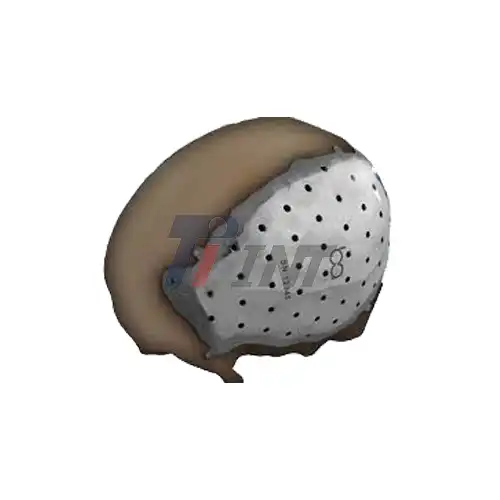
Trauma stabilization plates and bone pins are another important type of application. The material doesn't rust when exposed to body fluids for decades, so you don't have to worry about metal ions leaking out like you do with stainless steel options. When making threaded screws with tight pitch specs, manufacturing engineers like how easy GR1 is to machine because it results in clean thread profiles without too much tool wear. Customized devices made just for each patient are using GR1 bars as starting materials more and more. This lets CNC machines match measurements taken from CT scans of the patient's body.
Dental Implants and Prosthetic Components
The lightweight and biocompatible qualities of GR1 make it useful in dental uses. Implant abutments made from pure titanium bars blend in perfectly with the gingival tissue around the implant, reducing inflammatory reactions that weaken the implant's security. When the material is exposed to air, its natural oxide layer forms quickly, forming a safe shield that makes it more resistant to corrosion in the harsh oral environment, where pH levels change and germs are present.
More and more dental labs are using GR1 bars for unique implant frames that hold multiple prostheses. The material can have different surface processes, like grinding and acid etching, that make it easier for the bone to fuse with it. Over ten years, implant success rates of almost 95% show that GR1 works well in this difficult situation. The lighter weight of this material compared to standard cobalt-chromium alloys makes removable partial denture frames more comfortable for patients to wear for long periods of time.
Surgical Instruments and Medical Tools
Surgical instrument makers like GR1 for making specialized tools that need to be very resistant to rust and not too strong. Retractors, forceps, and cutting tools don't lose their shape after being sterilized in an autoclave thousands of times. The material doesn't rust or pit when exposed to saline solutions and disinfectants over and over again. This means it lasts longer than stainless steel options in medical settings that are used a lot.
Pure titanium's qualities are especially useful for minimally invasive surgical tools. When GR1 bars are used to make laparoscopic tool shafts, the thin profiles needed for small-incision procedures are achieved while still keeping sufficient column strength to prevent buckling during tissue handling. Because the material isn't magnetic, it doesn't get in the way of MRI-guided surgery. This is a benefit that has led to changes in the specifications of neurosurgical tool sets. Precision die forging methods can turn GR1 bar stock into complicated instrument shapes with less waste from milling and better mechanical properties due to controlled grain flow.
Comparing GR1 Titanium Bars to Other Medical-Grade Materials
GR1 Versus GR2 and GR5 Titanium Alloys
Understanding the differences between grades helps buying teams choose the best materials. The highest amount of oxygen in GR2 titanium is 0.25%, compared to 0.18% in GR1 titanium. This gives GR2 titanium about 20% more tensile strength but less flexibility. GR1 is better for applications that need to do a lot of cold making or need to be as biocompatible as possible. On the other hand, GR2 is better for structural parts that can handle less bending. The difference in price is usually between 5 and 10 percent, which makes GR2 a good choice when technical needs call for it.
GR5 titanium alloy (Ti-6Al-4V ELI) is a big change because it contains aluminum and vanadium, which make it much stronger—its tensile strength is over 860 MPa. GR5 is often used for orthopedic uses that need to hold a lot of weight, like hip stems for busy younger patients. The alloying elements make the grades less biocompatible than widely pure grades, but ELI (Extra Low Interstitial) preparation makes this less of a problem. GR5 is usually 30–50% more expensive to buy than GR1, and it costs more to machine because it is harder and doesn't carry heat as well, which shortens the life of cutting tools.
Titanium Versus Stainless Steel in Medical Devices
Stainless steel is still commonly used in medical making because it is cheaper and easier to work with. Grade 316L stainless steel costs about 40% less per kilogram than GR1 titanium, which puts pressure on titanium's price to explain its higher price. When looking at total lifetime costs, the comparison changes because titanium is better at resisting corrosion and being biocompatible, which means it has fewer long-term problems and needs fewer repair surgeries.
Titanium is much lighter than stainless steel—its mass of 4.5 g/cm³ compared to 8.0 g/cm³ means that the same amount of titanium weighs 44% less. This reduction is very helpful for implants that patients wear all the time because it makes them more comfortable and lessens the stress on the tissues around them. Nickel in stainless steel metals causes allergic reactions in about 10 to 15 percent of patients. Titanium, on the other hand, doesn't contain nickel, so there aren't as many worries about hypersensitivity. We've seen medical gadget makers switch from stainless steel to titanium in order to protect patients' privacy and lower their risk of product liability.
In current medicine, the benefit of MRI compatibility can't be stressed enough. Stainless steel implants create large image marks that hide the surrounding anatomy, making it harder to evaluate and diagnose conditions nearby after surgery. Gr1 Titanium Medical Bar doesn't allow for much magnetic susceptibility, so MRI images are clear. This gives doctors better diagnosis knowledge over the life of the implant. This practical advantage has a bigger impact on material choice, even if it costs more at first.
Procurement Insights: How to Source Quality GR1 Titanium Medical Bars?
Supplier Evaluation and Qualification Criteria
A thorough evaluation of the seller is the first step to successful buying. ISO 13485:2016 approval is the minimum standard that proves quality control systems meet the specific needs of medical device manufacturing. We suggest that you check out the sites of possible providers to see what kind of equipment they have, especially checking tools like LECO analyzers and ultrasonic testing systems. Assessing providers' production ability makes sure they can keep up with rising demand without sacrificing quality or delivery times.
When working with surgical titanium, experience is very important. Suppliers with a history of doing business show that they know how to control important factors that affect the qualities of materials. We put a lot of emphasis on partners keeping heat treatment ovens with exact atmospheric control running smoothly so that oxygen doesn't get in and weaken the material. Traceability systems should connect finished bars to the companies that make titanium sponges. This way, if quality problems happen, they can be fixed quickly. During material qualification, customer references from well-known medical device makers can tell you a lot about a supplier's dependability, expert help, and ways of solving problems.
Customization Options and Order Specifications
Medical device makers need custom material specs more and more, above and beyond what is available in catalogs. Diameters range from 6 mm to 300 mm to meet a wide range of needs, and close specs are available for very precise needs. Customizing the length cuts down on trash and handling costs, which is especially helpful for large production runs. Surface finish conditions, such as hot-rolled or centerless ground, affect following machining operations and should match the needs of the production process.
Different providers have very different minimum order amounts, which can change how you plan your inventory and your cash flow. We've been able to get established partners to agree to MOQs as low as 100 kg, which lets us support prototype development and low-volume specialty goods without having to buy too much inventory. Material grade, width, tolerance standards, surface finish, and order quantities are often used to figure out prices. Clear explanations of surcharges for special needs and clear price structures help build trust and allow accurate cost modeling during the product development phases.
Logistics and Supply Chain Considerations
International shipping adds complications that need to be carefully managed. Lead times from Asian sources are usually between 8 and 12 weeks, which includes time for production, quality checks, and ocean freight. Air freight cuts down on transit time but costs 300–400% more, so it's only worth it for pressing needs or small, high-value packages. To avoid delays and extra fees, customs paperwork must correctly group goods under the Harmonized Tariff System numbers.
Quality of packaging has a direct effect on the state of the goods when they arrive. For international shipping, we use wooden boxes with moisture barriers to keep items safe from saltwater during ocean travel. Bar stock should be separated by heat lot and marked with clear tags to make it easier to find during the receiving check. After-sales support is what sets good sellers apart. Quick expert help during material qualification, quick resolution of quality issues, and the ability to adapt to sudden changes in demand all help to build partnerships that go beyond transactional relationships.
Benefits of Choosing GR1 Titanium Medical Bars for Medical Manufacturing
Superior Biocompatibility and Patient Safety
When making medical devices, choices about what materials to use are based on how safe they are for patients. The commercially pure composition of GR1 reduces adverse tissue responses, and decades of clinical proof show that it is very biocompatible in the long term. The stable oxide layer on the material stops metal ions from getting into nearby tissues. This means there are no worries about widespread toxins affecting organs far away. Compared to alloys containing nickel, allergic reactions are still very rare. This means that more people can use devices made of titanium.
The osseointegration properties of the material make it easier for bone to bond directly with itself without any fibrous tissue layers in the way. This effect, which was found while studying dental implants, changed the way orthopedic devices are made by letting biological fixation take the place of mechanical attachment methods. Bone cells stick easily to the oxide surface of titanium, multiplying and mineralizing to make the connection between the implant and the skeleton structurally seamless. As manufacturers switch from older materials to commercially pure titanium, the number of revision surgeries has gone down. This proves that clinical advantages lead to better patient outcomes and lower costs for the healthcare system.
Cost-Efficiency Through Durability and Longevity
The initial cost of materials is only one part of the overall economic impact. Because Gr1 Titanium Medical Bar is so resistant to corrosion, implants will keep their structural integrity for decades, so patients and healthcare systems won't have to go through the trouble of replacing them. Surgical instruments last a lot longer than stainless steel ones because they don't pit or break down as much during sterilization cycles. When you look at cost per procedure or cost per patient-year instead of just cost per kilogram, the economic calculations change.
Gains in manufacturing efficiency more than make up for higher material costs in a number of ways. Due to its high machinability, the material can be cut with harsh parameters, which shortens cycle times and makes better use of the machine. Consistent material properties cut down on setup changes and quality escapes, which lowers the amount of scrap and the number of inspections that need to be done. When making a lot of something, these operational advantages add up, which is especially helpful in markets where competition is high and manufacturing costs have a big effect on profits.
Advanced Manufacturing Technology Compatibility
Modern production techniques leverage GR1's favorable processing characteristics. CNC machining centers achieve tight tolerances and complex geometries with standard tooling, avoiding expensive specialized cutting tools required for harder alloys. The material's predictable chip formation and moderate cutting forces extend tool life while maintaining surface finish quality critical for medical applications. Multi-axis machining produces patient-specific implants directly from digital models, enabling mass customization at reasonable costs.
Additive manufacturing techniques including electron beam melting and direct metal laser sintering increasingly utilize titanium powders derived from bar stock. These processes build complex internal structures impossible through conventional machining, creating porous regions promoting bone ingrowth while maintaining solid sections providing mechanical strength. GR1's compatibility with emerging manufacturing technologies positions it advantageously as medical device production evolves toward personalized medicine and distributed manufacturing models. We anticipate continued innovation in processing techniques that further exploit pure titanium's unique property combination.
Conclusion
Gr1 Titanium Medical Bars have established themselves as essential materials across healthcare applications from orthopedic implants to surgical instruments. The combination of exceptional biocompatibility, reliable mechanical properties, and excellent corrosion resistance addresses critical requirements for medical device manufacturing. Successful procurement demands attention to supplier qualifications, material certifications, and quality control processes ensuring consistent performance. Medical device manufacturers, R&D engineers, and procurement professionals recognizing GR1's advantages gain competitive positioning through improved patient outcomes, reduced complications, and enhanced product reliability in demanding clinical environments.
FAQ
What distinguishes GR1 from other titanium grades in medical applications?
GR1 contains the lowest oxygen content among commercially pure titanium grades, maximizing ductility and biocompatibility. This purity reduces allergic reactions and enhances formability during manufacturing, making it ideal for complex geometries and direct tissue contact applications.
Can GR1 titanium bars be customized to specific dimensions?
Medical-grade suppliers offer extensive customization including diameter from 6mm to 300mm, precision tolerances to h9/h11 standards, custom lengths, and various surface finishes. Minimum order quantities vary but established suppliers accommodate prototype volumes supporting product development.
How do I verify supplier compliance with medical-grade standards?
Request ISO 13485:2016 and ISO 9001:2015 certifications along with material test reports documenting chemical composition, mechanical properties, and ultrasonic testing results. Third-party laboratory verification and facility audits provide additional assurance during supplier qualification.
What quality control measures are most critical during procurement?
Interstitial element analysis verifying oxygen and hydrogen levels, ultrasonic testing per AMS 2631 detecting internal defects, microstructure examination confirming grain size, and dimensional verification ensuring tolerance compliance represent essential incoming inspection activities protecting production quality.
Partner with a Trusted GR1 Titanium Medical Bar Supplier
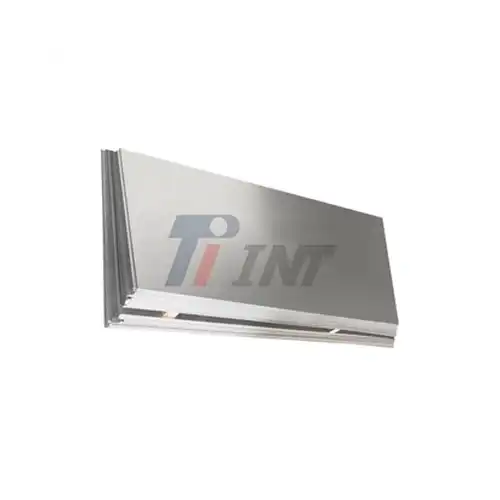
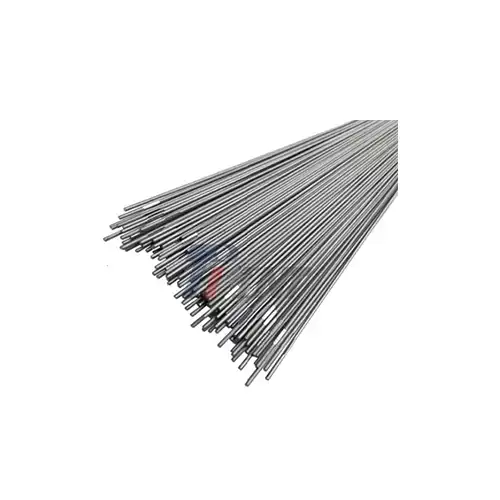
Baoji INT Medical Titanium Co., Ltd. brings over three decades of specialized experience in medical-grade titanium production to your device manufacturing challenges. Our comprehensive product line includes commercially pure titanium and Ti6Al4V ELI alloy bars, wires, plates, and precision forged components meeting ISO 13485:2016 and CE certification standards. We maintain rigorous quality control protocols including LECO ONH analysis, ultrasonic testing to AMS 2631 specifications, and complete material traceability supporting FDA compliance requirements.
As a Gr1 Titanium Medical Bar manufacturer serving orthopedic, dental, and surgical instrument sectors across North America, we understand procurement professionals require reliable supply chains delivering consistent material properties. Our technical support team assists with material selection, processing optimization, and quality documentation throughout product development and production scaling. Contact export@tiint.com today to request material certifications, discuss customization requirements, or arrange sample testing demonstrating our commitment to your manufacturing success.
References
1. American Society for Testing and Materials. (2021). ASTM B348-21: Standard Specification for Titanium and Titanium Alloy Bars and Billets. West Conshohocken, PA: ASTM International.
2. Brunette, D.M., Tengvall, P., Textor, M., & Thomsen, P. (2012). Titanium in Medicine: Material Science, Surface Science, Engineering, Biological Responses and Medical Applications. Berlin: Springer-Verlag.
3. International Organization for Standardization. (2016). ISO 13485:2016 Medical Devices — Quality Management Systems — Requirements for Regulatory Purposes. Geneva: ISO.
4. Niinomi, M. (2019). Metals for Biomedical Devices, Second Edition. Cambridge: Woodhead Publishing.
5. SAE International. (2018). AMS 2631E: Ultrasonic Inspection of Titanium and Titanium Alloy Bars, Billets, and Forgings. Warrendale, PA: SAE Aerospace.
6. Williams, D.F. (2017). Biocompatibility Pathways and Mechanisms for Bioactive Materials: The Bioactivity Zone. Bioactive Materials, 2(4), 189-204.