What are the main differences among 3mm titanium sheet brands in terms of durability?


 2026-07-15 09:06:44
When buying titanium sheet 3mm for making medical devices, the differences in longevity between brands come from the purity of the material, the consistency of the alloy makeup, the accuracy of the processing, and the strictness of the quality control. Companies that make medical-grade titanium sheets, like Baoji INT Medical Titanium, make sure that their products have good corrosion resistance, controlled melting, and exact rolling parameters. They also go through thorough licensing processes.
On the other hand, industrial-grade sources might have differences from batch to batch, less tensile strength retention after thermal cycles, and less biocompatibility because of small impurities. These differences have a direct effect on how long implants last, how reliable surgery instruments are, and how well they follow the rules. This makes choosing a brand very important for procurement managers who care about long-term performance and patient safety.
|
|
|
Understanding Durability in 3mm Titanium Sheets
Core Mechanical and Chemical Properties
Titanium sheets' durability isn't just measured by how strong they are; it's a complex set of qualities that work together. Tensile strength tells you how hard a material is to break when it is pulled apart. It usually ranges from 345 MPa for commercially pure grades to over 895 MPa for Ti6Al4V alloys. Titanium is resistant to corrosion because it can form a solid, protective oxide layer that heals itself when it gets harmed.
This makes it almost immune to the chloride-induced degradation that weakens stainless steel. Fatigue life is a material's ability to handle repeated loads without cracking. This is very important for implants that are put through millions of stress cycles when the body moves normally. When things are sterilised or used in surgery that uses heat, their heat tolerance decides how stable their dimensions are and how well their mechanical properties stay the same.
Industry Standards and Testing Protocols
Medical-grade titanium sheets have to meet strict rules set by ASTM International, ISO, and government agencies like the FDA. ASTM F136 sets strict limits on the amount of oxygen, nitrogen, and iron that can be in Ti6Al4V ELI (Extra Low Interstitial) alloy, which is used in medical implants. These limits are needed to make sure that the alloy is biocompatible and reliable mechanically.
The ASTM F67 standard covers types of titanium that aren't alloyed, and the ASTM B265 standard covers general titanium sheet specs. Implant-grade metals are treated the same all over the world according to ISO 5832-3. Standardised methods are used in testing processes to check tensile characteristics, yield strength, elongation, hardness, and grain structure. Traceability and quality assurance are important for regulatory reports and risk management, and third-party verification from accredited labs offers them.
Alloy Grades and Mechanical Characteristics
Different types of titanium have very different profiles for how long they last. Grade 1 is the most resistant to rust and easy to shape, but it is also the weakest (240 MPa tensile). Grade 2 titanium is the most common type used in industry. It is strong (345 MPa) and doesn't rust or react badly with living things. Grade 5 (Ti6Al4V) has a much higher strength (895 MPa minimum) thanks to the alloying of aluminium and vanadium.
This makes it ideal for implants that hold weight and medical tools that need to last a long time. Grade 23 (Ti6Al4V ELI) is the best choice for permanent implants because it has the same strength as Grade 5 but fewer interstitial elements, which makes it more biocompatible and harder to break. When procurement workers understand these differences, they can choose materials that are best for a given purpose and the stress conditions that are expected.
Comparing Durability Across Leading 3mm Titanium Sheet Brands
Brand Profiles and Alloy Offerings
Long-standing makers have become experts at making titanium sheets that meet very high standards for toughness. Titanium Metals Corporation (TIMET) brings decades of experience in aircraft to medical uses by providing a wide range of grades and strict process controls. ATI (Allegheny Technologies Incorporated) makes high-purity metals that are very consistent from one production run to the next. Mr. Zhan Wenge started Baoji INT Medical Titanium in 2003.
He is an industry professional with more than 30 years of experience working with titanium. Since then, the company has become a leader in medical-grade titanium research, development, and production. Our business offers a wide range of medical titanium goods, such as pure titanium, Ti6Al4V ELI alloys, and rods, wires, plates, and forged parts made to special requirements. Each brand has its own unique ways of making things, which affect how long the finished product lasts.
Manufacturing Process Impact on Durability
How long titanium sheet 3mm lasts depends on how precisely it is made at every step of the production process. How the metal is melted affects its purity and uniformity. Vacuum arc remelting (VAR) and electron beam cold hearth melting (EBCHM) get rid of impurities and make sure the metal has a regular composition, which is important for knowing its mechanical properties. The rolling factors determine the structure, texture, and patterns of leftover stress that affect how well the material resists fatigue and how easily it can be shaped.
The final microstructure is set by the annealing temperatures and cooling rates, which find a balance between strength and flexibility. The way a surface is finished affects how resistant it is to rust and how well it works with living things. Brands that use advanced process controls and real-time tracking get better results with tighter tolerances and less property difference between runs. Through 30 years of hands-on research and development, Baoji INT Medical Titanium has mastered cutting-edge production technologies. This gives them technical and equipment benefits that make sure all of the materials they deliver work consistently well in terms of durability.
Quality Certifications and Verification Systems
With certifications, you can see for yourself that a company is serious about quality and longevity. ISO 13485:2016 sets specific standards for making medical devices, such as design controls, process validation, and tracking systems. ISO 9001:2015 sets up broad quality management frameworks. AMS (Aerospace Material Specifications) approvals show that you can meet strict aerospace standards, which are often higher than medical standards.
The CE mark shows that a medical product meets European safety standards. Leading brands keep a lot of licenses that cover a lot of different market sectors. All of Baoji INT Medical Titanium's goods are certified by ISO 9001:2015, ISO 13485:2016, and EU CE. This means that every sheet meets the highest quality and safety standards around the world. These qualifications, along with third-party checks and ongoing tracking, give procurement pros peace of mind that certain durability characteristics will always be met.
Real-World Performance Data and Customer Feedback
The benefits of durability are most clear when outdoor performance is recorded and customers stay with a product for a long time. Case studies from companies that make orthopaedic implants show how the stability of the material affects the results of surgery and the number of revisions.
Dental equipment makers say that different sources have different tolerances for tool life and sterilisation cycle tolerance. Surgical tool makers keep an eye on how well different brands keep their edges and how well they fight rust. Baoji INT Medical Titanium has built strong relationships with major device makers that last more than ten years, proving that their products meet the highest standards of longevity.
Customer reviews always talk about how stable our materials are, how reliable our deliveries are, and how good our technical support is. These are all things that show how durable and easy to work with our titanium sheets are. This built-up operating proof gives procurement teams more than just test certificates and specification sheets to back up their claims.
How Brand Choice Affects 3mm Titanium Sheet Durability in Key Applications
Medical Implants and Surgical Devices
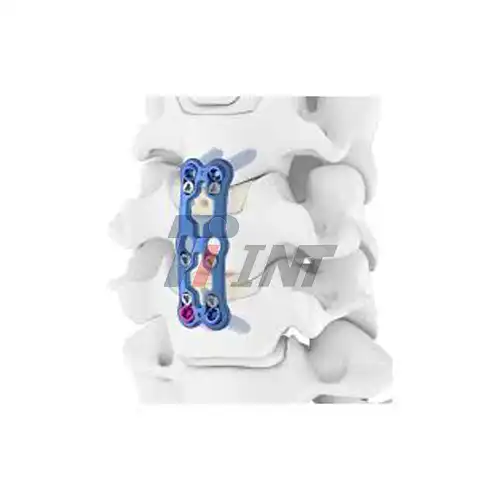
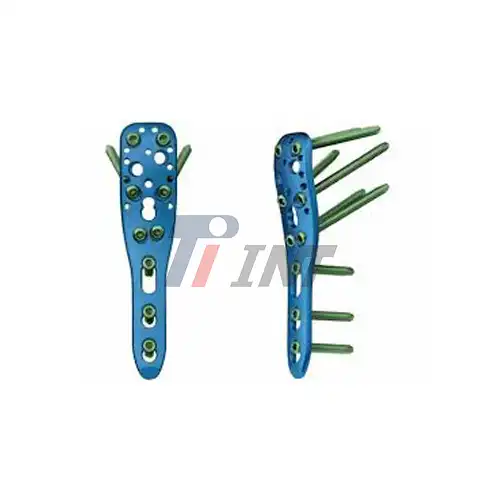
In medical uses, where failure of a material could hurt a patient or lead to legal problems, durability standards are the strictest. During their service lives, orthopaedic implants like trauma plates, spine fusion devices, and joint parts are loaded and unloaded millions of times. This means that the materials used must be very resistant to wear and not break down easily. Biocompatibility and osseointegration success rates are directly affected by how pure the material is. Crack propagation resistance under repeated stress is affected by the structure of the grains.
Brands that focus on making medical-grade products use more limits and testing procedures than are required by industry standards. For medical uses only, our company makes sure that every titanium sheet 3mm meets the high standards for purity, stability in mechanical properties, and tracking documentation needed for implantable devices. This specialisation means that the product will last longer in the harsh biological environment, where resistance to rust and mechanical stability are important for clinical success.
Surgical Instruments and Dental Tools
Surgical equipment and oral tools need titanium sheets that stay the same size, don't wear down, and can be sterilised many times without losing their properties. Materials for cutting tools need to be able to keep their edges sharp through many uses. When loads are put on retractor and tools, they must not permanently bend. High temperatures and pressures are used in autoclaving, which can change the composition of lower-quality metals.
In these situations, brands that have fine control over the content of interstitial elements and thermal processes last longer. Our advanced production methods and strict quality control procedures ensure that the titanium sheets we sell to companies that make surgical instruments keep their consistent hardness, excellent machinability for complex geometries, and stable mechanical properties through hundreds of sterilisation cycles.
Industrial and Marine Applications Comparison
Even though our main focus is on medical uses, considering the durability needs of different industries gives us useful information. Titanium is exposed to aggressive corrosive media like concentrated acids, chloride solutions, and seawater in industrial chemical processes and coastal settings. The choice of material affects how long equipment lasts. In aerospace uses, strength at a low weight and resistance to wear at high and low temperatures are very important. Through accelerated real-world tests, these tough situations show how different brands hold up over time.
Materials that meet medical-grade standards are usually better than those used in industry because they have tighter makeup tolerances and better quality control. Because of this performance hierarchy, medical device makers are choosing suppliers with medical certifications more and more instead of general industrial-grade materials that might look the same on basic specification sheets but don't have the process rigour to make sure they last.
Practical Considerations When Procuring 3mm Titanium Sheets for Durability
Certification Verification and Quality Assurance
Before starting to work with a seller, procurement success starts with making sure that all certifications are valid. For each production lot, you should ask for full material test records (MTRs) that list the chemicals used, the mechanical qualities, and the details of the heat treatment. Check to see if the tests were done by third-party labs that have been approved and that used calibrated tools that can be traced back to national standards.
Make sure that the ISO 13485 approval covers the production of titanium sheets as well as their sale. Look over audit files and records of corrected actions that show a dedication to ongoing growth. Baoji INT Medical Titanium includes full tracking paperwork with every package, such as MTRs, copies of certifications, and processing records. This makes the whole supply chain clear. This paperwork backs up your regulatory submissions, quality checks, and risk management processes. It also gives you peace of mind that certain durability traits are real and can be checked.
Custom Processing Effects on Structural Integrity
If done wrong, custom cutting, shaping, and surface processes can have a big effect on how long a titanium sheet lasts. Waterjet and laser cutting leave behind very few heat-affected zones, but the parameters need to be tweaked to avoid microcracking. Shearing can make edges harder to work with and leave behind stresses that can affect later making steps. To keep titanium from breaking when bent, radius-to-thickness ratios must be bigger than those for steel. The exact requirements depend on the grade and temper.
Surface processes like passivation, polishing, and coating need to be carefully managed so that they improve rust protection instead of making it worse. Working with suppliers who have a lot of experience with processing makes sure that customisation doesn't affect the sturdiness of the material itself, especially when starting from titanium sheet 3mm stock. Our company has been making titanium parts for 30 years, so we can give a wide range of processing services. These include precision turning, milling, and die forging, all of which keep the material's structure as it goes from sheet stock to finished parts.
Supply Chain Reliability and Logistical Factors
Durability concerns go beyond the qualities of the material and include the reliability of the supply chain. When suppliers aren't reliable, producers have to check out more than one source, which raises the cost of validation and increases the risk of unpredictability. Long lead times make it hard to keep track of supplies and stick to production plans. When minimum order amounts are not in line with usage rates, it can be hard to manage cash flow. These risks can be reduced by building ties with financially sound suppliers who have enough capacity and inventory depth.
A lot of widely ordered grades and sizes are kept in stock by us, so we can quickly meet the needs of both prototypes and production numbers. Our well-organised production planning and export processes make sure that deliveries happen on time, which supports just-in-time manufacturing strategies and gives businesses the supply security they need to keep running. This dependability is especially important when the materials are approved for certain medical device registrations and source changes mean that expensive revalidation processes have to be carried out.
Making an Informed Brand Selection for Durable 3mm Titanium Sheets
Evaluation Criteria Beyond Price
When longevity issues are taken into account, purchasing choices that are based mostly on unit price often lead to higher total cost of ownership. If a material doesn't have great mechanical qualities, it might need to be changed in the design, which could make the gadget heavier or bigger, which would lower its performance. Variability from batch to batch means that arriving inspections have to be done more often, which increases handling costs and delays. Early mistakes in the field lead to warranty claims, damage to the company's image, and the possibility of being sued for a lot more than the material savings.
On the other hand, higher starting costs are worth it for high-quality materials from well-known sources because they consistently perform, require fewer inspections, and make devices more reliable. Along with price, evaluation frameworks should take into account how full the certification is, how well the process is documented, how many customer references there are from similar apps, and how easy it is to get expert help. This thorough evaluation shows the real differences between commodity providers and strategic partners who can help your business succeed throughout the duration of a product.
Establishing Strategic Supplier Partnerships
Long-term partnerships with reliable titanium sources are good for both sides in ways that go beyond simple transactions. Preferred sellers can see how much is being produced, which helps with planning capacity and making the best use of supplies. Customers get first choice when supplies are low, expert help with new uses, and good business terms that show how valuable the relationship is. When people work together on development, they can find the best alloys, processing settings, and quality control methods for each application.
When there are problems with field performance, collaborative problem-solving works better than hostile provider management. Baoji INT Medical Titanium's business plan is based on long-term partnerships. Many of its users have been working with the company for more than ten years. We've been working together for a long time because we care about providing great customer service, consistent quality, and on-time deliveries. These are the basic parts of a good supply relationship that help your business run smoothly.
Bulk Procurement Strategies for Consistency
When volume buying plans are matched with real usage patterns, both cost savings and quality consistency are maximised. By combining needs with fewer qualified sellers, you have more power to get better prices and terms, and it's also easier to control quality. Blanket purchase deals with planned releases keep supplies safe while lowering inventory. Both parties can make plans more easily when they agree to yearly volume promises in exchange for price safety and capacity guarantees.
Choosing lot sizes and asking for production from common heats when possible reduces the amount of property difference between orders. We work closely with customers to set up purchasing plans that meet their specific business needs. This could be for supporting pilot production with small amounts and short lead times, or it could be for setting up yearly supply deals for well-known goods that are used in predictable amounts. When you combine this freedom with our production capacity and stocking depth, you can make buying decisions that make you more competitive while still making sure that the materials you use last a very long time.
Conclusion
Different titanium sheet 3mm providers have different levels of durability because their materials are not all the same, their processes are not all precise, their quality systems are not all the same, and some focus on certain applications more than others. Medical device makers, surgery tool makers, and implant suppliers get the best results when they work with specialised suppliers that have strict certifications, a track record of success, and a lot of technical knowledge in making medical-grade titanium.
The choice isn't just based on price; it's based on the total value, which includes things like regulatory support, supply reliability, professional cooperation, and long-term performance guarantee. With the help of thorough evaluation frameworks, procurement professionals can find sellers who can consistently deliver longevity that protects product integrity, boosts competitiveness, and supports long-term market success.
FAQ
How do the different types of titanium affect how long they last in medical settings?
The choice of titanium grade has a big impact on how long it will last for certain medical uses. Commercially pure titanium grade 2 is the strongest and most resistant to corrosion. It is also biocompatible and has a middling strength (345 MPa tensile), which makes it a good choice for non-load-bearing implants, dental abutments, and surgical tools where shapeability is more important than strength. Grade 5 (Ti6Al4V) has a much higher strength (895 MPa) thanks to the aluminum-vanadium alloying.
It is good for orthopaedic implants, trauma plates, and load-bearing parts that are subjected to a lot of cycle loads. Grade 23 (Ti6Al4V ELI) is as strong as Grade 5 but has less oxygen, nitrogen, and iron in the interstitial space. This makes it easier to shape and harder to break, which is important for permanent implants where long-term safety depends on not letting cracks spread. The best grade strikes a mix between the need for strength, the need for biocompatibility, and the need for processing characteristics for your application and regulatory route.
What licenses should I look for when I'm looking for strong titanium sheets?
ISO 13485:2016 medical device quality management system certification shows design controls, process validation, and traceability systems specific to medical production. This is an important certification that shows a seller can provide durable medical-grade titanium. ISO 9001:2015 gives basic quality management rules that can be used in any industry. Compliance with ASTM F136 or F67 shows that materials meet the standards for chemical makeup and mechanical properties for surgical implants.
The CE mark proves that a medical device meets European safety standards. Ask for material test records from certified labs that list the properties of each lot, make sure that the certification covers production of titanium sheets as well as distribution, and look over audit histories to make sure that ongoing compliance is being met. Comprehensive certification portfolios show that providers follow the right steps in the production process to make sure that the final product meets all legal and clinical standards for longevity.
Does custom processing affect the structural integrity of titanium sheets?
When done wrong, custom processing has a big effect on the longevity of titanium sheets, but when done right, it makes them more useful for specific applications. Cutting methods that use a lot of heat, like plasma or laser cutting that isn't set up right, make heat-affected zones with changed microstructure and the possibility for microcracking. When you shear something, the edges get harder and there are leftover pressures. Titanium's hexagonal crystal structure makes it less flexible than steel at room temperature, so forming processes need to be carefully controlled.
For complex geometries, bigger bend radii and possibly higher temperatures are needed. Surface treatments should make the protective oxide layer stronger, not weaker, so that it can fight rust. Working with processors that have a lot of experience with titanium—decades of experience, a wide range of skills, and a focus on medical devices—ensures that customisation keeps the material's natural durability while delivering parts that are optimised for your specific assembly and performance needs.
Partner with Baoji INT Medical Titanium for Superior Durability Performance
Finding the best titanium sheet 3mm provider is the first step to making great medical devices and leading the market. Baoji INT Medical Titanium has over 30 years of experience in the field and a specific focus on medical-grade materials. This gives them unmatched longevity, biocompatibility, and regulatory compliance. Our wide range of products, including pure titanium, Ti6Al4V ELI alloys, and custom specs, meets a wide range of application needs while keeping the high quality standards that top producers around the world expect.
We give you full certification paperwork, quick technical help, and reliable shipping that makes your operations run more smoothly and speeds up time-to-market. As a trusted titanium sheet 3mm maker and strategic partner, our team is ready to help you succeed, whether you need small quantities of prototypes for research and development or large numbers of production supplies for well-known devices.
Get in touch with our purchasing experts at export@tiint.com right away to talk about your unique needs, ask for samples of materials to evaluate, or get full quotes. Find out how working with Baoji INT Medical Titanium can give your medical device business the durability guarantee, supply security, and competitive edge it needs.
References
1. Boyer, R., Welsch, G., & Collings, E.W. (1994). Materials Properties Handbook: Titanium Alloys. ASM International, Materials Park, Ohio.
2. Donachie, M.J. (2000). Titanium: A Technical Guide, 2nd Edition. ASM International, Materials Park, Ohio.
3. Froes, F.H. (2015). Titanium: Physical Metallurgy, Processing, and Applications. ASM International, Materials Park, Ohio.
4. Rack, H.J. & Qazi, J.I. (2006). Titanium Alloys for Biomedical Applications. Materials Science and Engineering C, 26(8), 1269-1277.
5. Schutz, R.W. & Watkins, H.B. (1998). Recent Developments in Titanium Alloy Applications in the Energy Industry. Materials Science and Engineering A, 243(1-2), 305-315.
6. Veiga, C., Davim, J.P., & Loureiro, A.J.R. (2012). Properties and Applications of Titanium Alloys: A Brief Review. Reviews on Advanced Materials Science, 32(2), 133-148.
_1753926358324.jpg)
_1753426579714.webp)