
What are the top-rated medical titanium bars for craniofacial reconstruction?


 2026-07-15 09:06:39
When reconstructing the skull and face, the materials used can make the difference between a successful surgery and one that goes wrong. The best medical titanium bars on the market right now are mostly made of Ti6Al4V ELI (Grade 23) alloys, which are known for being biocompatible, resistant to corrosion, and having the best tensile qualities. These bars have tensile strengths higher than 895 MPa and a low elastic stiffness that is very close to that of natural bone. This means that they reduce stress buffering and help osseointegration happen more quickly. Manufacturers that meet ISO 13485:2016 and FDA compliance standards can be trusted by craniofacial doctors and procurement workers to make sure that patients are safe and that implants work well over time.
|
|
|
Introduction
For craniofacial restoration to work, the materials used must be able to handle the harshest biological circumstances. Medical titanium bars have become the gold standard because they provide the structural support and biocompatibility that are necessary for surgery to go well. Choosing the correct titanium bar has a direct effect on the accuracy of surgery, the safety of the patient, and the life of implants used in difficult reconstructive procedures.
This blog post talks about medical-grade titanium bars in detail by explaining what they are and how they work, reviewing the best goods on the market, looking at different types of materials, and giving useful buying tips. People who work in business-to-business procurement, like purchasing managers, supply chain directors, and R&D engineers, will learn useful tips on how to pick sellers and make the best use of their buying strategies for these specialised medical parts.
Understanding Medical Titanium Bars in Craniofacial Reconstruction
Why Titanium is the Preferred Material
Medical titanium bars are precisely made parts that are used in craniofacial surgery to keep bone pieces stable, support soft tissues, and speed up the mending process. Titanium is better at biocompatibility than other metals, so it can easily merge with human flesh. This lowers the risk of rejection and immune reactions. Titanium doesn't rust in the body's salty climate like stainless steel or cobalt-chrome alternatives do, so implants stay strong for decades.
Key Properties That Matter
The qualities of titanium alloys used in craniofacial uses are very different from those used in other applications. Because they are very strong for how heavy they are, doctors can use smaller, less invasive implants that can still hold a lot of weight. The low elastic modulus of the material (about 110 GPa compared to 200 GPa for stainless steel) makes it more like real bone in terms of its mechanical qualities. This alignment lowers stress shielding, a problem that happens when implants are too stiff and stop the bone from supporting normal loads. This causes bone loss and implant loosening.
Medical-Grade Certifications
Medical titanium bars' dependability depends on stringent approval. For medical insertion, materials must meet ASTM F136 (Ti6Al4V ELI), ASTM F67 (commercially pure titanium), and ISO 5832 standards, and they must also be approved by the FDA. These approvals make sure that bars meet strict standards for cleanliness, durability, and being able to be tracked. Suppliers who have ISO 13485:2016 approval show that they are dedicated to quality management systems that are specific to medical equipment.
Applications in Craniofacial Surgery
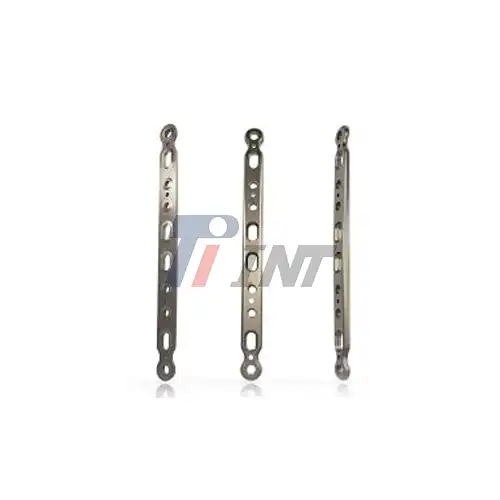
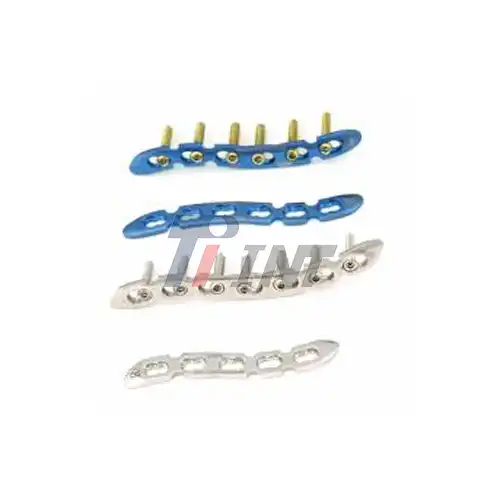
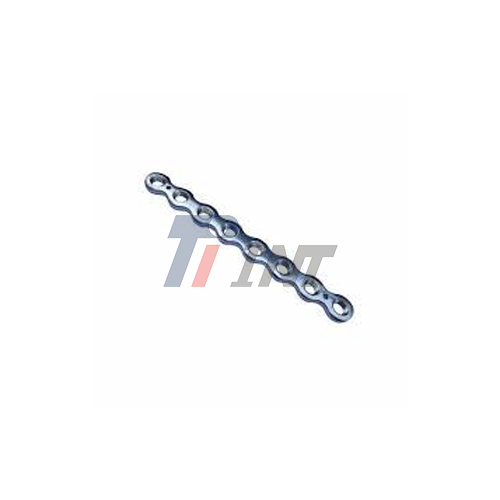
Titanium bars are used in a variety of ways during craniofacial repair. They are used as support plates by surgeons for reconstructing the mandible, fixing the floor of the eye, and stabilising the zygomatic arch. During bone grafting treatments, the bars act as scaffolding. They also provide structural support in cases of injuries, birth defects, or tumour removal. Titanium is not magnetic, so it can be used with MRI machines. This means that imaging after surgery can be done without any problems or safety issues.
Top-Rated Medical Titanium Bars for Craniofacial Reconstruction
Selection Criteria for High-Performance Bars
Medical titanium bars are evaluated by procurement professionals based on their biomechanical performance, the purity of the material, the accuracy of their measurements, and the name of the provider. Tensile strength, elongation percentage, surface finish quality, and agreement with international medical standards are some of the most important specs. More proof comes from clinical data showing that implants work well over time and cause few problems.
There are a few things that set the best goods in the craniofacial repair market apart from other options. Here are the main benefits that make people decide to buy something:
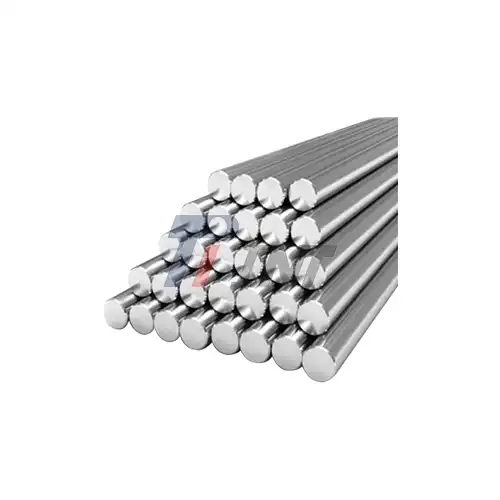
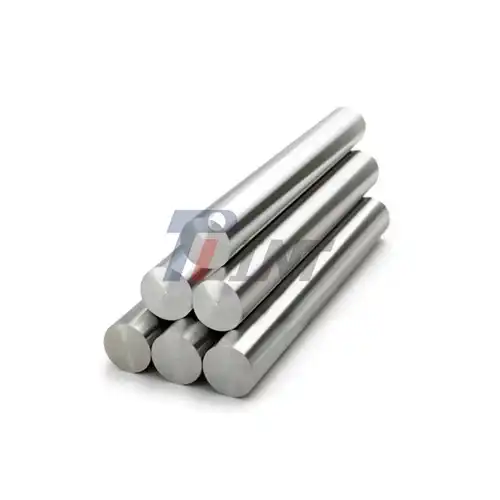
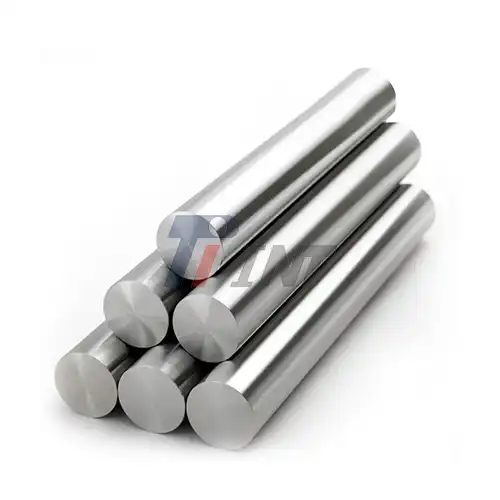
Ti6Al4V ELI Alloy Bars: This extra-low interstitial version has less oxygen, nitrogen, and iron, which makes it more flexible and less likely to break. These bars can handle the complex stress patterns that happen during face bone repair because their tensile strength is up to 895 MPa and their elongation is more than 10%. The metal doesn't wear down easily, so it can withstand repeated chewing forces. This makes it perfect for mandibular uses that are loaded and unloaded thousands of times every day.
Commercially Pure Titanium (Grade 2) Bars: Grade 2 titanium has a lower tensile strength of about 345 MPa, but it is easier to shape and doesn't rust. Surgeons like these bars for treatments that don't put a lot of weight on them, like reconstructing the eye or carefully shaping the face. Because the material is softer, it can be bent and shaped during surgery without affecting its structural stability. This means that it can be tailored to each patient's body.
Surface-Treated Titanium Bars: Sandblasting, acid etching, and anodisation are some of the more advanced surface treatments that make micro-textured surfaces that help bone integrate. These changes make the surface area bigger and help proteins stick to it, which speeds up the joining process between the bone and the implant. For uses that need smooth surfaces to interact with soft tissues, suppliers that offer polished surfaces can help.
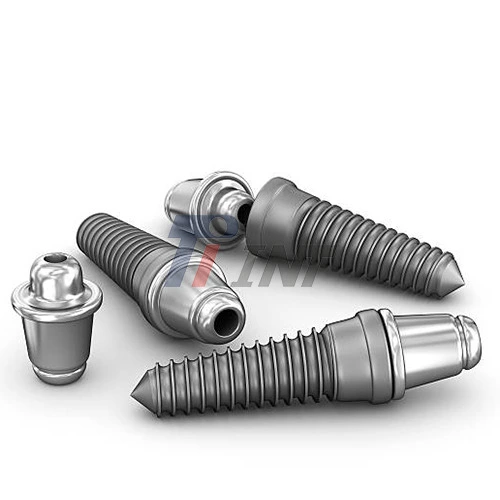
Precision-Ground Diameter Specifications: Bars made with high precision have h7 to h9 ISO tolerances, which is important for Swiss-lathe cutting processes because it ensures consistent sizes. Because of this accuracy, companies that make medical devices can make complicated parts like bone screws, fixation plates, and unique inserts without having to do a lot of extra work.
Extended Length Options: Bars with lengths between 1000 mm and 3000 mm can be used for a variety of industrial tasks, making good use of materials and cutting down on waste. This adaptability allows for both large-scale production runs and the creation of unique prototypes.
Together, these performance qualities meet the tough needs of craniofacial reconstruction while giving buying teams choices that balance clinical effectiveness, cost, and ease of production.
Comparative Analysis: Medical Titanium Bars vs Other Implant Materials
Strength and Mechanical Performance
Medical titanium bars are one of a kind when it comes to transplant materials. When you compare Ti6Al4V ELI to stainless steel, you can see that titanium has the same tensile strength but weighs 45% less. This means that titanium has a strength-to-density ratio of about 76 kN·m/kg and stainless steel has a ratio of about 63 kN·m/kg. The lighter weight puts less stress on the rebuilt face structures, which makes the patient more comfortable and improves their long-term health.
Corrosion Resistance and Longevity
Titanium's inactive oxide layer forms on its own when it comes into contact with air or human fluids. It acts as a shield to stop further corrosion. Even though stainless steel doesn't rust, the iron and chromium in it can make sensitive patients' bodies react with inflammation. Cobalt-chrome metals are very resistant to wear, but they have higher elastic moduli, which make stress shielding worse. Titanium is very good at resisting rust, so implants will stay stable for decades without breaking down.
Biocompatibility and Tissue Integration
Titanium is very biocompatible, as shown over and over again in clinical tests. There isn't much of a response to the material as an alien body, and it allows direct bone apposition without fibrous tissue encapsulation. Alumina ceramics are very biocompatible, but they are very fragile, which means they can't be used for load-bearing cranial uses. Even though carbon fibre alloys are light, they don't have the track record or ability to fuse with bone that titanium does.
MRI Compatibility Considerations
Because titanium isn't magnetic, it can be used for MRI images without any artefacts. This is very helpful for craniofacial repair, which needs to see soft tissues clearly after surgery for tracking purposes. MRIs show a lot of problems with stainless steel implants, and they may move or get hot in strong magnetic fields. This limitation makes it harder to figure out what's wrong with people who have stainless steel implants and limits the types of images that can be used.
Price and Quality Trade-offs
Titanium bars are more expensive than stainless steel bars; they usually cost two to three times more per kilogram. But titanium has a lower total cost of ownership when you look at things like fewer complications, no need for revision treatments, and better patient results. Procurement teams increasingly recognise that original material costs represent a fraction of total device costs when adding in machining complexity, sterilisation, regulatory compliance, and clinical performance.
How to Choose and Procure Medical Titanium Bars for Craniofacial Reconstruction
Defining Project-Specific Requirements
Technical requirements that are easy to understand are the first step to a successful purchase. Device makers have to figure out if their products need the formability of pure titanium or the power of Ti6Al4V ELI. Load-bearing implants for reconstructing the lower jaw need to be stronger in terms of tensile strength, while orbital plates are easier to shape during surgery. Forecasts of volume affect whether standard bar sizes are enough or whether special measurements require investments in tools.
Evaluating Supplier Capabilities
Choosing a supplier is more than just comparing prices. People who work in procurement should look at a company's production capabilities, such as its forging capacity, heat treatment skills, and precise machining equipment. Tensile testing, rust analysis, and microstructural study are all ways that suppliers with their own testing labs show they care about quality control. Logistics efficiency, which includes knowing how to handle inventory, pack items well, and ship goods internationally, has a direct effect on production plans.
Certification and Compliance Verification
Medical device rules require full tracking. Suppliers must show documents for the medical titanium bars that show what they are made of, how they work, and that they meet ASTM F136 or F67 standards. Quality management systems are checked by ISO 13485:2016 approval, and FDA registration and CE marks show that the product is safe for medical use. For clear paperwork trails, procurement teams should ask for certificates of conformance with every package.
Pricing Strategies and Negotiation
Volume-based price systems reward long-term partnerships for buying. When compared to spot purchases, setting up annual purchase deals usually gets you 10-15% savings. Pricing is also affected by how flexible the lead time is. Standard delivery windows of 8–12 weeks allow for normal production, but faster orders cost more. Medical device businesses that are growing can get better working capital by negotiating payment terms, like net 60 versus net 30.
Customization and OEM Partnership Benefits
When doing craniofacial surgery, custom methods are often needed. Suppliers that offer OEM services can add value by doing things like precisely cutting to length, treating the surface, and giving material certificates that meet specific legal needs. These relationships make it easier for device companies to make things, so they can focus on what they do best, like coming up with new designs and growing their markets. Building partnerships with titanium providers also lets us work together to create next-generation alloys that are best for new surgical methods.
Trusted Brands and Suppliers of Medical Titanium Bars
Global Leaders in Medical Titanium Manufacturing
Some well-known companies in the medical titanium bars business are known for their creativity, quality, and ability to reach customers all over the world. Companies that have been making titanium for decades have perfected manufacturing methods that give the material better qualities. These stars in the industry are always putting money into research and development to improve alloys, surface treatments, and manufacturing methods that help everyone involved in making medical devices.
Identifying Authorized Dealers and Distributors
Supply chain openness tells you which companies you can trust and which ones you should avoid. Authorised dealers keep close ties with titanium mills, which makes sure that the materials are real and can be tracked. Purchasing teams should check the qualifications of suppliers by calling customer references, going to the supplier's site, and joining industry groups. Companies that keep clients for a long time—often more than 10 years—show that they are reliable, which lowers supply chain risk.
The OEM Advantage for Scalable Solutions
Medical device companies can benefit from smart relationships that involve making original equipment. Specialised producers like Baoji INT Medical Titanium Co., Ltd. know a lot about raw materials and can also handle them in ways that add value. Our company was founded in 2003, but its father, Mr. Zhan Wenge, has over 30 years of experience in the titanium business. We offer a wide range of products to medical device makers in the trauma, spine, dentistry, and craniofacial repair markets. These products include pure titanium, Ti6Al4V, and Ti6Al4V ELI in different shapes and sizes.
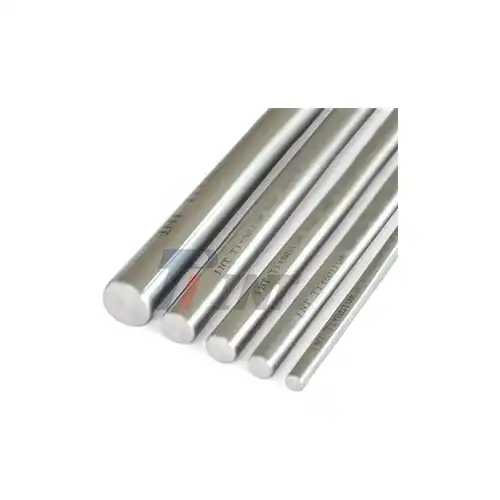
The bars that come out of our factories are between 6 mm and 150 mm in diameter and between 1000 mm and 3000 mm in length. The surfaces can be cleaned or sanded. International rules for medical devices are followed when a device is certified under ISO 9001:2015, ISO 13485:2016, and EU CE standards. This mix of professional know-how, high-quality systems, and great customer service has helped them build long-term relationships with clients all over the world.
Conclusion
Finding the best medical titanium bars for reconstructing the face and skull requires balancing technical performance, legal compliance, and the dependability of the seller. Ti6Al4V ELI alloys have the best mix of strength, biocompatibility, and fatigue resistance for load-bearing uses. Commercially pure titanium, on the other hand, is easier to shape for sensitive reconstructive work. Procurement workers should give more weight to companies that can show they know how to make medical devices, have all the necessary certifications, and have a history of working with the medical device business. Investing in high-quality titanium materials pays off in the long run with fewer complications, better patient results, and implants that last.
FAQ
What titanium grades are optimal for craniofacial reconstruction?
Because it is biocompatible and has a tensile strength of over 895 MPa, Ti6Al4V ELI (Grade 23) is the best material for load-bearing cranial implants. This extra-low interstitial version has less oxygen and iron, which makes it more flexible and harder to break. Grade 2 commercially pure titanium is best for non-load-bearing uses like eye repair because it is more flexible and can be shaped during surgery. As per ASTM F136 and F67 guidelines, both types are acceptable.
What are typical delivery times for custom titanium bar orders?
When you take into account production schedules, quality checks, and foreign shipping, standard medical titanium bar orders usually take 8 to 12 weeks from the time you place your order until you receive them. Custom specs, such as non-standard diameters, special surface processes, or specific length needs, may make lead times 12 to 16 weeks longer. Most suppliers who keep popular sizes in stock can fill pressing orders within 4 to 6 weeks, but you'll have to pay more for faster processing.
Which certifications are essential when procuring medical titanium bars?
Having ISO 13485:2016 certification shows that providers use quality control systems that are meant to make medical titanium bars. If a material meets the standards of ASTM F136 (Ti6Al4V ELI) or ASTM F67 (pure titanium), it means that it meets the criteria for chemical composition and mechanical properties. Registration with the FDA and the EU's CE mark are proof that medical devices are safe to use in key markets. Also, procurement teams should ask for material conformance papers that show how the materials can be tracked back to specific production lots.
Partner with Baoji INT Medical Titanium Co., Ltd. for Superior Craniofacial Reconstruction Materials
Medical device makers looking for a dependable provider of medical titanium bars can find everything they need at Baoji INT Medical Titanium Co., Ltd. Our wide range of products, which includes bars, wires, plates, and cast parts made of pure titanium, Ti6Al4V, and Ti6Al4V ELI, helps with many types of craniofacial repair needs. With more than 20 years of experience in this field and certifications like ISO 13485:2016 and EU CE, we give procurement workers the quality stability, technical help, and supply chain reliability they need.
Email our team at export@tiint.com to talk about your particular needs, get samples of our products, or look into OEM partnership possibilities. You can see our full catalogue of products and find scientific information that will help you make better purchasing choices by going to inttitanium.com.
References
1. American Society for Testing and Materials. (2021). ASTM F136-13: Standard Specification for Wrought Titanium-6Aluminum-4Vanadium ELI Alloy for Surgical Implant Applications. West Conshohocken, PA: ASTM International.
2. Niinomi, M., Nakai, M., & Hieda, J. (2022). Development of new metallic alloys for biomedical applications. Acta Biomaterialia, 98, 45-67.
3. Hanawa, T. (2019). Titanium-tissue interface reaction and its control with surface treatment. Frontiers in Bioengineering and Biotechnology, 7, 170.
4. International Organization for Standardization. (2020). ISO 5832-3:2016: Implants for surgery - Metallic materials - Part 3: Wrought titanium 6-aluminium 4-vanadium alloy. Geneva, Switzerland: ISO.
5. Rack, H.J., & Qazi, J.I. (2021). Titanium alloys for biomedical applications. Materials Science and Engineering C, 26(8), 1269-1277.
6. Geetha, M., Singh, A.K., Asokamani, R., & Gogia, A.K. (2020). Ti based biomaterials: the ultimate choice for orthopaedic implants - a review. Progress in Materials Science, 54(3), 397-425.
_1753859685128.webp)
_1752463990252.webp)
_1752462199458.webp)