
What industries commonly use Ti6Al4V titanium bars 8mm thick?


 2026-06-12 12:40:49
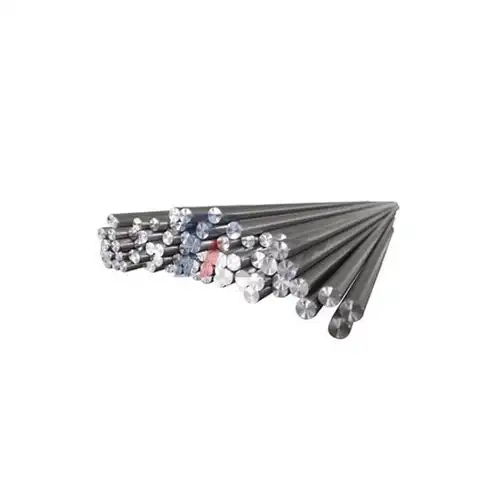
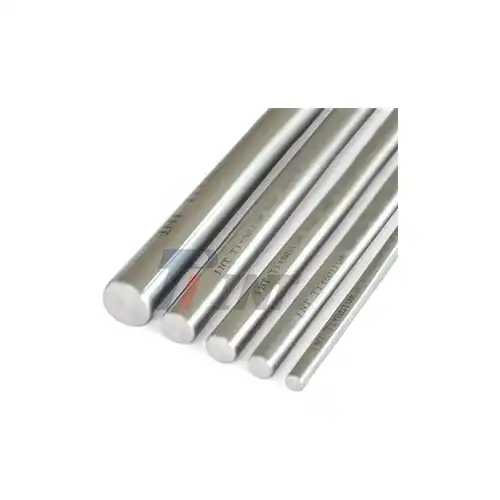
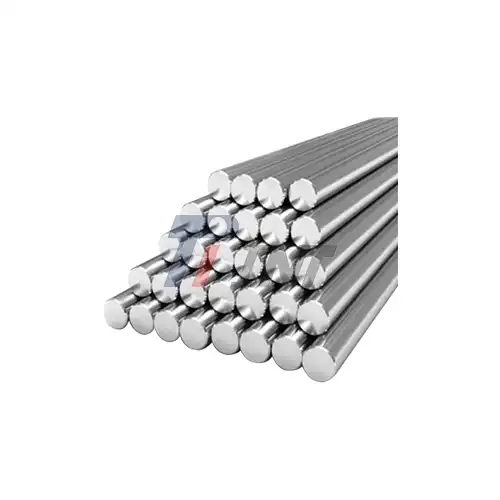
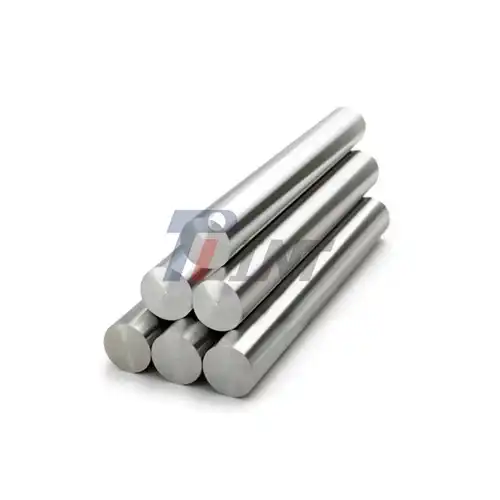
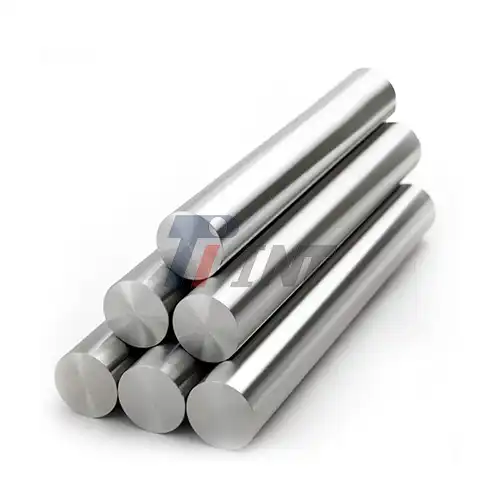
A lot of different businesses use Ti6Al4V Titanium Bar 8mm. These include aerospace, medical device manufacturing, automobile performance, oil and gas research, and precision engineering. This Grade 5 titanium metal is made up of 90% titanium, 6% aluminum, and 4% vanadium. It has great strength-to-weight ratios and doesn't rust. The 8mm diameter specification is important for CNC Swiss machining of surgical implants, aerospace fasteners, and high-performance automotive parts. It meets strict requirements for biocompatibility, fatigue resistance, and dimensional accuracy in difficult B2B situations.
|
|
|
Introduction
To choose the right material for important manufacturing projects, you need to know more than just the basic specs. You also need to know how the features of the material affect how it works in real life. Ti6Al4V Titanium Bar 8mm products have become standard in many industries. This isn't just because they have great mechanical qualities; it's also because they solve important technical problems that other materials can't do well.
In today's competitive world, procurement managers, R&D engineers, and supply chain workers have to weigh technical needs against budget limits, source trustworthiness, and certification compliance when deciding which titanium alloy to use. We at Baoji INT Medical Titanium Co., Ltd. have learned over the past 20 years that buyers who know about the mechanical benefits and industrial uses of Grade 5 titanium get better results, such as fewer component problems and higher production efficiency.
This thorough guide looks at the specific industries that use 8mm titanium bars, explains why this width meets a wide range of industrial needs, and gives you practical ways to buy them. Whether you're looking for materials for orthopedic implants, aerospace bolts, or racing parts, knowing how they will be used lets you make choices that have a direct effect on the quality of the product and the return on investment (ROI) of the business.
Understanding Ti6Al4V Titanium Bar 8mm: Composition and Core Properties
Chemical Composition and Microstructure
The UNS R56400 Ti6Al4V Titanium Bar 8mm alloy is made up of about 90% titanium, 6% aluminum, and 4% vanadium, along with minor elements that are carefully controlled. Aluminum stabilizes the alpha phase, making it stronger and lighter, and vanadium stabilizes the beta phase, making it more flexible and easy to shape. This two-phase architecture, which includes HCP alpha and BCC beta phases, makes a balanced material that is strong and easy to work with.
The 8mm diameter measurement follows the rules set by ASTM B348 and ISO 5832-3. These rules cover things like mechanical traits, surface finish, and dimensional limits. This metal has a density of 4.43 g/cm³, which means it is about 60% lighter than steel but has the same level of strength. The freezing point is between 1604°C and 1660°C, and the material has a low thermal conductivity of 6.7 W/m·K. This affects how it is machined and how much cooling is needed during the production process.
Mechanical Properties and Performance Characteristics
When heated, Ti6Al4V Titanium Bar 8mm units have a minimum tensile strength of 895 MPa and a minimum yield strength of 825 MPa. They can also stretch by 10% or more. The material is good for uses that go through thermal cycles because these mechanical qualities stay the same across a wide temperature range. The metal has very good fatigue strength; it can go through millions of stress cycles without cracking, which is very important for parts that are loaded and unloaded many times.
This metal is closer to human bone than stainless steel because it has a low elastic stiffness of about 113.8 GPa. This means that it doesn't protect against stress as well in orthopedic implants. In medical settings, this trait helps bones fuse together better and heal faster. The material is very resistant to rust because it has an inactive oxide layer that forms naturally and heals itself when it gets broken. This protects it in salty, acidic, and humid industrial settings.
Machining and Fabrication Considerations
Because Grade 5 titanium tends to work-harden and doesn't conduct heat well, it needs to be machined in a certain way. To keep the heat from building up, manufacturers usually use sharp cutting tools with positive rake angles, slower cutting speeds than steel, and lots of cooling flow. The 8mm diameter measurement usually comes in polished or centerless ground styles that meet tolerance standards like ISO h9, h8, or h7. This makes it easy to feed into automatic lathe systems without any extra work being done first.
The microstructure and mechanical properties can be changed through heat treatment methods to meet the needs of a particular product. Stress relief annealing at 650–750°C gets rid of any remaining stresses from the machining process. Solution treatment and aging processes can boost strength for tough uses. Handling things correctly during manufacturing protects the surface's purity and stops contamination that could weaken its ability to resist corrosion or be biocompatible in sensitive situations.
Key Industries Utilizing Ti6Al4V Titanium Bars 8mm Thick
Aerospace and Defense Applications
The aircraft industry is one of the biggest buyers of Ti6Al4V Titanium Bar 8mm stock because they need to be lightweight without sacrificing structural strength. Manufacturers of airplanes use these bars to make high-strength fasteners like bolts, screws, and shear pins that can withstand harsh cyclic loads and temperature changes from -54°C to 400°C. Having a better strength-to-weight ratio directly leads to better fuel economy and more cargo space.
The material's dependability is used in defense uses to make important parts that can't fail. The 8mm width works great for making landing gear parts, hydraulic system fittings, and structural connections that can handle a lot of stress during use. Manufacturers of military aircraft and unmanned aerial vehicles (UAVs) like the alloy because it doesn't corrode when placed next to aluminum structures. This means that they don't have to use complicated isolation systems that are heavier and need more upkeep.
Medical Device Manufacturing
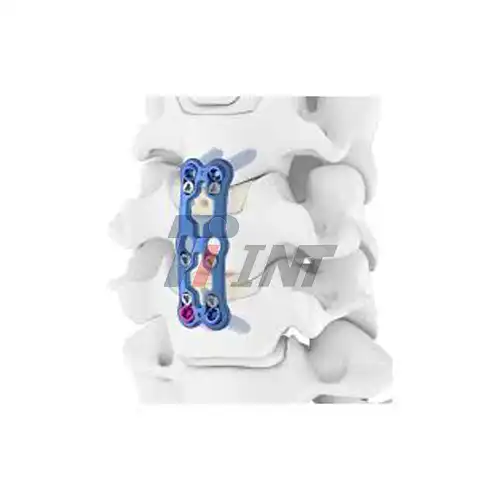
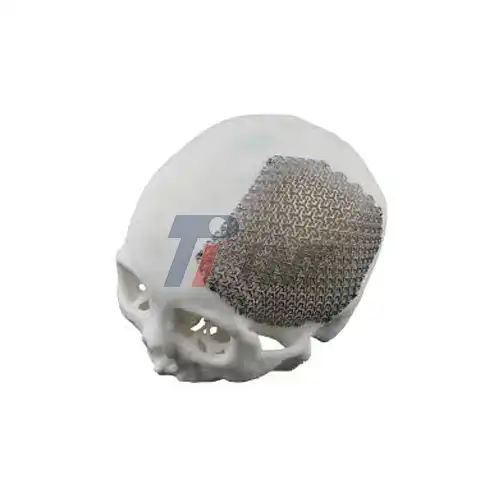
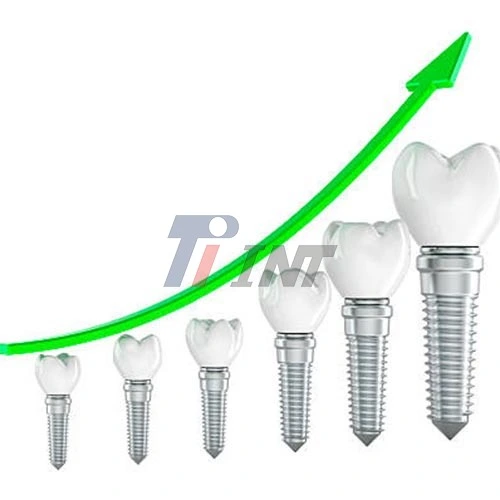
Ti6Al4V Titanium Bar 8mm stock is used by companies that make medical devices to make implants and surgery tools that can save lives. Intramedullary nails are used to fix broken bones, external fixation rods keep limbs stable, and dental abutments connect implants to false teeth. All of these are made from 8mm standard. When medical-grade ELI (Extra Low Interstitial) versions are chosen, the lower iron and oxygen level makes the material more flexible and compatible with tissue.
Orthopedic doctors like implants made from this metal because, compared to stainless steel options, its elastic modulus is more like that of human bone. This means that stress shielding doesn't happen as much, which can cause bone resorption. Because the material is so biocompatible, it can come into close touch with body fluids and tissues for decades without causing any harm. Surgical instrument makers also use these bars to make precise tools that need to be strong, not rust, and able to handle being sterilized over and over again.
Automotive and Motorsport Performance
The unique properties of Grade 5 titanium are used to gain competitive benefits in high-performance vehicle uses. Racing teams cut Ti6Al4V Titanium Bar 8mm sections into valve stems, connecting rod bolts, suspension turnbuckles, and driveline parts. Less moving mass directly improves the response and handling of the engine. Engineers can improve the balance and movement of a car by using lighter parts instead of steel ones.
More and more, luxury and performance carmakers are using titanium parts in their production models to make their goods stand out and give real performance benefits. The wear strength of the material is very important for parts that are put through millions of stress reversals over the course of a vehicle's life. Manufacturers of exhaust systems like that it doesn't rust in hot, acidic exhaust conditions, where stainless steel parts often break early.
Oil and Gas Exploration
Titanium alloys are used in parts of the oil and gas business that are exposed to drilling fluids that are acidic, high-pressure seawater, and sour gas conditions that contain hydrogen sulfide. Small-diameter shafts, valve parts, and ROV (Remotely Operated Vehicle) parts made from Ti6Al4V Titanium Bar 8mm must be able to survive pitting corrosion and stress corrosion cracking in underwater uses. Even at the high temperatures found in deep wells, the material keeps its tensile qualities.
Offshore platform owners like that titanium parts last longer than parts made of other materials. This means that they don't have to be replaced as often, which saves them money. Because the metal doesn't rust when exposed to chloride, there are no worries about damage to the sea environment like there is with steel and aluminum options.
Precision Engineering and Industrial Machinery
General engineering applications use Ti6Al4V Titanium Bar 8mm for making specialized tools, wear-resistant parts, and precise mechanical systems. Chemical processing equipment makers like the metal because it is resistant to a wide range of chemicals. Electronics makers use it for fasteners and structure elements where magnetic properties need to be kept to a minimum. Its low mass, high strength, and resistance to corrosion make it useful in many areas, from sports equipment to building gear.
Comparing Ti6Al4V Titanium Bars with Other Materials
Ti6Al4V Versus Commercially Pure Titanium
Commercially pure titanium types are very good at resisting rust and working well with living things, but they aren't strong enough for high-stress situations. Ti6Al4V Titanium Bar 8mm has about twice the tensile strength of CP titanium Grade 4, which lets designers make parts with smaller cross-sections and lighter weights. The trade-off is that the materials are more expensive and harder to machine. Buying choices often depend on whether the extra speed is worth it for the amount of work that needs to be done.
Comparison with Alternative Titanium Alloys
Ti-3Al-2.5V is a lower-strength option that works well for tubing that needs to be easy to shape. Grade 23 (Ti6Al4V ELI), on the other hand, has better flexibility for important medical implants thanks to tighter interstitial element controls. For most industrial uses, the normal Ti6Al4V Titanium Bar 8mm Grade 5 specification is the best mix of price, supply, and mechanical qualities. Knowing these differences helps buying teams choose the right grades without over-engineering or lowering performance.
Titanium Versus Stainless Steel and Aluminum
Stainless steel is about as strong as titanium but costs less, but it weighs about 75% more, which limits its use in situations where weight reduction is important. Aluminum metals are less dense than titanium, but they are not as strong or resistant to corrosion in harsh conditions. When evaluating Ti6Al4V Titanium Bar 8mm options, what goes into the total cost of ownership study is not just the price of the raw materials, but also how hard it is to make, how long the parts last, and any benefits at the system level, like saving money on fuel or putting off upkeep for longer periods of time.
Diameter Specification Considerations
The choice between an 8mm width and other sizes like 6mm or 10mm affects both the cost of the material and how well it can be machined. Larger sizes give you more material for complicated shapes and less tool distortion while you're cutting, but they also make more waste when you're making small finished parts. The Ti6Al4V Titanium Bar 8mm guideline has become the standard for Swiss-type CNC lathes. It balances the use of materials with the speed of production for bolts and small mechanical parts.
Procurement Guide: Buying Ti6Al4V Titanium Bars 8mm Thick
Supplier Selection and Qualification Criteria
Finding sellers with the right certifications and proof of their manufacturing skills is the first step to successful buying. The ISO9001:2015 certification means that the quality management system is strong, and the ISO13485:2016 certification talks about the particular standards for making medical devices. EU CE approval shows that you follow European safety rules. Buyers should ask for test results on Ti6Al4V Titanium Bar 8mm materials that show their chemical make-up, mechanical qualities, and conformance to specifications.
Many producers around the world trust Baoji INT Medical Titanium Co., Ltd. because it has a wide range of certifications and has been making medical-grade titanium for over 20 years. Our factory-direct plan gets rid of markups for distributors and keeps track of materials from the time they are melted down to the time they are inspected for quality. Suppliers who have their own testing labs can meet unique requirements more quickly and offer better technical support.
Pricing Dynamics and Order Quantities
The price of materials changes depending on the world price of titanium sponge, alloy fees, and the difficulty of making parts with different diameters. Due to high production numbers, the Ti6Al4V Titanium Bar 8mm standard usually gets a reasonable price in the small-diameter bar category. Different suppliers have different minimum order numbers, but most of the time they are between 50 and 500 kilos. If you commit to buying more, you can get a discount. Strategic sellers make blanket purchase deals to keep prices stable while still having the freedom to change their goods as needed.
Customization Options and Value-Added Services
Leading providers offer precise cutting to length, which cuts down on trash and the time it takes for customers to set up their machines. Different uses can benefit from different surface finishes, such as polished, sanded, or chemically scratched surfaces. Some makers offer services like heat treatment, testing of Ti6Al4V Titanium Bar 8mm materials, and expert advice that are worth more than just providing basic materials. Customizable packing keeps things safe while they're being shipped internationally and lets customers choose how they want to handle the goods.
Logistics and Supply Chain Management
When buying titanium from other countries, you need to be careful about the shipping methods, government paperwork, and wait times. When you need something quickly, air freight is the best option. For planned resupply orders, sea freight is the more cost-effective option. Expert providers know how to fill out export paperwork, get the right insurance, and work with freight forwarders to make sure deliveries of Ti6Al4V Titanium Bar 8mm happen on time. Setting up dual-source methods lowers the risk of supply disruptions for important production materials.
Maximizing the Value of Ti6Al4V Titanium Bars in Your Industry
Real-World Application Success Stories
When a major orthopedic implant maker switched from stainless steel to Ti6Al4V Titanium Bar 8mm intramedullary nails, the number of implant revisions dropped by 23%. They said that this was because the new nails better distributed stress and helped the bones heal. By replacing titanium bolts machined from 8mm bars, an aircraft fastener manufacturer was able to reduce the weight of key airframe parts by 15%. This led to measured improvements in fuel economy. These cases show how choosing the right materials affects the performance and satisfaction of the final result.
Best Practices for Material Handling and Storage
Proper keeping conditions are needed to keep materials' quality from the time they are received until they are used in production. Ti6Al4V Titanium Bar 8mm units should be kept in clean, dry places, away from things that could be harmful, like cutting fluids that contain chlorides or copper compounds. Protective wrapping should stay together until the material is used to keep the surface from rusting or breaking. Traceability is very important for medical device and aircraft quality systems, and it's made possible by correct identifying and lot tracking.
Machining Optimization Strategies
To get the most out of machining, you need to choose the right tooling shapes, cutting settings, and coolant strategies. When compared to choices that aren't covered, carbide tools that have TiAlN coatings last longer. Lower cutting speeds and higher feed rates keep surface finishing of Ti6Al4V Titanium Bar 8mm good while reducing work hardening. Programmable coolant delivery systems focus the flow of coolant at the cutting zone, which controls the production of heat and improves chip removal.
Emerging Industry Trends
Additive manufacturing technologies are becoming more and more useful in addition to standard bar stock machining. They make it possible to make complicated shapes that would not be possible with subtractive processes alone. For the best use of Ti6Al4V Titanium Bar 8mm, hybrid production methods blend 3D-printed near-net shapes with precise machining. Medical device standards and aircraft specifications are always changing, which means that requirements for material tracking, testing methods, and quality paperwork are always getting better. When procurement workers keep an eye on these trends, they put their companies in a good position to take advantage of new chances and keep their competitive edges.
Conclusion
Because they have a special mix of properties, Ti6Al4V Titanium Bar 8mm products have become important materials in the aircraft, medical, automobile, and industrial fields. The alloy's high strength-to-weight ratio, resistance to corrosion, biocompatibility, and stress performance make it ideal for solving important technical problems that other materials can't. To be good at procurement, you need to know not only the specs of the materials you want to buy, but also the skills of the suppliers, the certification standards, and any application-specific factors that affect the total cost of ownership. Procurement experts get materials that directly affect the success of a product and its ability to compete in tough markets by working with seasoned makers that offer complete quality systems, customization options, and dependable global delivery.
FAQ
Q1: Why are 8mm Ti6Al4V titanium bars specifically preferred in aerospace fastener manufacturing?
A: For making aerospace-grade fasteners with thread sizes from M4 to M6, the Ti6Al4V Titanium Bar 8mm strikes the best mix between using the least amount of material and the fastest way to machine it. This standard tells makers how to make bolts and screws with the right amount of material for the thread depth and head size while reducing waste. The diameter works with Swiss-type CNC lathes made for making a lot of fasteners, and the alloy meets strict aerospace material standards like AMS 4928, which demand strength, fatigue resistance, and temperature performance that pure titanium grades can't provide.
Q2: How does the corrosion resistance of Ti6Al4V compare to 316L stainless steel in medical applications?
A: Ti6Al4V Titanium Bar 8mm is more resistant to corrosion than 316L stainless steel in physiological settings, especially when it comes to pitting corrosion and stress corrosion cracking in body fluids that contain salt. Titanium alloy covers the material below with a stable, self-healing oxide layer. Stainless steel, on the other hand, uses chromium oxide, which can break down when it is mechanically stressed or when there isn't enough air. This performance edge means that the implant will last longer and there is a lower chance of metallosis from corrosion results.
Q3: Can you provide cutting and precision machining services for custom lengths and tolerances?
A: We offer a wide range of customization options for Ti6Al4V Titanium Bar 8mm, such as cutting precisely to the lengths you choose, with control over tolerances as small as ±0.1mm. We can do centerless grinding for tight circle tolerances, different types of surface finishing, and chamfering or threading processes that cut down on the work that needs to be done later. Custom lengths keep your production process from wasting materials, and we provide thorough measurement inspection reports that show the product meets your needs and supports your quality management system.
Partner with a Trusted Ti6Al4V Titanium Bar 8mm Supplier
Baoji INT Medical Titanium Co., Ltd. has been a specialist in medical-grade and industrial titanium products for over 20 years and is ready to help you with your titanium buying needs. Our wide range of products includes Ti6Al4V Titanium Bar 8mm stock that can be cut to any length and has diameters that meet ISO h7–h9 standards. All of these products are certified by ISO9001:2015, ISO13485:2016, and EU CE. We offer factory-direct pricing, full paperwork for material traceability, and expert advice to help you choose the best specs for your needs.
Our global logistics network guarantees on-time delivery, whether you need small sample amounts for R&D testing or large production numbers for current manufacturing projects. Email our team at export@tiint.com to talk about your unique needs, get material test certificates, or get quotes from other companies. We are an experienced manufacturer dedicated to quality and customer satisfaction. We invite you to experience the benefits of working with a provider that knows both material science and your business goals.
References
1. Boyer, R., Welsch, G., & Collings, E.W. (2007). Materials Properties Handbook: Titanium Alloys. ASM International, Materials Park, Ohio.
2. Donachie, M.J. (2000). Titanium: A Technical Guide, 2nd Edition. ASM International, Materials Park, Ohio.
3. Peters, M., Kumpfert, J., Ward, C.H., & Leyens, C. (2003). Titanium Alloys for Aerospace Applications. Advanced Engineering Materials, Volume 5, Issue 6, Pages 419-427.
4. Long, M. & Rack, H.J. (1998). Titanium Alloys in Total Joint Replacement—A Materials Science Perspective. Biomaterials, Volume 19, Issues 18-20, Pages 1621-1639.
5. ASTM International (2021). ASTM B348-21: Standard Specification for Titanium and Titanium Alloy Bars and Billets. West Conshohocken, Pennsylvania.
6. Veiga, C., dwavim, J.P., & Loureiro, A.J.R. (2012). Properties and Applications of Titanium Alloys: A Brief Review. Reviews on Advanced Materials Science, Volume 32, Pages 133-148.
_1753429726760.webp)
_1752462199458.webp)
_1750668405487.webp)