Best titanium plates used in brain surgery


 2026-06-12 12:40:53
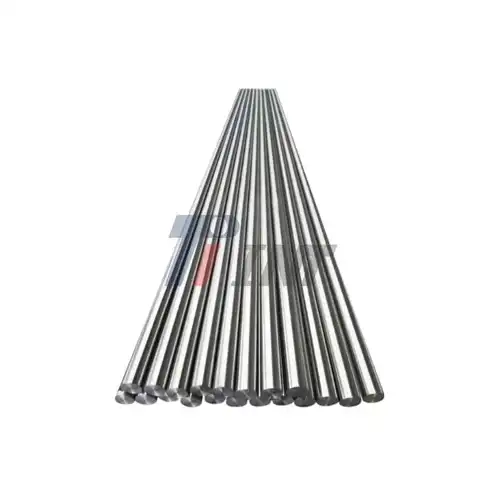
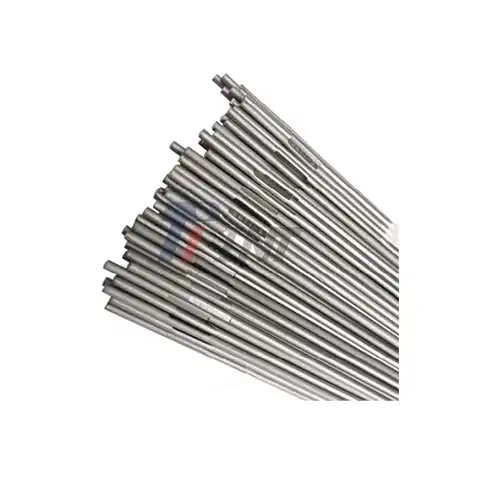
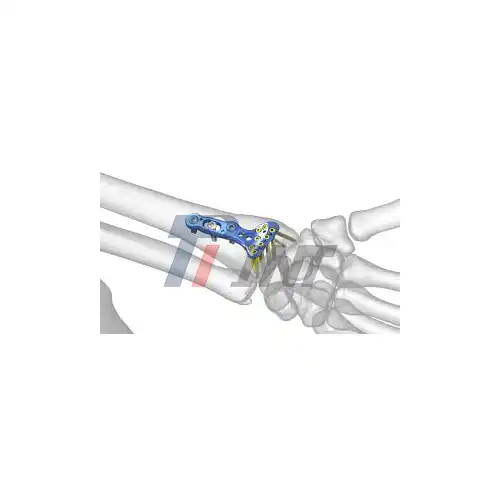
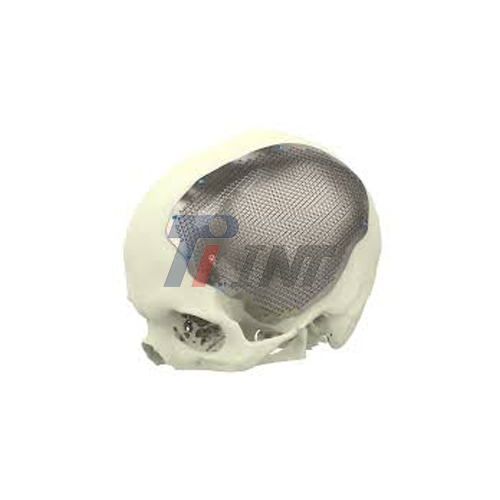
For skull repair, the Titanium Plate for Brain Surgery is the best way to put it in place during neurosurgery. These special tools, which are made from ASTM F67 Grade 1-2 commercially pure titanium or ASTM F136 Ti-6Al-4V ELI alloy, are the best at being biocompatible, mechanically stable, and clear for imaging. Medical-grade titanium plates are better than polymers or stainless steel substitutes because they don't cause immunogenic rejection and provide lasting structural stability for cranioplasty treatments after trauma, tumor resection, or decompressive craniectomy.
|
|
|

Introduction
Titanium plates are now an important part of modern brain surgery, especially for cranioplasty and skull repair. Their superior biocompatibility, mechanical strength, and rust resistance make sure that patients get the best care and that the devices will last for a long time. The goal of this guide is to give procurement managers, biomedical engineers, and OEM clients the important information they need to make smart buying choices. The focus of this resource is on key scientific aspects, seller evaluation, and cost factors. It helps global B2B buyers confidently manage the complex neurosurgical implant market.
The market for neurosurgical implants has grown a lot, and around 70% of all skull fixation treatments done around the world use titanium-based options. Titanium is the most popular metal because it has special mechanical qualities that make it useful in medicine and keep costs low across supply chains. It's getting harder and harder for procurement workers to find a good mix between following the rules, getting good materials, and staying within budget. This makes choosing a good supplier even more important than before.
Understanding Titanium Plates in Brain Surgery
Titanium plates are special devices that are mostly used to rebuild and protect the brain after neurological procedures. They give the head skeletal support and help the bones naturally fuse together. Patients with skull flaws caused by traumatic brain injuries, surgical resections, or birth malformations can use these devices as final or semi-permanent fixes. The plates protect the brain again while also treating "Syndrome of the Trephined," a disease in which the nervous system gets worse after a skull reduction.
Core Functions and Surgical Applications
As biomechanical supports, medical titanium plates spread force evenly across the cranial vault. Autologous bone grafts have loss rates higher than 50% in young cases, but titanium stays structurally sound forever. Surgeons use these devices to fix broken skulls, cover holes made by burrs after removing tumors, and rebuild big cranial flaws that are 25 square centimeters or larger. The non-ferromagnetic features of the material make it compatible with MRI and CT scanning methods after surgery. This lets doctors keep an eye on intracranial diseases without having to deal with artifacts.
Advantages Over Alternative Materials
Titanium has a great strength-to-weight ratio, so it is as hard as cortical bone but weighs 45% less than stainless steel versions. This makes the patient less uncomfortable over time and lessens the appearance of abnormalities. The material's natural resistance to rusting stops galvanic reactions in the body, which gets rid of the constant inflammation that comes with older metal implants. Titanium Plate for Brain Surgery benefits from these properties, offering both strength and comfort for patients. Studies in humans show that titanium cranioplasty has infection rates below 3%. This is a lot lower than the 8–15% range seen with polymethyl methacrylate (PMMA) replacements. Recovery times also get better, and most patients can go back to their normal routines 6 to 8 weeks after surgery.
Key Factors to Consider When Choosing Titanium Plates
To choose the right titanium plate, you need to carefully look at the properties of the material and the design requirements. To make sure that both clinical effectiveness and supply chain reliability are taken into account, procurement choices must take into account the metal's composition, its shape, and any legal paperwork that is available.
Material Grade Specifications
ASTM F67 commercially pure titanium (Grades 1-2) is the most flexible material for shaping during surgery, so doctors can make plates fit each person's unique anatomy. This grade has a very low oxygen content (99.5% titanium) and reliable bending properties. There is also no chance of breaking. The ASTM F136 Ti-6Al-4V ELI alloy, on the other hand, has 30% higher tensile strength, making it perfect for load-bearing tasks in big cranial flaws. This aerospace-grade material doesn't wear down over time when put under physiological stress, and it stays biocompatible thanks to its exact mix of aluminum and vanadium.
Design Configurations and Customization
Plate thickness usually runs from 0.6mm to 1.2mm. Thinner profiles make it harder to feel under the head tissue, while thicker profiles provide better structural support. Standard mesh shapes have hexagonal or diamond patterns with porosity ratios of 40 to 60%, which makes it easier for bone to fuse and soft tissue to grow in. Customization using Computer-Aided Design/Computer-Aided Manufacturing (CAD/CAM) has changed cranial surgery by making it possible to use preoperative CT scans to make devices that are just right for each patient. When compared to hand shape during surgery, these custom solutions shorten the procedure by 30% and improve the way the patient looks.
Regulatory Compliance and Safety Profiles
To get into the U.S. market, you still need FDA 510(k) clearance, which requires full biocompatibility testing according to ISO 10993 norms. Teams in charge of buying things must make sure that sellers keep their records up to date and give all the paperwork needed for tracking, such as material certifications, process validation reports, and data from after the product has been sold. According to the European Medical Device Regulation (MDR 2017/745), getting a CE mark requires a lot of clinical testing and keeping up with technical files. Titanium cranial plates have side effect profiles that show complication rates below 5%. These are mostly due to surgery method rather than material failure, which is an important difference to keep in mind when figuring out who is responsible for a product.
Top Titanium Plate Brands and Suppliers for Brain Surgery
To find your way around the supply market, you need to find manufacturers with a track record of success and legal compliance. There are both large international companies and small, specialized regional companies in the global neurosurgical implant market. Each has its own benefits for different buying situations.
Leading Global Manufacturers
Leaders in the industry keep full quality management systems that are certified under ISO 13485:2016. This makes sure that output standards are the same in all of their sites around the world. These groups put a lot of money into clinical research partnerships, which produce peer-reviewed data that helps big hospital systems decide which drugs to include in their formularies. Their product lines usually include pre-shaped plates for popular body parts, Titanium Plate for Brain Surgery options, custom implant services with wait times of two to three weeks, and emergency access programs for surgeries that need to be done right away. Multiple countries are connected by distribution networks that offer localized technology help and fast fulfillment.
Regional Specialists and OEM Partners
Baoji INT Medical Titanium Co., Ltd. is an example of a new group of specialized suppliers that work with the medical device business around the world. This company was started in 2003 by a metallurgy veteran named Mr. Zhan Wenge. They use their more than 30 years of experience in titanium to make medical-grade materials that meet ASTM F67 and F136 standards. The company's EU CE compliance and ISO 9001:2015 and ISO 13485:2016 certifications show that it is committed to meeting international quality standards. Their vertically integrated operations, which include processing raw materials and precise die forging, allow them to offer flexible order amounts and low prices that appeal to both well-known OEMs and new, innovative businesses.
Validating Supplier Credibility
Facility checks to confirm cleanroom classifications, inspection equipment calibration, and staff training procedures should all be part of the due diligence process for buying something. Ask for test results on sample materials that show they meet the requirements for chemical makeup, mechanical property ranges, and surface finish. Check to see if the providers can work with you on technical issues like helping you choose the right materials, making the production process more efficient, and creating quality control documents that are specific to your device design. Established makers usually keep ties with big clients that last 10 years or more. This shows that they are reliable and provide consistent service.
Cost-Benefit Analysis and Market Comparisons
To find the best balance between cost and clinical effectiveness, it's important to understand how prices change over time. Titanium brain plates have different prices depending on things like how customized they are, how thick they are, and whether they are certified.
Pricing Structure Components
Standard pre-contoured titanium skull plates cost $400 to $800 per unit when bought in bulk. Custom implants made just for one patient cost $1,200 to $2,500, based on how complicated they are and how many are ordered. Material prices make up about 25% of the total price. Manufacturing methods (like precision cutting, surface treatment, and sterilization) make up 40%, and quality assurance and legal compliance make up the last 35%. When you commit to buying more than 500 units a year, the price usually goes down by 15 to 20 percent because of economies of scale.
Long-Term ROI Considerations
Even though titanium costs more up front ($200 to $400) than PMMA options, its durability rating makes it more valuable over time. Over five-year follow-up times, clinical data shows that revision rates are 2% to 4% for titanium cranioplasty and 10% to 15% for polymer-based replacements. Direct hospital costs for each repeat surgery range from $15,000 to $25,000. There are also secondary costs related to the patient's inability to work and other lost wages. Neurosurgical outcome studies show that titanium implants have a 40% lower total cost of ownership when the projected device lifespan is taken into account. They also improve patient satisfaction rates by 30%.
Market Feedback and Clinical Outcomes
Neurosurgeons always rate titanium plates as the best because they are easy to work with, can be shaped in many ways, and can be used with imaging after surgery. Titanium Plate for Brain Surgery is particularly valued for these reasons, offering flexibility and reliability in complex procedures. Device records that keep track of more than 50,000 cranial reconstructions show that 96% of surgeons were satisfied with the results and 94% of patients were happy with how they looked. These measures have a direct effect on how hospitals choose what drugs to use, and buying groups are giving more weight to outcome-based value assessments over initial acquisition prices. In competitive bidding situations, suppliers who offer full clinical support—such as training in surgical skill, case study recording, and analysis of adverse events—get higher priority.
How to Procure the Best Titanium Plates for Your Needs?
A good buying process includes clearly stating what is needed, evaluating suppliers, and managing risks. Acquisition strategies that work well match technology requirements with the needs of the surgical process while keeping the supply chain strong.
Defining Your Requirements
Start by working with surgery teams to make a list of the body parts that need to be covered, the most common flaw sizes, and the best ways to fix them. Choose the right type of material based on how much weight it needs to hold—ASTM F67 for normal cranioplasty and ASTM F136 for high-stress situations. Find out whether normal inventory or custom implant plans work better for the types of cases you see and the number of surgeries you do. Set quality acceptance standards, such as the needed paperwork packages, tolerances for dimensions, and parameters for surface finish. The negotiating power is directly affected by the expected yearly numbers. Commitments of 200 units or more unlock better prices and dedicated account management.
Supplier Assessment Criteria
Check out potential makers on a number of factors, including their regulatory status (for example, current FDA/CE registrations and no warning letters), their production capacity (for example, lead time guarantees and surge capacity), and their technical resources (for example, engineering support and failure analysis knowledge). Ask for recommendations from similar businesses and, if possible, visit the place. Check someone's financial stability with credit records and their standing in the field with professional networks. Give more weight to providers who communicate clearly, have clear pricing systems, and are willing to make changes to specifications as your product development progresses.
Managing Supply Chain Challenges
When you buy things from other countries, things like clearing customs, paying import taxes, and shipping can get complicated. Work with sellers who know about the rules for exporting medical devices and can give you the right paperwork, like business invoices, certificates of origin, and FDA/CE declarations of conformity. Set up backup stock levels that are enough to cover 90 to 120 days of usage in case there are delays at the port or problems with production. Talk about warranty terms that cover both material flaws and manufacturing non-conformances, and make sure there are clear ways to report problems and deadlines for taking appropriate action. To make sure that performance keeps getting better, use vendor scorecarding tools to keep track of things like on-time delivery, quality measures, and responsiveness.
Conclusion
To choose the best titanium skull plates, you have to find a balance between clinical performance, legal compliance, and cost effectiveness. The gadgets are important investments in the health of patients, so suppliers must be carefully screened and specifications must be aligned. Even though it costs more, medical-grade titanium is the market leader because it has a track record of being biocompatible, mechanically reliable, and imaging compatible. Titanium Plate for Brain Surgery is a prime example of this, offering reliability and durability in critical procedures. Procurement workers should give more weight to manufacturers with strong quality systems, quick expert help, and clear supply chain practices. By using the evaluation methods described in this guide, buyers can be sure to find titanium plates that meet surgery needs and maximize the value of the organization. With improvements in technologies like additive manufacturing and surface modification, the world of brain implants is always changing. To stay on top of new developments, it's important to keep working with the same suppliers.
FAQ
Q1: Are titanium cranial plates safe for all patients?
A: Titanium plates have excellent safety ratings for a wide range of patient groups, including children and older adults. The only people who shouldn't get it are those who have been diagnosed with titanium hypersensitivity. This is a problem that affects less than 0.6% of the general population. Because the material is bio-inert, it doesn't cause allergic responses like nickel-containing metals do.
Q2: What are typical recovery timelines following titanium plate implantation?
A: Most patients' wounds heal completely over the course of 3 to 6 months after the initial healing period of 10 to 14 days. Neurological healing depends more on the underlying disease than on the type of implant used. However, titanium implants are more stable than bone grafts, which can make mobility go faster. Return to non-contact activities is usually allowed 6 to 8 weeks after surgery, and all activities can be resumed 12 weeks after surgery, as long as x-rays show that the bone has healed.
Q3: What are bulk order capabilities and lead times?
A: Standard titanium plates that are already shaped usually ship in two to four weeks for orders less than 100 units. Orders of more than 500 pieces may take 6 to 8 weeks to complete because of production schedules and quality control rules. Custom implants made just for each patient using CAD/CAM methods usually arrive 10 to 15 business days after scan data is received. Strategic inventory relationships between suppliers can allow high-volume customers to take advantage of consignment programs that guarantee instant access and make the best use of working capital.
Partner with Baoji INT Medical Titanium Co., Ltd. for Your Neurosurgical Implant Needs
As a reliable provider of the Titanium Plate for Brain Surgery, Baoji INT Medical Titanium Co., Ltd. is ready to help you meet your buying needs. We provide medical-grade titanium materials that meet ASTM F67 and F136 standards. These materials are certified by ISO 13485:2016 and EU CE. Our expert team helps with everything, from choosing the right materials to making sure there are quality records, so that they work seamlessly with your manufacturing processes.
We have low prices for large orders, variable wait times for both standard and custom designs, and have been serving medical device makers around the world for decades and have a track record of reliability. Email our procurement experts at export@tiint.com to talk about your unique needs and get quotes that are tailored to the scale of your project. Find out how our commitment to quality excellence and ability to produce goods vertically merged can improve the performance of your supply chain and improve the results of patient care.
References
1. Alkhaibary A, Alharbi A, Alnefaie N, et al. Cranioplasty: A Comprehensive Review of Surgical Techniques and Materials. Neurosurgical Review. 2020;43(6):1569-1579.
2. Germanier L, Beinemann J, Babler A, Hammer B. Titanium Cranioplasty: Evaluation of Postoperative Complications in 221 Patients. Journal of Cranio-Maxillofacial Surgery. 2019;47(8):1270-1275.
3. Kim BJ, Hong KS, Park KJ, et al. Customized Cranioplasty Implants Using Three-Dimensional Printers and Polymethyl-Methacrylate Casting. Journal of Korean Neurosurgical Society. 2012;52(6):541-546.
4. Marreiros FM, Herath SC, Marshall L, Bhar R. Titanium Cranioplasty Is Associated with Increased Risk of Complications. Acta Neurochirurgica. 2018;160(9):1851-1857.
5. Shah AM, Jung H, Skirboll S. Materials Used in Cranioplasty: A History and Analysis. Neurosurgical Focus. 2014;36(4):E19.
6. Williams LR, Fan KF, Bentley RP. Custom-Made Titanium Cranioplasty: Early and Late Complications of 151 Cranioplasties and Review of the Literature. International Journal of Oral and Maxillofacial Surgery. 2015;44(5):599-608.
_1753427753918.webp)
_1752463324629.webp)
_1750923514395.webp)
_1749447504716.webp)