Titanium bar standards and compliance for medical applications


 2026-06-12 12:40:46
Understanding legal standards and material specs is essential when looking for titanium bar for medical use because they are the building blocks of successful medical device making. Titanium alloys made for medical use, especially Ti-6Al-4V and Ti-6Al-4V ELI, are very biocompatible, don't rust, and are strong enough to stay in place for a long time. International standards like ASTM F136 and ISO 5832 are used to test these products very carefully to make sure they meet the strict rules set by the FDA and CE marking authorities. For buying managers, R&D engineers, and supply chain leaders, choosing compatible titanium bars has a direct effect on the safety of the product, the speed of production, and the time it takes for regulatory approval.
|
|
|
Understanding Titanium Bars for Medical Use
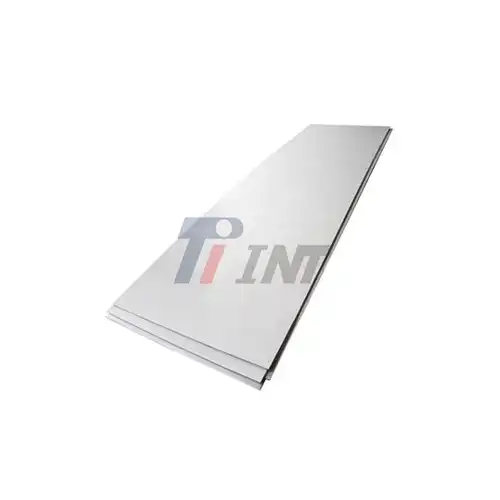
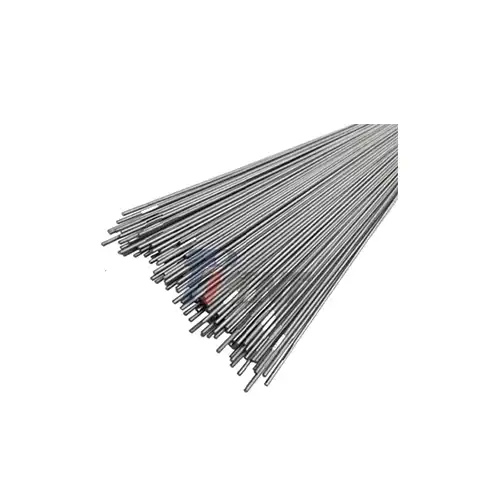
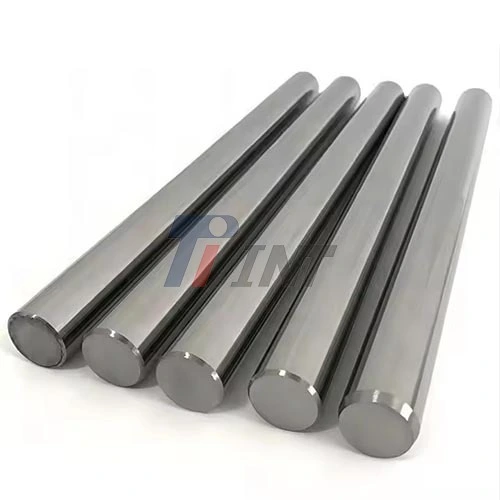
Medical titanium bars for medical use are made from carefully developed raw materials that are made to be used in surgery implants and other medical devices. Commercially pure (CP) titanium Grades 2 and 4 and the Ti-6Al-4V metal system are the most typical grades given.
Material Grades and Their Clinical Significance
Because it has less oxygen and iron, Ti-6Al-4V ELI (Extra Low Interstitial) has become the standard for implants that are likely to break. Compared to normal Grade 5 titanium, this makeup is more flexible and less likely to break. The modulus of flexibility is around 110 GPa, which is similar to the way bones work and helps them fuse together better. It also lowers the stress buffering effects that can make implants come free.
Vacuum arc remelting (VAR) technology is used in the manufacturing process to get rid of high-density spots and make the composition of the bar stock uniform throughout. This controlled production setting makes sure that the mechanical features are the same across different batches of products, which is very important when keeping the quality of thousands of implant units high.
Key Material Properties for Medical Applications
Medical-grade titanium bars are essential in harsh hospital settings because they have a unique set of qualities. Because they are so light, they make it easier for patients to heal while still keeping their structure strong under repeated stress situations. Corrosion protection is very important in body fluids because they are full of salt, which can break down other metals over time. Because the material isn't magnetic, people who have titanium implants can safely go through MRI scans, which improves monitoring options after surgery.
Baoji INT Medical Titanium Co., Ltd. makes titanium bars that can withstand tensile strength of over 860 MPa and yield strength of over 795 MPa. These bars are used in orthopedic trauma fixation and spinal fusion systems because they are strong enough to meet their functional needs. Our production processes keep a close eye on interstitial elements, making sure that the amount of oxygen is below 0.13% and the amount of iron is below 0.25%. This makes sure that the material works at its best.
Titanium Bar Standards and Regulatory Compliance in Medical Applications
To get around in the legal world, you need to know a lot about different foreign norms and certification paths for a titanium bar for medical use. These systems make sure that patients are safe and set clear standards for the quality of materials.
Critical International Standards
The ASTM F136 standard describes the conditions for medical implants made of worked Ti-6Al-4V ELI alloy. This standard spells out the ranges of accepted chemical makeup, the lowest levels of mechanical properties, and the manufacturing conditions. ISO 5832-3 gives similar standards that are accepted in both European and Asian markets. This makes it easier for medical device makers to sell their products around the world.
ASTM F67 talks about widely pure types of titanium that hasn't been alloyed and is used in medical implants. The standard lists four types with different amounts of oxygen, so makers can choose the right material for their devices and the way they're made.
FDA and CE Certification Pathways
Medical gadget makers have to show proof that the company that supplies them with titanium bars has thorough quality control systems in place. The FDA needs a lot of paperwork through either the 510(k) premarket notice method or the Premarket Approval (PMA) route, based on the type of device. During regulatory reports, it's important to be able to track materials from the melt batch to the finished product.
Under the Medical Device Regulation (MDR 2017/745), getting a CE mark requires technical proof that the product meets basic safety standards. Our ISO 13485:2016 certification shows that we are dedicated to managing the quality of medical devices, giving buyers in the European market peace of mind. Mill Test Certificates (MTC) that are in line with EN 10204 3.1 are included with every package. These certificates list the chemical makeup, mechanical qualities, and heat treatment conditions of the goods.
Material Testing and Traceability Protocols
At different steps of production, thorough testing methods make sure that the materials are still solid. Tensile testing confirms the alloy's strength and stretch, and spectroscopy-based chemistry research confirms its makeup. Ultrasonic inspection finds problems inside implants that could make them less effective. Checking the surface quality makes sure that there is no alpha case, which is a thin layer of brittle oxygen that forms micro-crack starting points.
Traceability systems keep track of each bar from the first melt to the final check. This lets problems with quality be fixed quickly if they happen later on. This paperwork is very helpful during governmental checks and the process of qualifying customers.
Comparing Titanium Bars with Alternative Materials in Medical Use
Many things are taken into account when choosing materials, such as how well they work mechanically, how well they work with living things, how much they cost, and how they need to be made. Knowing how a titanium bar for medical use stacks up against other materials helps buying teams explain their decisions.
Titanium Versus Stainless Steel
The lower cost of materials and high resistance to rust in stainless steel 316L make it a good choice for temporary fixing devices. But its elastic stiffness (about 200 GPa) is much higher than bone's, which could cause stress buffering that causes bone to break down around implants. Titanium metals have a stiffness that is closer to that of real bone. This means that they can better move weight and stay stable over time.
Biocompatibility differences also make titanium a better choice for long-term implants. Stainless steel works well in many situations, but when nickel and chromium are released, they can cause bad tissue reactions in people who are sensitive. Titanium's steady oxide layer stops the release of ions, which reduces inflammation reactions.
Titanium Versus Cobalt-Chrome Alloys
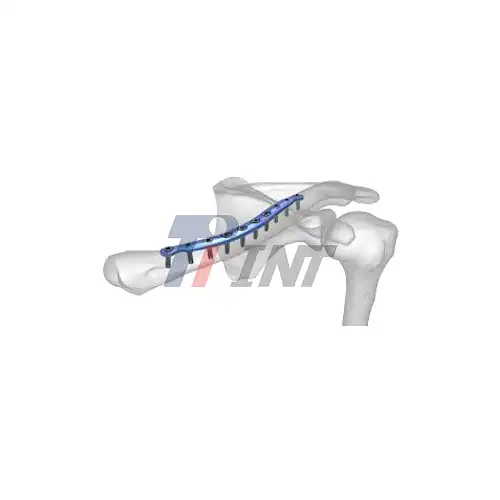
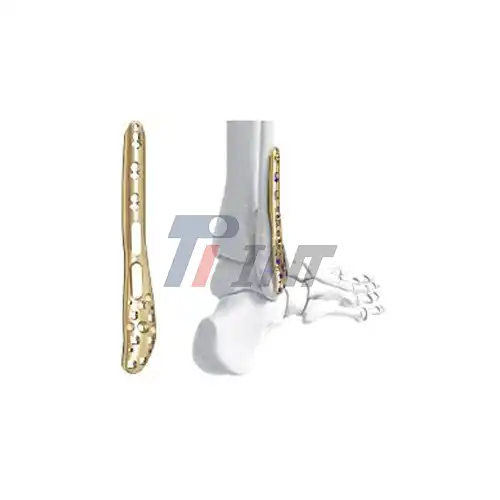
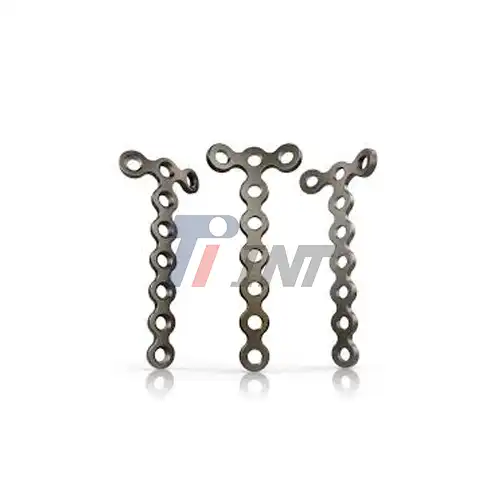
Because they are so resistant to wear, cobalt-chrome metals are the best choice for the areas that move in hip and knee replacements. However, their higher mass and elastic stiffness make them less useful for parts that don't move. Titanium is great for spine rods, fracture plates, and oral implants because it has a high strength-to-weight ratio. Reducing weight makes these parts more comfortable for patients without affecting how well they work.
There are also big differences in how manufacturing decisions are made. Titanium bars are easy to make with standard CNC machines that have the right cutting settings and tools. Because cobalt-chrome is so hard, it needs special ways to be machined and costs more to make.
Surface Treatment and Osseointegration
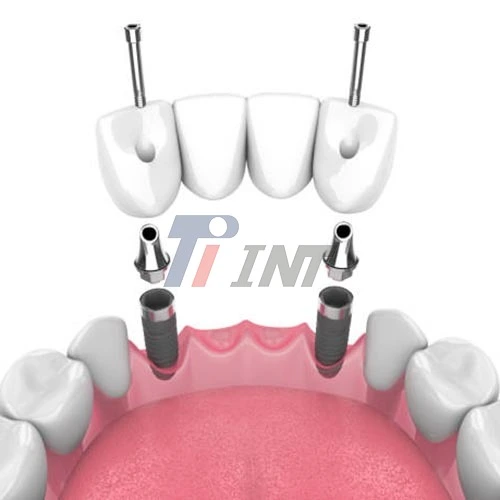
Surface cleaning methods have a big effect on how well implants work. Several techniques, such as acid etching, sanding, and anodization, can improve the oxide layer of titanium. These steps make micro-textured surfaces that help bone cells stick to them and speed up osseointegration, the process by which bone and device surface become structurally connected.
Our titanium bars can be finished in a number of different ways, which lets companies that make medical devices get the best surface properties for each practical application. The qualities of the base material make it possible to get uniform processing results, whether you're making threaded tooth implants that need precise thread profiles or porous-coated orthopedic stems that help bone grow.
Procurement Considerations for Medical Grade Titanium Bars
Strategic buying of a titanium bar for medical use includes more than just negotiating prices. It also includes qualifying suppliers, evaluating their professional skills, and assessing the stability of the supply chain. Medical device companies can't afford to have production delays or quality problems that are caused by materials.
Supplier Qualification Criteria
When looking at possible titanium bar providers, you need to find out a lot about their quality systems, output skills, and experience in the business. ISO 13485:2016 certification is specific to medical device manufacturing standards, while ISO 9001:2015 certification is a general guarantee of quality management. Suppliers should show proof that they are registered with the FDA and keep thorough records to meet tracking standards.
When making medical-grade products, manufacturing knowledge is very important. For more than 20 years, Baoji INT Medical Titanium Co., Ltd. has been specializing in handling medical titanium and has become very good at vacuum melting, casting, and precise cutting. The thirty years of experience our founder has in the titanium business give customers useful information that helps them deal with technical issues that come up during product development.
Custom Specifications and Technical Support
Medical device designs often need bars with non-standard sizes, certain surface finishes, or certain metalworking conditions. During the creation stages of a product, suppliers that allow modification are strategically advantageous. Our engineers work with customers to make sure that the bar specs are best for the cutting methods they use, whether it's Swiss-type CNC turning for dental screws or multi-axis milling for complicated surgery tools.
As part of technical support services, you should be able to get help choosing materials, handling them, and making sure your paperwork is correct. We give our customers specific information about the properties of materials, ideas for how to machine them, and proof that they are in line with regulations. This makes the process of getting their products approved faster and easier.
Lead Times and Inventory Management
Understanding production plans and minimum order numbers helps procurement managers keep the right amount of stock on hand and avoid running out. Medical-grade titanium bars take longer to make than industrial products because they need to be tested and documented more thoroughly. Planning to buy things six to eight weeks before they are needed for production usually makes sure that the materials are available.
Setting up long-term supply deals with reliable providers lowers risk and often gets you better prices. Our ties with customers that go back more than ten years show that we are dedicated to dependable service and high quality.
Ensuring Compliance and Performance Through Proper Handling and Usage
Protecting the purity of a titanium bar for medical use goes beyond production and includes areas like storage, handling, and processing. Even titanium bars that are suitable can get dirty or broken, which lowers the quality of the end result.
Storage and Contamination Prevention
Medical-grade titanium needs to be stored in a clean, dry place, away from carbon steel materials that could contaminate the surface through touch or floating particles. Instead of steel, storage racks should have parts made of plastic or metal to avoid galvanic reactions or iron contamination. Gloves should be required for handling so that skin oils and salts don't get on the surface and make it dirty.
Our shipping methods protect the integrity of the materials by using protection covers and moisture shields that keep the surface quality of the bars until they are used in cutting operations by customers.
Sterilization Method Compatibility
Before they are used in patients, finished implants are sterilized at the end, and the base material must be able to handle these steps without losing any of its properties. Most of the time, titanium is sterilized by autoclaving it at 134°C, which is well within its temperature stability range. Gamma radiation treatment also doesn't cause any problems for titanium metals. Sterilization with ethylene oxide (EtO) works well, but careful instructions must be followed to get rid of any leftovers.
Knowing how sterilization-compatible a material is when choosing it saves a lot of money on redesigns later in the product development cycle. Our technical paperwork lists the cleaning methods that are compatible, which helps customers make sure that their handling processes are correct.
Quality Control Best Practices Throughout Manufacturing
Strong quality control at every stage of production, from receiving the raw materials to inspecting the finished implant, makes sure that the gadget always works the same way. When incoming materials are inspected, the Mill Test Certificate data should be compared to the buy specs, and extra tests should be done when important uses need them.
During cutting processes, in-process checking finds differences in dimensions before they add a lot of value. Final checking procedures should check both the size and quality of the surface to make sure the goods meet design specs and cleaning standards.
Conclusion
Standards and compliance for titanium bars for medical use are important parts of making successful medical devices. Understanding grades of materials like Ti-6Al-4V ELI, handling regulatory frameworks like ASTM F136 and ISO 5832, and working with qualified sources all have a direct effect on how long it takes to get a product approved and how well it works in the clinic. Medical-grade titanium is used for permanent implants in orthopedics, dentistry, and surgery because it is better at being biocompatible, resisting rust, and having good mechanical qualities. When making strategic purchasing choices, putting seller skills, expert help powers, and complete paperwork at the top of the list will give you a competitive edge in this highly controlled industry.
FAQ
Q1: What distinguishes Grade 23 titanium from Grade 5 for medical applications?
A: For Grade 5 Ti-6Al-4V metal, Grade 23 is the Extra Low Interstitial (ELI) form. The main difference is that the amount of oxygen (below 0.13%) and iron (below 0.25%) is carefully managed. This gives the material better flexibility and fracture toughness, which is important for implants that are loaded and unloaded many times. Because it is purer, Grade 23 is the standard for medical products that need to be very strong to avoid breaking, like bone plates and spine bolts.
Q2: Why must alpha case be removed from medical titanium bars?
A: During high-temperature processing, alpha case appears as a layer of rigid, oxygen-rich material on the surface. If this layer isn't taken off by grinding or chemical cleaning, it causes stress points that make wear life much shorter. Because medical devices can't handle that kind of weakness, alpha case removal is an important part of the process that must be done and must be confirmed by mechanical inspection.
Q3: Which tolerances are recommended for precision medical machining?
A: For Swiss-style CNC cutting of medical parts, the bar width usually needs to be within an ISO h8 or h7 range. These close limits keep things from shaking during high-speed cutting and make sure that the parts are concentrically aligned, which is important for threaded implant parts. Centerless grinding can reach these levels of accuracy while still meeting the standards for straightness.
Partner with a Trusted Medical Titanium Bar Supplier
Baoji INT Medical Titanium Co., Ltd. provides medical-grade titanium bar for medical use that is certified by a number of organizations, such as ISO 9001:2015, ISO 13485:2016, and the EU CE marking. We've been handling medical titanium for more than 20 years, so we can give our customers solid material quality, technical know-how, and help with paperwork that speeds up governmental approvals. We can make customized Ti-6Al-4V and Ti-6Al-4V ELI bars in a range of sizes and shapes to fit your implant designs. We can do this by grinding the bars to exact h7 specs. During the whole process of making your product, our engineering team helps you choose the right materials, make suggestions for how to machine them, and provide quick technical support. Email us at export@tiint.com to talk about your medical titanium needs and get samples that show how good our material is.
References
1. American Society for Testing and Materials. (2013). Standard Specification for Wrought Titanium-6Aluminum-4Vanadium ELI Alloy for Surgical Implant Applications (UNS R56401). ASTM F136-13.
2. International Organization for Standardization. (2016). Implants for Surgery - Metallic Materials - Part 3: Wrought Titanium 6-Aluminium 4-Vanadium Alloy. ISO 5832-3:2016.
3. Niinomi, M. (2008). Mechanical Biocompatibilities of Titanium Alloys for Biomedical Applications. Journal of the Mechanical Behavior of Biomedical Materials, 1(1), 30-42.
4. Geetha, M., Singh, A.K., Asokamani, R., & Gogia, A.K. (2009). Ti Based Biomaterials: The Ultimate Choice for Orthopaedic Implants - A Review. Progress in Materials Science, 54(3), 397-425.
5. Long, M., & Rack, H.J. (1998). Titanium Alloys in Total Joint Replacement - A Materials Science Perspective. Biomaterials, 19(18), 1621-1639.
6. Brunette, D.M., Tengvall, P., Textor, M., & Thomsen, P. (2001). Titanium in Medicine: Material Science, Surface Science, Engineering, Biological Responses and Medical Applications. Berlin: Springer-Verlag.
_1751957234428.webp)
_1750664157440.webp)