





What Is Gr5 Titanium Straight Wire Used for in Medical Devices?


 2026-09-16 14:45:31
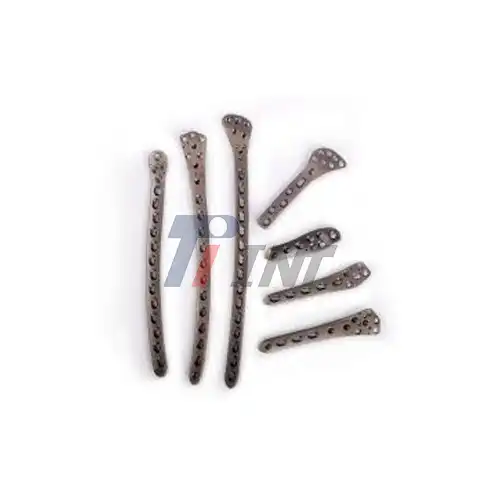
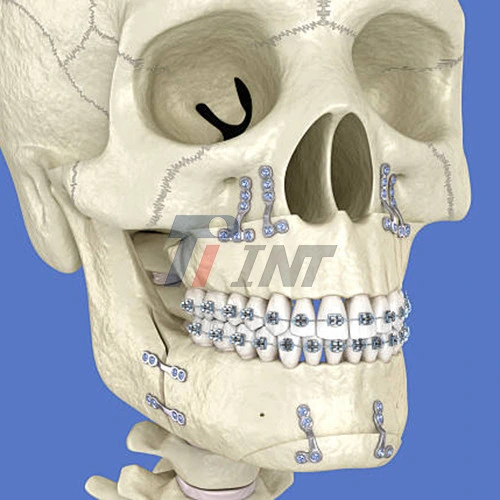
Gr5 titanium straight wire — the Ti-6Al-4V alloy variant processed through precision straightening — serves as a primary raw material feedstock for medical device OEM manufacturers producing orthopedic implant components, spinal fixation blanks, dental prosthetic parts, trauma fixation pins, and surgical instrument elements.
Its tensile strength of ≥895 MPa, combined with certified biocompatibility and MRI compatibility, makes it one of the most specified titanium wire materials in medical-grade machining environments globally. This guide is written for procurement managers, process engineers, and SQE professionals who evaluate Ti-6Al-4V wire as an upstream material input.
|
|
|
Understanding Gr5 Titanium Straight Wire and Its Key Properties
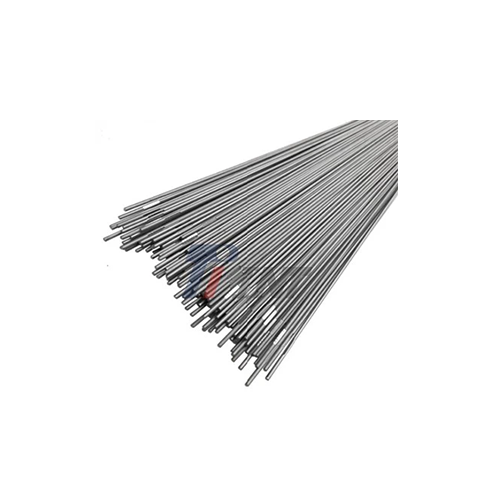
Grade 5 titanium, also known as Ti-6Al-4V (UNS R56400), is an alpha-beta metal made up of about 90% titanium, 6% aluminum, and 4% vanadium. Controlled hot rolling, drawing, and precise mechanical bending are used to make straight wire. This process gets rid of the coil memory that is present in spooled wire. This geometric linearity—usually slope less than 1mm per meter—is very important for CNC Swiss-type lathes and automatic bar feeders that are used to make very precise medical parts.
Mechanical Specifications That Matter to Engineers
The density of the material is 4.43 g/cm³, which is about 45% less than steel. Its tensile strength is ≥895 MPa, its yield strength is ≥825 MPa, and its elongation is ≥10%. These numbers put it clearly above Grade 2 commercially pure titanium and get rid of the risk of galvanic rust that comes with using stainless steel tools next to an implant. For process engineers looking at physical accuracy chains, the wire comes in diameters from 0.5mm to 5mm and can be cut to any length.
Why Surface Quality and Straightness Determine Your Yield Rate
When precision medical cutting is done, downstream performance is directly controlled by surface integrity. Wire that has die marks, seams, or a thin layer of oxide on it can cause tools to chatter, CNC inserts to break, and changes in size. Before it is shipped, high-quality Ti-6Al-4V wire is checked for flaws using eddy currents, surface roughness (Ra values), and ultrasonic waves. When purchasing things to be used for laser cutting, precision etching, or cold-heading, surface quality should be an important factor that can't be ignored.
Applications of Gr5 Titanium Straight Wire in Medical Devices
Gr5 titanium straight wire is a specific grade designation that aligns with the Ti-6Al-4V alloy, and this wire is used as a raw material for machining by companies that make medical devices, not as a finished part. Knowing where this material goes in the production chain helps buying teams make sure that the needs of the end user are met by the specs.
As a key material input, this wire grade is used in the following main medical device manufacturing processes:
- Orthopedic Fixation Components: Wire is used to make Kirschner wires (K-wires), fixation pins, and bone screw preforms. According to written orthopedic biomechanics research, Ti-6Al-4V's modulus of elasticity is more like cortical bone than steel's. This means that it reduces stress shielding and improves long-term implant outcomes.
- Spinal Implant Blanks: Cut lengths are used to make pedicle screw blanks, connecting rod stock, and hook parts that are used in spinal fusion instrumentation systems.
- Dental Prosthetic Components: Wire stock is used to make dental implant abutment blanks and prosthetic framework parts that must not rust in chloride-rich oral environments.
- Trauma Fixation Hardware: Plates, intramedullary nails, and pin stock made from Ti-6Al-4V wire are used to fix injuries and keep them stable for a long time. They are strong and don't affect living things.
- Surgical Instrument Subcomponents: Wire material that is both light and strong is used to make precision instrument parts like forceps and retractor parts, where lowering the mass makes the surgeon's position more comfortable.
All of these types of applications need the same thing: accurate measurements in the raw materials directly affect the output of the finished part. Even a diameter difference of ±0.03mm outside of what is allowed can lead to mistakes in the tool path, parts being rejected, and unplanned production downtime.
Manufacturing Process and Quality Assurance
There are several controlled steps in the process of making medical-grade Ti-6Al-4V straight wire. The mechanical toughness of the alloy is improved by hot rolling and forging, which change the alpha-beta microstructure. After that, the diameter is fine-tuned to the required level, and the coil set is removed during precision straightening to meet the geometrical linearity needs of automated machining lines—requirements that apply equally to Gr5 titanium straight wire.
Traceability Documentation: What Each Batch Must Include
Material traceability is a legal requirement, not a choice, for OEM makers that sell to branded device businesses that follow FDA 21 CFR Part 820 or EU MDR rules. Each lot of approved Ti-6Al-4V wire should have a Certificate of Analysis (COA) that can be linked to the heat number, a chemical makeup report based on ASTM F136 or a similar standard, data on how the wire was measured, and proof that it was tested using ultrasonic waves or eddy current. Without full paperwork at the lot level, inbound inspection can't be done and the material cannot go into production.
Certification Standards Governing Medical Titanium Wire
Suppliers approved for medical device supply chains follow ISO 13485:2016, which sets rules for quality management systems that are specific to making medical devices, and ISO 9001:2015, which covers a wider range of quality system compliance. EU CE certification gives manufacturers who sell to European brand clients extra regulatory assurance. These certifications can be checked through an audit, and they are the minimum requirement for any OEM supplier working in the medical titanium space.
Choosing the Right Titanium Wire for Your Production Line
Material selection is more than just looking at the price of the raw material. It also involves balancing mechanical performance, regulatory compliance, and the total cost of machining. Ti-6Al-4V works better than widely pure titanium for high-stress implant uses and doesn't have the biocompatibility problems that come with alloys that contain nickel. When a brand customer asks for agreement with ASTM F136 or ISO 5832-3, Grade 5 in its ELI form is chosen by default.
Teams in charge of buying things should check that suppliers can consistently meet diameter tolerances across lots, that hardness levels vary from batch to batch (which shortens the life of CNC tools), that the surface finish is good, that they can cut to length and package with protective film, and that they respond quickly to requests for a first article inspection (FAI)—all of which apply equally to Gr5 titanium straight wire. It's important to have flexible MOQ terms, especially for smaller validation batches during the normal two to four month qualification cycle for sourcing medical device parts.
Sourcing and Procurement of Medical-Grade Ti-6Al-4V Wire
It takes more than a low unit price to find a confirmed Ti-6Al-4V wire provider. Whether a provider becomes a stable part of your supply chain or a frequent cause of production delays depends on their quality management system, how they handle paperwork, and how well they can support your incoming inspection process.
A big chunk of the world's medical titanium production capacity is in Baoji, which is in China's Guanzhao area. Suppliers in this area with approved quality systems and specialized medical-grade production lines can offer metallurgical skills and proof of compliance that general metal wholesalers can't match. Before committing to a qualification batch, ask a possible provider for sample material to be inspected for dimensions and surface quality. Also, make sure that their paperwork package meets the material review standards of your brand client.
Conclusion
When making medical devices, Ti-6Al-4V straight wire is an important part of the process. Because it is biocompatible, doesn't rust, and has good mechanical properties, it is the best material for making high-precision parts for implants and instruments. It's not the alloy itself that makes or breaks a supplier relationship—whether for Ti-6Al-4V or Gr5 titanium straight wire; it's the consistency in dimensions, quality of the surface, thoroughness of the paperwork, and dependability of the supply chain that the supplier delivers with every shipment. These operational factors are where the real risk lies for procurement teams that have to deal with strict tolerance requirements and demanding brand client audits.
FAQ
Why is Ti-6Al-4V preferred over stainless steel for implant component machining?
The strength-to-weight ratio of Ti-6Al-4V is better than that of 316L stainless steel, it doesn't contain nickel, so it is safer for use in biological fluids, and it doesn't rust. Its elasticity value is also closer to that of cortical bone, which means that stress shielding in load-bearing devices is less effective. In order to be used in MRI machines, the material must not be magnetic, which stainless steel cannot do.
What diameter tolerances should we specify for CNC machining applications?
For Swiss-type CNC lathes and automatic bar feeds, the usual range for diameter tolerances is from h7 to h9. A ground wire with a tight tolerance of ±0.01mm is also possible. When you specify ovality limits along with diameter error, you stop tool runout problems that straight diameter specs don't catch.
Can wire be supplied in custom cut lengths with deburring and protective packaging?
Medical titanium wire providers who are qualified offer a cut-to-length service that includes deburring and protective film packing to keep the surface clean while it is being shipped and stored. Early on in the qualification process, make sure that they can do this and that they know the minimum order quantity for custom cuts.
How do we verify chemical composition at incoming inspection?
Ask for ICP-OES chemical analysis results for every heat number, paying special attention to the content of intermediate elements. To keep hydrogen embrittlement from happening, the hydrogen level must stay below 150 ppm. The COA paperwork should match up perfectly with the batch that was received.
Partner with Baoji INT Medical Titanium Co., Ltd. for Certified Ti-6Al-4V Wire
Since 2003, Baoji INT Medical Titanium Co., Ltd. has sold medical-grade titanium materials. They have ISO 13485:2016, ISO 9001:2015, and EU CE certification to back them up. We are experts in making Gr5 titanium straight wire, and our diameters range from 0.5mm to 5mm. We also offer custom cut lengths, full COA traceability, and adjustable MOQ terms for qualification runs. To get examples or send us your RFQ, email our team at export@tiint.com or go to inttitanium.com.
References
.1. Brunette, D. M., et al. Titanium in Medicine: Material Science, Surface Science, Engineering, Biological Responses and Medical Applications. Springer, 2001.
2. ASTM International. ASTM F136: Standard Specification for Wrought Titanium-6Aluminum-4Vanadium ELI Alloy for Surgical Implant Applications. ASTM International, 2023.
3. Ratner, B. D., et al. Biomaterials Science: An Introduction to Materials in Medicine. Academic Press, 2020.
4. Geetha, M., et al. "Ti based biomaterials, the ultimate choice for orthopaedic implants." Progress in Materials Science, 2009.
5. ISO. ISO 5832-3: Implants for Surgery — Metallic Materials — Part 3: Wrought Titanium 6-Aluminium 4-Vanadium Alloy. International Organization for Standardization, 2021.
6. Long, M., and Rack, H. J. "Titanium alloys in total joint replacement — a materials science perspective." Biomaterials, 1998.