
What is the difference between commercially pure and alloy 3mm titanium sheets?


 2026-07-20 09:46:18
When choosing titanium materials for making medical devices, it's important to know the difference between commercially pure titanium sheet 3mm and alloy options. Commercially pure (CP) titanium is mostly titanium and has few alloying elements. It is very resistant to rust and biocompatible, making it perfect for use in medical tools and implant parts. Alloy titanium sheets, especially Ti-6Al-4V ELI (Extra Low Interstitial), contain aluminum and vanadium to provide the high mechanical strength and wear resistance needed for hip implants and oral devices that hold weight. At 3mm thickness, both materials offer the best mix of structural stiffness and formability. However, their performance characteristics are very different due to changes in makeup that have a direct effect on your production needs and regulatory compliance.
|
|
|
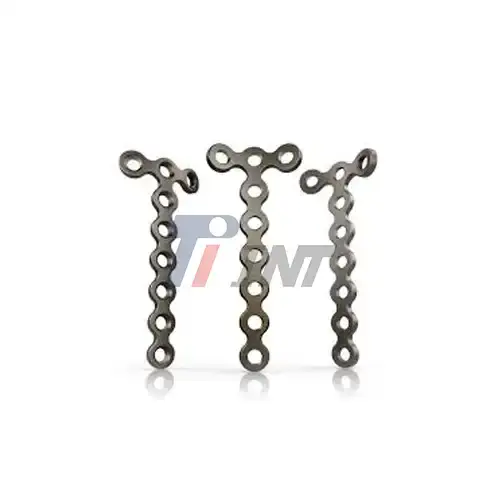
Understanding Commercially Pure (CP) vs. Alloy 3mm Titanium Sheets
Chemical Composition and Material Classification
Based on how much oxygen and iron they contain, commercially pure titanium sheet 3mm grades are divided into four main categories. While Grade 1 has the fewest intermediate elements and is therefore the most flexible, Grade 4 has a higher oxygen level and is therefore stronger. Titanium makes up 98.9 to 99.5% of these CP grades, with small amounts of oxygen, iron, carbon, and nitrogen. CP titanium doesn't need any major alloying elements to stay corrosion-free in a wide range of pH settings. This makes it a very useful material for chemical processing equipment and medical tools used at sea.
Alloy titanium sheets are made from a different kind of material. Along with the titanium base, the Ti-6Al-4V mixture has about 6% aluminum and 4% vanadium. This changes the microstructure and dynamic behavior in a basic way. Aluminum is an alpha stabilizer that makes things stronger and denser, and vanadium is a beta stabilizer that makes things harder to harden and more flexible at room temperature. This method of alloying makes a two-phase microstructure with tensile strengths between 895 and 930 MPa, which is higher than CP Grade 4's ceiling of 550 MPa and suitable for heavy-duty load-bearing tasks.
Microstructural Differences and Performance Implications
CP titanium's microstructure is mostly made up of close-packed alpha phase hexagonal crystals, which allow it to be deformed plastically through slip and twinning processes. This single-phase structure makes it easy to shape and join, which are both important qualities for making complicated surgery instruments. CP titanium's mechanical qualities stay the same even when the temperature changes. This means that it will work the same way during cleaning rounds and clinical use.
The Ti-6Al-4V alloy has an alpha-beta microstructure, and at room temperature, vanadium keeps the beta phase stable. Multiple strengthening processes, such as solid solution hardening and phase border strengthening, make this two-phase setup stronger. The microstructural complexity lets heat treatment work in ways that CP titanium cannot. This means that makers can change the mechanical properties by controlling the rate of cooling and the aging process. Medical device makers use this ability to be adjusted to make implant designs that work best for each person's body.
Key Properties and Performance Differences Between CP and Alloy Titanium Sheets
Mechanical Strength Characteristics
The changes in tensile strength between CP and alloy titanium sheet 3mm options directly influence the choice of material for medical uses. The most typical grade of pure titanium, CP Grade 2, has a tensile strength of 345–480 MPa and a yield strength of about 275 MPa. These numbers are good enough for surgery tools that are under mild stress during treatments. CP Grade 4 raises the tensile strength to 550 MPa by increasing the fixed amount of oxygen in the material, but it is still much weaker than what an alloy can do.
The tensile strength of Ti-6Al-4V ELI alloy is over 860 MPa, and the yield strength is around 795 MPa. This makes it almost twice as strong as CP types when it comes to carrying weight. This extra strength is very important for orthopedic implants like femur stems and spine rods that are loaded and unloaded over and over again by the body's weight. The 3mm thickness gives the cross-sectional area needed to machine complicated shapes while still keeping the structure strong. Elongation numbers show the trade-off: CP Grade 2 has 20–30% elongation, while Ti-6Al-4V only has 10–15%. This means that alloy formulas that make things stronger also make them less flexible.
Corrosion Resistance and Environmental Stability
Titanium's famous resistance to rust comes from the fact that when it is introduced to air, a protected layer of titanium dioxide forms very quickly. CP grades are the best at this passive film formation because they have the fewest alloying elements that could damage the structure of the oxide layer. The shield stays in place from pH 3 to 12, keeping the material below safe from chloride attack, body fluids that are acidic, and chemicals used for cleaning. Medical tools made from CP titanium keep their surface structure even after being autoclaved many times and being in saline solutions for a long time.
Although it's not as resistant to rust as CP titanium in very harsh conditions, Ti-6Al-4V alloy still does a great job in most medical settings. In some situations, the aluminum presence can lead to the formation of localized galvanic cells, especially in cracks that are exposed to chloride ions. But the ELI version directly handles this issue by lowering the amounts of intermediate oxygen, nitrogen, and carbon to improve rust performance. Both types of materials work much better than stainless steel in chloride-rich settings, so medical tools don't have to deal with the pitting rust that shortens their life.
Weight and Density Considerations
Titanium is much lighter than stainless steel, which has a density of 7.9 g/cm³. Titanium has a density of about 4.5 g/cm³ for CP types and 4.43 g/cm³ for Ti-6Al-4V. A 3mm titanium sheet weighs about 40% less than a similar stainless steel sheet. This means that instruments won't get tired during long surgeries, and bigger implants can be made without having too much mass. This density advantage is especially useful for emergency escape tools in space and compact surgery instrument sets, where weight limits directly affect how well they work.
Because there isn't much of a difference in density between CP and alloy titanium sheets, choosing a material based on weight means looking at its strength-to-weight ratio instead of its absolute mass. Ti-6Al-4V has a higher specific strength, which is strength split by mass. This means that smaller cross-sections can hold the same amount of weight. It's possible for medical device designers to cut a Ti-6Al-4V component from 3mm to 2mm thickness while still getting good performance for implant uses. However, the 3mm thickness is usually the minimum required by manufacturers and regulators for safety reasons.
Practical Applications and Use Case Scenarios
Medical Device Manufacturing Applications
Surgical instrument makers like CP titanium sheet 3mm for making hand tools like forceps, retractors, and needle holds. The material is very strong and doesn't rust, so it can be sterilized many times without losing its surface. It's also strong enough to handle normal surgical pressure. The high flexibility makes it easier to stamp and shape precisely, which is needed for making complex jaw shapes and hinge mechanisms. The industry standard for non-implantable surgery tools is CP Grade 2, which balances performance with cost-effectiveness for mass production.
Ti-6Al-4V ELI alloy properties are needed for orthopedic implant uses. The alloy's high fatigue strength is needed for femoral hip stems, tibial trays, and spine fusion bars so they can last through millions of loading cycles while the patient walks. The 3mm thickness makes it possible to use the stock material for CNC cutting complicated skeletal shapes and making porous coatings. Manufacturers of dental implants also use Ti-6Al-4V for endosseous fittings because osseointegration depends on both how well they fit with the bone and how stable they are mechanically. Because the alloy is strong, smaller implants can be used in places with limited bone volume while still not breaking when the jaw is used.
Comparative Performance Against Alternative Materials
Stainless steel 316L has traditionally been used to make medical devices because it is cheaper and easier to work with. Titanium sheet options have strong benefits that make the higher price point justified. Titanium is biocompatible, which means that it doesn't cause nickel sensitivity problems in the 10-15% of people who have stainless steel implants. The ability to fight rust stops the release of metal ions that can cause inflammation reactions and device loosening. Radiographic transparency makes it possible to see images clearly after surgery without the flaws that come from stainless steel's density. This improves the accuracy of diagnoses during follow-up exams.
While aluminum alloys have similar density benefits and lower material costs, they are not biocompatible enough to be used for implanted uses. Titanium dioxide is more stable in physiological conditions than aluminum's oxide layer, which speeds up decay. The mechanical strength of aircraft aluminum alloys is almost as good as CP titanium, but not as good as Ti-6Al-4V. Aluminum can only be used for external instruments and non-implantable parts where biocompatibility rules allow it. Titanium, on the other hand, is the best material for patient-contacting uses that need to be strong and not affect living things.
Procurement Insights: Sourcing and Buying 3mm Titanium Sheets
Supplier Qualification and Certification Requirements
Getting medical-grade titanium requires a lot of checks on the suppliers to make sure the materials can be tracked and that the rules are followed. When a company gets ISO 13485:2016 approval, it means that their quality control system meets the rules for making medical devices. Certifications for materials must include full chemical makeup and mechanical property testing data, as well as ASTM standards (ASTM F67 for CP titanium and ASTM F136 for Ti-6Al-4V ELI alloy). Suppliers should give mill test results that show how to track heat lots. This way, makers can keep track of all the material's history, which is needed to comply with FDA 21 CFR Part 820.
Well-known companies that supply medical titanium keep their working areas clean so that pollution doesn't happen during sheet production. When cold rolling, oils that leave behind surface contaminants that can't be cleaned up by biological processes must be avoided. Vacuum annealing keeps the amount of oxygen picked up within the limits set by the manufacturer, which changes the grade description of the material. Before approving a source to provide production materials, production managers should check the facilities to see what tools they have, how they control quality, and how they keep records. The money spent on qualifying suppliers keeps materials from being turned down, which costs a lot, and avoids production delays that hurt project schedules.
Pricing Structures and Cost Considerations
The price of CP titanium sheet 3mm ranges from $35 to $55 per kilogram, with Grade 2 being the least expensive. The price range depends on the grade and the size of the order. Ti-6Al-4V ELI alloy costs more than other alloys, costing between $65 and $95 per kilogram. This is because it is harder to work with and costs more for the alloying elements. At $8–15 per kilogram, these prices are much higher than options made of stainless steel. A careful cost–benefit study is needed to take into account titanium's better performance and longer service life.
Volume-based price systems help makers save a lot of money when they set up production relationships. When compared to small sample sales, minimum order amounts of 100 kilograms often cut costs by 15 to 20 percent per unit. With annual supply deals that guarantee certain amounts, prices can be discussed, which makes budgeting easier and makes sure that materials are always available even when the market changes. Custom processing services, such as precise cutting, surface cleaning, and licensing paperwork, raise total landing costs but add value. When reviewing seller offers, procurement professionals should look at the total cost of the purchase, which should include shipping, import taxes, and the cost of keeping goods.
Customization and Processing Capabilities
Medical device makers often need special sheet sizes that are bigger or smaller than normal industrial sizes. Precision slicing, waterjet cutting, and laser cutting services from suppliers give materials that are best for specific production processes. This cuts down on waste and setup time. For 3mm sheets, the tolerance specs usually allow for a range of ±0.1mm, which is fine for most shaping and cutting tasks. For tasks that need exact control of stack height or very little room for finish cutting, margins of ±0.05mm may be requested.
Surface finish needs change depending on what it will be used for. The mill finish surface shows how the metal was when it was rolled, and it can be used for parts that will be machined or given a surface treatment later on. Pickled and passivated finishes get rid of scale and make surfaces more resistant to rust for uses that need a cleaner surface. To keep medical devices from getting contaminated with particles, makers often list extra cleaning methods like ultrasonic cleaning and clean room packing. Suppliers who can offer these value-added services shorten supply chains and cut down on handling steps that could damage or contaminate materials.
Making the Right Choice Between Commercially Pure and Alloy 3mm Titanium Sheets
Decision Matrix and Selection Criteria
When choosing a material, you have to weigh the performance needs of many things against the costs and rules that apply. When resistance to rust and shapeability are the most important factors, like when surgery tools are under mild stress, CP Grade 2 titanium sheet 3mm options give the best performance at the lowest cost. Even though it costs more, Ti-6Al-4V ELI alloy is needed for applications that need maximum strength and fatigue resistance, especially load-bearing hip implants. The choice framework should include numbers for things like loading conditions, outdoor exposure, biocompatibility needs, and expected lifetime costs.
The regulatory route affects the approach for choosing materials. The FDA has given CP titanium multiple 510(k) clearances and the material has a long clinical background. This makes it easier to get new surgery tools approved by the FDA. Ti-6Al-4V ELI also benefits from well-known predicate devices and large biocompatibility databases. Changing materials during the creation of a product can cause delays in governmental reviews and the need for more testing, which shows how important it is to choose the right materials at the start. Change control methods that keep the product in line with regulations throughout its lifecycle should be included in quality deals with material providers.
Engineering Trade-offs and Optimization Strategies
Design improvement methods can reduce the effects on material costs while still meeting performance goals. When compared to CP titanium counterparts, Ti-6Al-4V parts can often be thinner, which makes up for higher material costs per kilogram by lowering mass. Stress optimization using finite element analysis finds the thinnest layer of material that meets the standards for fatigue life while also taking into account the necessary safety factors. The 3mm thickness is a useful standard for production because it allows for cutting margins and surface finishing operations. However, a study of the particular application may show ways to reduce weight without affecting the structural integrity.
Material selection influences the choice of industrial method and the cost of production. Because CP titanium is so easy to shape, cold pressing processes can be used to lower the cost of making each unit in high-volume production. Because Ti-6Al-4V is stronger, it may need higher forming pressures and more tool wear, which could make cutting from sheet stock more appealing. When choosing the best materials for different product lines, production managers should look at the total cost of production, which includes material, processing, tools, and output rates. The best design solutions are found by looking at how the qualities of the material combine with the processing skills.
Conclusion
To choose between commercially pure and alloy titanium sheet 3mm, you need to look at their mechanical performance, resistance to rust, biocompatibility, and cost, all of which should be in line with the medical device uses you have in mind. CP titanium is great for medical tools and moderate-stress parts because it doesn't rust and is easy to shape. Ti-6Al-4V ELI alloy, on the other hand, is great for load-bearing orthopedic implants because it is strong and doesn't wear. Both materials are very biocompatible and are accepted by regulators in the medical equipment markets. Supplier approval, licensing proof, and a total lifetime cost analysis should all be part of procurement choices to make sure that the materials chosen support both product performance goals and the long-term health of the business.
FAQ
Q1: Can commercially pure titanium be used for orthopedic implants?
A: CP titanium is used in low-load implants like skull plates and jaw repair parts because it is biocompatible and doesn't rust, which are better qualities than strength. But orthopedic implants that hold weight, like hip stems and spine fixation devices, need the better mechanical qualities of Ti-6Al-4V alloy to last 10 to 15 years without wearing out from repeated physiological loads.
Q2: What accounts for the cost difference between CP and alloy titanium sheets?
A: Aluminum and vanadium, which are expensive alloying elements, make the cost of raw materials go up. Production costs go up even more when processing becomes more complicated. For example, controlled cooling cycles and precise makeup management during melting operations make the process even more expensive. The easier science and processing needs of CP titanium mean that it costs less to make, but both types of material still need to meet medical-grade licensing and tracking paperwork standards.
Q3: How does sheet thickness affect material selection for medical devices?
A: The titanium sheet 3mm width is the best compromise between the weight and stiffness of the structure for both types of material. Thinner sizes (less than 2mm) make the metal easier to shape, but they might not be as strong as needed for medical tools that are bent. Thicker parts than 5mm add weight that isn't needed and doesn't improve strength, which drives up the cost of materials and the time it takes to machine them. The 3mm guideline is an industry standard that supports a wide range of production methods while still providing good performance.
Partner with a Medical Titanium Specialist for Your 3mm Titanium Sheet Requirements
Baoji INT Medical Titanium Co., Ltd. has been in the titanium business for more than 30 years and offers a wide range of medical device material options. This makes us your reliable source for titanium sheet 3mm. Our factories are ISO 13485:2016 approved and make medical-grade commercially pure titanium (ASTM F67) and Ti-6Al-4V ELI alloy (ASTM F136) sheets. All of the materials used can be tracked back to their sources, and the mill test certificates help with FDA regulatory applications.
We know how hard it is for medical device makers to find the right mix between material performance, legal compliance, and the cost of production. Our expert team helps you choose the right materials, makes sample evaluation programs, and offers custom processing services like precision cutting and surface finishing that are made to fit the needs of your application. If you email our sales team at export@tiint.com, you can talk about the details of your project, ask for approved material samples, or get cheap quotes for production amounts that fit your budget and timeline.
References
1. American Society for Testing and Materials. (2017). ASTM F136-13: Standard Specification for Wrought Titanium-6Aluminum-4Vanadium ELI Alloy for Surgical Implant Applications. West Conshohocken, PA: ASTM International.
2. American Society for Testing and Materials. (2018). ASTM F67-13: Standard Specification for Unalloyed Titanium for Surgical Implant Applications. West Conshohocken, PA: ASTM International.
3. Brunette, D.M., Tengvall, P., Textor, M., & Thomsen, P. (2012). Titanium in Medicine: Material Science, Surface Science, Engineering, Biological Responses and Medical Applications. Berlin: Springer-Verlag.
4. Donachie, M.J. (2000). Titanium: A Technical Guide, 2nd Edition. Materials Park, OH: ASM International.
5. Rack, H.J., & Qazi, J.I. (2006). Titanium Alloys for Biomedical Applications. Materials Science and Engineering C, 26(8), 1269-1277.
6. Steinemann, S.G. (1998). Titanium—The Material of Choice? Periodontology 2000, 17(1), 7-21.
_1751956503238.webp)