What industries commonly use GR9 titanium bars with 8mm diameter?


 2026-07-20 09:46:23
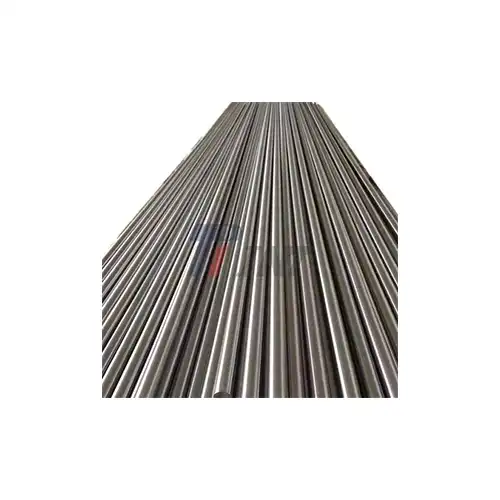
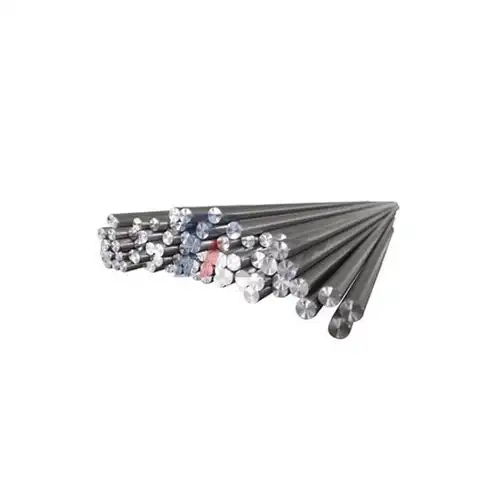
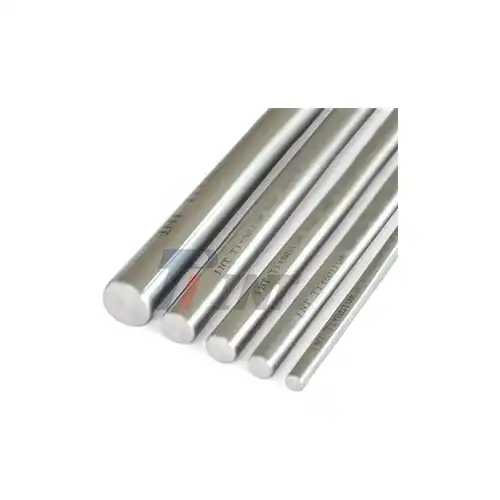
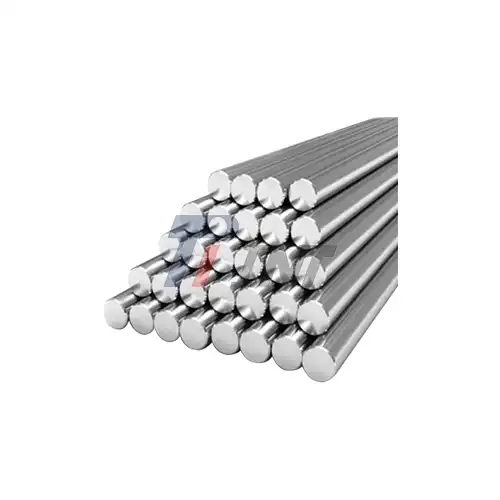
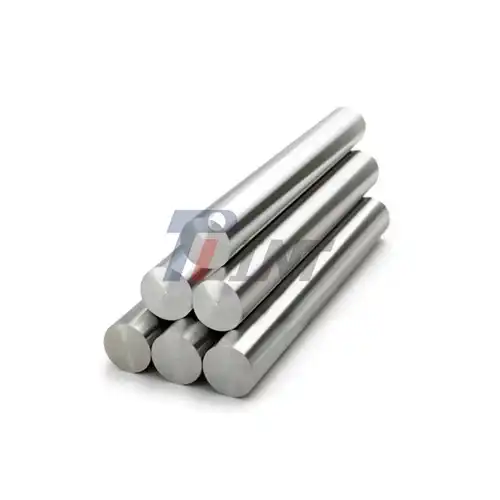
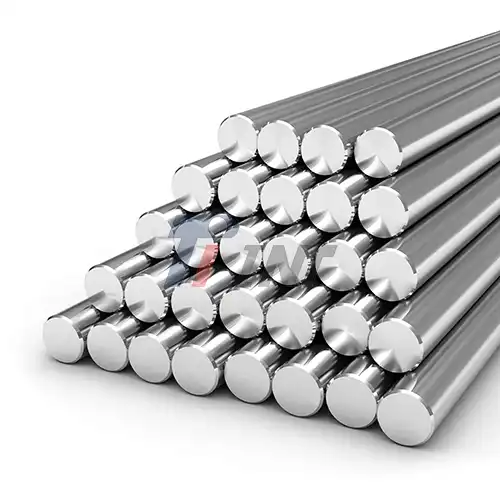
Many different types of businesses use the Gr9 Titanium Bar Dia 8mm because it is very strong, very light, and very resistant to rust. This titanium alloy, which is made up of Ti-3Al-2.5V, is the best combination of the malleability of pure titanium and the tensile strength of Grade 5 alloys. Choosing the right titanium type has a direct effect on how well the product works, how long it lasts, and how efficiently it is made for difficult uses. When buying workers know about the special features of Grade 9 titanium in the 8mm circle standard, they can make choices that meet their technical needs and stay within their budget. This complete guide talks about the different types of titanium, how they are used in industry, and important things to think about when buying titanium for the aircraft, medical, chemical processing, marine, and automobile industries.
|
|
|
Understanding GR9 Titanium Bars: Composition and Properties
Chemical Composition and Alloy Structure
Members of the alpha-beta titanium metal family include grade 9 titanium. Its carefully controlled makeup makes it more durable. The main element in the material is titanium. The alpha phase is stabilized by 2.5 to 3.5% aluminum, and the beta phase is stabilized by 2.0 to 3.0% vanadium. To keep the good flexibility and formability, the iron content (≤0.25%) and oxygen levels (≤0.15%) in this exact composition are carefully controlled. The Gr9 Titanium Bar Dia 8mm standard is an important industrial size that is widely used for precision cutting tasks like making bolts, shafts, and parts for medical instruments.
Mechanical Properties and Performance Characteristics
Grade 9 bars with an 8mm width meet the technical requirements of ASTM B348 and AMS 4943. They have a tensile strength of ≥620 MPa (90 ksi) and a yield strength of ≥483 MPa (70 ksi). With an extension capacity of about 15 to 20 percent, the material is much more flexible than higher-strength titanium types. The density of 4.48 g/cm³ gives it an amazing strength-to-weight ratio; it weighs about 56% less than steel versions but is stronger and more stable. The benefit of this is especially useful in situations where less weight directly means better efficiency and performance.
Grade 9 titanium has a high resistance to wear, which means it lasts a long time even under recurring stress conditions. This makes it a good choice for parts that are loaded and unloaded many times. The metal is just as resistant to corrosion as Grade 2 titanium in neutral and acidic conditions. It is also very resistant to saltwater and stress corrosion cracks caused by chloride at temperatures up to 260°C (500°F).
Manufacturing and Heat Treatment Processes
To make Gr9 Titanium Bar Dia 8mms, complex production methods are used, such as cold working and stress release treatments that improve the material's qualities. Grade 9 titanium doesn't crack when it's cold worked, while Grade 5 titanium usually needs to be hot formed. This lowers the cost of production and increases the number of processing choices. The bars are usually provided with either a centerless ground or a peeled and polished surface. For the 8mm diameter, centerless grinding is recommended to ensure the tight spec control needed for CNC joint feeding and precision machining tasks. Each batch of products goes through strict quality control checks to make sure they are all the same and meet international standards.
Industrial Applications of GR9 Titanium Bars (8mm Diameter)
Medical and Dental Device Manufacturing
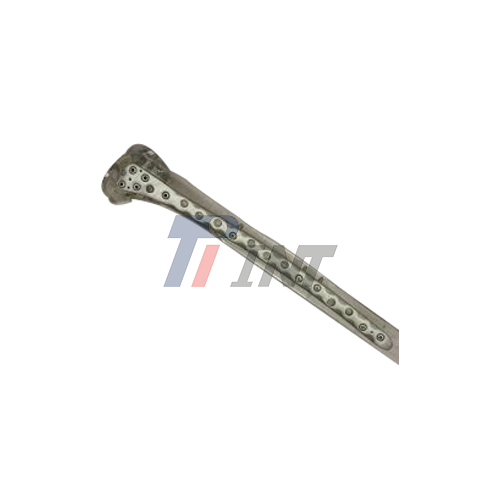
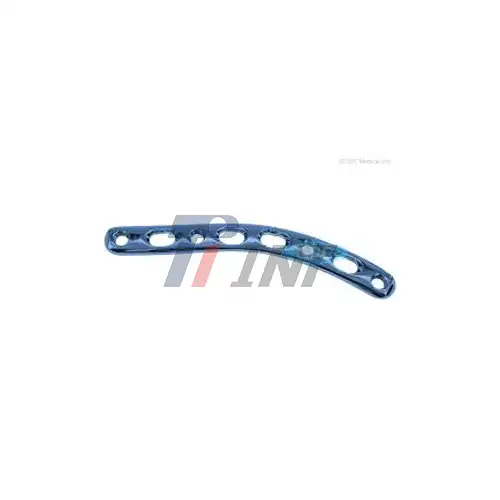
Due to their excellent biocompatibility and mechanical qualities, Gr9 Titanium Bar Dia 8mms find a lot of use in the medical field. Orthopedic device makers use these bars to make rods, pins, and bone fixation screws that provide solid support while reducing the patient's load by being lighter. The better biocompatibility of the material makes it safe to integrate with human tissue, which lowers the risk of rejection in implantable devices.
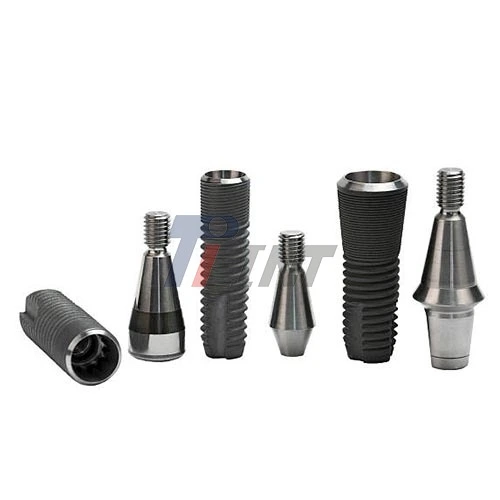
Dental implant makers like the 8mm diameter standard because it helps them make long-lasting abutments and implant parts that can handle chewing forces and rust in the mouth cavity. The alloy's high stress strength and rust resistance help companies that make surgical instruments last longer, even after being sterilized many times. Because the material is both strong and easy to shape, it can be precisely machined into the complicated shapes needed for modern surgery tools and medical equipment parts.
Aerospace and Aviation Components
Grade 9 has a great strength-to-weight ratio that is used in aerospace to make important parts of airplane frames and fastening systems. Bar stock that is 8 mm wide is used to make hydraulic fittings, joints, and structural bolts that need to be resistant to wear and rust. Manufacturers of aircraft like the material because it can lower the total weight of the vehicle without lowering safety standards. This directly leads to better fuel economy and longer operating ranges. The metal works well in small hydraulic lines that are under a lot of pressure because it doesn't rust when exposed to hydraulic fluid and stays stable at different temperatures.
Chemical Processing and Petrochemical Industries
Chemical processing plants use Grade 9 titanium for valve stems, control shafts, and pump parts because it is very resistant to harsh media. The 8mm diameter standard is good for situations where small, light parts need to be able to handle strong acidic acid conditions that would quickly wear down stainless steel options. Offshore and petrochemical plants benefit from the material's total resistance to pitting and crevice rust in chloride-rich settings. This means that the equipment will work reliably for a long time and will need less upkeep. The material's ability to stay stable in toxic environments makes tools last longer and prevents costly production interruptions.
Marine and Offshore Applications
Marine hardware makers like 8mm Grade 9 bars for making bolts, support structures, and mooring parts that will be in touch with salt water all the time. Because the metal is so resistant to saltwater rust, protective layers are not needed in many situations. This makes upkeep easier and lowers the cost over its lifetime. Offshore platform workers like how long-lasting the material is in tough marine settings where other materials break down quickly, requiring frequent replacements and safety issues.
Automotive and High-Performance Motorsport
Grade 9 titanium is being used more and more in the car business for lightweight performing parts. Reducing weight directly improves a vehicle's efficiency and driving. The 8mm bar width is the standard for making seat rails and rack mounts for high-end titanium bicycle frames. This is because titanium is a flexible material that can absorb road vibrations while still holding up under user weight. Components that lower unsprung weight and spinning mass are useful in motorsport because they make acceleration, stopping, and the general physics of the car better.
Comparing GR9 Titanium Bars (8mm) to Other Grades and Materials
Grade 9 versus Grade 5 (Ti-6Al-4V)
When looking at different types of titanium, Grade 9 is clearly better than Grade 5 in some situations, especially when the material needs to be able to be cold shaped. Grade 5 has a tensile strength of more than 895 MPa, which is higher than Grade 4. However, it is hard to cold form, so hot forging is usually the only option. Because Grade 9 has less vanadium, it is easier to weld. For most non-aerospace uses, similar filler wire can be used for TIG welding without needing to be heated after the welding process. Because of this working benefit, manufacturing costs are lower and production processes are faster.
Grade 9 versus Grade 2 Commercially Pure Titanium
The Gr9 Titanium Bar Dia 8mms are better at withstanding cold headability, which means they can be directly cold shaped to make fasteners without the risk of cracking that comes with using Grade 5 materials in the same way. This feature is especially useful in high-volume production settings where the speed of processing has a direct effect on profits. When compared to widely pure Grade 2 titanium, Grade 9 is 20–50% stronger while still being about as resistant to rust in most conditions. This increase in strength lets designers make parts with smaller cross-sections and less weight without compromising their structural integrity. The better mechanical properties don't come at a cost to formability; Grade 9 is still flexible enough for most industrial processes. Grade 9 is the best material for procurement workers who want something between the workability of pure titanium and the power of higher-grade alloys.
Grade 9 versus Stainless Steel 316
When Grade 9 titanium is directly compared to stainless steel 316, it shows that it is much better at resisting rust and being lighter. Grade 9 stainless steel works much better than 316 stainless steel in chloride-rich settings. At room temperature, it fully eliminates the risks of pitting and crevice rust. It's about 44% lighter than stainless steel, which saves a lot of weight and is useful in situations where lowering mass improves performance or lowers running costs. Even though Grade 9 titanium costs more at first, the longer service life, lower upkeep needs, and better performance often make up for the cost over the duration of a product.
Market Pricing and Availability Considerations
The market for 8mm Grade 9 titanium bars is stable right now, with steady demand across many industries. Prices are affected by the cost of raw materials, the amount that is made, and the supplier's skills. Instead of just looking at the price of a single bit of material, procurement pros should look at the total cost of ownership, which includes things like how the material is machined, how much it yields, and how long the parts last. Supply chain risks can be reduced and project consistency can be ensured by working with experienced providers who keep uniform inventory levels and offer technical support.
Procurement Considerations for GR9 Titanium Bars (8mm Diameter)
Certification and Compliance Requirements
To get medical-grade titanium products that work, you have to pay close attention to approval and tracking paperwork. For each output batch, suppliers should give EN 10204 3.1 Mill Test Certificates (MTC) that show the heat numbers, chemical makeup analysis, mechanical property test results, and heat treatment conditions. Following the rules set by ASTM F136, ASTM B348, and ISO 5832-3 makes sure that the material is real and can be used for what it was made for.
Manufacturers who care about quality keep both ISO9001:2015 certification for general quality management systems and ISO13485:2016 certification for making medical devices. EU CE marking means that a product meets European safety, health, and environmental protection standards. This makes it easier for finished goods to get into more markets. People who work in procurement should make sure that sellers keep their certifications up to date and use strict quality control measures throughout the production process.
Minimum Order Quantities and Lead Times
Realistic project planning and inventory management are made possible by knowing normal minimum order amounts (MOQs) and production wait times. Medical-grade titanium providers may have minimum order quantities (MOQs) that range from 50 to 500 kilograms, based on the thickness and surface finish needs. Custom length requirements or surface treatments may make MOQs higher or wait times longer than what is normally available.
Standard production wait times for Gr9 Titanium Bar Dia 8mms are between 4 and 8 weeks, but can change depending on demand, production plans, and certifications that need to be done. When production capacity allows, rush orders may be filled at a higher cost. Setting up outline deals with qualified providers can cut down on wait times for repeat orders and keep prices stable across fiscal years.
Customization Options and Technical Support
Reliable makers offer customization services that include precisely cutting to specific lengths, different surface finishes (polished, pickled, or custom treatments), and specialized machine operations that are made to fit the needs of each customer. Access to expert help for choosing materials, handling suggestions, and quality control advice is very valuable in addition to just providing basic materials. Suppliers with a lot of knowledge with specific applications can help you figure out how to get the most out of your materials, cut down on waste, and make processing more efficient.
International Shipping and Logistics
When you want to get titanium products from around the world, you need to think carefully about shipping methods, government processes, and the paperwork that is needed. Experienced providers handle foreign operations, making sure that items are properly packed to avoid damage during shipping and that accurate customs paperwork is completed quickly so that goods can be released. By knowing Incoterms and making it clear who is responsible for shipping costs, insurance, and import taxes, you can avoid confusion and costs that you didn't expect.
Why Choose GR9 Titanium Bars (8mm): Advantages and Industry Trust
Core Material Advantages
The great mix of qualities that Gr9 Titanium Bar Dia 8mms have meets important performance needs in a wide range of tough industrial settings. This material is very resistant to rust, so it will stay stable for a long time in tough chemical, sea, and biological conditions where other materials break down quickly. When you mix high tensile strength with low density, you get better strength-to-weight ratios that let you lighten things up without sacrificing safety or structural integrity.
Outstanding wear resistance helps parts that are loaded and unloaded over and over again work reliably, lowering the risk of failure and increasing the time between service intervals. Because the material is so biocompatible, it is the best choice for medical devices and surgery tools that need to touch flesh directly. These features make Grade 9 titanium a reliable material that can't be cheated on when it comes to performance and dependability.
Manufacturing and Processing Benefits
Besides the natural qualities of the material itself, Grade 9 titanium has important industrial benefits that lower costs and increase design options. Because it can be worked with in cold conditions better than higher-strength titanium types, it can be used directly for cold forming operations like thread rolling, heading, and bending, without having to go through any cooling steps first. This processing freedom speeds up production cycles and lowers the amount of energy needed for hot forming.
It is easier to make complex systems when the metal is easy to weld. TIG welding makes high-quality joins without requiring a lot of work after the welding process. Precision cutting features allow for tight control of tolerances and a high quality surface finish, meeting the strict needs of medical devices and aircraft parts. These advantages in making lead to lower prices and higher quality products used in a wide range of situations.
Supplier Qualification and Quality Assurance
Partnering with well-known makers with a lot of experience in the field and strong quality control systems guarantees consistent materials and a reliable supply chain. Leading providers use strict processes for testing new materials, checking quality while they're being made, and testing the finished product to make sure they meet all standards. Traceability systems that connect produced goods to the heat numbers and processing records of raw materials help companies follow the rules and make it easier to find the root cause of quality problems.
Suppliers who offer full professional support, such as help choosing materials, advice on processing, and testing for specific applications, add a lot of value on top of just providing raw materials. Long-term relationships with qualified makers offer a stable supply chain, regular material quality, and the ability to work together to solve problems, all of which help with product growth and efforts to make things better all the time.
Conclusion
In conclusion, the Gr9 Titanium Bar Dia 8mm is a flexible and high-performance material that is used in the space industry, the chemical processing industry, the marine industry, the advanced car sector, and the making of medical devices. Its unique mix of strength, resistance to rust, biocompatibility, and handling benefits makes it suitable for tough situations where failure of a material would have major effects. When making buying choices that affect product performance, legal compliance, and lifetime costs, procurement pros need to know about the material's makeup, mechanical qualities, and comparative advantages. Partnering with qualified providers who uphold strict quality standards, offer technical support, and guarantee on-time delivery guarantees project success and long-term competitive benefits.
FAQ
Q1: Why choose Grade 9 over Grade 5 titanium for medical device manufacturing?
A: Grade 9 titanium can be cold shaped better than Grade 5 titanium. This means that straight cold forming processes can be used, which cuts down on manufacturing costs and cycle times. Because Grade 9 is easier to weld, it can be used for strong TIG welding without the complicated post-weld heat processes that are needed for Grade 5 parts. Grade 5 has higher raw strength, but Grade 9 has good enough mechanical qualities for most medical device uses and has processing benefits that make manufacturing more efficient and save money.
Q2: What documentation should accompany 8mm Grade 9 titanium bar shipments?
A: Reliable providers give EN 10204 3.1 Mill Test Certificates that show the heat numbers, full chemical makeup analysis, mechanical property test results with tensile strength, yield strength, and stretch values, as well as details about the heat treatment conditions. As needed for the planned uses, extra paperwork may include compliance certificates for ISO9001:2015, ISO13485:2016, and CE marks. Detailed records of where materials came from help with legal checks and meeting the needs of quality management systems.
Q3: How does Grade 9 titanium compare to stainless steel 316 in corrosive environments?
A: In chloride-rich settings, Grade 9 titanium works much better than 316 stainless steel. At room temperature, it is completely resistant to pitting and crevice rust. In ocean, chemical processing streams, and biological fluids, where stainless steel breaks down over time, the titanium metal keeps working well. The starting cost of the material is higher than that of stainless steel, but the longer service life and lower upkeep needs often make the total cost of ownership lower over the lifecycle of the product.
Partner with Baoji INT Medical Titanium Co., Ltd. for Premium Grade 9 Titanium Solutions
Baoji INT Medical Titanium Co., Ltd. is a leading manufacturer of medical-grade titanium products. We have been in business since 2003 and have over 30 years of experience in this field. We are a reliable provider of Gr9 Titanium Bar Dia 8mm, and the goods we offer are precisely designed to meet the requirements of ASTM F136, ASTM B348, and ISO 5832-3. They also have full ISO9001:2015, ISO13485:2016, and EU CE certifications. Our 8mm diameter Grade 9 titanium bars come in different lengths that can be customized, and their surfaces can be polished or pickled. They also go through strict quality control to make sure that their mechanical properties and chemical composition stay the same.
We know how important it is for medical device makers, R&D teams, and OEM/ODM partners to have a reliable supply chain, on-time delivery, and full expert support. Our expert engineering staff helps you choose the right materials, makes suggestions for how to handle them, and provides full traceability paperwork to meet your legal compliance needs. We offer options that are specifically made to meet your needs, whether you need normal bar stock or precision-machined parts for medical devices, dental implants, or surgery tools. Get in touch with our export@tiint.com team to talk about your Gr9 Titanium Bar Dia 8mm needs and find out how our knowledge, dedication to quality, and excellent customer service can help improve your supply chain and make your product work better.
References
1. ASTM International. "ASTM B348-13: Standard Specification for Titanium and Titanium Alloy Bars and Billets." Annual Book of ASTM Standards, Vol. 02.04, 2019.
2. Peters, M., Kumpfert, J., Ward, C.H., and Leyens, C. "Titanium Alloys for Aerospace Applications." Advanced Engineering Materials, Vol. 5, No. 6, 2003.
3. Rack, H.J. and Qazi, J.I. "Titanium Alloys for Biomedical Applications." Materials Science and Engineering C, Vol. 26, No. 8, 2006.
4. Boyer, R., Welsch, G., and Collings, E.W. "Materials Properties Handbook: Titanium Alloys." ASM International, Materials Park, Ohio, 1994.
5. Froes, F.H. "Titanium: Physical Metallurgy, Processing, and Applications." ASM International Handbook Committee, 2015.
6. Niinomi, M. "Mechanical Biocompatibilities of Titanium Alloys for Biomedical Applications." Journal of the Mechanical Behavior of Biomedical Materials, Vol. 1, No. 1, 2008.
_1753426807653.webp)
_1752462199458.webp)