



What Makes Titanium Bars Safe for Medical Implants?


 2026-03-23 12:47:38
Titanium bars achieve exceptional safety in medical implants through their unique biocompatible properties, corrosion resistance, and mechanical compatibility with human bone. Medical titanium rod products eliminate toxic ion release while providing optimal strength-to-weight ratios essential for long-term implant success. The material's ability to integrate seamlessly with bone tissue, combined with rigorous manufacturing standards like ASTM F136 and ISO 13485 certifications, ensures reliable performance in critical surgical applications from spinal fixation to joint replacement procedures.
|
|
|
Introduction
This in-depth guide looks at titanium bars as important materials for medical implants, focusing on how safe, reliable, and well they work in the body. When choosing parts for life-critical uses, people who make medical devices, buy them, work in the supply chain, and do research and development need to have a deep understanding of the qualities of the materials they use. The global market for medical titanium keeps growing because doctors and hospitals want better biocompatible materials that improve patient results and meet strict regulatory standards.
Titanium-based implants are used a lot in modern surgery because they have been shown to reduce problems and speed up the mending process. We'll talk about the main reasons why titanium bars are the best choice for medical uses, compare them to other materials, and give you useful advice on how to buy them. Among the problems this study looks at are material certification, the dependability of the supply chain, and quality assurance methods that have a direct effect on how long it takes to make a product and get it approved by regulators.
Understanding Titanium Bars in Medical Implants
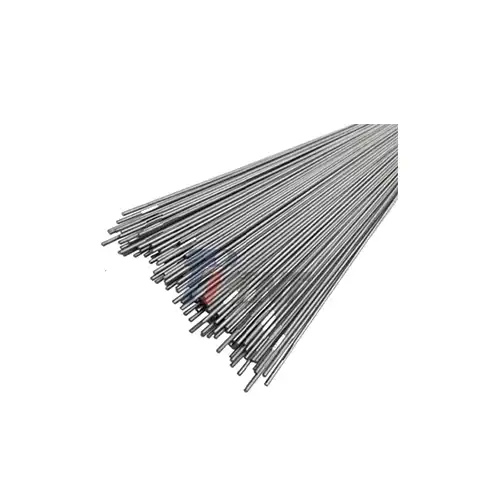
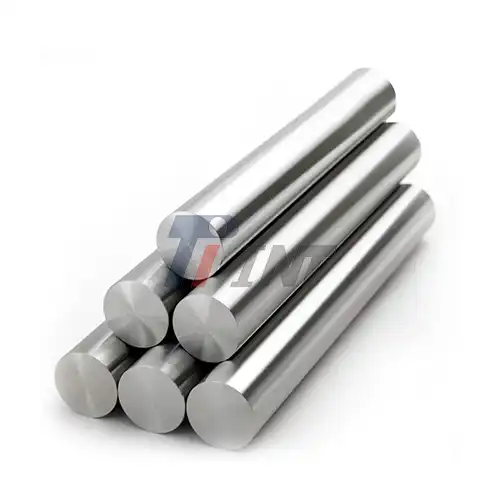
Technology-advanced building solutions called titanium bars were made just for medical transplant needs. These cylinder-shaped parts, which are sometimes called "medical titanium rod products," are made using specific methods to get the right mechanical qualities for use in orthopedics. The nature of the material makes it very strong while still being flexible in a way that is very similar to how bones behave naturally.
Physical Characteristics and Material Grades
Most medical-grade titanium bars are made from Grade 2 economically pure titanium or Grade 23 Ti-6Al-4V ELI (Extra Low Interstitial) alloys. In physiological settings, these materials show better corrosion resistance, and they keep their structure integrity under repeated loading conditions. The process of making it includes hot forging, precise machining, and surface treatment procedures that get rid of flaws and make sure the dimensions are within the needed ranges.
Grade 23 titanium alloy has better mechanical qualities and can reach yield strengths of 795-875 MPa. This makes it perfect for load-bearing uses like spine rods and intramedullary nails. The material's modulus of flexibility (110 GPa) is similar to that of bone tissue. This means that it doesn't protect against stress as well, which can make implants open or bone break down around the device.
Biocompatibility and Safety Properties
Because they are nontoxic and can help bone fuse together, titanium bars have a very high safety rating. Titanium, unlike other metals, makes a solid oxide layer that keeps metal ions from entering nearby tissues. Because of this feature, there are no worries about metallosis or harmful responses that could hurt the patient's health or shorten the life of the implant.
Another important safety benefit is that it is compatible with sterilization. Titanium bars don't lose their properties when they are sterilized with gamma radiation, multiple autoclave processes, or electron beams. Because of this, companies that make medical devices can choose the best cleaning methods based on the needs of the product design and the rules that need to be followed.
Comparing Titanium Bars with Other Metal Rods in Medical Implants
The choice of material has a big effect on how well implants work, how safe they are for patients, and how well they do in the long run. Instead of other metals that are often thought of for medical uses, titanium bars clearly have clear benefits. This comparison looks at some of the most important performance factors that affect choices about what to buy and how to build new products.
Titanium versus Stainless Steel
Even though stainless steel implants are less expensive than titanium options, they have some problems. Because stainless steel has a higher elastic stiffness (200 GPa), it can protect against stress that can cause bone loss around implant sites. Stainless steel also has nickel and chromium in it, which can cause allergic reactions in people who are sensitive.
One big difference between these materials is how well they prevent corrosion. Titanium's passive oxide layer protects better against body fluids, while in chloride-rich settings, stainless steel may experience pitting corrosion or crevice corrosion. These things have a direct effect on how long implants last and whether you need a repeat surgery.
Performance Analysis of Alternative Materials
For imaging purposes, carbon fiber reinforced polymer (CFRP) rods are radiolucent, which is helpful, but they are not strong enough to be implanted permanently. When these materials are loaded and unloaded over and over again, like in orthopedic uses, they may fail due to wear. Even though aluminum alloys are light, they are not biocompatible and are not strong enough for load-bearing implant uses.
The lifetime cost study shows that titanium bars are better, even though they cost more at first. Lower rates of revision surgery, better patient results, and longer-lasting implants more than make up for differences in the cost of purchase. When B2B buyers look at source partnerships and material requirements for new product development projects, they look at these long-term value promises.
Why Titanium Bars Are Trusted in Orthopedic and Surgical Implants?
Titanium bars are trusted by the medical community because they have been used for decades and have been approved by regulators. These materials always do a better job in tough situations where an implant failing could be very bad for the patient's health and the maker could be held responsible. Knowing the scientific reasons behind this trust helps people who work in buying make smart choices about where to get things.
Regulatory Certifications and Quality Standards
Medical titanium rod products have to follow strict rules, such as getting FDA 510(k) approval, following ISO 13485 quality control systems, and meeting CE marking standards for European markets. These certificates confirm the biocompatibility testing methods, material composition, and mechanical qualities that keep patients safe and the reliability of the product.
The ASTM F136 standard spells out the requirements for made titanium alloy bars that are used in medical implants. This standard tells makers what tests they need to do and what the limits are for chemical makeup and mechanical properties. Checking for compliance requires a lot of paperwork, like material certificates, records of where the materials came from, and quality control data that backs up regulatory entries.
Clinical Evidence and Biocompatibility
Several large clinical tests have shown that titanium is very biocompatible and can fuse with bone. The material's ability to make direct touch between bone and implant without the help of fibrous tissue helps with stable placement and long-term implant success. According to research, osseointegration rates are higher than 95% for titanium implants that are properly planned and made.
Titanium is different from other metals because it does not kill cells or cause cancer. The material is safe for permanent placement after it has been tested for biocompatibility according to ISO 10993 standards. The scientific basis for governmental approvals and clinical support around the world is these test findings.
Mechanical Compatibility with Human Bone
Titanium bars have mechanical qualities that work with the way bones naturally behave. The material can withstand more than 10 million rounds of bodily stress, which means that the implant will stay stable for a long time. This performance trait is very important in situations like spine fixation, where the implants are under constant mechanical stress for the whole patient's life.
The ability of titanium to prevent corrosion in biological settings is much better than that of other metals. Electrochemical tests show that the rates of ion release are very low and stay well below the levels that are needed to kill cells. This security keeps the implant in place and keeps the healthy tissue around it for a long time.
Procurement Guide: How to Source Safe Medical Titanium Bars?
To successfully buy medical-grade titanium bars, you need to know a lot about the requirements for the materials, the qualifications of the suppliers, and the quality control procedures. Business-to-business buyers have to deal with complicated rules and regulations while also making sure they can find cheap supplies that meet project deadlines and technology needs.
Material Specification Requirements
There are different types and shapes of medical titanium bars that are made for specific surgery uses. Grade 2 commercially pure titanium is very good at resisting corrosion and working well with living things. It is used to make general medical tools and implants that don't carry weight. Grade 23 Ti-6Al-4V ELI has better mechanical qualities that are needed for orthopedic devices and systems that fix the spine.
The dimensions must match the needs of production and the shape of the finished product. Standard bar widths run from 6 mm to 300 mm, and they can be any length up to 6000 mm. For specific uses, custom dimensions are possible, but wait times may be longer depending on the supplier's capabilities and the number of orders.
Supplier Evaluation Criteria
Suppliers who are qualified must show that they have complete quality management systems that are approved to ISO 13485 standards. This certification makes sure that risk-based quality controls, document management processes, and corrective action methods are followed. These are all very important for making medical devices. Supplier audits should check the company's ability to make things, the accuracy of its testing tools, and the skills of its employees.
Location affects the dependability of the supply line and the cost of transport. When you need a lot of something, foreign sources might be cheaper, but domestic sellers might have shorter lead times and make it easier to follow the rules. Diversifying the supply chain can help lower the risks that come with relying on a single source and not knowing what will happen in geopolitics.
Quality Assurance and Testing Requirements
Protocols for inspecting incoming materials must check their chemical make-up, mechanical qualities, and surface finish requirements. The paperwork for a certificate of compliance should include records of the heat treatment process, the results of chemistry analyses, and data from mechanical tests that can be linked to particular production lots. This allows for quick responses to quality problems and helps with meeting legal standards.
Advanced testing methods, such as ultrasonic inspection, dye penetrant testing, and metallographic analysis, help find possible flaws in materials before they are processed. With these quality control steps, production delays don't happen, which saves money, and the end product is guaranteed to work. Access to these testing services and expert help for characterizing materials should be part of supplier agreements.
Future Trends and Innovations in Medical Titanium Rods
The medical device business is always changing because of new technologies and new types of patients. Medical titanium rod applications can be used for more than just medical purposes. They can also be used in minimally invasive treatments, to make implants that are specific to each patient, and to connect smart devices. Knowing about these trends helps people who work in buying guess what the market will want and what suppliers will need to be able to do.
Advanced Surface Technologies
New methods for changing the surface of titanium make its already great biocompatibility and osseointegration qualities even better. Nano-structured surface treatments make tiny patterns that help bone cells stick together and grow faster. These technologies shorten the time it takes to heal and make implants more stable and likely to work in the long run.
Surface layers that kill germs are another big step forward in the fight against infections. Adding silver nanoparticles and antibacterial peptides makes it harder for germs to stick to things without hurting biocompatibility. These new ideas are especially helpful for high-risk patients and complicated surgeries where avoiding infections is very important.
Additive Manufacturing Integration
3D printing makes it possible to make devices that are custom made for each patient and have complicated shapes that aren't possible with standard manufacturing methods. Titanium powder metallurgy methods make structures with pores that help bone grow while lowering the weight of implants. These features help personalized medicine methods work better, which leads to better patient happiness and clinical results.
Adding additive manufacturing to the production process needs new ways of checking quality and new skills from suppliers. The standards for powder quality, process setting validation, and post-processing are very different from the way things are usually made. B2B buyers need to know if their suppliers are ready for these new technologies and the rules that go with them.
Market Expansion and Global Demand
More and more hip devices and surgeries are being done around the world because people are living longer. As healthcare systems invest in more improved treatment options, the use of medical titanium rod products grows at rates that are higher than 7% per year. This growth makes room for new providers and makes planning capacity and managing the supply chain more difficult.
As the infrastructure for healthcare improves and medical skills grow, emerging countries offer huge growth potential. On the other hand, these places may have different rules and budget limits that affect the materials needed and how suppliers are chosen. Companies can take advantage of these chances and lower the risks that come with them with adaptive buying strategies.
Conclusion
Medical implants made of titanium bars are safe and reliable because they have a unique mix of biocompatibility, mechanical qualities, and clinically proven performance. These materials are still the basis for medical gadgets that change people's lives by making them more mobile and improving their quality of life. When purchasing managers know about the benefits of titanium, they can make smart choices about where to get it that help with product development and regulation compliance. Medical titanium uses are always changing, which means that providers and medical device makers can work together in new and creative ways to improve patient care through better materials technology.
FAQ
Why do titanium rods provide superior biocompatibility compared to stainless steel?
Titanium makes a solid oxide layer that stops ions from entering nearby tissues. This means that there are no worries about metal sensitivity or toxic reactions. Nickel and chromium, which are found in stainless steel, may cause allergic reactions in people who are sensitive. Titanium also has mechanical qualities that are more similar to bone tissue. This means that stress cushioning effects that can cause implants to come loose are less likely to happen.
What customization options are available for medical titanium rods?
Medical titanium rods can be made to order in any length (up to 6000mm), thickness (6mm to 300mm), surface finish, and metal composition. For certain medical needs, specialized surface processes like sandblasting, acid etching, and coating uses are available. Unique implant designs and production methods can be supported by custom standards and physical changes.
How can buyers verify supplier quality and certification?
Qualified suppliers must maintain ISO 13485 certification and provide comprehensive material certificates including chemical analysis, mechanical properties, and traceability documentation. Supplier audits should verify quality management systems, testing capabilities, and regulatory compliance protocols. Third-party material testing and certification from accredited laboratories provides additional quality assurance.
What are the lead times for medical-grade titanium rod orders?
Standard standards usually take 4 to 8 weeks to deliver, while custom materials can take 12 to 16 weeks, based on how complicated they are and how many are ordered. If you need something quickly, suppliers who keep popular sizes in stock can offer shorter lead times. Long-term supply deals help make sure there is enough capacity and less variation in lead times for planned production plans.
How do material costs compare between titanium grades?
Grade 2 commercially pure titanium costs approximately 20-30% less than Grade 23 Ti-6Al-4V ELI alloy. But for load-bearing uses, the extra cost is usually worth it because Grade 23 has better mechanical qualities. In addition to differences in base materials, volume prices, supply deals, and market factors have a big impact on the real costs of procurement.
Partner with Baoji INT Medical Titanium Co., Ltd. for Premium Medical Titanium Rod Solutions
Baoji INT Medical Titanium Co., Ltd. stands as your trusted medical titanium rod manufacturer with over 20 years of specialized experience in medical-grade materials. Our comprehensive product portfolio includes Grade 2 and Grade 23 titanium bars meeting ASTM F136, ISO 13485, and FDA requirements for surgical implant applications. We provide complete technical support, material certifications, and customization capabilities that ensure your projects meet the highest quality standards. Contact our experienced team at export@tiint.com to discuss your specific requirements and receive competitive pricing for medical titanium rod supplier partnerships that drive innovation and clinical success.
References
1. Long, M., & Rack, H.J. (1998). Titanium alloys in total joint replacement—a materials science perspective. Biomaterials, 19(18), 1621-1639.
2. Niinomi, M. (2002). Recent metallic materials for biomedical applications. Metallurgical and Materials Transactions A, 33(3), 477-486.
3. Steinemann, S.G. (1998). Titanium—the material of choice? Periodontology 2000, 17(1), 7-21.
4. Williams, D.F. (2008). On the mechanisms of biocompatibility. Biomaterials, 29(20), 2941-2953.
5. Rack, H.J., & Qazi, J.I. (2006). Titanium alloys for biomedical applications. Materials Science and Engineering: C, 26(8), 1269-1277.
6. Geetha, M., Singh, A.K., Asokamani, R., & Gogia, A.K. (2009). Ti based biomaterials, the ultimate choice for orthopaedic implants—A review. Progress in Materials Science, 54(3), 397-425.
_1752820927376.webp)
_1750668839491.webp)
_1772162494331.jpg)