
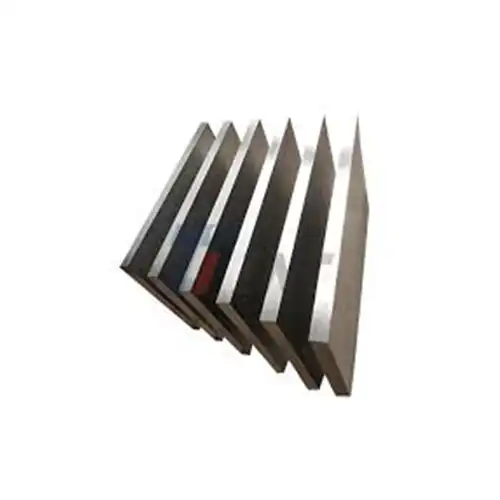

Can I Get Customized Medical Titanium Bars Made to Order?


 2026-03-20 09:09:02
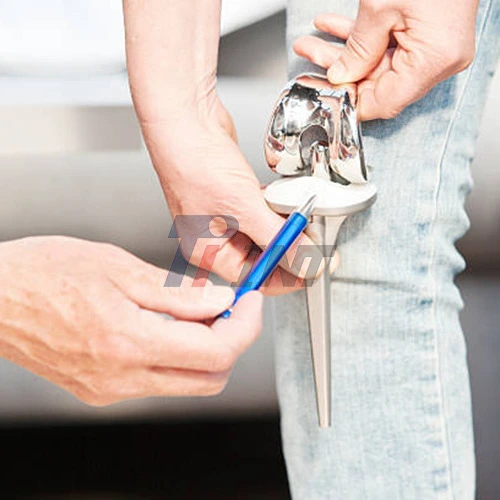
Yes, you can absolutely get customized medical titanium bars made to order. The ASTM F67 GR2 Medical Titanium Bar represents the gold standard for medical-grade applications, offering exceptional biocompatibility and corrosion resistance. Custom manufacturing allows medical device companies to specify exact dimensions, mechanical properties, and surface treatments tailored to their unique requirements. This customization capability proves essential for manufacturers developing surgical instruments, dental implants, and orthopedic devices where precise material specifications directly impact patient safety and device performance.
|
|
|
Understanding ASTM F67 GR2 Medical Titanium Bars
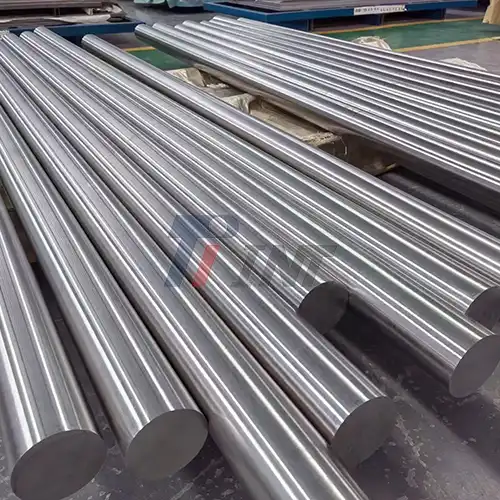
The ASTM F67 GR2 Medical Titanium Bar stands as an industry benchmark for commercially pure titanium used in medical applications. This grade maintains superior purity levels with minimal alloying elements, making it ideal for direct patient contact applications where biocompatibility remains paramount.
Chemical Composition and Material Properties
ASTM F67 Grade 2 titanium is made up of 99.2% pure titanium and minor elements like oxygen, nitrogen, carbon, hydrogen, and iron that have been carefully managed. The amount of oxygen in the material is usually between 0.18 and 0.25%, which makes it strong while still being very flexible. The tensile strength of this material is 345–483 MPa and the yield strength is 275–410 MPa. This gives it strong mechanical performance for medical uses. The material is very resistant to rust in physiological settings; it doesn't break down much when it's exposed to body fluids for long periods of time. Titanium is resistant because it can form a solid, protective oxide layer that stops ions and rust from spreading.
Biocompatibility Advantages in Medical Applications
Due to their neutral nature and great tissue integration qualities, medical titanium bars are very biocompatible. The material doesn't kill human cells and helps bone fuse together when it's used in implant uses. Long-term success rates for titanium-based devices have been shown to be higher than 95% in clinical tests that span 10 years. Grade 2 titanium has a low elastic stiffness of about 103 GPa, which is similar to the qualities of human bone. This means that it doesn't act like stainless steel does when it comes to stress protection. This quality is especially useful for load-bearing implants, where keeping the bone's normal stress patterns helps it grow back in a healthy way.
Can Medical Titanium Bars Be Customized to Your Specifications?
Customizing medical titanium bars gives you a lot of options to meet the needs of your gadget in a wide range of medical settings. Manufacturing freedom lets you finetune measurements, surface processes, and material qualities to get the best performance for the job.
Dimensional and Shape Customization Options
Custom medical titanium bars can be made with almost any thickness, from 1 mm to 300 mm, and in any length, from short pieces to bars that go on for over 6 meters. Cross-sectional forms aren't just round. They can also be square, rectangular, triangular, or more complicated shapes that fit the needs of a specific gadget. Different processes, such as polishing, sandblasting, anodizing, and texturing, can be used to finish the surface. Each finish is designed to do a specific job, like making it easier for implants to fuse with bone or making it easier for surgeons to use their tools. Surface roughness can be changed to get Ra values that range from very smooth (0.1¼m) finishes to rough surfaces over 3.0μm, based on the needs of the application.
Mechanical Property Adjustments
Customization includes changing the material properties of an item through controlled processing methods. Cold working can raise the strength of a material by 20 to 30 percent while keeping the flexibility at a good level. Heat treatment methods can relieve stress and improve properties in ways that are best for the job. Specialized processing methods can make parts that are loaded and unloaded many times, like tooth implant abutments or orthopedic fastening devices, more resistant to wear. When compared to normal treated materials, these methods can increase fatigue life by two to three times. This directly improves device stability and patient results.
Production Scale and Lead Time Considerations
Custom ASTM F67 GR2 Medical Titanium Bar production can handle a wide range of order sizes, from prototypes of 10 to 50 pieces to large production runs of more than 10,000 units. Minimum order numbers are usually based on the type of customization needed. For example, for simple changes, smaller minimums are needed than for complicated shapes or specialized treatments. Lead times for special production depend on how complicated the job is and how busy the factory is right now. Simple changes to dimensions usually take between 4 and 6 weeks from the time the order is confirmed. More complicated changes that require special treatments or unique shapes may take between 8 and 12 weeks. There are options for rush production for important projects that need to be done quickly.
How to Choose the Best Titanium Bar for Medical Use?
Selecting appropriate titanium bars for medical applications requires careful evaluation of material properties, application requirements, and regulatory compliance needs. Understanding the distinctions between various titanium grades helps procurement teams make informed decisions that optimize device performance while maintaining cost effectiveness.
Mechanical Properties Evaluation
The first step in the choosing process is to look at the needed mechanical qualities, such as tensile strength, yield strength, elongation, and resistance to wear. Grade 2 titanium is very flexible, with stretch values usually above 20%. This means it can be used for tasks that need to be shaped or machined. Even though it's not as strong as titanium alloys, this material is perfect for uses where biocompatibility is more important than maximum strength. When matching bone qualities for implants, elastic modulus becomes very important because it lowers the stress buffering effects. The modulus of Grade 2 titanium is 103 GPa, which makes it more compatible with bone than harder metals like Ti-6Al-4V (114 GPa) or stainless steel (200 GPa). Because of this, it works really well for tooth implants, bone plates, and other load-bearing uses where keeping the bone's normal stress patterns helps it heal.
Corrosion Resistance and Environmental Compatibility
Medical settings have special rusting problems because they are exposed to different pH levels, chloride ions, and chemical substances that are found in body fluids. Titanium that is ASTM F67 Grade 2 is very resistant to these conditions; in model body fluid settings, the rate of rusting is less than 0.002 mm/year. This substance stays stable at all temperatures that are common in medical settings, from over 134°C for cleaning to usual changes in body temperature. This temperature stability makes sure that the device works the same way throughout its lifetime, even after being sterilized several times without losing any of its properties.
Cost Comparison Analysis
When figuring out costs, you have to weigh the importance of important costs against the benefits of success and the need to follow the rules. Most of the time, grade 2 titanium is 15–25% less expensive than higher-strength titanium metals and is better for many uses because it is biocompatible. Ti alloys are more expensive than stainless steel options, but they are much more resistant to rust and biocompatibility. Long-term cost analysis should look at things like how long the device lasts, how often repair surgeries are done, and how well the patient does. Studies show that titanium-based implants have lower failure rates and last longer, which could make up for their higher original material costs through better clinical results and fewer repair surgeries.
Procuring Customized Medical Titanium Bars
Successful procurement of customized medical titanium bars requires identifying qualified suppliers with appropriate certifications, manufacturing capabilities, and quality systems. The procurement process involves multiple stages from initial specification development through final delivery and quality verification.
Supplier Qualification and Selection Criteria
Suppliers who are qualified must keep up with their ISO 13485 certification for medical device quality management systems and any other related material certifications, like ASTM F67 compliance paperwork. Quality checks and reviews of manufacturing facilities make sure that suppliers have the skills and process controls needed to make sure that medical-grade products are always made the same way. When a supplier has worked with medical applications before, they can give you useful information about legal standards and application-specific factors. Established sellers usually offer technical support services like help choosing materials, processing suggestions, and help with regulatory paperwork that is very useful during the device creation stages.
Quality Assurance and Documentation Requirements
Buying medical titanium requires a lot of paperwork, like material certificates, test results, and records that show how final goods are linked to the sources of raw materials. For each batch, there must be records of chemical analysis, tests of mechanical properties, and measurement inspections that show it meets the standards. Documentation packages must include proof that they meet the necessary standards, such as ASTM F67, ISO 5832-2, and any FDA or CE marking rules. Traceability paperwork lets you keep track of where the raw materials come from all the way through to the finished product. This helps with government filings and quality reviews when they're needed.
Purchasing Process and Communication Management
Requests for quotations (RFQs) are usually the first step in the buying process. They should include full material specs, number needs, delivery dates, and quality paperwork standards. When application needs are clearly communicated, providers can suggest the best ways to handle the data and spot any possible technology problems early on in the process. Structured communication procedures are used throughout production to make sure that everyone is kept up to date on the progress of the work and that any possible delays or quality problems are found quickly. Reviewing progress and confirming milestones on a regular basis helps keep projects on track and makes it easier to solve problems before they happen.
Benefits of Choosing Customized Medical Titanium Bars for Your Medical Products
Custom ASTM F67 GR2 Medical Titanium Bar solutions deliver significant advantages across multiple aspects of medical device development and production. These benefits extend beyond basic material properties to encompass manufacturing efficiency, regulatory compliance, and long-term product performance.
Enhanced Product Performance and Reliability
Customization lets you make the best use of a material's qualities for a certain purpose, which could make a device work better than usual materials can. Customized mechanical qualities, surface processes, and physical requirements let devices meet exact performance needs with as little over-engineering as possible, which adds cost without benefit. Depending on the intended use, custom processes can improve wear resistance, rust performance, and biocompatibility. Because of fewer complications, longer gadget life, and better usefulness that serves clinical goals, these changes directly lead to better patient results.
Manufacturing Efficiency and Cost Optimization
Custom titanium bars give materials that are closer to the end specs, which cuts down on the need for extra processing. Instead of starting with standard materials that are too big, this method cuts down on material waste, speeds up the cutting process, and improves the accuracy of the measurements. Depending on the difficulty of the part and the amount needed, making manufacturing more efficient can cut costs by 15 to 30 percent. Working with qualified providers who can deliver personalized materials that meet exact specs can streamline supply chains. This method cuts down on the need for inventory, makes quality control easier, and lowers the chance of production delays caused by materials that can throw off plans.
Regulatory Compliance and Market Access
When we make custom ASTM F67 GR2 Medical Titanium Bars, we include all the paperwork that the government needs to approve them for FDA 510(k) clearances, CE marking applications, and other foreign market access needs. Suppliers who have worked with medical applications before know what kinds of paperwork are needed and can provide supporting data that speeds up the regulatory clearance process. Traceability methods and quality documents that have been in place for a while show that care was taken when choosing materials and suppliers, which helps with legal compliance and risk management goals. This paperwork is very important during government checks and quality tests that make sure medical device rules are being followed.
Conclusion
Customized medical titanium bars offer medical device manufacturers the flexibility and performance characteristics needed to develop innovative products that meet stringent regulatory requirements while delivering superior patient outcomes. The ASTM F67 GR2 Medical Titanium Bar provides an ideal foundation for custom manufacturing with its exceptional biocompatibility, corrosion resistance, and mechanical properties suitable for diverse medical applications. Successful procurement requires careful supplier selection, thorough specification development, and comprehensive quality verification processes that ensure materials meet exact requirements. The benefits of customization extend beyond basic material properties to encompass manufacturing efficiency, regulatory compliance, and enhanced product performance that support competitive advantages in medical device markets.
FAQ
What are the typical lead times for custom medical titanium bar orders?
Lead times for custom medical titanium bars typically range from 4-12 weeks depending on specification complexity and current production schedules. Simple dimensional modifications usually require 4-6 weeks, while complex customizations involving specialized surface treatments or unique geometries may extend to 8-12 weeks. Rush production capabilities exist for critical applications requiring expedited delivery.
What minimum order quantities apply to custom medical titanium bars?
Minimum order quantities vary based on customization complexity and processing requirements. Standard dimensional modifications typically require minimums of 50-100 pieces, while complex customizations may require 200-500 piece minimums to justify setup costs. Prototype quantities of 10-25 pieces can often be accommodated for development projects with appropriate pricing adjustments.
How do I verify the quality and compliance of custom medical titanium bars?
Quality verification requires comprehensive documentation including material certificates, chemical analysis reports, mechanical property test results, and dimensional inspection records. Suppliers should provide certificates of compliance with ASTM F67 and ISO 5832-2 standards along with traceability documentation linking finished products to certified raw material sources. Third-party testing verification may be requested for critical applications.
Can custom medical titanium bars be manufactured with specific surface treatments?
Yes, various surface treatments can be applied during custom manufacturing including polished finishes, sandblasting, anodization, and specialized texturing. Surface roughness can be controlled from mirror-smooth 0.1μm Ra finishes to textured surfaces exceeding 3.0μm Ra depending on application requirements. Each treatment serves specific purposes such as enhanced osseointegration or improved handling characteristics.
What documentation is provided with custom medical titanium bar orders?
Comprehensive documentation packages include material certificates of compliance, chemical analysis reports, mechanical property test results, dimensional inspection records, and complete traceability documentation. Additional documentation such as biocompatibility test reports, sterilization compatibility data, and regulatory compliance certificates can be provided to support device development and regulatory submission requirements.
Partner with Baoji INT Medical Titanium Co., Ltd. for Your Custom ASTM F67 GR2 Medical Titanium Bar Requirements
Baoji INT Medical Titanium Co., Ltd. has a lot of experience and a good track record in medical titanium uses, which can help medical device makers find a trusted ASTM F67 GR2 Medical Titanium Bar provider. Our company has been handling medical-grade titanium for more than 20 years and has a lot of certifications, such as ISO 13485:2016 and CE marking compliance. We offer full customization services for all stages of manufacturing, from making prototypes to mass production, helping medical device businesses at all stages of growth. Modern processing tools and strict quality control systems make sure that materials are always delivered that meet exact specs and are fully compliant with regulations. This is all documented and kept in a way that can be tracked.
We understand the critical importance of reliable supply chains in medical device manufacturing and maintain strategic inventory levels to support just-in-time delivery requirements. Our technical support team provides ongoing consultation services covering material selection, processing optimization, and regulatory documentation to help customers achieve their development objectives efficiently. Contact our team at export@tiint.com to discuss your custom medical titanium requirements and discover how our solutions can enhance your product development success.
References
1. American Society for Testing and Materials. "Standard Specification for Unalloyed Titanium, for Surgical Implant Applications (UNS R50250)." ASTM F67-13, 2017.
2. Williams, David F. "Titanium for Medical Applications: Principles and Applications in Medical Implants." Medical Device Materials IV: Proceedings from the Materials & Processes for Medical Devices Conference, 2007.
3. Brunette, Donald M., et al. "Titanium in Medicine: Material Science, Surface Science, Engineering, Biological Responses and Medical Applications." Springer-Verlag Berlin Heidelberg, 2001.
4. Rack, Henry J., and Quesnel, Julie M. "The mechanical properties of titanium alloys for biomedical applications." Journal of Materials Science: Materials in Medicine, Vol. 17, No. 11, 2006.
5. Okazaki, Yoshimitsu, and Gotoh, Emiko. "Comparison of metal release from various metallic biomaterials in vitro." Biomaterials Research International, Vol. 26, No. 1, 2005.
6. International Organization for Standardization. "Implants for surgery - Metallic materials - Part 2: Unalloyed titanium." ISO 5832-2:2018, 2018.
_1753429726760.webp)
_1752463990252.webp)
_1752462435099.webp)
_1751957234428.webp)
_1749191401740.webp)