



What medical-grade certifications should GR2 titanium bars have?


 2026-05-06 10:03:01
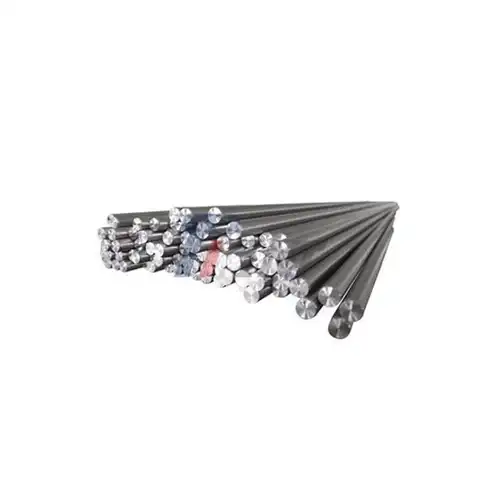
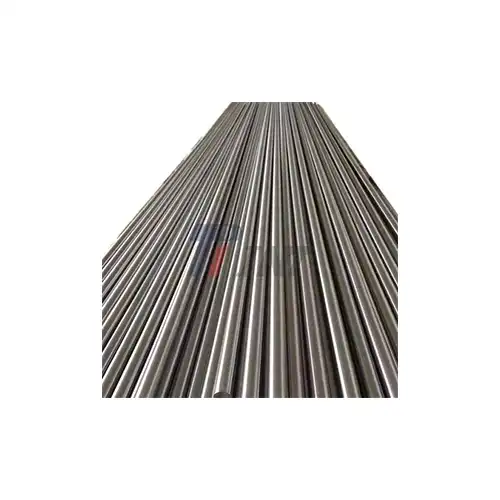
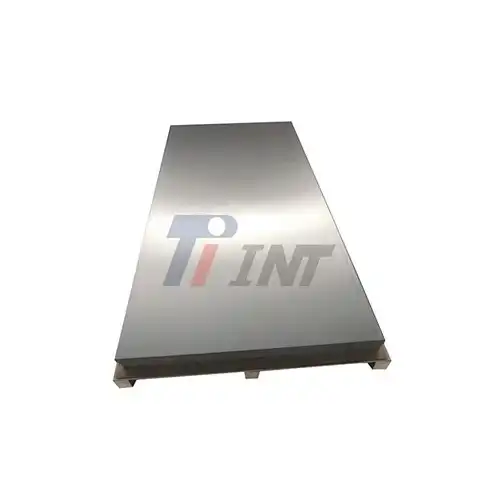
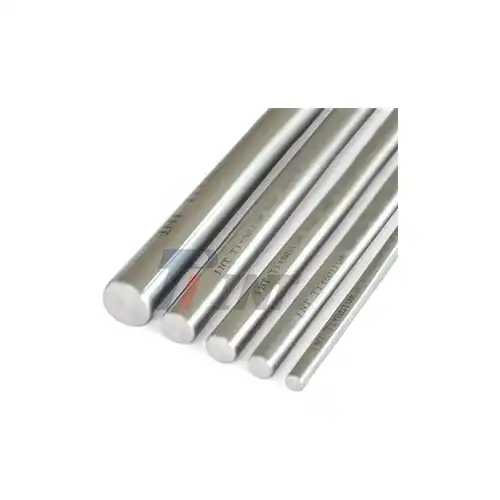
It is mission-critical to understand certification standards when getting titanium materials for making medical devices. A Gr2 Titanium Medical Bar needs to have certain approvals that prove it is biocompatible, has good mechanical stability, and can be tracked. These bars should have at least ASTM F67 approval for use in medical implants, ISO 13485 compliance showing that they follow quality management systems, and the right material test reports (MTR) according to EN 10204 3.1 standards. All of these certificates make sure that the material meets strict standards for purity, doesn't corrode in physiological settings, and stays the same from batch to batch, which is important for patient safety and governmental approval.
|
|
|
Understanding GR2 Titanium Medical Bars and Their Medical-Grade Requirements
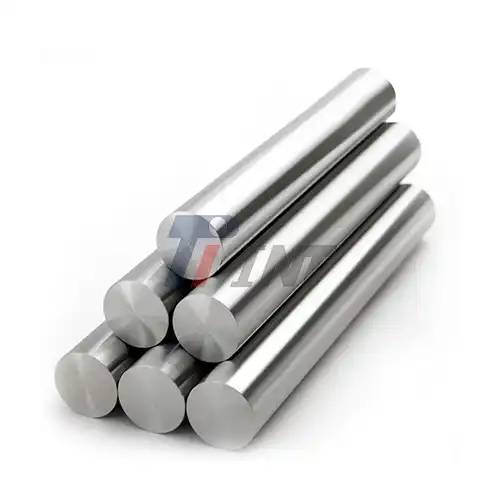
Grade 2 is the most common type of available pure titanium used in medical uses because it is strong and easy to shape. Unlike higher-strength metals, this unalloyed titanium is very flexible and doesn't rust, which makes it perfect for parts that need to be formed in complicated ways or come into direct touch with tissue.
Chemical Composition and Physical Properties That Matter
There aren't many alloying elements in grade 2 titanium. It usually has less than 0.25% iron, 0.08% carbon, and small amounts of nitrogen and oxygen. This cleanliness directly leads to better biocompatibility, since fewer elements mean less chance of bad effects in tissues. The tensile strength of the material is about 345 MPa, and its stretch is more than 20%. This means that makers can cold-form complex shapes without cracking them.The strength of flexibility of this material is around 105 GPa, which makes it very useful in medical settings.
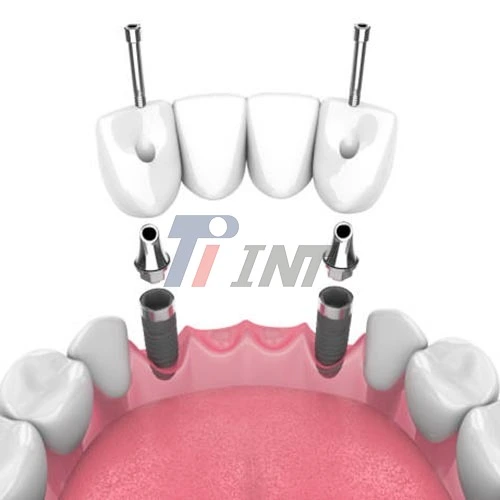
This value is much closer to human bone than options made of stainless steel. This makes the stress shielding effect that can cause bone loss around implants much less likely. This mechanical fit is very important for long-term implant success when orthopedic doctors put in a femoral stem or dentists put in an abutment.
The Regulatory Landscape Governing Medical Titanium
Medical gadget rules make it hard for manufacturers to find their way through the web. When it comes to medical devices in the US, the FDA divides them into three groups. Implantable devices are usually put in Class II or Class III, which require a lot of proof that the materials used meet strict biocompatibility and performance standards.
The Medical Device Regulation (MDR), which replaced the Medical Device Directive, says that all medical devices sold in Europe must have a CE mark. This change meant that material sources had to be closely watched and there had to be better tracking all along the supply chain. Material certification is no longer just a box to be checked by manufacturers. Regulatory bodies now expect manufacturers to provide detailed paperwork showing that materials are consistent across production runs.
Key Medical-Grade Certifications for GR2 Titanium Bars
Knowing which certifications really matter helps procurement workers tell the difference between sellers who are following the rules and those who are giving them incomplete paperwork. Material standards, quality management systems, and biocompatibility testing procedures are all parts of the certification environment. These all work together to keep patients safe.
ASTM F67: The Foundation Standard for Implant-Grade Titanium
ASTM F67 talks about using unalloyed titanium for medical implants in a very particular way. This standard sets out four grades of commercially pure titanium. For most medical uses, Grade 2 is the best choice because it is the strongest and most flexible. The standard sets very narrow limits for the chemical make-up, mechanical features, and grain structure. The main difference between ASTM F67 and the industrial titanium standard ASTM B348 is that ASTM F67 puts more stress on purity and uniformity.
While B348 allows a wider range of compositions that can be used in chemical or aircraft processing, F67 places tighter limits on interstitial elements that might make the material less biocompatible. Instead of assuming that B348 compliance is enough for medical uses when checking supplier paperwork, procurement teams should make sure that F67 is explicitly mentioned, especially for Gr2 Titanium Medical Bar.
ISO 13485: Quality Management Systems for Medical Devices
When a company gets ISO 13485 certification, it means that they use a quality management system that is built especially for making medical devices. This standard goes above and beyond what ISO 9001 requires by putting more emphasis on risk management, design controls, and recording of legal compliance throughout the whole manufacturing process.
Suppliers with ISO 13485 approval have written processes for checking raw materials, inspecting work-in-progress, and making sure the end product is correct. They set up systems for corrective and preventative actions that keep track of nonconformities and encourage ongoing growth. When a company that makes dental implants buys titanium bars from a source that is ISO 13485-certified, they know that the stability of the materials won't cause any problems in the production process.
ISO 5832-2: Specific Standard for Medical Titanium Materials
As the European version of ASTM F67, ISO 5832-2 sets worldwide standards for medical implants made of unalloyed titanium. This standard sets requirements for the chemical make-up, mechanical qualities, and microstructure that are very similar to ASTM requirements while still being compatible with European legal systems.When wholesalers give manufacturers products that meet both ASTM F67 and ISO 5832-2 standards, they can sell their goods in more than one market. This dual compliance makes regulatory applications easier and cuts down on the number of tests that need to be done twice when applying for approvals in more than one place.
USP Class VI Biocompatibility Testing
Through a number of in vivo and in vitro studies, US Pharmacopeia Class VI testing checks materials for their ability to react with living things. These tests look at acute systemic poisoning, intracutaneous reaction, and the effects of implanting in animals. Grade 2 titanium always passes these tests because it is known to be biocompatible. Recorded test results give regulatory bodies objective proof to back applications for device approval.
CE Marking and Medical Device Regulation Compliance
If something has a CE mark on it, it means it meets European standards for health, safety, and the environment. According to the current MDR rules, companies that make medical devices must show that the providers of their titanium materials have proper quality systems and can provide full proof of how the materials were sourced. This includes putting in place unique device identification (UDI) at the material level, which makes the whole supply chain clear from the mill to the patient.
Environmental and Safety Compliance Standards
Environmental compliance is being taken into account more and more in modern procurement, along with standard quality measures. The REACH (Registration, Evaluation, Authorization, and Restriction of Chemicals) rules affect titanium providers that do business in or send goods to the European Union. These rules require them to report chemicals that are very dangerous. RoHS (Restriction of Hazardous Substances) compliance makes sure that products don't have amounts of lead, mercury, cadmium, or other restricted elements that are illegal, especially when it comes to Gr2 Titanium Medical Bar.
Differences Between Certified and Non-Certified GR2 Titanium Bars: What Buyers Need to Know
People who want to save money may be tempted by the price difference between approved medical-grade titanium and industrial-grade titanium. But this estimate for short-term savings doesn't take into account the terrible risks that come with using uncertified materials in hospital settings.
Safety Risks and Legal Liability Exposure
Putting titanium bars in internal devices that aren't approved puts patients at direct risk for harm. Changes in the chemical make-up or the mechanical qualities can cause immune responses, harmful reactions, or implants to fail too soon. When an orthopedic gadget breaks because the material used wasn't strong enough, the patient is hurt in more ways than one, and the maker is likely to face serious legal problems.Regulatory agencies keep up-to-date market tracking programs that find devices that don't follow the rules by looking at reports of bad events and regular checks. Manufacturers who are caught using materials that aren't approved could have their products recalled, have their future operations limited by consent decrees, or even be charged with a crime. The FDA's warning letters database has a lot of cases of companies that were fined for not having enough material qualification and paperwork.
Quality Assurance and Traceability Failures
When you buy certified materials, you get a lot of paperwork that connects each bar to a particular production batch, heat treatment, and quality control test result. This traceability is very important when looking into why a device failed or when reacting to regulatory checks. Suppliers who aren't qualified often don't have the quality systems needed to provide this paperwork, so makers can't show that they did their research before choosing materials.When a medical gadget is recalled, the company that made it has to list all the lots that are affected and track their distribution to specific patients and buyers. Without proper material tracking, this process can't happen, which leads to larger recalls that scare patients for no reason and hurt the brand's image.
Impact on Regulatory Approvals and Market Access
Regulatory applications for new medical products need a lot of information about how the materials are characterized. Reviewers want to see proof of approval, the results of biocompatibility tests, and proof that the provider has been through quality checks. If you try to get market clearance using products that aren't certified, you could face more attention, longer approval times, or even having your application turned down.Getting to international markets makes these problems worse. Each state has its own set of material standards, and certification gaps that aren't a big deal in one market can be a huge problem in another. Manufacturers who want to sell their products all over the world should focus on using approved materials from the start of the project instead of trying to fix problems later.
How to Verify and Evaluate GR2 Titanium Bar Certifications During Procurement
The people who work in procurement are in charge of making sure that material certifications meet both current needs and the needs of future regulations. To do this, the supplier's paperwork needs to be carefully looked over, and quality control needs to continue throughout the business relationship.
Essential Documentation to Request and Review
Every order for materials should list the certificates and paperwork that need to be delivered. The material test report (MTR) is the most important quality record. It has information about the chemical make-up, the mechanical properties, the heat treatment, and relevant standards such as ASTM F67 or ISO 5832-2.In addition to the MTR, buying teams should ask to see copies of the supplier's ISO 13485 certificate, make sure it is still valid, and check that the production of titanium bars is covered by the certificate.
Some providers are ISO 13485 qualified to make finished devices, but they get their raw materials from subcontractors who aren't certified. This leaves holes in the quality chain.Certificates of conformity are proof from the seller that the goods meet certain standards. These documents don't replace independent test results, but they do show that the provider is responsible under the contract and understands what is needed. It should be clear in procurement contracts that products must meet medical-grade standards and include ways for independent tests to confirm this.
Evaluating Supplier Credibility and Manufacturing Capabilities
Reviewing paperwork is only one part of choosing a supplier. You also need to look at the supplier's producing skills and quality culture. Site audits show if suppliers keep up with the testing tools, environmental controls, and trained staff that are needed for constant production of medical-grade goods. When purchasing teams visit a plant, they should look at how raw materials are stored, how inspections are done during production, and how test equipment is calibrated.
How long a supplier has been in the medical titanium market tells you a lot about how well they understand legal standards and how committed they are to quality. Manufacturers who have been making implant-grade materials for decades show that they can do the job, while younger companies need to be thoroughly screened before they can be considered for business, even if their prices are appealing, especially when dealing with Gr2 Titanium Medical Bar.
Critical Questions to Ask Potential Suppliers
To properly qualify a supplier, you need to ask them specific questions that show how much knowledge they have in the medical business. People who work in procurement should ask sellers how they make sure that the chemical makeup is the same from one production batch to the next, what statistical process controls are used to keep mechanical property variations in check, and how they make sure that testing equipment is accurate.Asking about a supplier's audit history can help you figure out how open they are and how well they follow the rules. Trustworthy suppliers are happy to share recent test results from certification groups and customer quality reviews.
They see these interactions as proof that their quality systems work. Concerns should be raised right away if people don't want to talk about audit results or give defensive answers to quality questions.Knowing how suppliers plan for their ability helps make sure that supplies don't run out. To keep up with production plans and keep customer promises, companies that make medical devices need to know when materials will be available. Suppliers should be clear about how much they can produce, how long the wait time will be, and how they plan to handle changes in demand without lowering quality.
Why Certified GR2 Titanium Bars Are the Smart Choice for Your Medical Device Needs
Certified medical-grade titanium has a business case that goes beyond following the rules. It also helps with risk management, working efficiency, and getting ahead of the competition. Material approval is not a cost for buying teams that are ahead of the curve. They see it as an investment in product quality and market success.
Patient Safety and Implant Reliability
In the end, companies that make medical devices serve patients who believe that devices that are implanted will work properly and effectively for years or decades. Certified titanium bars have the uniform mechanical and biocompatibility qualities that are needed to reach this goal. When a hip replacement works well for twenty years without any problems, the choice of material quality made during product development directly improved the quality of life for that patient.
Streamlined Regulatory Approvals
By giving critics the information they need to judge the safety of a device, comprehensive material approval speeds up the regulatory review process. Regulatory bodies can make sure choices about approval when they have full material characterization data, biocompatibility test results, and proof of a provider quality system. Review delays caused by incomplete or unclear material documents delay entry into the market and loss of competitive edge.
Supply Chain Confidence and Risk Mitigation
Certified providers with strong quality systems provide reliable material performance, which lowers the unpredictability of manufacturing and the amount of trash. When titanium bars that come in always meet specs, CNC machinists can make the best use of tool paths and cutting settings without having to account for changes in the material's properties. This regularity makes production more efficient and lowers the number of rejects that eat away at profit margins.In addition to normal activities, certified providers keep the business going when there are problems in the supply chain. Their quality systems and ability to follow the rules make them strong partners that can keep supplies going even when the industry faces problems. During the COVID-19 pandemic, companies with diverse supply lines that focused on quality were able to keep their businesses running while their rivals had trouble getting materials.
Conclusion
Choosing Gr2 Titanium Medical Bar products that are properly approved is a big choice that affects the quality of the product, the success of the regulatory process, and the results for patients. The certification standards talked about in this article—ASTM F67, ISO 13485, ISO 5832-2, and related documentation—make sure that materials meet the strict needs of medical device uses. In the competitive medical device market, procurement professionals who carefully look over source certifications, confirm the accuracy of paperwork, and keep an eye on quality on a regular basis set their companies up for long-term success. When you buy approved materials, you lower your regulatory risk, make your products more reliable, and have the peace of mind that comes from knowing your devices are made with tested, legal materials.
FAQ
Does the FDA directly approve GR2 titanium bars for medical use?
The FDA doesn't accept raw materials on their own; instead, they look at them as parts of applications for whole devices. Titanium bar suppliers don't get letters from the FDA approving their products. Instead, gadget producers show that the material is suitable by providing biocompatibility data and meeting standards such as ASTM F67. When FDA officials look at 510(k) or PMA applications, they check to see if the grade of titanium chosen is right for the device's purpose and if enough testing has been done to prove its safety and usefulness.
What is the difference between ISO 13485 approval and ASTM F67 certification?
Specific material qualities for implant-grade titanium are set out in ASTM F67. These include chemical composition, mechanical strength, and microstructure standards. ISO 13485, on the other hand, proves that a company has a quality management system that is appropriate for making medical devices. The F67 certification makes sure that the material meets medical standards, and the ISO 13485 certification makes sure that the seller uses regular methods to make that material.
Can non-certified GR2 titanium be used for non-implant medical devices?
Less strict material standards apply to devices that don't come into direct touch with patients, but certification is still a good way to make sure the quality of the product. Certified medical-grade titanium has consistent mechanical qualities and doesn't rust, which makes it useful for surgical tools and parts of external devices. When you use certified materials in non-implant uses, it makes paperwork easier, makes the supply chain simpler, and gives you a safety window in case the design changes or new product versions come up out of the blue.
Source Certified Gr2 Titanium Medical Bar from a Trusted Manufacturer
Since 2003, Baoji INT Medical Titanium Co., Ltd. has been making approved medical-grade titanium materials. We bring more than 30 years of experience in the titanium business to every product we make. As a Gr2 Titanium Medical Bar provider that is ISO 13485:2016 approved, we offer full paperwork packages for every shipment. These include ASTM F67 compliance certificates, EN 10204 3.1 material test results, and full batch traceability.
Leading orthopedic, dental, and surgery tool makers across North America buy our Gr2 Titanium Medical Bar products because they need to be sure of the quality of the materials and that they are following all the rules. We want buying managers, R&D engineers, and people who work in the supply chain to see what a difference committed medical titanium knowledge makes. You can email our technical team at export@tiint.com to talk about your unique application needs, ask for samples of the material to be evaluated, or get full quotes with all the necessary certification paperwork.
References
1. American Society for Testing and Materials. (2013). Standard Specification for Unalloyed Titanium, for Surgical Implant Applications (UNS R50250, UNS R50400, UNS R50550, UNS R50700). ASTM F67-13.
2. International Organization for Standardization. (2016). Medical devices — Quality management systems — Requirements for regulatory purposes. ISO 13485:2016.
3. International Organization for Standardization. (2018). Implants for surgery — Metallic materials — Part 2: Unalloyed titanium. ISO 5832-2:2018.
4. U.S. Food and Drug Administration. (2020). Use of International Standard ISO 10993-1, "Biological evaluation of medical devices - Part 1: Evaluation and testing within a risk management process". FDA Guidance Document.
5. European Commission. (2017). Regulation (EU) 2017/745 on medical devices. Official Journal of the European Union.
6. Brunette, D.M., Tengvall, P., Textor, M., & Thomsen, P. (2012). Titanium in Medicine: Material Science, Surface Science, Engineering, Biological Responses and Medical Applications. Springer-Verlag Berlin Heidelberg.
_1750662309903.webp)