

What are the key steps in the manufacturing process of TI6AL4V titanium round bar?


 2026-05-06 09:55:12
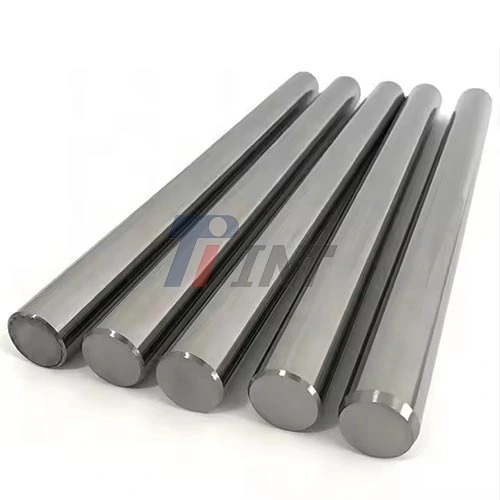
Making Ti6Al4V titanium round bars requires a number of carefully planned steps that are meant to give the bars great mechanical qualities and biocompatibility. The first step is to choose raw materials that are very clean and meet the standards set by ASTM B348 and ISO 5832-3. Vacuum arc remelting is used to make sure that these materials are all the same and get rid of any flaws. The metal is shaped into round bars with a width of 8mm by hot working and extrusion. Ti6Al4V Titanium Bar 8mm is particularly valued for its strength and biocompatibility. The microstructure is then optimized through heat treatment. Tight standards are reached through precision machining and surface finishing, and full testing confirms the tensile strength (≥895 MPa), yield strength (≥825 MPa), and corrosion resistance—all of which are important for medical implants, surgery tools, and aircraft parts.
|
|
|
Understanding Ti6Al4V Titanium Bar: Properties and Composition
Chemical Composition and Alloy Structure
About 90% of Ti6Al4V is titanium, 6% is aluminum, and 4% is vanadium. Together, they make an alpha-beta phase metal that is very flexible. The aluminum stabilizes the close-packed hexagonal alpha phase, which makes the metal stronger and less dense. The vanadium stabilizes the body-centered cubic beta phase, which makes the metal more flexible and easy to heat treat. This two-phase microstructure is what makes the mixture better at holding weight than pure titanium.
During production, controlled amounts of iron (<0.30%), oxygen (<0.20%), and carbon (<0.08%) are kept to keep the material from becoming rigid and to keep it easy to machine. Its density of 4.43 g/cm³ gives it a strength-to-weight ratio that is better than most types of stainless steel. This makes it an essential material for miniaturizing devices that need to meet high mechanical demands.
Mechanical Specifications for Medical Applications
Ti6Al4V is a good material for dynamic loading situations because its tensile strength is over 895 MPa and its yield strength is over 825 MPa. At least a 10% stretch rate gives the material enough flexibility to keep it from breaking completely when the implant is put in or when the surgeon is working on it. This metal is different in medical settings because its elastic modulus is only 113.8 GPa, which is about half that of stainless steel.
This means that bone grafts don't have as much stress shielding effect. This feature lets the load be slowly transferred to the bone tissue around the orthopedic device. This helps the bone heal naturally and lowers the risk of bone resorption. The melting point range of 1604°C to 1660°C needs special processing tools, but it gives the material better heat stability during sterilization processes.
Comparison With Alternative Materials
Ti6Al4V is more resistant to rust than stainless steel 316L in physiological settings, especially in body fluids that are high in chloride. Titanium alloys are very biocompatible and cause very little inflammation, while cobalt-chromium alloys can cause metal sensitivity responses. Pure commercially pure (CP) titanium is more resistant to rust, but it's not strong enough for devices that hold weight.
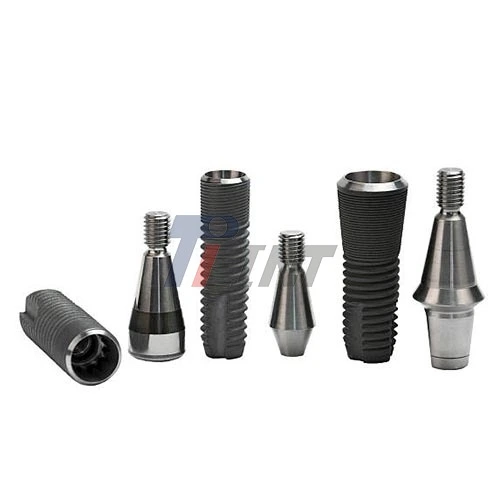
The Ti6Al4V ELI (Extra Low Interstitial) version, which has less oxygen and iron, is the best choice for permanent implants according to ASTM F136 because it is more flexible and difficult to break. Ti6Al4V Titanium Bar 8mm is a prime example of this alloy's strength and reliability. Because of this comparative benefit, procurement experts are choosing Ti6Al4V more and more for uses like tooth abutments and trauma plates.
Key Stages in the Manufacturing Process of Ti6Al4V Titanium Round Bars
Raw Material Selection and Melting
To make medical-grade titanium bars, you must first meet strict requirements for the raw materials. Chemical quality standards make sure that nitrogen, hydrogen, or carbon don't get into titanium sponge, aluminum bars, or vanadium master alloys. These are elements that make the metal much less flexible. Vacuum arc remelting (VAR) is the usual way to make bars that are all the same. An electric arc is made between a disposable electrode and a copper container that is cooled by water in a high-vacuum environment.
The VAR process usually goes through two or three melting cycles. Each cycle improves chemistry consistency and gets rid of macro-segregation. As an option, some makers use electron beam melting (EBM), which is especially useful for making shapes that are close to net shapes. As the liquid metal cools, it solidifies from the bottom up. This makes a directed grain structure that makes the metal stronger. At Baoji INT Medical Titanium, we keep the temperature within ±5°C while melting, which makes sure that the stability from batch to batch is important for medical device validation procedures.
Hot Working and Extrusion to Diameter
Careful thermomechanical processing is needed to turn cast lumps into round bars. When the ingot is hot-forged at temperatures between 900°C and 1050°C, the beta phase takes over and the metal becomes easier to work with. Multiple forging passes gradually lower the cross-sectional size while improving the structure of the grains. The heated billet is then forced through precise dies that set the final circle measurements. To meet the 8mm width requirement, dies must be made with ±0.02mm margins, which takes into account how much they will shrink when they cool.
Controlling the atmosphere during hot working keeps oxygen from picking up, which would weaken the top layers. During heating processes, settings with argon or vacuum are kept. The extrusion process causes a lot of plastic distortion, which breaks up large grains and spreads out second-phase particles evenly. This improvement in the microstructure has a clear link to better fatigue resistance, which is a key factor for implants like bone screws and spine rods that are loaded and unloaded many times.
Heat Treatment and Annealing Protocols
Heat treatment after extrusion finds the best mix between strength and flexibility. Annealing usually takes between 1 and 4 hours at 700°C to 850°C, based on the bar's diameter and the qualities that are wanted. During annealing, any pressures left over from the cold work are released, and the alpha-beta lattice becomes stable in its equilibrium states. The final mechanical properties depend on the rate of cooling. For example, slow furnace cooling promotes maximum flexibility, while air cooling keeps the higher strength. Solution treatment and age can make something stronger than when it is cast, but this method isn't used as often for general-purpose medical bars.
Our production line is ISO 13485:2016-certified and has computer-controlled ovens with multi-zone temperature tracking. This makes sure that the heat is spread evenly across all batch loads. Testing after heat treatment confirms the material's hardness (usually 320–360 HV), grain size (ASTM 6-8), and lack of an alpha-case layer that could damage the surface's structure. This step is very important because it decides if the bar will have the tensile strength of at least 895 MPa that is needed for surgery uses.
Precision Machining and Surface Finishing
To get the right size limits for automatic machining, you need to do centerless grinding or precision turning. For example, bars made for Swiss-type CNC cutting often have tolerance grades of h9 or higher, which means that the width of an 8mm bar can vary by less than 0.018mm. Ti6Al4V Titanium Bar 8mm is an excellent example of this precision, ensuring tight tolerances for high-performance applications. Surface roughness affects both how easy it is to machine and how well it resists rust. For implant-grade materials, polished finishes (Ra < 0.4 μm) are best because they reduce the number of places where rust can start in cracks and make cleaning easier.
In some implant designs, sandblasted sides give the bone more room to fuse with the implant. Chemical passivation gets rid of impurities on the surface and improves the natural oxide layer that makes titanium so resistant to rust. Our building has flexible finishing choices because we know that the needs of a company that makes dental implants are different from those of a company that makes aerospace fasteners. Optical profilometry and scanning electron microscopy are used to check the surface and make sure that there are no micro-cracks or trapped particles that could damage the material.
Quality Assurance and Testing Protocols
As per ASTM E8 (tensile testing), ASTM E290 (bend testing), and ASTM E384 (microhardness testing), each production batch goes through a lot of tests. Ultrasonic checking and other non-destructive testing methods can find flaws inside that are bigger than 1 mm, making sure the structure is sound. Optical emission spectrometry shows that the elements are contained within the acceptable ranges. Each lot comes with traceability paperwork that lists the melt number, processing settings, and test results. This is the kind of evidence that is being asked for more and more in FDA 510(k) submissions and ISO 13485 audits.
To make sure that medical-grade materials are biocompatible, they are tested according to the ISO 10993 series for cytotoxicity, sensitization, and insertion reaction. Certificates of Conformance (C of C) and Material Test Reports (MTR) are official documents that purchase managers need to show that quality management systems are being met. Baoji INT Medical Titanium has been certified in ISO 9001:2015 and ISO 13485:2016 since 2008, so they know that strict testing procedures set valued long-term partners apart from commodity sellers.
Comparison and Selection Criteria for Ti6Al4V Titanium Bars
Dimensional Selection: 8mm Versus 10mm Bars
The choice between 8mm and 10mm width bars depends on the shape of the finished part and how well the material is used. An 8mm bar is good for making a lot of smaller parts, like tooth implant abutments, minimally invasive surgical screws, and precision tool shafts. The smaller diameter cuts down on waste during Swiss turning processes and speeds up the running time of the machine. On the other hand, 10mm bars give you more options for parts that need bigger finished sizes or complicated multi-diameter features.
The 10mm diameter Ti6Al4V ELI version has better ductility (>10% extension), which makes it a better choice for permanent implants that need to be approved by regulators. Material yield rates should be calculated by procurement professionals. For example, a single 10mm bar makes about 56% more volume than an 8mm bar of the same length, but machining may take proportionally more material, based on the shape of the part. Since the price per kilogram stays pretty steady across sizes from well-known sources, the choice is mostly based on application rather than price.
Grade Comparison: Standard Versus ELI Specifications
Standard Ti6Al4V (ASTM B348 Grade 5) works well in aircraft, industry, and medical devices that aren't implanted. The ASTM F136 version of ELI limits the amount of oxygen to below 0.13% and the amount of iron to below 0.25%. This makes the material harder to break and less likely to get wear cracks. This higher level of purity costs 10–20% more, but it has to be done for lasting implants in orthopedic and spine operations. For Class III internal devices, regulatory bodies like the FDA make it clear that they need ELI-grade material.
When R&D engineers make surgical tools that touch flesh for a short time, they usually find that standard grade is enough. This is because it balances performance with cost. Different departments need to weigh in on the decision: regulatory affairs needs to check the material classification rules, and design engineering needs to look at the mechanical stress conditions. Our technical support team helps clients understand these requirements by giving them material property data sheets and biocompatibility test results that make regulatory applications easier.
Procurement Guide: How to Buy Ti6Al4V Titanium Bars for Industrial Use?
Evaluating Supplier Qualifications and Certifications
Finding medical-grade titanium requires more than just finding the cheapest price. Supplier audits should check that the company is certified to ISO 13485:2016, which shows that they have put medical device quality control processes into place. The EU CE mark shows that a product meets the requirements of Medical Device Regulation (MDR) 2017/745, which is necessary to sell the product in Europe. Suppliers should give thorough process flow diagrams that show important control points, ways to keep products from getting contaminated, and methods for keeping track of them. For material approval, you should show proof that a third-party testing facility is accredited (ISO/IEC 17025).
Companies that already have aircraft approvals (like AS9100 and NADCAP) often keep process standards that help medical buying. Ti6Al4V Titanium Bar 8mm is an example of a product that meets these high standards and is commonly used in medical applications. When you can, go to production sites and pay attention to how they keep things clean, how they maintain their tools, and how they train their employees. Long-term relationships with reliable providers lower the risks in the supply chain and make it easier to work together to solve problems when requirements change. Baoji INT Medical Titanium is happy to have surveys done by customers and keeps lines of communication open so that trust can be built, which is very important for medical uses.
Understanding Pricing Structures and Lead Times
The price of Ti6Al4V changes depending on the world market for titanium sponge, the cost of alloying elements, and the cost of energy for melting. When compared to commercial-grade options, medical-grade standards raise the cost of the base material by 15% to 25%. Tiered pricing is usually unlocked by volume promises; orders over 500 kg often get better rates. Lead times depend on how many diameters are available and what kind of finishing is needed. When standard 8mm bars are annealed, they ship within 4 to 6 weeks from where they are stored in stock.
Times can take up to 12 weeks if you need custom lengths, special heat treatments, or non-standard surface finishes. Keeping extra goods on hand helps companies keep their production running smoothly during times of high demand or sudden problems in the supply chain. Ask for yearly price deals that lock in rates for a year, which will protect budgets from changes in the prices of commodities. Our buying advice services help companies that make medical devices figure out the best way to balance the costs of holding inventory with the benefits of lower prices per unit.
Customization Options and Technical Support
Customizing materials goes beyond cutting them to specific sizes. To meet the needs of an application, straightness tolerances, grain flow direction, and ultrasonic screening acceptance standards can be changed. Some implant makers give leftover stress levels or texture factors that change the anisotropy of the material. As part of supply deals, surface processes like electropolishing, chemical etching, or paint application can be included. Value-added partnerships are different from commodity deals because they offer technical help.
Engineers at Baoji INT Medical Titanium work with clients to choose the best materials for new device ideas, make sure that finite element analysis is correct, and suggest the best ways to machine parts so that they last as long as possible and have a smooth surface. We provide data on material properties for regulatory applications and keep sample files so that problems in the field can be looked into in the past if they happen. This consultative method shortens the time it takes to make a product and cuts down on the costs of making mistakes that come with working with new materials.
Best Practices for Working With Ti6Al4V Titanium Bars
Handling and Storage Recommendations
Handling things the right way keeps surfaces in good shape and stops them from getting dirty. To keep the surface of titanium bars from getting stained by water, keep them in climate-controlled spaces with relative humidity below 60%. Separate titanium from steel and aluminum so that they don't get mixed up when they are being handled. Instead of metal storage racks, which could cause galvanic reactions, use racks made of plastic or wood. Use clean cotton or nitrile gloves to handle bars because skin oils and salts make the surface oxidize faster.
During movement between processes, protect finished surfaces with plastic sleeves that can be taken off or kraft paper wrapping. Use first-in, first-out stocking rotation, but keep in mind that titanium is very stable on shelves when kept correctly. Before machining, clean the bar surfaces with isopropanol or acetone to get rid of any handle remains that could let dirt into the cutting process. These rules make sure that materials can be tracked and stop quality problems that could lead to expensive batch rejects.
Machining Considerations for Optimal Results
Because titanium doesn't conduct heat well and reacts chemically with cutting tools, it needs special ways to be machined. To cut down on cutting forces, use polycrystalline diamond or carbide tools that are sharp and have big rake angles (10 to 15°). Keep cutting speeds lower (50–80 m/min for turning) than when working with steel, because titanium hardens quickly. To keep edges from building up, make sure there is a lot of cooling flow, both to get rid of heat and chips.
Because it doesn't work-harden as much, climb milling gives better surface finishes than regular milling. In deep-hole uses, peck drilling with frequent tool removal stops chip packing and tool breakage. Our technical paperwork has thorough lists of machining parameters that are best for different bar diameters and tooling setups. Customers say that when they follow these rules, the rate at which tools are used drops by 30 to 40 percent, which has a direct effect on the costs of making components.
Conclusion
While Ti6Al4V titanium round bars are being made, mechanical science, precision engineering, and quality assurance procedures are all carefully combined. Each step in the production process, from vacuum arc remelting to final surface finishing, helps make sure that the finished product has the high mechanical qualities and biocompatibility that medical device makers need. Ti6Al4V Titanium Bar 8mm exemplifies this precision, with its careful extrusion and heat treatment ensuring uniformity and strength.
When procurement managers understand these steps, they can more accurately judge the skills of suppliers, confirm the accuracy of materials, and make sure they meet legal requirements. The 8mm diameter standard shows how precise things can be made by carefully controlling extrusion and heat treatment. This gives the material the uniform qualities that are needed for surgical tools, orthopedic implants, and dental parts. Strategic supplier selection based on certifications, technical support skills, and a history of excellent production cuts down on project risks and speeds up the time it takes for new medical products to reach the market.
FAQ
Q1: What mechanical properties define an 8mm Ti6Al4V bar?
A: The tensile strength of an 8mm Ti6Al4V round bar is at least 895 MPa, the yield strength is more than 825 MPa, and the stretch is more than 10%. The density is 4.43 g/cm³, which means it has a great strength-to-weight ratio. The value of elasticity is about 113.8 GPa, which is very important for bone implants because matching the hardness of normal bone makes stress shielding less effective. These qualities are in line with ASTM B348 and ISO 5832-3 standards, and are proven by standard testing procedures that are done on every production batch.
Q2: How does heat treatment affect bar performance?
A: The microstructure and tensile characteristics that follow are directly affected by heat treatment. Annealing at 700–850°C removes leftover stresses and improves ductility, making the material ideal for complicated shaping processes. Solution treatment and then age can make something stronger, but it may also make it less flexible. The specific thermal profile affects the spread of the alpha-beta phase, the size of the grains, and the fatigue resistance. This is especially important for implants that are loaded and unloaded many times. Our ISO-certified methods make sure that the heat treatment results are the same for every batch of products.
Q3: What certifications should buyers verify?
A: Medical-grade Ti6Al4V providers must show proof that they are certified by ISO 13485:2016 for managing the quality of medical devices. The material should meet ASTM F136 standards for implants or ASTM B348 standards for tools. It should also have an EU CE mark that shows it meets MDR standards. ISO 9001:2015 is for general quality systems, and AS9100 is for process control at the aircraft level. Ask for Material Test Reports that list the chemical make-up, mechanical qualities, and biocompatibility test results according to ISO 10993 series for implantable uses. These papers help with government filings and checks of quality systems.
Partner With a Trusted Ti6Al4V Titanium Bar Supplier
Baoji INT Medical Titanium Co., Ltd. has been making medical-grade titanium products that meet the strict standards of device makers around the world for more than 20 years. We have full ISO 9001:2015, ISO 13485:2016, and EU CE certifications for our Ti6Al4V Titanium Bar 8mm goods. They also come with detailed Material Test Reports and biocompatibility paperwork. We keep a lot of stock on hand so that we can quickly meet standard requirements. We also offer widths, surface finishes, and thickness limits that can be changed to fit your production needs.
From choosing the first materials to submitting to regulators, our technical team works with R&D engineers, giving them the kind of advice that sets basic deals apart from strategic partnerships. Email our expert team at export@tiint.com to talk about your unique needs, ask for samples, or get a full quote. Find out why top companies that make orthopedic, dental, and surgery instruments choose Baoji INT Medical Titanium as their main source for important titanium alloy materials.
References
1. Lütjering, G., & Williams, J.C. (2007). Titanium: Engineering Materials and Processes. Springer-Verlag Berlin Heidelberg.
2. Donachie, M.J. (2000). Titanium: A Technical Guide, 2nd Edition. ASM International.
3. Boyer, R., Welsch, G., & Collings, E.W. (1994). Materials Properties Handbook: Titanium Alloys. ASM International.
4. Niinomi, M. (2008). "Mechanical Biocompatibilities of Titanium Alloys for Biomedical Applications." Journal of the Mechanical Behavior of Biomedical Materials, 1(1), 30-42.
5. ASTM International. (2020). ASTM F136-13 Standard Specification for Wrought Titanium-6Aluminum-4Vanadium ELI Alloy for Surgical Implant Applications. West Conshohocken, PA.
6. Geetha, M., Singh, A.K., Asokamani, R., & Gogia, A.K. (2009). "Ti Based Biomaterials, the Ultimate Choice for Orthopaedic Implants – A Review." Progress in Materials Science, 54(3), 397-425.
_1750669056274.webp)
_1750210148763.webp)
_1772162494331.jpg)