
What’s It Like to Have a Titanium Plate in Your Leg?


 2025-12-30 08:58:25
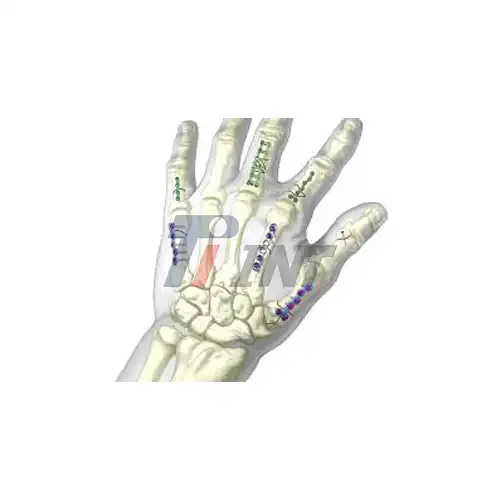
Having a titanium plate in leg can be a life-changing experience. Whether you've suffered a severe fracture or undergone orthopedic surgery, the insertion of a titanium plate is a common medical procedure designed to stabilize and support bone healing. This article will delve into the realities of living with a titanium plate in your leg, exploring the recovery process, potential sensations, and long-term implications.
|
|
|
The Journey of Recovery: From Surgery to Rehabilitation
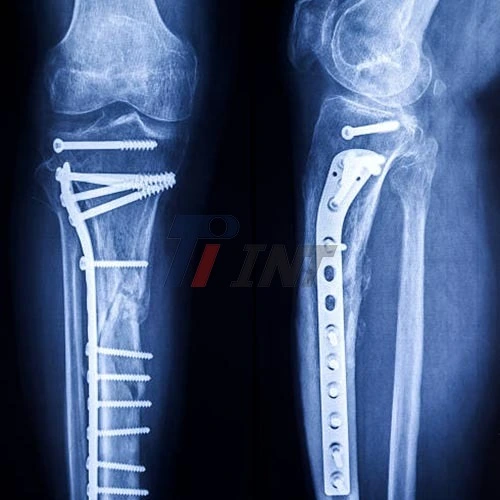
The prepare of accepting a titanium plate in your leg ordinarily starts with surgery. Orthopedic specialists utilize these plates to hold broken bones in put, permitting them to recuperate legitimately. The method itself is as a rule performed beneath common anesthesia, and patients frequently wake up with their leg immobilized in a cast or brace.
In the immediate repercussions of surgery, patients can anticipate some pain and discomfort. The body needs time to alter to the nearness of the titanium plate, and the encompassing tissues will be swollen and delicate. Torment administration is a pivotal portion of the early recuperation stage, with specialists endorsing suitable drugs to offer assistance patients adapt with post-operative inconvenience.
As the days and weeks advance, the center shifts to recovery. Physical treatment plays an imperative part in reestablishing quality, adaptability, and work to the influenced leg. Patients work closely with specialists to slowly increment their run of movement and modify muscle quality. This handle can be challenging and may take a few months, depending on the seriousness of the unique damage and the individual's generally wellbeing.
During this time, patients often report a variety of sensations in their leg. Some describe a feeling of tightness or pressure where the titanium plate is located. Others may experience occasional twinges or a dull ache, especially during changes in weather or after prolonged activity. These sensations are generally normal and tend to diminish over time as the body acclimates to the implant.
Living with a Titanium Plate: Adjustments and Considerations
As recovery progresses, most individuals find that they can return to many of their regular activities. However, living with a titanium plate in leg does require some adjustments and considerations:
- Airport Security: The titanium plate may set off metal detectors at airports. It's advisable to carry a medical card or documentation about the implant when traveling.
- Temperature Sensitivity: Some people report increased sensitivity to temperature changes in the area where the plate is located. The metal can conduct heat and cold more readily than surrounding tissues.
- Athletic Activities: While many sports and physical activities are still possible, individuals may need to be more cautious or use additional protective gear in the affected area.
- Medical Imaging: Titanium plates can cause artifacts on CT scans and MRIs. It's important to inform medical professionals about the implant before undergoing these imaging procedures.
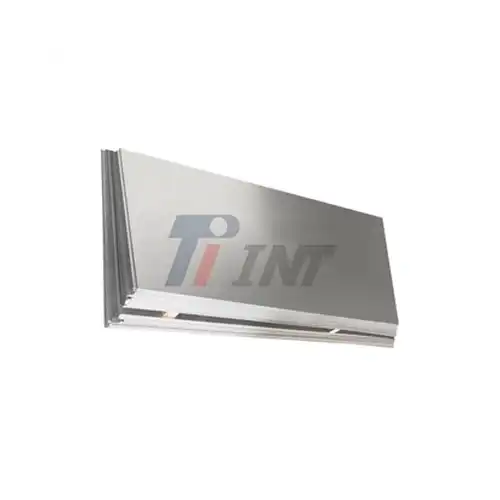
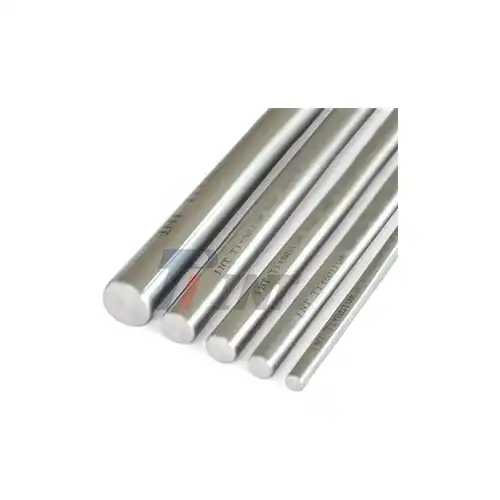
Despite these considerations, the vast majority of people with titanium plate in leg lead normal, active lives. The plates are designed to be biocompatible, meaning they're well-tolerated by the human body and don't typically cause allergic reactions or other complications. It's worth noting that the quality of the titanium used in medical implants is of paramount importance. Companies like Baoji INT Medical Titanium Co., Ltd. specialize in producing high-grade titanium materials for medical applications, ensuring that patients receive the best possible implants for their recovery.
Long-Term Outlook: What to Expect Years Down the Road
In most cases, titanium plates are intended to remain in the body permanently. The long-term outlook for individuals with these implants is generally positive. Titanium is known for its durability and resistance to corrosion, which makes it an ideal material for long-term use in the human body.
However, there are some factors to consider as time goes on:
- Bone Density: In some cases, the presence of a titanium plate in leg can lead to a reduction in bone density in the surrounding area. This is due to the plate taking on some of the stress that would normally be borne by the bone.
- Potential for Removal: In rare instances, the plate may need to be removed. This could be due to infection, loosening of the implant, or persistent pain. However, removal is not routine and is only done when medically necessary.
- Adaptation Over Time: Many people report that they become less aware of the plate as years pass. The initial sensations of tightness or occasional discomfort often fade as the body fully adapts to the implant.
In terms of physical activity, many patients find that they can return to their previous levels of exercise and sport participation. However, this should always be done under the guidance of a medical professional. Some high-impact activities may need to be modified or avoided, depending on the location and nature of the implant. Nutrition also plays a role in long-term health with a titanium plate. A diet rich in calcium and vitamin D can help maintain bone strength, which is particularly important in the area surrounding the implant. Some healthcare providers may recommend supplements to support overall bone health.
Conclusion
Living with a titanium plate in leg is a unique experience that comes with its own set of challenges and adaptations. While the initial recovery period can be demanding, most individuals find that they can return to a full and active life once healing is complete. The titanium plate becomes a part of you, silently supporting your bone structure and allowing you to move through life with stability and strength.
For those interested in learning more about the titanium materials used in medical implants, companies like Baoji INT Medical Titanium Co., Ltd. are at the forefront of producing high-quality medical-grade titanium. Their expertise ensures that patients receive the best possible materials for their orthopedic needs. For more information about medical titanium products, you can contact them at export@tiint.com.
References
1. American Academy of Orthopaedic Surgeons. (2021). Internal Fixation for Fractures. Retrieved from https://orthoinfo.aaos.org/en/treatment/internal-fixation-for-fractures/
2. Titanium Information Group. (2022). Titanium in Medical Applications. Retrieved from https://www.titanium.org/page/TiMedical
3. Journal of Orthopaedic Surgery and Research. (2019). Titanium plate removal: Indications and outcomes. Retrieved from https://josr-online.biomedcentral.com/articles/10.1186/s13018-019-1170-5
4. National Institute of Biomedical Imaging and Bioengineering. (2022). Biomaterials. Retrieved from https://www.nibib.nih.gov/science-education/science-topics/biomaterials
5. Baoji INT Medical Titanium Co., Ltd. (2023). Company Profile. Retrieved from https://www.tiint.com/
_1752820927376.webp)
_1752644608314.webp)
_1749191822714.webp)