

 2025-12-29 09:05:51
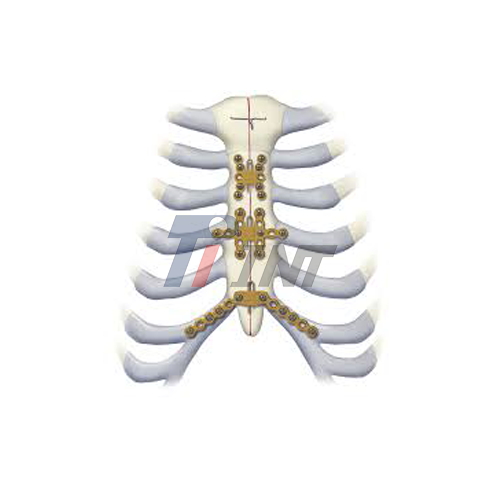

The Recovery Process: Navigating the Initial Weeks
The immediate aftermath of chest surgery involving a titanium plate in chest implantation can be challenging. Your body needs time to adjust to the new hardware and heal from the surgical procedure. Here's what you can anticipate during the initial recovery phase:
- Pain Management: Post-operative distress is common and can be overseen with endorsed torment medicines. Your healthcare group will collaborate with you to strike the right balance between overseeing treatment and lessening side effects. As you recuperate, you may slowly switch to over-the-counter pain drugs.
- Breathing Exercises: To prevent respiratory complications, your medical team will likely encourage deep breathing exercises. These help expand your lungs, clear secretions, and reduce the risk of pneumonia. You may be given an incentive spirometer, a device that measures how deeply you can inhale, to aid in these exercises.
- Limited Mobility: In the days following surgery, your movements will be restricted to protect the surgical site and allow proper healing. You'll likely need assistance with daily activities and may be advised to sleep in an elevated position to reduce strain on your chest.
- Wound Care: Proper care of your surgical incision is crucial to prevent infection. You'll receive instructions on how to clean the area, change dressings, and monitor for signs of complications such as excessive redness, swelling, or discharge.
- Dietary Adjustments: Your appetite may be diminished initially, but maintaining proper nutrition is essential for healing. A diet rich in protein, vitamins, and minerals can support tissue repair and immune function.
- Gradual Return to Activities: As you recapture quality, you'll gradually increment your movement levels beneath the direction of your healthcare group. This process is personalized and depends on variables such as your, by and large, well-being, the degree of the surgery, and how well you're recuperating.
Potential Complications and How to Address Them
Whereas titanium plate in chest is by and large well-tolerated, it's critical to be mindful of potential complications that may emerge:
1. Infection: Although rare due to titanium's biocompatibility, infection remains a risk. Symptoms may include fever, increased pain, redness, or drainage from the incision site. Prompt medical attention is crucial if you suspect an infection.
2. Hardware Failure: In extremely rare cases, the titanium plate may shift or loosen. This can cause discomfort or affect the stability of your chest wall. Regular follow-up appointments and imaging studies help monitor the plate's position and integrity.
3. Allergic Reactions: While titanium allergies are uncommon, some individuals may experience a reaction to the metal or other components used in the surgical process. Symptoms can range from mild skin irritation to more severe systemic responses.
4. Chronic Pain: A few patients may experience continuous inconvenience or a sensation of snugness in the chest region. This can regularly be overseen with torment pharmaceutical, physical treatment, or, in a few cases, extra surgical intercession.
5. Psychological Impact: The presence of a titanium plate in chest can have emotional and psychological effects. Some individuals may feel self-conscious or experience anxiety related to the implant. It's important to address these feelings with your healthcare provider or a mental health professional.
Long-Term Considerations and Lifestyle Adjustments
As you progress beyond the initial recovery phase, there are several long-term considerations to keep in mind:
1. Durability and Longevity: Titanium plates are built to last a lifetime. Thanks to the material's durability and resistance to corrosion, it is an excellent option for long-term implantation. In most instances, the plate stays in place permanently without the need for replacement.
2. Impact on Daily Activities: Once fully healed, most patients can resume normal activities without significant restrictions. However, you may need to make some adjustments:
- High-impact sports or exercises with a hazard of chest injury may require being maintained at a strategic distance from or drawn closer with caution.
- Certain occupations that involve heavy lifting or repetitive chest movements may require modifications.
- You may experience increased sensitivity to temperature changes, particularly in cold weather.
3. Medical Procedures: Inform all healthcare providers about your titanium plate, as it may affect certain medical procedures:
- MRI scans are generally safe with titanium implants, but the plate may cause image distortion in the chest area.
- Airport security and metal detectors may be triggered by your implant. Carrying documentation about your surgery can be helpful in these situations.
4. Ongoing Monitoring: While titanium plates are designed for permanence, periodic check-ups may be recommended to ensure continued proper placement and function. These may include physical examinations and imaging studies.
5. Potential for Removal: In rare instances, removal of the titanium plate in chest may be considered. This is typically only done if there are persistent issues such as pain, infection, or complications affecting your quality of life. The decision to remove a chest plate is complex and should be made in consultation with your surgical team.
6. Lifestyle Optimization: To support your overall health and the longevity of your implant, consider the following:
- Maintain a balanced diet rich in calcium and vitamin D to support bone health.
- Engage in regular, low-impact exercise to strengthen the muscles surrounding your chest wall.
- Practice good posture to minimize strain on your chest and surrounding structures.
- Avoid smoking, as it can impair healing and bone health.
Living with a titanium plate in chest may require some adjustments, but many patients find that they can lead full, active lives post-surgery. The key is to work closely with your healthcare group, take after their proposals, and be proactive around your well-being and well-being.
Conclusion
Recuperating from surgery and adjusting to life with a titanium plate in chest is a process that requires persistence, commitment, and a positive state of mind. By understanding what to expect, being vigilant about potential complications, and making necessary lifestyle adjustments, you can optimize your recovery and long-term outcomes.
For more information about high-quality medical titanium products used in various surgical applications, including chest implants, you can contact Baoji INT Medical Titanium Co., Ltd. at export@tiint.com. Their expertise in medical-grade titanium materials can provide valuable insights into the implants used in chest surgeries.
_1752462435099.webp)
_1750667964882.webp)