

What to Expect After Wrist Surgery with Titanium Plates?


 2025-12-26 08:42:55
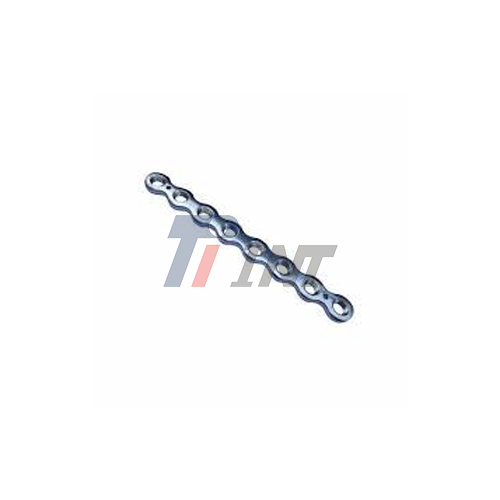
Wrist surgery involving titanium plates is a common procedure for treating severe fractures or other wrist injuries. If you're scheduled for this type of surgery or have recently undergone it, you might be wondering what lies ahead. This comprehensive guide will walk you through the recovery process, potential complications, and long-term expectations for titanium plate in wrist surgery.
|
|
|


The Immediate Post-Surgery Period: Managing Pain and Immobilization
In the days promptly following your wrist surgery with titanium plates, you can anticipate a little distress and restricted portability. Your specialist will likely endorse torment pharmaceutical to offer assistance overseeing any post-operative torment. It's vital to take after the endorsed dose and not surpass it, even if you're experiencing significant discomfort. Your wrist will be immobilized in a splint or cast to protect the surgical site and allow proper healing. This immobilization is essential for the titanium plate to stabilize the bones effectively. You may notice some swelling around the surgical area, which is normal. To help reduce swelling, keep your arm elevated above your heart level as much as possible, especially when resting or sleeping.
During this initial period, it's vital to keep the surgical site clean and dry. Your healthcare provider will give you specific instructions on wound care, which may include changing dressings and watching for signs of infection. Be vigilant for symptoms such as increased redness, warmth, or discharge from the incision site, as these could indicate a complication. You'll likely have a follow-up appointment with your surgeon within a week or two after the procedure. During this visit, they'll assess your progress, check the incision site, and possibly remove any stitches if they weren't absorbable.
The Recovery Phase: Rehabilitation and Gradual Return to Activities
As you progress in your recovery from titanium plate in wrist surgery, you'll enter a phase focused on rehabilitation and gradually increasing your wrist's functionality. This phase typically begins a few weeks after surgery, once your surgeon determines that initial healing has occurred. Physical therapy will play a crucial role in your recovery. Your therapist will guide you through exercises designed to improve your wrist's range of motion, strength, and flexibility. These exercises may initially feel uncomfortable, but they're essential for regaining full use of your wrist. It's important to follow your therapist's instructions carefully and not push yourself too hard, as overexertion could potentially damage the surgical site.
During this phase, you may transition from a rigid cast to a removable splint. This allows for easier hygiene and the ability to perform prescribed exercises. However, you'll still need to wear the splint most of the time to protect your wrist as it continues to heal. Gradually, you'll be able to return to light activities. Your surgeon and physical therapist will guide you on when it's safe to resume specific tasks. It's crucial not to rush this process, as the bones and soft tissues need time to heal properly around the titanium plate.
You may experience some stiffness or aching in your wrist, especially when attempting new movements or activities. This is normal and usually improves with time and continued therapy. However, if you experience sharp pain or a significant increase in discomfort, it's important to consult your healthcare provider. As your recovery progresses, you'll likely have periodic follow-up appointments with your surgeon. These visits may include X-rays to ensure the bones are healing correctly around the titanium plate. Your surgeon will use these appointments to assess your progress and adjust your recovery plan as needed.
Long-Term Outlook: Living with a Titanium Plate in Your Wrist
Once you've completed the initial recovery and rehabilitation phases after titanium plate in wrist surgery, you'll enter the long-term phase of living with the implant. For many patients, the presence of the titanium plate becomes barely noticeable in their day-to-day lives. Modern titanium plates used in wrist surgery are designed to be biocompatible, meaning they're well-tolerated by the body. The majority of patients don't experience any issues related to the plate itself. However, it's important to be aware of potential long-term considerations.
Some patients report increased sensitivity to cold temperatures in the affected wrist. This is usually mild and doesn't significantly impact daily activities. In rare cases, patients may experience irritation or discomfort around the plate, particularly if it's close to the skin surface. If you experience persistent pain or discomfort, it's important to consult your surgeon, as they can assess whether the plate is causing issues and if further intervention is necessary.
While the titanium plate is designed to remain in place permanently, there are situations where removal might be considered. This could be due to persistent pain, infection, or loosening of the plate. However, plate removal is not routine and is only done if there are specific indications. In terms of functionality, most patients regain a significant portion of their wrist's strength and range of motion. However, it's important to have realistic expectations. Depending on the severity of your initial injury and other factors, you may not regain 100% of your pre-injury function. Your surgeon and physical therapist can provide more specific expectations based on your individual case.
It's worth noting that having a titanium plate in wrist surgery shouldn't interfere with most daily activities or jobs. However, if you work in a field that requires extreme wrist movements or places high stress on your wrists, you may need to discuss potential limitations or accommodations with your healthcare provider and employer. Maintaining overall bone health becomes particularly important after wrist surgery with titanium plates. A diet rich in calcium and vitamin D, along with weight-bearing exercises (as approved by your healthcare provider), can help maintain bone strength and support the long-term success of your surgery.
Conclusion
Titanium plate in wrist surgery is a significant procedure, but with proper care and patience, most patients experience successful outcomes. The recovery process involves several stages, from initial pain management and immobilization to gradual rehabilitation and return to activities. Long-term, many patients find that the titanium plate becomes a seamless part of their anatomy, allowing them to return to their normal lives.
If you're considering wrist surgery or have questions about titanium implants, it's crucial to consult with a qualified healthcare provider. They can provide personalized advice based on your specific situation. For those interested in learning more about medical-grade titanium used in surgical implants, Baoji INT Medical Titanium Co., Ltd. is a reputable source of information and products. You can reach out to them at export@tiint.com for more details about their titanium materials used in medical applications.
References
1. American Academy of Orthopaedic Surgeons. (2021). Distal Radius Fractures (Broken Wrist).
2. Journal of Hand Surgery. (2019). Long-Term Outcomes of Volar Locking Plates for Distal Radius Fractures.
3. Physical Therapy Journal. (2020). Rehabilitation Following Distal Radius Fracture: A Systematic Review.
4. Journal of Orthopaedic Surgery and Research. (2018). Complications of Volar Locking Plating of Distal Radius Fractures.
5. Clinical Orthopaedics and Related Research. (2017). Patient-Reported Outcomes After Volar Locking Plate Fixation of Distal Radius Fractures.
_1753926358324.jpg)
_1752462435099.webp)
_1751955824855.webp)
_1750663715751.webp)
_1749447504716.webp)