
Where US Buyers Source Gr4 Medical Titanium Plate


 2026-02-09 16:59:34
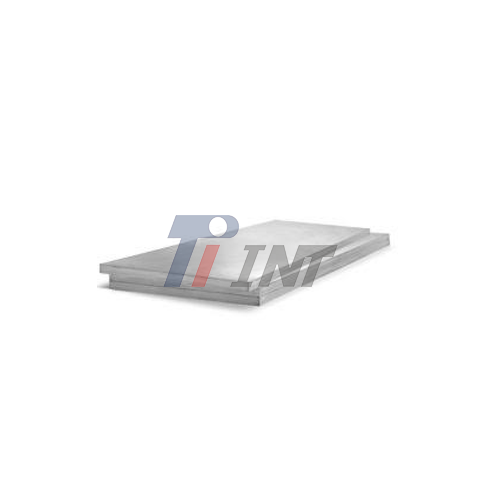
US buyers seeking reliable sources for Grade 4 medical titanium plates typically turn to specialized manufacturers and distributors who maintain strict quality certifications and regulatory compliance. The most trusted procurement channels include established titanium alloy suppliers with FDA approval, ISO certifications, and proven track records in medical device manufacturing. Among these sources, the Gr4 Medical Titanium Plate Thk 1mm specifications represent the industry standard for surgical implants and medical instruments, offering optimal balance between strength and biocompatibility for critical healthcare applications.
|
|
|


Understanding Gr4 Medical Titanium Plate and Its Specifications
Due to the remarkable mix of mechanical qualities and biological safety that they possess, grade 4 medical titanium screws have established the accepted norm in surgical applications. While preserving higher strength qualities in comparison to lesser grades, this titanium alloy that is commercially pure has a limited amount of oxygen.
Chemical Composition and Purity Standards
Titanium concentration in Grade 4 titanium is more than 99%, and the quantities of the elements nitrogen, oxygen, carbon, and iron are tightly regulated. Grade 4 titanium is a chemical composition. The intrinsic biocompatibility of the material is not compromised by the presence of these trace elements, which contribute to the material's increased mechanical strength. Its reliability for use in essential medical applications is a direct result of the perfect elemental balance, which guarantees constant performance across all of the various production batches.
In particular, producers of medical devices place a high importance on the predictable qualities of the fourth grade titanium since this consistency helps to support quality control techniques that are necessary for compliance with FDA clearance procedures. In addition, the regulated impurity levels minimize undesirable tissue responses, which might put the patient's safety at risk during long-term implantation.
Thickness Specifications and Medical Applications
The 1mm thickness specification represents optimal engineering for numerous medical applications, providing sufficient structural integrity while maintaining flexibility for complex surgical procedures. This thickness allows for precise machining and forming operations essential in creating custom implant geometries.
When it comes to trauma repair, surgical teams enjoy the flexibility of plates that are 1 millimeter thick. This is because fitting to uneven bone surfaces often demands both strength & adaptability. During the forming process, the material keeps its protective oxide covering intact, which guarantees that its resistance to corrosion will be maintained throughout the manufacturing process.
Superior Osseointegration Properties
One of the biological processes that occurs when bone tissue attaches directly to the implants surface is called osseointegration. The surface properties of grade 4 titanium encourage outstanding osseointegration. This characteristic is a result of the material's capacity to produce a coating of titanium oxide that is stable and promotes the adhesion and development of cells.
Clinical studies have shown that Grade 4 implanted with titanium have a quicker healing time compared to alternatives made of stainless steel. This results in shorter recovery times for patients and better surgical outcomes. The fact that the material is non-reactive minimizes inflammatory reactions, which might potentially slow down the healing process. As a result, it is especially useful for individuals who have immune systems that are very sensitive.
Comparing Gr4 and Gr5 Medical Titanium Plates: Which is Right for Your Application?
When procurement professionals have a thorough understanding of the distinctions between Grade 4 with Grade 5 titanium plates, they are better equipped to make educated judgments that are tailored to the particular application needs and financial restrictions at hand.
Mechanical Strength and Performance Characteristics
Due to its exceptional ductility and formability, grade 4 titanium is a suitable choice for applications that need intricate shaping or fabrication that is tailored to specific requirements. Its yield strength, which is around 480 MPa, offers sufficient structural support for the majority of medical implant purposes while preserving a good resistance to fatigue.
With a yield strength that may reach 880 MPa, grade 5 titanium, which is an alpha-beta alloy that contains both aluminum and vanadium, has superior strength qualities. On the other hand, this greater strength comes with decreased formability and increased material costs, which makes Grade 4 more suited for applications that prioritize biocompatibility and cost-effectiveness.
The choice between grades often depends on specific loading requirements and implantation duration. Long-term implants benefit from Grade 4's superior corrosion resistance, while high-stress applications may require Grade 5's enhanced mechanical properties.
Cost-Effectiveness and Market Availability
Market analysis reveals that the Gr4 Medical Titanium Plate Thk 1mm typically costs 15-20% less than Grade 5 equivalents, making it attractive for high-volume medical device production. The commercial purity of Grade 4 also simplifies processing requirements, reducing manufacturing complexity and associated costs.
Supply chain considerations favor Grade 4 availability, as multiple certified suppliers maintain inventory of standard thicknesses including the popular 1mm specification. This market depth provides procurement teams with negotiating leverage and backup sourcing options essential for maintaining production schedules.
Certification and Regulatory Compliance
When it comes to medical applications, both grades are required to comply with the same certification criteria. These standards include ISO 13485 quality system conformity and FDA biocompatibility standards. Nevertheless, the well-established track record that Grade 4 has in the field of medical applications often streamlines the regulatory approval procedures for the filing of new devices.
The considerable clinical evidence that supports the safety profile of Grade 4 titanium offers manufacturers with strong documentation for submissions to regulators, which has the potential to accelerate the time-to-market for novel medical devices.
Where US Buyers Can Source High-Quality Gr4 Medical Titanium Plates
In order to successfully acquire medical-grade titanium plates, it is necessary to do a thorough review of the capabilities, certifications, as well as quality systems of the suppliers. This is done to guarantee that the material will function consistently and in accordance with the regulations.
Selecting Certified Medical Titanium Suppliers
Leading suppliers maintain comprehensive quality management systems that encompass material traceability, batch testing, and certificate of compliance documentation. These systems ensure every plate shipment includes complete material certification traceable to original mill sources.
Certification in quality management according to ISO 9001:2015, certification in medical product quality systems according to ISO 13485:2016, and registration with the FDA for the production of medical devices are important requirements for suppliers. By obtaining these certificates, one may show their dedication to quality standards that are necessary for medical applications.
Established suppliers also maintain relationships with multiple titanium mills, providing supply chain resilience and competitive pricing through volume purchasing agreements. This supplier diversity protects buyers from single-source supply disruptions that could impact production schedules.
Evaluating Manufacturing Capabilities and Customization
In order to fulfill the needs of a particular application, advanced suppliers provide value-added services such as precision cutting, treatment of the surface, and custom sizing. These skills are able to lower the expenses of secondary processing while also providing the dimensional precision that is essential for the assembly of medical devices.
Manufacturing flexibility becomes particularly important for OEM applications where standard plate dimensions may not meet design requirements. Suppliers with in-house machining capabilities can provide custom solutions while maintaining material certifications and traceability.
Quality testing capabilities represent another crucial evaluation criterion, as suppliers should provide material test certificates including chemical analysis, mechanical properties testing, and biocompatibility verification for each batch shipment.
Procurement Logistics and Lead Time Considerations
Inventory management strategies vary among suppliers, with some maintaining stock of common specifications while others operate on make-to-order basis. Understanding these differences helps procurement teams plan ordering schedules to avoid production delays.
Minimum order quantities typically reflect the economics of specialty material processing, with suppliers offering better pricing for larger volumes. Buyers benefit from consolidating requirements across multiple projects to achieve volume pricing tiers.
The right packing to avoid infection, the required paperwork for customs clearance, or insurance coverage to safeguard against material being lost or damaged while in transit are all important concerns when exporting internationally.
How to Safely Procure and Use Gr4 Medical Titanium Plates for Medical Applications
Safe procurement practices protect both material integrity and regulatory compliance, ensuring titanium plates maintain their certified properties throughout the supply chain to final application.
Essential Compliance Standards and Documentation
FDA regulations require comprehensive documentation demonstrating material compliance with biocompatibility standards including ISO 10993 testing protocols. This documentation must accompany every material shipment and remain accessible for regulatory audits.
ASTM standards provide detailed specifications for medical titanium grades, including chemical composition limits, mechanical property requirements, and testing procedures. Buyers should verify supplier compliance with relevant ASTM standards, such as those governing the production of the Gr4 Medical Titanium Plate Thk 1mm under F67 for unalloyed titanium and F136 for titanium alloys.
The paperwork for the certificate of conformity has to contain batch-specific test findings, information about the traceability of materials, and validation of the manufacturing procedure controls. Not only does this documentation meet quality system criteria, but it also makes it easier for innovative medical devices to submit regulatory submissions.
Material Handling and Storage Best Practices
It is possible to avoid contamination that might affect the biocompatibility or resistant to corrosion qualities by following the appropriate handling methods. Clean room storage settings provide protection against the contamination of particle matter, while humidity levels that are under control avoid condensation that might have an impact on surface conditions.
One of the criteria for packaging is the use of protective wrapping to avoid surface damage during the shipping and storage processes. It is important for suppliers to utilize clean packing materials that will not leave residues onto titanium surfaces or introduce impurities into the titanium.
The methods of inventory rotation guarantee that commodities are utilized within the prescribed timeframes, so reducing the deterioration that may occur as a result of prolonged storage periods. The first-in, first-out system for inventory management helps to ensure that materials are kept fresh and that they can be traced.
Quality Verification and Incoming Inspection
Incoming inspection procedures should verify material dimensions, surface condition, and documentation completeness. Visual inspection can identify surface defects, contamination, or packaging damage that might affect material suitability.
Sample testing protocols may include verification of chemical composition and mechanical properties for critical applications. These tests provide additional assurance that materials meet specifications and maintain consistency across different supplier batches.
Documentation review should confirm that certificates match ordered specifications and include all required test results. Any discrepancies should be resolved with suppliers before materials enter production processes.
Baoji INT Medical Titanium Co., Ltd.: Your Trusted Partner for Premium Medical Titanium Solutions
via more than twenty years of specialized expertise and continual advancement in titanium processing technology, Baoji INT Scientific Titanium Co., Ltd. established itself as a leading producer of medical-grade titanium materials. This leadership position was achieved via the company's commitment to innovation.
Company Heritage and Industry Expertise
Our firm has developed into a leading organization in the field of medical titanium material research and manufacture since its founding in 2003 by Mr. Li Wenge, who has more than thirty years of expertise in the titanium sector. This considerable expertise gives a profound awareness of the needs of the market as well as the technical obstacles that are faced by physicians who make medical devices.
Our commitment to excellence has resulted in long-term partnerships with medical device manufacturers spanning more than 10 years, demonstrating our reliability and consistent quality delivery. These relationships reflect our ability to understand customer needs and provide tailored solutions that support their success in competitive markets.
Our dedication to moving from the provision of raw materials to the production of precision medical devices is shown by the formation of Shaanxi Stand Bioinformatics Co., Limited. as our subsidiary. This will result in the creation of a full value chain that provides comprehensive services to the medical industry.
Comprehensive Product Portfolio and Certifications
Our product range encompasses the complete spectrum of medical titanium materials, including commercially pure titanium grades such as the Gr4 Medical Titanium Plate Thk 1mm and Ti6Al4V ELI alloys in various forms such as rods, wires, plates, and precision forged components. This diversity enables us to serve as a single-source supplier for complex medical device projects.
We have a complete certification portfolio that includes ISO 9001:2015 worldwide quality oversight, ISO 13485:2016 for medical device product management, and EU Cip safety certifications. This portfolio serves as the foundation of the quality assurance system. By obtaining these certificates, we guarantee that our goods are up to the highest international requirements for therapeutic purposes.
Our quality procedures include total traceability, beginning with the procurement of raw materials and continuing all the way through the delivery of the end product. This affords us the documentation and confidence that is necessary for compliance with laws in international markets. As a result of this methodical approach to quality, product performance and compliance with regulations are guaranteed to be consistent.
Advanced Manufacturing and Customization Capabilities
Precision machining, intricate turning and milling processes, and innovative die forging techniques are some of the manufacturing skills that we possess. These capabilities allow us to produce very sophisticated medical components. Because of these capabilities, we are able to provide services with value that simplify the requirements for customer processing and speed up the time it takes to bring a product to market.
Here are the core advantages that distinguish our Gr4 Medical Titanium Plate Thk 1mm products:
• Exceptional Biocompatibility: Our Grade 4 titanium plates demonstrate excellent biocompatibility, ensuring safe long-term implantation without adverse tissue reactions, making them ideal for direct contact with human tissue in critical medical applications.
• Superior Corrosion Resistance: The natural oxide layer formation provides outstanding corrosion resistance in biological environments, ensuring long-term performance and patient safety throughout extended implantation periods.
• Optimal Strength-to-Weight Ratio: The lightweight yet strong characteristics of our 1mm plates provide the flexibility required for complex surgical procedures while maintaining structural integrity under physiological loading conditions.
• Outstanding Fatigue Resistance: Excellent fatigue resistance properties ensure reliable performance under cyclic loading conditions typical in orthopedic and dental applications, contributing to extended implant service life.
• Complete Customization Capability: Our engineering team provides customization services to meet exact surgical specifications, ensuring optimal fit and functionality for specialized medical device applications.
These advantages collectively address the primary concerns of medical device manufacturers regarding material performance, patient safety, and regulatory compliance, making our products the preferred choice for demanding medical applications.
Conclusion
The procurement of high-quality Gr4 Medical Titanium Plate Thk 1mm requires careful consideration of supplier qualifications, material certifications, and application-specific requirements. US buyers benefit from partnering with established manufacturers who demonstrate consistent quality, comprehensive certifications, and reliable supply chain management. The 1mm thickness specification continues to represent an optimal balance between mechanical properties and surgical versatility, making it the preferred choice for numerous medical applications. Success in medical titanium procurement depends on thorough supplier evaluation, proper material handling, and maintaining rigorous quality standards throughout the supply chain.
FAQ
Why is Grade 4 titanium preferred for medical implants over other grades?
Grade 4 titanium offers the optimal balance of biocompatibility, mechanical strength, and corrosion resistance for medical implant applications. Its commercially pure composition eliminates potentially harmful alloying elements while providing sufficient strength for most surgical applications. The material's excellent osseointegration properties and proven clinical track record make it the preferred choice for long-term implantation.
How does 1mm thickness affect the performance of Grade 4 titanium plates?
The 1mm thickness provides an ideal compromise between structural strength and surgical flexibility. This thickness allows for precise forming and shaping during implant customization while maintaining adequate mechanical properties for load-bearing applications. The thickness also facilitates efficient sterilization processes and enables precise machining for custom medical device manufacturing.
What certifications should buyers verify when sourcing Grade 4 medical titanium plates?
Buyers should verify ISO 9001:2015 quality management, ISO 13485:2016 medical device quality systems, and relevant FDA registrations. Additionally, material certifications should include ASTM F67 compliance, biocompatibility testing per ISO 10993, and complete chemical and mechanical property documentation. These certifications ensure material safety and regulatory compliance for medical applications.
What are the typical lead times for Grade 4 titanium plate procurement?
Lead times vary depending on specifications and order quantities, typically ranging from 4-8 weeks for standard dimensions and 8-12 weeks for custom specifications. Suppliers maintaining inventory of common sizes can often provide faster delivery, while custom processing requires additional manufacturing time. Planning procurement schedules around these timelines ensures production continuity.
Partner with Baoji INT Medical Titanium Co., Ltd. for Your Medical Titanium Requirements
Baoji INT Medical Titanium Co., Ltd. stands ready to support your medical device manufacturing with premium Grade 4 titanium plates that meet the highest quality and safety standards. Our extensive experience in medical titanium processing, combined with comprehensive certifications including ISO 9001:2015, ISO 13485:2016, and EU CE safety approval, ensures reliable material performance for critical medical applications. Contact our technical team at export@tiint.com to discuss your specific requirements for Gr4 Medical Titanium Plate Thk 1mm solutions and experience the advantages of partnering with a trusted medical titanium supplier.
References
1. American Society for Testing and Materials. "Standard Specification for Unalloyed Titanium for Surgical Implant Applications." ASTM F67-13, 2018.
2. Brunette, Donald M., et al. "Titanium in Medicine: Material Science, Surface Science, Engineering, Biological Responses and Medical Applications." Springer Berlin Heidelberg, 2019.
3. Geetha, M., Singh, A.K., Asokamani, R., and Gogia, A.K. "Ti based biomaterials, the ultimate choice for orthopaedic implants – A review." Progress in Materials Science, Vol. 54, No. 3, 2009.
4. International Organization for Standardization. "Biological evaluation of medical devices - Part 1: Evaluation and testing within a risk management process." ISO 10993-1:2018.
5. Liu, X., Chu, P.K., and Ding, C. "Surface modification of titanium, titanium alloys, and related materials for biomedical applications." Materials Science and Engineering Reports, Vol. 47, No. 3-4, 2004.
6. Williams, David F. "Titanium for Medical Applications." In Titanium in Medicine, edited by Donald M. Brunette, Pentti Tengvall, Mathias Textor, and Paul Thomsen. Springer, 2001.
_1753859685128.webp)
_1750210148763.webp)
_1749447504716.webp)