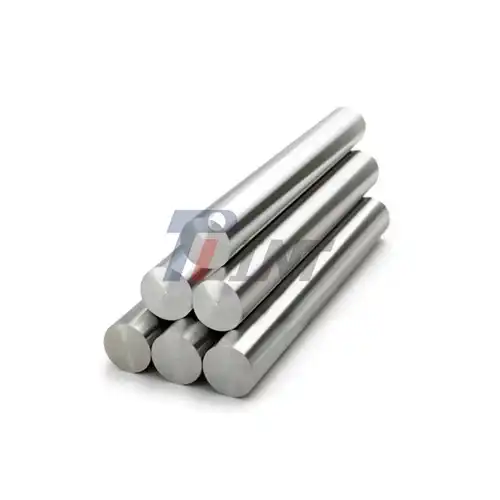
Step by Step Guide to Using Ti6Al4V ELI Titanium Bar in Aerospace


 2026-02-09 16:59:32
In order to work with Ti6Al4V ELI Titanium Bar in aircraft uses, you need to have a thorough understanding of the material's properties and follow strict steps for implementation. This extra low interstitial grade has better ductility and fracture toughness than normal Grade 5 titanium, which is why it is essential for important aircraft parts. The controlled interstitial content lowers the amounts of oxygen, nitrogen, and carbon. This makes the material work better, which is important for parts of airplanes, engines, and fastening systems that need to be reliable.
|
|
|


Comprehending Ti6Al4V ELI Titanium Bar Properties and Standards
Ti6Al4V ELI titanium bar is the best material for aircraft applications because it has great mechanical properties and must meet strict quality standards. "Extra Low Interstitial" means that the oxygen content is less than 0.13%, which is less than the 0.20% oxygen content in normal Grade 5 titanium. This decrease makes the metal much more ductile and harder to break, but it keeps its famous strength-to-weight ratio.
Chemical Composition and Mechanical Performance
About 6% of the metal is aluminum and 4% is vanadium. Titanium is the main element that holds it together. Vanadium stabilizes the beta phase structure, which makes the material stronger and denser. Aluminum increases strength and decreases density. The nanoscale has been fine-tuned to have tensile strengths between 895 and 1000 MPa and yield strengths between 825 and 925 MPa. This gives the material great performance in high-stress situations.
The material has a very high resistance to fatigue, which is very important for aircraft uses that are loaded and unloaded many times. Better damage tolerance than regular titanium grades because they have better elongation qualities, usually hitting 10-15%. Since this metal has these qualities, it works especially well for parts that need to be strong and flexible in harsh circumstances.
International Standards and Certifications
International norms are very strict when it comes to aerospace uses. ASTM F136 sets the rules for medical-grade uses, but it also covers aircraft parts that need safe materials. AMS 4928 is designed to meet the unique needs of the aircraft industry. It makes sure that quality and performance are the same across makers and production batches.
ISO 5832-3 adds to the existing certification standards, which are especially useful for European aircraft markets. These standards cover things like chemistry make-up, mechanical qualities, microstructure needs, and how to test things. When purchasing goods such as Ti6Al4V ELI Titanium Bar, people in charge must check that the suppliers they're considering have these certifications. Following the rules makes sure that materials can be tracked and quality is maintained all the way through the supply chain.
Step-by-Step Process of Integrating Ti6Al4V ELI Titanium Bar in Aerospace Components
To successfully integrate Ti6Al4V ELI titanium bars, you must carefully follow the steps that have already been set up. This will ensure the best performance and compliance with all regulations. The steps in the process are choosing the right materials, getting them ready, cutting, checking the quality, and putting them together. Each one requires a different set of skills and close attention to detail.
Material Selection and Specification Alignment
The first step in the merging process is making sure that the material specifications match the needs of the components. To find the right bar dimensions and mechanical properties, engineering teams have to look at how stress is distributed, the surroundings, and the operation's factors. Standard widths run from 6 mm to 200 mm, but special sizes can be made to fit specific needs.
Professionals in charge of buying things should check the certificates of materials to make sure that the chemistry make-up and mechanical qualities meet the needs of the project. Mill test certificates are important pieces of paper that show things like the conditions of the heat treatment, the tensile qualities, and the particle analysis. Throughout the lifecycle of the component, this documentation helps legal compliance and makes sure that the parts can be tracked.
Heat Treatment and Machining Protocols
Controlled heat treatment methods make the microstructure and mechanical qualities work best for certain tasks. Solution treatment usually takes place at 925°C, then cooling and age are controlled at 540°C. You can change these factors to get the right mix of properties, mixing strength, ductility, and fatigue resistance based on the needs of the component.
Advanced machining methods keep the purity of the metal while getting very close tolerances on its dimensions. Cutting speeds of 50 to 150 surface feet per minute are common in conventional machining, and feed rates can be changed to fit different tasks. When coolant is used correctly, it stops work from hardening and tools from wearing out. This keeps the surface quality and accuracy of the dimensions throughout the manufacturing process.
Quality Control and Testing Procedures
Strict quality control procedures make sure that structures are reliable and that they always work the same way. Ultrasonic screening and dye penetrant testing are two non-destructive testing methods that can find both internal and surface flaws. Dimensional checks make sure that technical limits are met, and mechanical testing makes sure that the strength and ductility qualities are correct.
Microstructure research proves that the heat treatment worked and that the grain structure was uniform. These checks happen several times during the production process, from getting the raw materials to finishing the last part. Test reports, inspection records, and material certificates are some of the things that must be documented in order to meet quality assurance and legal compliance goals.
Comparing Ti6Al4V ELI vs. Other Titanium Grades for Aerospace Applications
Knowing about the different types of materials lets you make smart choices when picking titanium grades for aircraft uses. Compared to other grades, Ti6Al4V ELI has clear benefits, especially in situations where better fracture hardness and ductility are needed. A cost-benefit study shows long-term value ideas that make it worth making initial investments.
Performance Advantages Over Standard Ti6Al4V
Ti6Al4V ELI has better fracture hardness than regular Grade 5 titanium, with numbers that are usually 20–30% higher. This improvement is very important for damage-tolerant design methods, where parts must keep their structural stability even if they have small flaws or cracks. Better flexibility makes complex shaping possible and lowers the risk of breaking during production.
There is a big improvement in fatigue performance, which means that parts manufactured from Ti6Al4V ELI Titanium Bar will last longer under repeated loading situations. When compared to normal Grade 5, high-cycle fatigue strength goes up by about 15 to 20 percent. This means that the material is more reliable and needs less upkeep. These qualities are especially useful for engine parts and structure parts that are stressed over and over again.
Cost Considerations and Long-Term Value
The cost of materials for Ti6Al4V ELI is usually 15-20% higher than the cost of normal Grade 5 titanium. This is because it needs to be processed more carefully and has more quality control measures. Lifecycle cost analysis, on the other hand, shows that there is a lot of value in less upkeep, longer service intervals, and better dependability. In flight uses, the cost of a failed part can reach millions of dollars. This means that investments in material quality are financially sound.
Because the safety factors are lower, the improved qualities make it possible to optimize weight, which partly offsets the higher cost of materials. Designers can choose thinner sections or smaller parts while still leaving the same amount of safety margins. This helps reduce the total weight of an airplane and make it use less fuel.
Practical Procurement Guide: Buying Ti6Al4V ELI Titanium Bar for Aerospace
To be successful at buying, you need to carefully evaluate suppliers and use smart sourcing methods. The aircraft business has strict standards that only accept suppliers with a history of success, full certifications, and strong quality management systems. Professionals in procurement have to find a mix between quality standards, cost, and delivery dates.
Supplier Selection Criteria and Certification Requirements
Suppliers who are qualified must show that they are AS9100 certified, which means that their quality control systems meet the standards of the aerospace business. Production plant audits check the production skills by looking at things like the specifications of the equipment, the controls for the process, and the qualifications of the staff. Technical knowledge, capacity planning, and programs for ongoing growth should all be looked at when evaluating a supplier.
A company's track record is checked by looking at its past aerospace projects, customer references, and success data. Suppliers should show that they have worked on similar projects before and understand the needs of the aircraft industry. A financial stability review makes sure that there is a steady supply of goods and the ability to make investments for process changes and capacity growth.
Procurement Strategies and Bulk Purchasing Considerations
Depending on the size of the bar and the supplier's skills, the minimum order quantity is usually between 100 and 500 tons. Long-term deals offer savings for large orders and priority scheduling, which is especially helpful for businesses that need to make the same thing over and over again. Blanket orders with planned releases make it possible to control supplies and get good prices at the same time.
Lead times range from 8 to 16 weeks for Ti6Al4V ELI Titanium Bar with normal specs. Custom sizes take longer. Getting suppliers involved early on in the planning process helps with material optimization and lowers the risks of buying. Carrying costs and supply security for critical materials like Ti6Al4V ELI Titanium Bar are balanced by strategic inventory planning. This is especially important for important aircraft projects.
Ensuring Confidence and Longevity: Maintenance and Best Practices for Ti6Al4V ELI Titanium Bars
Following the right repair procedures will extend the life of parts and keep them airworthy. Protecting the environment, setting up check plans, and storing things in the right way all help keep their performance. These methods are necessary to keep safety standards high and lower lifetime costs in aerospace uses.
Environmental Protection and Coating Systems
Protective coats make things less likely to rust in tough working conditions. Anodizing processes give basic protection while keeping the limits for size. For uses that need better protection against high temperatures, new coating methods like physical vapor deposition and thermal barrier coatings are available.
Controls over the environment during storage and handling keep surfaces from getting dirty or damaged. Clean room rules limit the exposure to particles, and temperature control stops wetness from being absorbed. These steps are especially important for parts that need to be put together or that will be stored for a long time before they are installed.
Inspection Protocols and Lifecycle Management
For finding problems inside a machine, scheduled checks use high-tech methods like eddy current testing and computed tomography. Inspections happen at regular times that match the plane's repair schedule, usually every 500 to 5,000 flight hours, but this can change based on how important the part is and how it's being used. Digital recording systems keep track of the past of inspections and make it easier to look for trends.
Condition rating methods help people decide whether to fix something or replace it. Repair prices, leftover service life, and operational risks are all things that economic analysis looks at. Criteria for retiring a component make sure that there are safety gaps and that assets are used most efficiently throughout the component's existence.
Conclusion
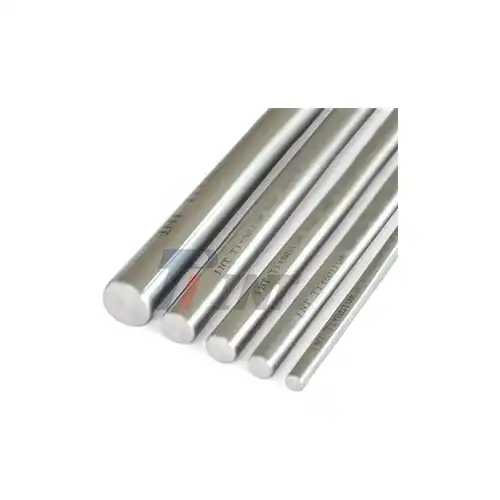
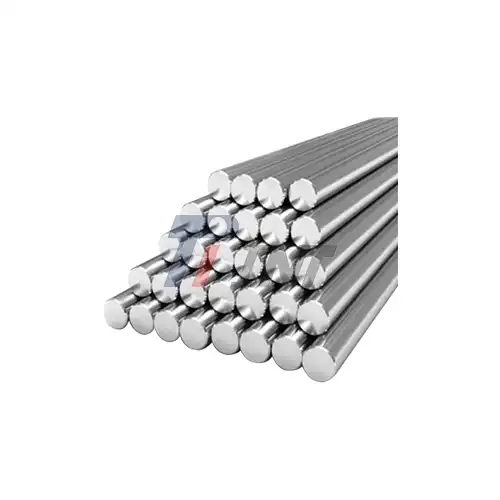
Ti6Al4V ELI Titanium Bar is the best choice for important aircraft uses that need high strength, flexibility, and dependability. The planned, step-by-step method described guarantees success while staying in line with aircraft standards. Choosing the right materials, following the right processing steps, and keeping up with upkeep will help your product work better and last longer. Aerospace workers can make smart decisions when they understand competitive benefits and buying strategies. These rules help make sure that the project is carried out safely and meets performance standards.
FAQ
What makes Ti6Al4V ELI superior to standard Grade 5 titanium?
Ti6Al4V ELI has fewer interstitial elements than standard Grade 5, especially less oxygen (below 0.13% vs. 0.20% in standard Grade 5). This decrease increases fracture toughness by 20–30% and makes it easier to shape. This makes it perfect for important aircraft parts that need to be able to handle harm and work reliably in harsh conditions.
Which aerospace applications benefit most from Ti6Al4V ELI properties?
The better qualities of Ti6Al4V ELI make it a great material for aircraft engine parts, landing gear systems, and important structure parts. The material's high fatigue resistance and fracture toughness make it important for uses that need to handle cyclic loads and damage-tolerant design methods.
What certifications should procurement professionals verify when sourcing Ti6Al4V ELI?
Compliance with ASTM F136, AMS 4928, and ISO 5832-3 is an important qualification. Suppliers must give mill test papers that show the chemical make-up and mechanical qualities. As9100 certification makes sure that quality management systems meet the standards for process control and tracking in the aerospace business.
How do lead times and minimum order quantities affect procurement planning?
Standard lead times are between 8 and 16 weeks, and based on the specs, the minimum order size is usually between 100 and 500 kilograms. Long-term deals and blanket orders let you be flexible with your schedule and get savings for buying in bulk. Getting suppliers involved early on in the planning process helps choose the best materials and lowers the risks of buying.
Contact Baoji INT Medical Titanium Co., Ltd. for Premium Aerospace Solutions
Baoji INT Medical Titanium Co., Ltd. has been working with titanium for 30 years and is a trusted source for aerospace companies that need an approved Ti6Al4V ELI Titanium Bar. Our production is ISO9001:2015 and CE certified, so you can be sure of steady quality and legal compliance for mission-critical uses. We offer full technical help, the ability to make custom sizes, and flexible shipping options that are specifically designed to meet the needs of the aircraft industry. Email our professional team at export@tiint.com to talk about your unique needs and get accurate quotes.
References
1. American Society for Testing and Materials. "Standard Specification for Wrought Titanium-6Aluminum-4Vanadium ELI Alloy for Surgical Implant Applications." ASTM F136-13, 2018.
2. Aerospace Material Specification. "Titanium Alloy Bars, Wire, Forgings, and Rings 6Al-4V Annealed." AMS 4928M, Society of Automotive Engineers International, 2019.
3. Peters, M., Kumpfert, J., Ward, C. H., and Leyens, C. "Titanium Alloys for Aerospace Applications." Advanced Engineering Materials, vol. 5, no. 6, 2003, pp. 419-427.
4. Boyer, R. R. "An Overview on the Use of Titanium in the Aerospace Industry." Materials Science and Engineering A, vol. 213, no. 1-2, 1996, pp. 103-114.
5. Donachie, Matthew J. "Titanium: A Technical Guide." ASM International Materials Park, Ohio, Second Edition, 2000.
6. International Organization for Standardization. "Implants for Surgery - Metallic Materials - Part 3: Wrought Titanium 6-Aluminum 4-Vanadium Alloy." ISO 5832-3:2016, 2016.
_1753927576158.png)
_1753425743099.webp)
_1752462620877.webp)
_1752462199458.webp)
_1750210148763.webp)