
Why Doctors Choose Titanium Plates for Brain Operations?


 2025-12-24 09:06:07
When it comes to brain surgery, every detail matters. From the surgeon's skill to the instruments and materials utilized, each component plays a vital part in guaranteeing the best conceivable outcome for the client. One of the most noteworthy progressions in neurosurgery has been the use of titanium plates for brain operations. These imaginative restorative gadgets have revolutionized the field, advertising various benefits that make them the favored choice for numerous neurosurgeons worldwide. In this comprehensive direct, we'll investigate the reasons behind the widespread appropriation of titanium plate for brain surgery, dive into their unique properties, and discuss the impact they've had on persistent results.
|
|
|

The Unparalleled Properties of Titanium in Neurosurgery
Titanium has emerged as a superstar material in the medical field, particularly in neurosurgery. Its unique combination of properties makes it exceptionally well-suited for use in brain operations. Let's examine some of the key characteristics that make titanium the material of choice for brain surgery plates:
Biocompatibility: A Harmonious Relationship with the Human Body
One of the most significant qualities of titanium is its surprising biocompatibility. This implies that the human body generally acknowledges titanium inserts without unfavorable responses. When a titanium plate is used in brain surgery, the chance of dismissal or allergic reactions is negligible. This biocompatibility is due to titanium's capacity to form a steady oxide layer on its surface, which effectively secures the metal from erosion and prevents it from connecting adversely with encompassing tissues.
The biocompatibility of titanium extends beyond mere tolerance by the body. In many cases, titanium implants can actually integrate with the surrounding bone tissue through a process called osseointegration. This natural bonding between the implant and bone provides additional stability and longevity to the surgical repair, which is particularly beneficial in brain surgeries where long-term durability is essential.
Radiolucency: Enhancing Post-Operative Monitoring
Another significant advantage of titanium plate for brain surgery is their radiolucent nature. Radiolucency refers to the ability of a material to allow X-rays and other imaging technologies to pass through it with minimal interference. This property is invaluable in post-operative care and long-term monitoring of patients who have undergone brain surgery.
With titanium plates, doctors can perform follow-up imaging studies such as CT scans or MRIs without the plates obscuring the view of the brain tissue. This clarity in imaging allows for more accurate assessments of healing progress, early detection of any complications, and better overall management of the patient's condition. The radiolucency of titanium plates contributes significantly to the comprehensive care that neurosurgeons can provide throughout a patient's recovery journey.
Precision Engineering: Tailoring Titanium Plates for Optimal Results
The effectiveness of titanium plates in brain surgery isn't just about the material itself; it's also about how these plates are designed and manufactured. Advanced engineering techniques have allowed for the creation of titanium plates that are precisely tailored to meet the unique demands of neurosurgery.
Customization: One Size Doesn't Fit All
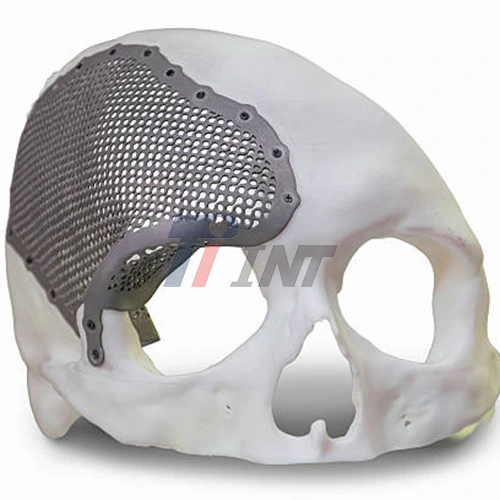
Every patient's brain anatomy is unique, and neurosurgeons often face challenges in finding implants that fit perfectly. This is where the customization capabilities of titanium plates come into play. Using advanced 3D imaging and computer-aided design (CAD) technologies, manufacturers can create titanium plates that are specifically tailored to an individual patient's skull contours and surgical needs.
These custom-made titanium plates offer several advantages:
- Improved fit and stability
- Reduced surgery time, as less intraoperative adjustment is needed
- Enhanced aesthetic outcomes, particularly in cranioplasty procedures
- Better distribution of forces across the repair site, promoting optimal healing
Innovative Designs: Beyond Basic Plates
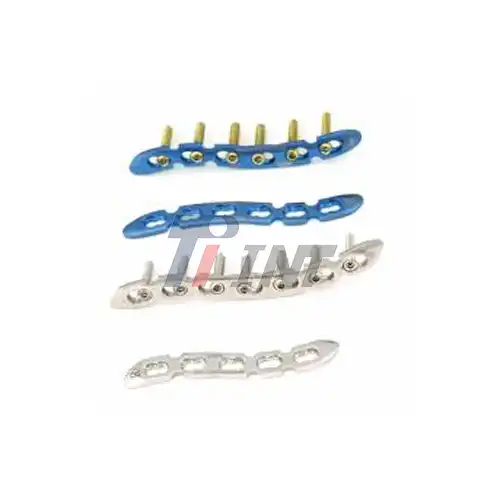
The field of neurosurgery is constantly evolving, and so too are the designs of titanium plates used in brain operations. Manufacturers are now producing a wide range of specialized titanium implants to address specific surgical needs. Some innovative designs include:
- Mesh plates: Offer greater flexibility and conform easily to complex skull contours
- Low-profile plates: Minimize the risk of implant palpability or visibility under the skin
- Self-tapping screws: Simplify the fixation process and reduce surgery time
- Bioabsorbable components: Combine the strength of titanium with materials that gradually dissolve over time
Surface Treatments: Enhancing Performance
The surface of titanium plate for brain surgery plays a crucial role in their performance within the body. Manufacturers employ various surface treatments to enhance the plates' functionality:
- Micro-texturing: Improves osseointegration by providing a larger surface area for bone cells to adhere to
- Anodization: Creates a colored oxide layer that can aid in visibility during surgery and reduce light reflection
- Antimicrobial coatings: Help prevent post-operative infections by inhibiting bacterial growth on the implant surface
The Impact of Titanium Plates on Patient Outcomes
The adoption of titanium plates in brain surgery has had a profound impact on patient outcomes. Let's explore some of the ways these innovative implants have improved the lives of those undergoing brain operations.
Reduced Complication Rates
One of the most significant benefits of using titanium plates in brain surgery is the reduction in post-operative complications. The biocompatibility of titanium minimizes the risk of rejection or allergic reactions, while its strength and durability ensure long-term stability of the surgical repair. This translates to fewer instances of implant failure, infection, or need for revision surgeries.
Studies have shown that the use of titanium plates in cranioplasty procedures, for example, has led to lower rates of complications compared to other materials. This improvement in outcomes not only benefits patients directly but also reduces the overall burden on healthcare systems by minimizing the need for additional treatments or hospitalizations.
Faster Recovery and Improved Quality of Life
The precision engineering and customization capabilities of titanium plates contribute to faster recovery times for patients undergoing brain surgery. Custom-fit plates require less intraoperative adjustment, potentially reducing surgery duration and associated risks. The excellent fit also promotes better healing and can lead to improved cosmetic outcomes, which is particularly important in procedures that affect visible areas of the skull.
Patients who receive titanium plate for brain surgery often report higher satisfaction with their surgical outcomes. The lightweight nature of titanium means that patients are less likely to feel the presence of the implant, contributing to improved comfort and quality of life post-surgery. Additionally, the durability of titanium plates means that many patients can return to normal activities with confidence, knowing that their implant is designed to last for many years.
Enhanced Long-Term Monitoring and Care
The radiolucent properties of titanium plates have revolutionized post-operative care for brain surgery patients. The ability to perform clear, detailed imaging studies without interference from the implant allows for more accurate monitoring of healing progress and early detection of any potential issues.
This improved visibility enables healthcare providers to:
- Track the integration of the implant with surrounding tissue
- Monitor for any signs of infection or inflammation
- Assess the condition of the brain tissue near the surgical site
- Make informed decisions about follow-up treatments or interventions
Conclusion
The adoption of titanium plates in brain surgery represents a significant advancement in the field of neurosurgery. From their unparalleled biocompatibility and strength to their customization capabilities and positive impact on patient outcomes, titanium plates have proven to be an invaluable tool in the neurosurgeon's arsenal.
For those interested in learning more about titanium plate for brain surgery or other medical titanium products, Baoji INT Medical Titanium Co., Ltd. offers a wealth of expertise and high-quality solutions. With over 30 years of experience in the research, development, and production of titanium materials, INT is at the forefront of medical titanium technology. To explore their range of products or to discuss specific requirements, you can reach out to them at export@tiint.com.
References
1. Nekrysh, S. Y. (2020). Titanium in neurosurgery. Acta Neurochirurgica, 162(4), 777-782.
2. Zanotti, B., Zingaretti, N., Verlicchi, A., Robiony, M., Alfieri, A., & Parodi, P. C. (2016). Cranioplasty: Review of materials. Journal of Craniofacial Surgery, 27(8), 2061-2072.
3. Wychowański, P., Starzyńska, A., & Odrowąż-Sypniewska, G. (2021). Titanium as a material for cranial implants: A systematic review. Materials, 14(11), 2951.
4. Wang, J. C., Yu, W. D., Sandhu, H. S., Betts, F., Bhuta, S., & Delamarter, R. B. (1999). Metal debris from titanium spinal implants. Spine, 24(9), 899-903.
5. Elias, C. N., Lima, J. H. C., Valiev, R., & Meyers, M. A. (2008). Biomedical applications of titanium and its alloys. JOM, 60(3), 46-49.
_1753425743099.webp)
_1751957234428.webp)
_1751956503238.webp)
_1749447504716.webp)