
What is a titanium plate after craniotomy?


 2025-12-26 08:39:28
When it comes to brain surgery, restorative experts frequently depend on progressed materials to guarantee the best conceivable results for patients. One such material that has revolutionized neurosurgery is the titanium plate. In this comprehensive guide, we'll explore the world of titanium plate for brain surgery, their importance, and how they contribute to successful craniotomies.
|
|
|
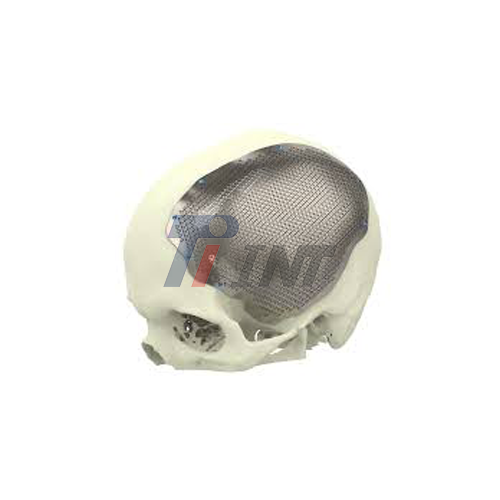

Comprehending Craniotomy and the Role of Titanium Plates
A craniotomy is a surgical method that includes expelling a parcel of the cranium to get to the brain. This method is fundamental for different reasons, counting tumor evacuation, treating brain wounds, or overseeing other neurological conditions. Once the surgery is total, the cranium needs to be closed safely to secure the brain and advance appropriate mending.
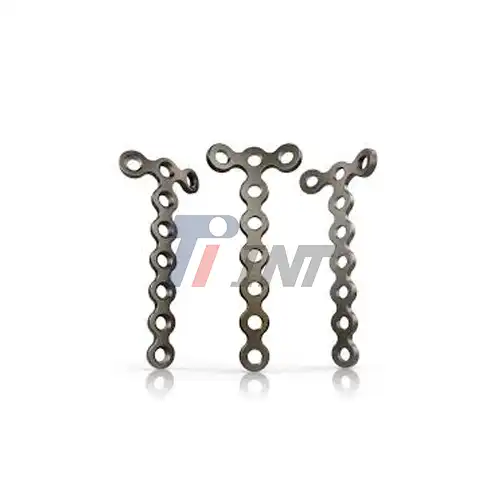
This is where titanium plates come into play. These plates are used to reattach the removed bone flap or to replace missing bone, ensuring the skull's integrity and protecting the underlying brain tissue. Titanium plate for brain surgery are uncommonly planned to be biocompatible, strong, and lightweight, making them a perfect choice for this basic application.
The Advantages of Using Titanium in Neurosurgery
Titanium has gotten to be the fabric of choice for numerous restorative applications, including brain surgery. Here are a few of the key focal points that make titanium plates prevalent for craniotomy strategies:
- Biocompatibility: Titanium is highly compatible with human tissue, reducing the risk of rejection or adverse reactions.
- Durability: Titanium plates are incredibly strong and resistant to corrosion, ensuring long-lasting protection for the brain.
- Lightweight: Despite their strength, titanium plates are lightweight, minimizing discomfort for patients.
- MRI compatibility: Titanium is non-magnetic, allowing patients to undergo MRI scans safely after surgery.
- Osseointegration: Titanium has the unique ability to integrate with bone tissue, promoting healing and stability.
The Titanium Plate Implantation Process
The process of implanting a titanium plate during a craniotomy is a precise and delicate procedure. Here's an overview of the steps involved:
1. Preoperative planning: Surgeons use advanced imaging techniques to determine the exact size and shape of the titanium plate needed.
2. Craniotomy: The surgeon removes a section of the skull to access the brain and perform the necessary procedure.
3. Brain surgery: The primary surgical intervention is carried out, such as tumor removal or aneurysm repair.
4. Plate preparation: The titanium plate is cut and shaped to fit the patient's skull perfectly.
5. Implantation: The plate is carefully positioned and secured to the skull using small titanium screws.
6. Closure: The scalp is sutured back into place, covering the newly implanted titanium plate.
Innovations in Titanium Plate Technology
As medical technology advances, so does the design and manufacturing of titanium plate for brain surgery. Some recent innovations include:
- 3D-printed customized plates: Using 3D printing technology, surgeons can now create patient-specific titanium plates that perfectly match the contours of an individual's skull.
- Nano-surface treatments: Advanced surface treatments can enhance the osseointegration properties of titanium plates, promoting faster healing and better long-term outcomes.
- Bioactive coatings: Some titanium plates are now coated with bioactive materials that stimulate bone growth and improve integration with the surrounding tissue.
- Resorbable fixation systems: While not made of titanium, these innovative systems combine titanium screws with resorbable plates that gradually dissolve as the bone heals.
Post-Operative Care and Recovery
After a craniotomy with titanium plate implantation, proper post-operative care is crucial for a successful recovery. Patients can expect the following during their recovery period:
- Hospital stay: Typically, patients remain in the hospital for several days following surgery for close monitoring.
- Pain management: Medication is provided to manage pain and discomfort during the initial recovery phase.
- Wound care: The surgical site must be kept clean and dry to prevent infection.
- Activity restrictions: Patients are advised to limit physical activity and avoid strenuous exertion for several weeks.
- Follow-up appointments: Regular check-ups with the neurosurgeon are necessary to monitor healing and address any concerns.
Long-Term Outcomes and Considerations
Titanium plate for brain surgery have produced amazing long-term results, with numerous patients encountering no complications or issues related to the embed. Be that as it may, it's imperative to be mindful of potential long-term contemplations:
- Visibility: In some cases, the outline of the titanium plate may be slightly visible beneath the scalp, especially in patients with thinner hair or skin.
- Temperature sensitivity: Some patients report increased sensitivity to temperature changes in the area of the implant.
- Future surgeries: If additional brain surgeries are needed, the presence of a titanium plate may require special planning and techniques.
- Airport security: While titanium plates do not typically set off metal detectors, patients may wish to carry a medical card explaining their implant.
The Future of Titanium Plates in Neurosurgery
As research and technology continue to advance, the future of titanium plates for brain surgery looks promising. Some areas of ongoing development include:
- Smart implants: Researchers are exploring the possibility of integrating sensors into titanium plates to monitor brain pressure and other vital signs.
- Drug-eluting plates: Titanium plates that can slowly release medications to prevent infection or promote healing are under investigation.
- Improved imaging compatibility: While already MRI-compatible, efforts are being made to further reduce any potential imaging artifacts caused by titanium plates.
- Nano-engineered surfaces: Advanced surface treatments at the nanoscale may further enhance the biocompatibility and integration of titanium plates.
Conclusion
Titanium plates have become a crucial instrument in advanced neurosurgery, providing unparalleled security and support for patients experiencing craniotomy methods. Their one-of-a-kind combination of quality, biocompatibility, and flexibility makes them a perfect choice for guaranteeing effective results in brain surgery.
As innovation proceeds to progress, we can anticipate seeing indeed more inventive applications of titanium in the field of neurosurgery, assisting in moving forward persistent care and results. For those interested in learning more about medical titanium products, including titanium plate for brain surgery, please don't hesitate to contact us at export@tiint.com. Our team of experts is always ready to provide information and assistance on the latest advancements in medical titanium technology.
References
1. Kaveh, A., Ibrahim, R., Bakar, M. Z. A., & Ibrahim, T. A. (2019). Bone grafting and bone graft substitutes. Journal of Animal and Veterinary Advances, 18(12), 410-422.
2. Witte, F., Hort, N., Vogt, C., Cohen, S., Kainer, K. U., Willumeit, R., & Feyerabend, F. (2008). Degradable biomaterials based on magnesium corrosion. Current opinion in solid state and materials science, 12(5-6), 63-72.
3. Patel, N. R., & Gohil, P. P. (2012). A review on biomaterials: scope, applications & human anatomy significance. International Journal of Emerging Technology and Advanced Engineering, 2(4), 91-101.
4. Elias, C. N., Lima, J. H. C., Valiev, R., & Meyers, M. A. (2008). Biomedical applications of titanium and its alloys. Jom, 60(3), 46-49.
5. Wang, X., Xu, S., Zhou, S., Xu, W., Leary, M., Choong, P., ... & Xie, Y. M. (2016). Topological design and additive manufacturing of porous metals for bone scaffolds and orthopaedic implants: A review. Biomaterials, 83, 127-141.

_1753426579714.webp)
_1751956503238.webp)
_1750664314563.webp)
_1750663525879.webp)