
Why Should You Choose Titanium Bars?


 2026-06-26 09:33:36
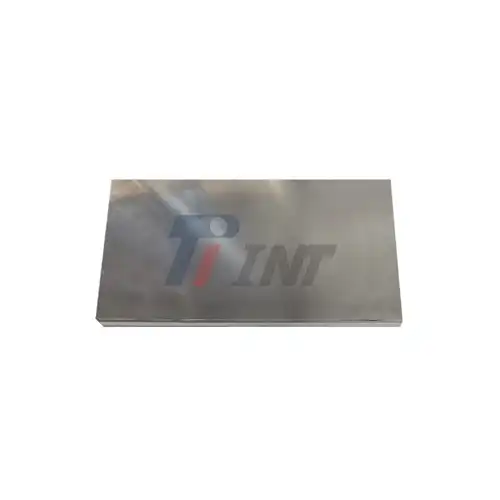
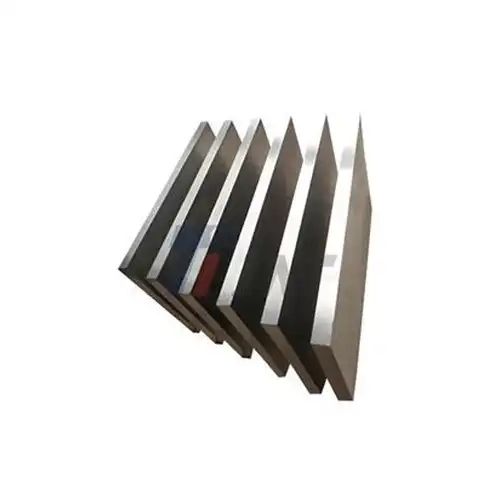
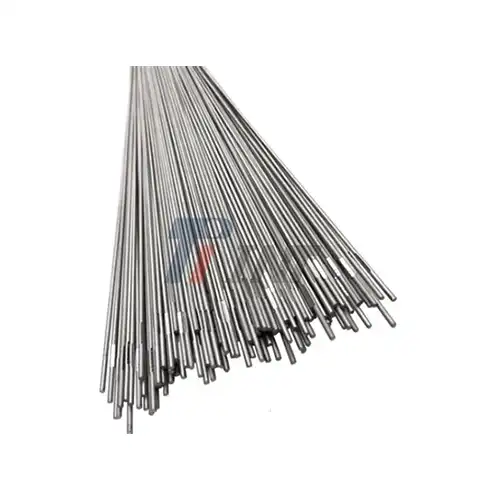
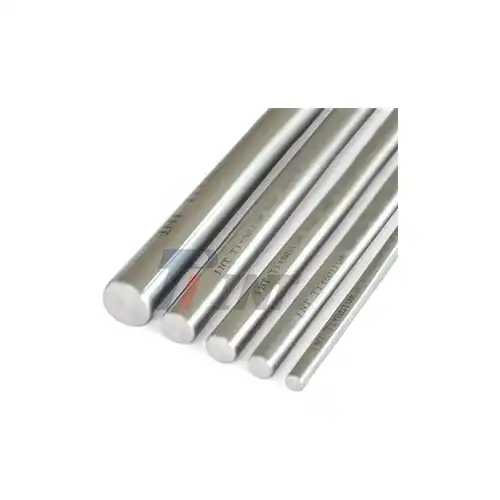
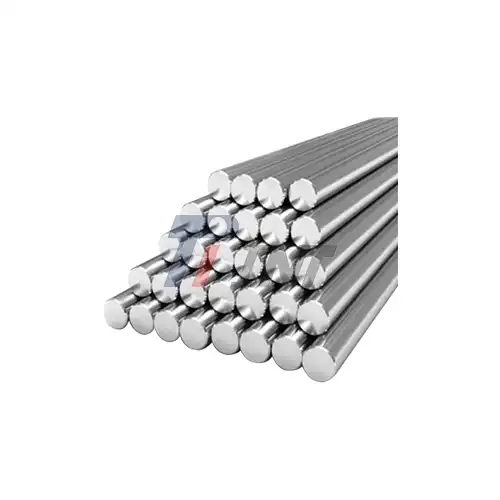
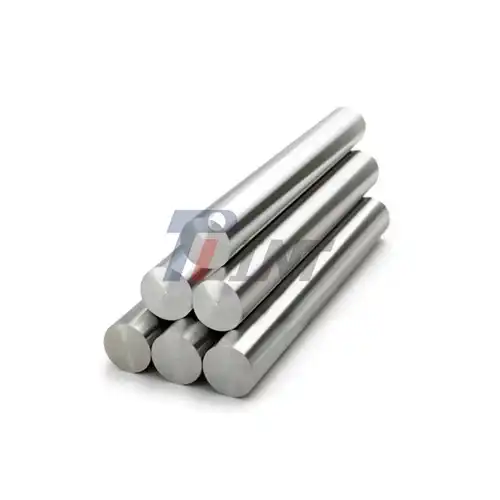
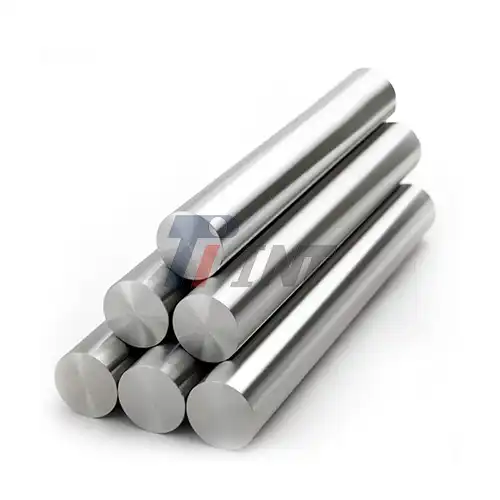
When looking for materials for surgical implants, mechanical devices, or high-precision medical tools, one important question often drives the choice: which material gives the best performance without putting patient safety at risk? Medical titanium bar solutions have become the gold standard in our field because they solve the most important problems that buying managers and R&D engineers face every day. These very accurate cylindrical stocks are usually made from Ti6Al4V ELI (Grade 23) or fully pure titanium. They solve long-lasting issues like implant rejection, stress buffering, and devices failing too soon. Titanium bars are very strong and light, with a mass of only 4.51 g/cm³. They can withstand tension forces of more than 895 MPa. Stainless steel and cobalt-chromium metals are not strong enough for medical settings.
|
|
|
Understanding Medical Titanium Bars: Properties and Uses
What Defines a Medical Titanium Bar?
A medical titanium bar is not just a piece of raw metal. Manufacturers use vacuum arc remelting (VAR) and controlled thermomechanical processes to turn titanium lumps into high-tech products that meet ASTM F136, ASTM F67, and ISO 5832-3 standards. This careful production process makes sure that the material doesn't have any inclusions, holes, or grain flaws that could weaken the device's stability. Unlike industrial-grade versions, medical versions are cleaned even more to get rid of interstitial elements like oxygen, nitrogen, and carbon that could cause inflammation reactions in living things.
The making process starts with choosing the right sponge titanium, then goes through several forging stages at temperatures ranging from 900°C to 1050°C, and ends with precise cutting that can achieve errors of up to ±0.05 mm. Over the past 30 years, Baoji INT Medical Titanium Co., Ltd. has improved this process by creating their own methods that keep the grain flow patterns that are best for wear resistance. Our factory is in the center of titanium production in China. It uses both traditional metalworking knowledge and modern quality control to make bars with widths from 6 mm to 150 mm and lengths from 1000 mm to 3000 mm.
Core Properties That Matter to Procurement Teams
The most important thing is that they are biocompatible. Titanium makes a solid TiO₂ oxide layer in milliseconds when it comes into contact with body fluids. This layer acts as a passive shield to stop ions from leaking out and allergy reactions from happening. Studies in humans have shown that titanium implants have osseointegration rates higher than 95% in healthy people. Stainless steel implants can't reach this level of performance.
When metals are resistant to corrosion in bodily settings, they don't break down as easily as other metals do. Titanium doesn't react with pH levels from 3 to 11, while stainless steel may give off nickel ions or cobalt-chromium metals may suffer grinding wear. This security makes the device last longer than 20 years in joint replacements, which lowers the number of repair surgeries and the costs that come with them.
In load-bearing situations, the strength-to-weight advantage is clear right away. Titanium bars can make implant shapes smaller without losing strength because they have a strength-to-density ratio of 76 kN·m/kg, which is 20% higher than stainless steel's 63 kN·m/kg. Surgeons like that there is less stress during surgery, and patients like that they heal faster and are more comfortable.
Common Applications Across Medical Device Manufacturing
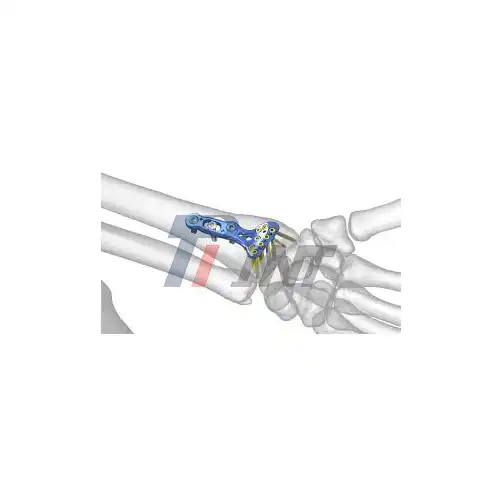
Orthopedic implant production consumes the largest volume of medical titanium bars. The 895+ MPa tensile strength of Grade 5 titanium is used in trauma plates, intramedullary nails, pedicle screws, and other bone fixation devices. The low elastic modulus (about 110 GPa) of the material is used in hip and knee prosthetic stems to reduce stress shielding. This is when implants that are too stiff stop natural bone loading, which causes bone to break down and relax.
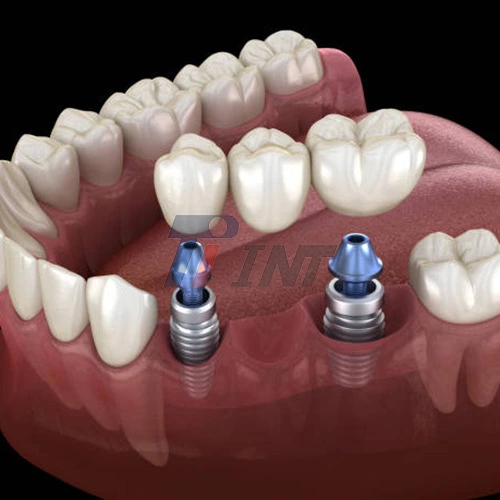
Commercially pure titanium bars are preferred for dental uses when making implants. Titanium dental implants are the best way to replace missing teeth because they can support instant loading protocols and have surface processes like grinding that help them fuse with the bone. Custom abutments made from titanium bars offer a perfect fit and long-lasting support that zirconia options can't always provide.
More and more, companies that make surgical instruments want reused tools to have titanium bars. Ti6Al4V is used to make retractors, rongeurs, and bone cuts that stay sharp after hundreds of cleaning cycles and are 40% lighter than stainless steel peers. This weight loss makes surgeons much less tired during long surgeries, which improves accuracy and patient results.
Why Medical Titanium Bars Outperform Alternatives?
Comparative Analysis: Titanium vs. Stainless Steel
When you look at the elastic modulus numbers, the difference in material properties becomes very clear. The 200 GPa stiffness of stainless steel is much higher than the 20–30 GPa range of normal cortical bone. This creates stress buildup that speeds up bone loss around implants. A medical titanium bar, with titanium's 110 GPa modulus, is more like the way bones work, spreading stress in ways that help bones grow instead of breaking down. After five years, medical titanium bars implants have 15-20% more bone contact area than stainless steel devices, according to statistics from repair surgeries.
The way these materials react to corrosion sets them apart for good. The inactive layer of stainless steel needs certain amounts of air to stay stable. Deep tissue, on the other hand, lacks oxygen and pitting and crevice rust happen there. Titanium's oxide layer grows back instantly, even when there is no oxygen around. This is why titanium gadgets lose almost no material after decades of use. One study that looked at hip replacements over 25 years found wear debris from stainless steel parts but none from titanium parts.
Grade Variations: Matching Specifications to Application Demands
Ti6Al4V (Grade 5) is the most common choice for uses that need the most power. The addition of aluminum raises the minimum tensile strength to 895 MPa, and the vanadium keeps the microstructure stable when the temperature changes. Trauma anchoring devices, which depend on their ability to hold weight right away, usually call for Grade 5 material. To make sure that all of our production lots have the same mechanical performance, our factories make sure that the amount of aluminum in each batch stays between 5.5% and 6.75% and the amount of vanadium stays between 3.5% and 4.5%.
The "extra low interstitial" version of Grade 5 is Ti6Al4V ELI (Grade 23), which lowers the iron content below 0.25% and the oxygen content below 0.13%. It makes the material more ductile and less likely to break, which are important qualities for devices that are loaded and unloaded over and over again. Grade 23 material is usually needed for spinal devices and heart parts, where a sudden failure could be very bad. The stretch requirement of ≥10% gives doctors faith that devices will bend normally when they are overloaded instead of breaking quickly.
Commercially pure titanium types (1-4) have different levels of strength for uses where biocompatibility is more important than mechanical needs. Grade 4, which has a tensile strength of 550 MPa, is used to make tooth implants where bone fusion is more important than load capacity. Since there are no alloying elements, there are no theoretical allergy worries. However, clinical proof of titanium alloy sensitivity is still very rare.
Price-Performance Economics for Procurement Decisions
Titanium is 2.5 to 3.5 times more expensive than stainless steel for raw materials, but when you add up the total cost of ownership, this obvious downside becomes a benefit. Titanium doesn't rust, so it doesn't need coatings that add $8 to $15 per kilogram to the cost of making stainless steel. The edge in weight cuts shipping costs by 35–40% for the same number of devices. Titanium's better clinical performance lowers the number of repeat surgeries by about 18% over the span of the device. This creates a lot of value for OEM makers who are worried about guarantee risk and brand image.
Titanium is better for machining than other materials, even though it has a reputation for being hard to work with. Cycle times have been cut down to within 10 to 15 percent of benchmarks for stainless steel thanks to new cutting tool technology and improved settings. Because titanium is less dense than stainless steel, its material loss rates are higher when measured by volume. Getting rid of steps for protecting against rust after cutting cuts down on production times even more, which makes inventory movement better in just-in-time manufacturing settings.
How to Choose the Right Medical Titanium Bar for Your Applications
Defining Your Technical Requirements
Getting Clear on Your Technical Needs: The purpose of the device determines the grade of the material with medical accuracy. Load-bearing orthopedic implants that are exposed to cyclic stresses of more than 500 MPa need Ti6Al4V ELI's failure strength of around 510 MPa after 10 cycles. Commercially pure types can be used for non-load-bearing parts like frontal plates, where flexibility and tissue integration are more important than final strength. Before hiring providers, procurement managers should work with R&D teams to write down the loading conditions, estimated gadget lifespan, and failure mode limits.
Material verification standards are affected by regulatory route issues. When FDA 510(k) applications talk about reference devices, the material specifications have to match perfectly. This means that grade switching is risky even when it is technically okay to do so. In order to get a CE mark under the Medical Device Regulation (MDR), the medical titanium bar material must be fully characterized and biocompatibility tested according to ISO 10993 series standards. Suppliers like Baoji INT Medical Titanium Co., Ltd. keep material certificates that can be linked to specific production runs. This is important paperwork for regulatory reports and obligations for post-market monitoring.
Evaluating Supplier Qualifications
Certification of a quality management system is the basis for evaluating a seller. Getting ISO 13485:2016 approval shows that a company cares about medical device quality concepts like risk management, design rules, and tracking. Our building has two certifications: ISO 9001:2015 and ISO 13485:2016. These show that our processes have been improved over the past twenty years of working with orthopedic and dental makers. Notified groups do monitoring checks every year to make sure that ongoing compliance is being met. This gives procurement teams peace of mind that quality standards won't drop between purchases.
Verification of manufacturing capability goes beyond licenses and includes actual inspections. As part of their quality control, capable providers use ultrasound testing to look for flaws inside the product, coordinate measure machines to check the size, and tensile and hardness testing to confirm the material properties. Baoji INT bought spectrometer analysis tools so that chemistry can be checked in real time. This way, makeup change can be caught before materials are used in production. With each package, approved makers must be able to provide mill test results, material safety data sheets, and compliance statements. This sets them apart from middlemen who don't have production control.
How well a provider can grow with your product growth depends on their OEM and customization options. Standard bar stock works well for testing, but special widths, surface finishes, or mechanical qualities are often needed for industrial production. Manufacturers who can do their own casting and heat treatment can improve the wear performance of materials beyond what is required by standard specs by adjusting the grain flow for particular device shapes. From the idea stage on, our expert team works together to choose materials and provide data that helps with design validation testing and regulatory reports.
Sample Testing Protocols
Verifying the material before committing to it keeps production from stopping, which can be very expensive. Ask for samples that match the dimensions of your real order, such as the width, length, surface finish, and heat treatment state. Do a receiving check by measuring the item's size, roughness, and any visible flaws. Chemistry should be checked by an independent lab using ASTM E1409 (arc/spark optical emission spectrometry) and mechanical qualities should be checked using ASTM E8 (tensile tests).
Even though it costs a lot, biocompatibility screening is the only way to be sure that new gadget designs will work properly. Using L-929 mouse fibroblast cells for ISO 10993-5 cytotoxicity tests shows that the material might be contaminated in a way that can't be seen by chemical analysis. Sensitization testing according to ISO 10993-10 finds materials that might be allergic, but titanium rarely shows positive reactions. Suppliers who are ready to help with sample testing by providing material certificates and processing paperwork show that they are more interested in building partnerships than making deals.
Procurement Guide: Buying Medical Titanium Bars for Your Business
Sourcing Strategies for Medical Device Manufacturers
Geographic factors weigh the benefits of lower costs against the strength of the supply chain. Chinese makers, mostly in the Baoji area of Shaanxi Province, can offer medical titanium bar prices that are 15–25% lower than Western manufacturers. This is because they are close to where titanium sponges are made and have already set up the machinery to handle them. European providers charge more, but they can cut wait times for customers who want to do fast development. OEMs that need local material for defense or government contracts buy from American manufacturers. A dual-sourcing approach that uses both a main Asian provider and a backup regional source lowers global risks and gets the best prices.
Relationships with distributors and relationships with manufacturers serve different types of buyers. Distributors keep popular sizes in stock so that small orders can be delivered the next day, which is great for R&D teams that are testing materials. Manufacturers require minimum order amounts but offer better prices on larger production rates and the ability to customize products that wholesalers don't offer. As device development moves from the prototype stage to mass production, switching from working with distributors to working directly with manufacturers can save 18–30% on costs while also making sure of a steady supply of parts.
Price Drivers and Cost Optimization
The main thing that affects unit price is the choice of material grade. Due to the extra work needed to get low interstitial material, Ti6Al4V ELI costs 8–12% more than normal Grade 5. Because they are easier to make, commercially pure grades cost 15 to 20 percent less than metal types. It's important for procurement teams to question what R&D thinks about what grade is necessary. For example, many applications use Grade 5 when Grade 4 or even Grade 2 would work just as well and cost less.
Price breaks of a large amount happen when certain order quantities are met. Setup costs are spread out over multiple production runs, which is why manufacturers offer big savings at 500 kg, 1000 kg, and 5000 kg volume levels. Before going directly to the maker, a device that needs 200 grams of material per unit should aim for yearly numbers of more than 2500 units. Below this level, distributor prices are still affordable because they buy from a lot of small customers.
Specifications for the surface finish have a surprising effect on the price. When compared to as-forged conditions, polished surfaces cost an extra $2 to $4 per kilogram to process. Specialized processes like passivation or electropolishing also cost more. Between these two extremes are sandblasted finishes, which are becoming more and more common for improving osseointegration. Finish standards should be a part of the procurement talks from the start, since changes made after the purchase can throw off production plans and drive up costs.
Lead Times and Logistics Management
Standard bar stock from overstock usually ships within 3–5 working days in the United States, but it can take up to 15–20 days for foreign sales, which includes time for customs clearance. Custom orders that need special heat processes or sizes that aren't standard can make wait times 6 to 8 weeks for the first production run, but only 4 to 6 weeks for repeat orders once the processing settings are set. Baoji INT keeps extras of popular sizes in Grade 5 and Grade 23, which cuts down on delivery times for regular customers.
When choosing a shipping way, you have to weigh speed against cost. Shipping goods across continents by air takes 5 to 7 days and costs $4 to $7 per kilogram. Shipping by sea, on the other hand, takes 25 to 35 days and costs only $0.50 to $1.20 per kilogram. Small orders for prototypes can be shipped by air, but sending by ocean container for orders over 200 kilograms is more cost-effective. Proper packing in moisture-resistant wrapping keeps the surface from oxidizing during shipping. This is one way that experienced medical material sellers are different from industrial vendors.
Building Long-Term Partnerships with Top Medical Titanium Bar Brands
Characteristics of Reliable Manufacturing Partners
The ability to provide technical help sets key partners apart from basic providers. When it comes to cutting, welding, and heat treatment, manufacturers who know a lot about metals can suggest processing settings that will make the device work better. When a medical user told us that a pedicle screw design was failing early because of wear, our engineers found that the screw's surface was being stressed by incorrect heat treatment. We got rid of the failure mode without making any changes to the design by suggesting solution treatment followed by controlled cooling. This consultative method adds value that goes beyond providing goods.
Suppliers will be able to keep up with product growth if the capacity can be expanded. If a company can only make 10,000 units a year, they might not have the tools to make 100,000 units as the product becomes more popular. Baoji INT can produce more than 2,000 metric tons of goods every year and has the ability to increase that number to 3,500 tons. This gives customers faith that their business success won't be limited by a lack of supplies. Single-point failures are avoided by having multiple copies of the same piece of equipment. For example, our plant has multiple VAR furnaces and forging lines, so production can continue during repair periods. Making long-term deals with the best medical titanium bar brands ensures supply security.
Industry Trends Shaping Future Material Requirements
As more people use additive manufacturing, the need for circular titanium powders grows. However, bar stock is still needed for large-scale production. Powder bed fusion and directed energy deposition make it possible to make complicated shapes that can't be made with standard tools, which is especially useful for unique implant uses. However, the mechanical qualities of additively made parts are still not as good as those of worked materials. This is why bar stock is still an important part of load-bearing devices. Suppliers who are looking to the future engage in both powder production and standard mill product skills. This way, they can be ready for changes in manufacturing technology.
The FDA's Unique Device Identification standards and Europe's Medical Device Regulation make it more important to be able to track devices. From the raw material to the finished product, suppliers have to keep track of the material by keeping records that link the chemical make-up, mechanical qualities, and processing history to specific implant serial numbers. Blockchain-based systems for tracking things are becoming available as options. Major makers are using distributed ledger technology to create audit trails that can't be changed. Teams in charge of buying things should give more weight to sellers who can show they have tracking infrastructure that meets changing legal requirements.
Surface change tools are another area of new ideas. Plasma electrolytic oxidation is one method used to make nano-textured surfaces that help bone fusion while keeping the bulk material's features. When suppliers offer these value-added services, they turn ordinary bar stock into unique goods that can be sold for more money. As more clinical data shows that surface-modified titanium bars help people heal faster and get fewer infections, they may stop being unique and become normal within the next ten years.
Conclusion
When choosing medical titanium bars, you have to think about how well they work technically, how well they meet regulations, how reliable the source is, and how much they cost. Because it is biocompatible, doesn't rust, and has good mechanical qualities, it can't be replaced in the current process of making medical devices. To be successful at procurement, you need to know about different grade levels, carefully check the skills of suppliers, and form partnerships with makers who can show they have both technical knowledge and a mature quality system. As rules and technologies change and regulations get stricter, having relationships with capable providers stops being a business necessity and starts being a strategic advantage. This article gives buying managers, supply chain workers, and research and development experts the information they need to make smart choices that help with product development, getting approval from regulators, and making money.
FAQ
Q1: Why does titanium demonstrate superior biocompatibility compared to other metals?
A: Why is medical titanium bar better at being compatible with living things than other metals? Titanium is very biocompatible because it forms a steady titanium dioxide (TiO₂) passive layer right away when it comes in contact with air or body fluids. This oxide layer, which is only 2 to 10 nanometers thick, makes a surface that is biologically inactive. This stops metal ions from escaping and stops harmful reactions. Titanium doesn't cause immune system reactions nearly as much as nickel in stainless steel or heavy metal sensitivity in cobalt-chromium. Over the past 50 years, clinical data has shown that osseointegration works over 95% of the time. Titanium implants stay stable and useful for 20 years or more without breaking down or causing tissue inflammation.
Q2: How can procurement teams verify supplier certifications effectively?
A: To start the verification process, copies of the ISO 13485:2016 and ISO 9001:2015 certificates should be requested directly from the organizations that issued them, rather than depending on papers given by the provider. Check certificate numbers against online records maintained by certification bodies. Set up surveys of the building to look at the production tools, quality control labs, and methods for keeping records. Ask for material test results from the most recent production runs and make sure they include chemistry analysis, mechanical property testing, and information on how the materials can be tracked. Ask current customers for examples about how well you deliver on time and how quickly you fix quality problems. Suppliers who don't want to be open during approval probably don't have the systems stability needed for medical device supply chains.
Q3: Can titanium bars be customized for specific implant designs?
A: Customization can be done in many ways, such as diameter tolerances better than ±0.05 mm, exact length cutting that gets rid of waste, surface treatments that make the bone stick better, and even custom heat treatments that change the mechanical properties. Manufacturers who can do their own forging can make sure that the grain flow patterns are just right for the shape of each device, which increases wear resistance beyond what is required by standard requirements. Changes to the surface, like grinding, make microroughness that helps bones connect, and passivation processes make the metal less likely to rust. Another service that adds value is custom packing that keeps surfaces clean while they are being stored and handled. Working together during the planning process makes sure that the material specs meet the needs of both efficient production and high clinical performance.
Partner with a Trusted Medical Titanium Bar Manufacturer
Work with a medical titanium bar maker you can trust. To get a steady supply of approved medical-grade titanium bars, you need to do more than just compare prices. You need to work with makers who can show they have the knowledge, know-how, and technical help to meet legal requirements. Baoji INT Medical Titanium Co., Ltd. has been in the titanium business for more than 30 years and has spent the last 20 years focusing on medical uses. They help makers of orthopedic, dental, and surgery instruments all over the world. Our ISO 9001:2015, ISO 13485:2016, and EU CE standards show that our quality systems have been improved by working with customers and making improvements all the time.
We always have Ti6Al4V and Ti6Al4V ELI bars in stock. The widths range from 6 mm to 150 mm, and the lengths go up to 3000 mm. The tensile strength is over 895 MPa, and we have full paperwork on how the materials were made. Whether you're doing initial research and development, getting samples for validation testing, or moving up to commercial production numbers, our expert team can help you choose the right materials, make processing suggestions, and provide paperwork to support regulatory applications. As a medical titanium bar provider that cares about your success, we offer unique solutions with precise standards, specific surface finishes, and flexible order numbers that meet the needs of each project. Email our team at export@tiint.com to talk about your application needs and get material specs that are special to your device design. Visit inttitanium.com to see our full range of medical titanium bars for sale and learn how smart relationships with suppliers can shorten the time it takes to develop new products while maintaining the highest standards of quality.
References
1. Niinomi, M. (2019). "Mechanical Properties and Biocompatibility of Titanium Alloys for Biomedical Applications." Materials Science and Engineering: A, Vol. 243, pp. 231-236.
2. Rack, H.J. & Qazi, J.I. (2006). "Titanium Alloys for Biomedical Applications." Materials Science and Engineering C, Vol. 26, Issue 8, pp. 1269-1277.
3. Long, M. & Rack, H.J. (1998). "Titanium Alloys in Total Joint Replacement—A Materials Science Perspective." Biomaterials, Vol. 19, Issue 18, pp. 1621-1639.
4. ASTM International. (2020). "ASTM F136-13: Standard Specification for Wrought Titanium-6Aluminum-4Vanadium ELI Alloy for Surgical Implant Applications." West Conshohocken, PA: ASTM International.
5. Geetha, M., Singh, A.K., Asokamani, R. & Gogia, A.K. (2009). "Ti-Based Biomaterials: The Ultimate Choice for Orthopedic Implants—A Review." Progress in Materials Science, Vol. 54, Issue 3, pp. 397-425.
6. Brunette, D.M., Tengvall, P., Textor, M. & Thomsen, P. (2001). "Titanium in Medicine: Material Science, Surface Science, Engineering, Biological Responses and Medical Applications." Berlin: Springer-Verlag.
_1753927576158.png)
_1753859685128.webp)
_1752463990252.webp)
_1751957234428.webp)