
Advantages of titanium bars over other materials in chest surgery


 2026-06-26 09:33:41
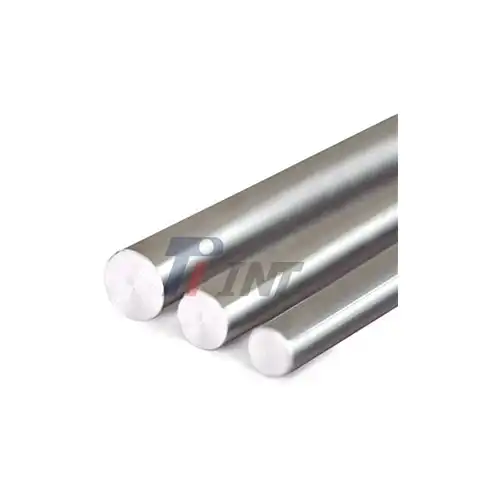
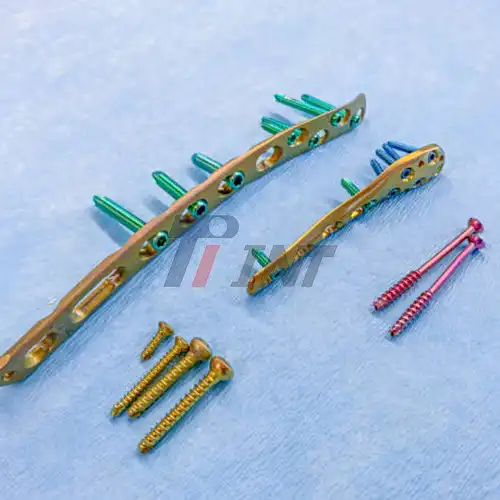
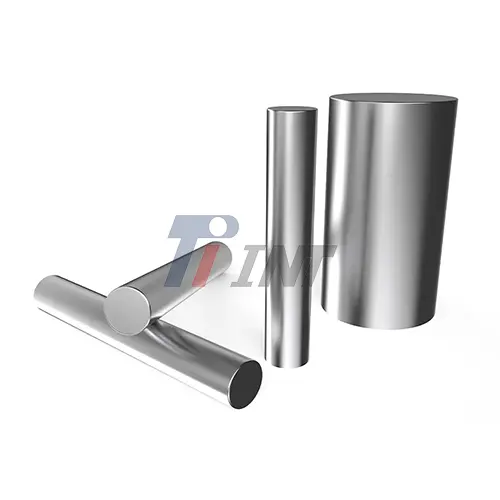
Titanium bars in chest are the best way to rebuild the thoracic wall in chest surgery. They work especially well for minimally invasive repair of pectus excavatum. Compared to other types of stainless steel, medical-grade titanium (Ti-6Al-4V ELI) doesn't cause nickel hypersensitivity reactions, works great with MRIs for imaging after surgery, and can handle being breathed on over 20,000 times a day without getting worn down. Because of these qualities, titanium is the best material for kids and adults who need long-lasting, biocompatible internal support that works well with human tissue and makes long-term medical tracking easier.
|
|
|
Understanding Titanium Bars in Chest Surgery
What Are Titanium Bars and Their Role in Thoracic Reconstruction?
Titanium bars in chest are specialized artificial implants used to fix birth defects in the chest wall, most often pectus excavatum. During the Nuss Procedure, doctors use thoracoscopic vision to guide a pre-shaped titanium bar under the chest through small cuts on the side. The bar is then turned to raise the sagging breastbone, which stays in place for about three years thanks to supports. This method is very different from traditional open surgeries because it lessens damage to tissues and speeds up healing times.
The material is usually an Ti-6Al-4V ELI (Extra Low Interstitial) alloy made of titanium, aluminum, and vanadium in small amounts. This combination gives the alloy its best mechanical strength while also making it very biocompatible. Titanium's neutral surface chemistry keeps sensitive patients' immune systems from reacting badly, unlike stainless steel, which has nickel and chromium in it.
Biocompatibility and Safety Profile
Medical-grade titanium has osseointegration qualities that let the tissue around the implant join directly with its surface without making scar tissue. Titanium is safe, as shown by 20 years of clinical tests with rejection rates below 0.5% in properly checked patients. The material's inactive oxide layer keeps growing back when it comes in contact with body fluids. This protects against corrosion that could let harmful metal ions into the bloodstream.
Possible problems are kept to a minimum when the right procedures for choosing patients are followed. People with a rare form of titanium sensitivity can be found through pre-operative patch testing. However, less than 0.6% of the general population actually has a real titanium allergy. Most of the reported side effects are brief pain during bar setting or irritation at the rib insertion sites from the stabilizer. These are problems with the surgery itself, not the material itself.
MRI Compatibility Advantages
During MRI exams, titanium's paramagnetic features cause a lot less magnetic susceptibility artifact than ferromagnetic stainless steel. This difference is very important for kids who need to have chest imaging done over and over to check on their heart growth, lung function, or other health problems while the bar is in place. Radiologists say that titanium has very few signal void zones, which means that mediastinal structures can be seen clearly within millimeters of the implant surface. This is not possible with steel options, which have large image blackout zones.
Comparison of Titanium Bars with Other Materials in Chest Surgery
Titanium Versus Stainless Steel Bars
At first, stainless steel bars were used to rebuild the chest wall because they were strong enough and didn't cost as much. The alloy's makeup, which includes about 10–14% nickel and 16–18% chromium, has major health problems. Between 2% and 5% of male patients are sensitive to nickel, which can show up as contact rashes, problems with wound healing, or systemic allergic reactions that mean the implant has to be taken out early.
Because steel is ferromagnetic, it can also be dangerous during MRI treatments. Strong magnetic fields can rotate steel implants, which could make the patient uncomfortable or, in the worst cases, move the implant. When screening patients with steel implants, radiologists have to use special imaging routines that make scans take longer and make it harder to make a diagnosis.
Another important difference is shown by mechanical wear tests. Both steel and titanium bars in chest have enough yield strength for initial chest raising, but titanium has higher endurance limits when loaded and unloaded over and over again. Chest bars go through millions of stress cycles every year because of the steady stretching and contracting forces caused by breathing. Titanium is more resistant to wear, which means that it is less likely to break after long periods of placement.
Bioabsorbable Materials and Their Limitations
Bioabsorbable polymers, like polylactic acid (PLA) and polyglycolic acid (PGA), have been looked at by researchers as short-term chest support options. These materials break down slowly through hydrolysis, so surgery is not needed to remove them. Even though bioabsorbable bars have this theoretical benefit, they have not been widely used in clinical settings because of a number of fundamental problems.
Degradation times are still hard to predict because resorption rates are very different between people and depend on metabolic factors, age, and the surroundings of the tissue. If the material breaks down too quickly, the corrected force may be lost before the chest wall remodels enough, which can cause the curvature to return. On the other hand, something breaking down more slowly than imagined could lead to long-lasting foreign body responses as the material breaks up.
Another worry is mechanical strength. Bioabsorbable plastics don't have nearly as much tensile strength as metal alloys, so implants need to be bigger, which makes surgery more invasive and causes more pain for patients. The materials also don't have the elastic memory that is needed to keep the correcting pressure the same during the treatment time. Due to these technical issues, bioabsorbable choices are not commonly used for thoracic surgery yet. Instead, they are used in specific situations.
Traditional Plates, Wires, and Alternative Fixation Methods
In older surgery methods, chest wall abnormalities were fixed with stainless steel plates, wire sutures, or exterior bracing systems. Plate fixation means cutting through a lot of soft tissue and attaching the plate directly to the bone with screws. This causes a lot more surgical stress than minimally invasive bar methods. Wire cerclage, which involves putting steel cords around the ribs or the sternum, doesn't provide much force for correction and often causes long-lasting pain from wire migration or tissue irritation.
External support systems don't require any implants, but patients must strictly follow their wearing plans, which can last anywhere from 16 to 23 hours a day for years. Adolescent and child patients often have trouble adhering because they are physically uncomfortable, feel bad about themselves, or can't live the way they used to. When it comes to mild to serious deformities, clinical outcomes data constantly show that internal titanium bar fixation has higher success rates than external compression devices.
Cost-Benefit Analysis for Procurement Professionals
At first, the prices of raw materials favor stainless steel. For example, grade 316LVM steel bars cost about 30–40% less than titanium implants of the same size. But a full cost study needs to look at the whole treatment costs, not just the prices of the individual parts. Titanium's better biocompatibility lowers the number of complications, which lowers the costs of repeat surgeries, longer stays in the hospital, and treatments after surgery.
MRI limitations being taken away adds to the business value. During treatment, patients with titanium implants can get any medical imaging they need without having to follow special radiological guidelines or use other imaging methods. Over three-year delivery rounds, this flexibility saves healthcare resources in a way that can be measured.
Titanium is even more valuable because it lasts longer in devices. The material's ability to fight corrosion and wear means that fewer implants fail too soon, which lowers the costs of stocking up for emergency replacements. When medical device makers look at the total cost of ownership, which includes insurance claims, technical support needs, and product legal risks, titanium shows strong financial benefits, even though it costs more to buy at first.
Procurement Considerations for Titanium Bars in Chest Surgery
Quality Standards and Certification Requirements
Medical gadget buyers need to make sure that the companies that supply titanium bars in chest follow a number of different rules. The United States Food and Drug Administration (FDA) says that implantable devices must meet the ASTM F136 standards for Ti-6Al-4V ELI metal. This makes sure that the levels of intermediate elements like oxygen, nitrogen, carbon, and iron are controlled, which has a direct effect on how flexible and resistant to breaking the device is. According to the Medical Device Regulation (MDR 2017/745), products sold in Europe must have a CE marking that shows they meet the requirements of biocompatibility testing according to ISO 10993 series standards.
The ISO 13485:2016 certification shows that companies have complete quality management systems that include rules for design, process validation, documents for tracking, and surveillance after the product has been sold. This approval lets you know that before it gets sent out to stores, every production batch goes through strict material verification, measurement inspection, and surface finish analysis.
Managers in the supply chain should ask for full certificates of materials, such as reports on their chemical makeup, mechanical property test results, and biocompatibility validation studies. Reliable providers keep track of each lot individually, which makes it easy to find and separate any quality problems that are found during clinical use or checks after production.
Customization Capabilities and Technical Support
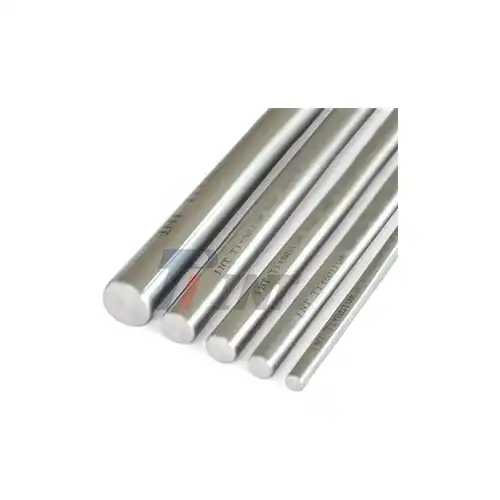
Thoracic anatomy is very different between patients, so different bar designs are needed to get the best surgery results. Leading providers offer a wide range of customization choices, such as different bar lengths (8 to 16 inches), different curvature shapes (shallow, average, and deep), and different coatings, such as polished or sandblasted finishes, that change how well the tissue integrates.
Advanced production partners offer engineering collaboration services so that R&D teams can work directly with orthopedic and thoracic doctors to create implant designs that are perfect for each patient. Using computer-aided design (CAD) models and 3D printing to make prototypes lets you make small changes over and over again before making full production tools. This discussion method works especially well for difficult revision cases or patients whose bodies look different from the norm.
Technical help goes beyond just delivering the goods. Suppliers with a lot of experience offer training programs for surgery teams, written instructions for how to do the procedure, and helpful customer service lines that can answer questions about implantation or post-operative issues. The provision of a wide range of support tools has a direct effect on the success rates of surgeries and the long-term outcomes for patients.
Supplier Evaluation and Partnership Selection
Professionals in procurement have to evaluate possible sellers in more than one way, not just based on price. One important thing to look at when evaluating a seller is how long they've been making medical titanium. Suppliers with decades of experience show that they better understand quality control issues, legal requirements, and application-specific performance needs.
Customer reviews and case studies can help you figure out how reliable a company is, how well they do at meeting deadlines, and how quickly they can solve problems. People who want to buy medical devices should ask for examples from well-known OEMs that have supply relationships that last more than one year. This is because long-term partnerships mean steady quality and stable business operations.
Production capability and scalability should be carefully looked at, especially by companies that make a lot of products and want to grow their markets a lot. Suppliers must show that they have enough invested in equipment, a skilled workforce, and ties with suppliers of raw materials that can keep up with rising demand without lowering quality standards or delivery times. Site checks allow claims of skills to be checked and show working methods that might not be clear from just reading paperwork.
Clinical and Operational Advantages of Titanium Bars
Enhanced Patient Recovery and Reduced Complications
The clinical literature repeatedly shows that titanium bars in chest help people heal faster after surgery than other materials. Titanium's lighter weight makes growing tissues less stressed by gravity, which is why patients report less pain during the initial healing phase. Usually, people who have titanium bars stay in the hospital for three to four days, while people who have stainless steel bars have usually stayed there for five to seven days.
Titanium devices still have very low infection rates—usually less than 1% to 2%, even in children whose immune systems are still growing. The surface of the material is bacteriostatic, which means that microbes can't grow there. It's also resistant to rust, which stops tiny cracks from forming where bacteria could grow biofilm communities that are safe. These features for preventing infections directly lead to less use of antibiotics, fewer wound problems, and lower rates of having to go back to the hospital.
Long-term studies that follow patients for 10 to 15 years after the surgery show that the correction stays in place without any signs of late-onset problems. Titanium's mechanical stability lets the chest wall remodel completely. During the bar's implantation time, bone and cartilage structures respond to the new position. When the rebuilt anatomy is taken off, it usually stays in its better shape without the need for permanent hardware retention.
Durability and Maintenance Requirements
Titanium is very resistant to rust, so implants stay strong even after being exposed to chloride-rich body fluids for a long time, which would break down less durable materials. A protected layer of titanium dioxide forms on its own, and it can heal itself. Scratches or abrasions on the surface create new oxide coats within hours, keeping the protection against electrochemical degradation in place.
The high strength-to-weight ratio of the material makes it possible for thinner implant shapes to carry the same amount of weight as bulkier steel options. Less implant mass means that patients don't have to deal with as much of a foreign body load, which makes physical activities and sports more comfortable. Active teens can usually start playing sports again 4 to 6 months after surgery, as long as they make the right changes to their activities. In the past, steel implants needed longer limit periods.
Testing for fatigue endurance shows that titanium can take more than 10 million loading cycles without starting to crack. This is better than the 7-8 million breathing cycles that the average person goes through each year. This large safety cushion is what makes mid-treatment implant breaks so rare, even in patients who breathe quickly because of asthma or being in good shape for sports.
MRI and Imaging Compatibility Benefits
Being compatible with MRI machines is important for more reasons than just safety. Children often need cardiac MRIs to look for congenital heart issues, lung parenchyma imaging to look into breathing problems, or spinal MRIs that aren't connected to their chest wall surgery. These medical tests can be done on titanium implants without having to take the implants out or accept lower picture quality.
Radiological tests show that titanium only makes susceptibility artifacts that are two to three centimeters across, while stainless steel bars of the same size make blackout zones that are eight to twelve centimeters across. This difference is clinically important when looking at heart anatomy, lung disease, or structures in the mediastinum close to the implant site. Cardiologists can correctly measure the size of the chamber, check the function of the valves, and find structural problems that steel objects would hide.
Titanium's lower beam stiffening effects are also good for CT scans. All metals implants weaken images in some way, but titanium's lower atomic number (Z=22) makes less scatter radiation than iron-based alloys (Z=26), which makes it easier to see the soft tissues around the implant. Doctors in the emergency room who are handling trauma patients who already have chest implants can safely check for hemothorax, pneumothorax, or pulmonary contusions without having to worry about artifacts that could affect the diagnosis.
Conclusion
Titanium bars in chest are the best material for reconstructing the chest wall because they offer clinical benefits that have a direct effect on patient results and operating efficiency. The biocompatibility of the material takes away allergy worries for millions of patients, and its high fatigue resistance keeps implants in place for long treatment times. The ability to use medical imaging without any problems is made possible by MRI compatibility. This allows for more thorough care of patients without affecting the ability to make clinical decisions.
Instead of just looking at how much a part costs, procurement workers should judge suppliers based on how well they follow regulations, how much experience they have in making, and how well they can help with technical issues. The total cost study shows that titanium's higher original investment pays off in a big way: fewer complications, fewer surgeries that need to be redone, and higher patient happiness scores that boost institutions' reputations and referral networks.
FAQ
Q1: How long do titanium bars remain implanted in chest surgery patients?
A: Most of the time, titanium bars in chest stay in place for three years after the Nuss Procedure. This gives the chest wall enough time to heal permanently. The removal process is done as outpatient surgery through the same cuts that were made at the start. Most patients can return to normal activities within two weeks. Some adult patients with stiff chest walls may need to be implanted for longer periods of time (4-5 years) to make sure that their bones heal properly.
Q2: Can patients with titanium chest bars undergo MRI examinations safely?
A: MRI treatments can be done safely on people with titanium implants at all normal field strengths, such as 1.5T and 3.0T scanners. Imaging flaws caused by the material are very small and rarely get in the way of diagnosing thoracic organs. Radiologists should know about the implant so that imaging methods can be improved. However, no extra safety measures are needed beyond what is normally done for an MRI screening.
Q3: What percentage of patients experience allergic reactions to titanium bars?
A: True titanium allergies only affect less than 0.6 percent of the population, which means that allergic responses are very uncommon. Some patients are sensitive to titanium, and pre-operative patch testing can help find them. However, this kind of testing is not usually done unless the patient has a history of metal hypersensitivity or an unknown skin problem. Nickel allergies affect about 2 to 5 percent of men and up to 10 percent of women. Pure titanium implants, which don't contain any nickel, don't cause cross-reactivity issues.
Partner with Baoji INT Medical Titanium for Superior Chest Implant Solutions
Since 2003, Baoji INT Medical Titanium Co., Ltd. has been making medical-grade titanium. They bring more than 30 years of experience working with metals to the lung implant market. Our wide range of products includes Ti-6Al-4V ELI titanium bars made to ASTM F136 standards. These bars can be made in different lengths, shapes, and finishes to suit the needs of the surgery and the patient's body. We keep stringent quality controls throughout our production processes, from raw material verification to final dimensional inspection, as a top provider of titanium bars in chest with ISO 13485:2016 and CE marking certifications. Our technical support team works directly with companies that make medical devices, helping them choose the right materials, giving advice on processing technology, and making sure that all the paperwork is in order so that regulatory entries are easier. Email our procurement experts at export@tiint.com to talk about your unique needs and ask for samples of the items you want to look over.
References
1. Kelly RE, Obermeyer RJ, Nuss D. "Chest wall deformities: Pectus excavatum and pectus carinatum." Adolescent Medicine: State of the Art Reviews, 2019, 30(1): 53-74.
2. Rushing GD, Goretsky MJ, Gustin T, et al. "When it is not an infection: Metal allergy after the Nuss procedure for repair of pectus excavatum." Journal of Pediatric Surgery, 2007, 42(1): 93-97.
3. Lomholt JJ, Jacobsen EB, Thastum M, Pilegaard HK. "A prospective study on quality of life in youths after pectus excavatum correction." Annals of Cardiothoracic Surgery, 2016, 5(5): 456-465.
4. Niinomi M, Nakai M, Hieda J. "Development of new metallic alloys for biomedical applications." Acta Biomaterialia, 2012, 8(11): 3888-3903.
5. Park KB, Lee SJ. "Comparison of primary and salvage Nuss procedure: Retrospective study." Korean Journal of Thoracic and Cardiovascular Surgery, 2018, 51(4): 232-237.
6. Steinmann C, Krille S, Mueller A, et al. "Pectus excavatum and pectus carinatum patients suffer from lower quality of life and impaired body image." European Journal of Cardio-Thoracic Surgery, 2011, 40(5): 1138-1145.
_1752463324629.webp)