
Why Titanium Milling Matters in Implant Dentistry


 2026-04-20 10:27:29
Precision titanium milling has changed implant dentistry by making it possible to make tooth prosthetics with unmatched precision and dependability. The milled titanium bar dental component is at the center of this change. It is a custom-designed substructure made with advanced CAD/CAM technology from medical-grade titanium metals such as Ti-6Al-4V. Milling creates a passive fit that is necessary for long-term implant stability, less bone stress, and fewer changes at the chairside compared to standard casting methods that add porosity and uneven dimensions. This technology solves important problems in procurement, like biocompatibility, structural stability, and regulatory compliance. Manufacturers who want better patient results and more efficient production must use it
|
|
|

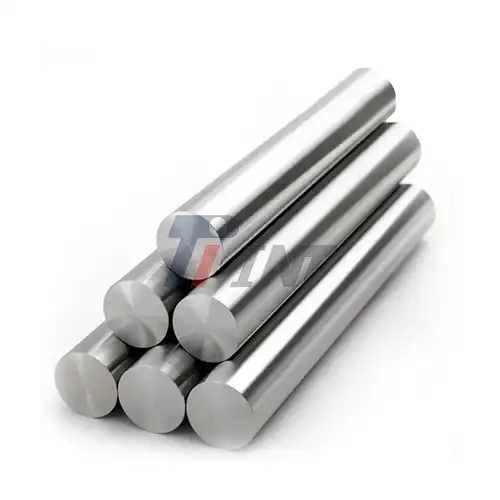
Understanding Milled Titanium Bars in Dentistry
What Are Milled Titanium Bars?
Precision-engineered milled titanium bar dental parts that have been carefully designed and manufactured form the basis of fixed hybrid dentures, screw-retained replacements, and All-on-X implant systems. By subtractively making these bars from solid blocks of titanium, the structural flaws that come with cast options are avoided. Digital scans and CAD drawing are the first steps in the process. Next comes multi-axis CNC machining, which cuts complex shapes with micron-level accuracy.
This method makes sure that the mass of the material is the same throughout the structure, which stops weak spots that could shorten the life of the implant.Medical-grade titanium alloys, especially Grade 5 (Ti-6Al-4V) and Grade 23 (Ti-6Al-4V ELI), are used most often in implants because they are very strong for their weight and are compatible with living tissue. Grade 23, which has extra-low interstitials, has better flexibility and can be used for complex body shapes. It is possible for these materials to survive forces greater than 500N while still not corroding in the mouth for decades.
Superior Material Properties
Titanium is biocompatible because it has a solid oxide layer that forms right away when it comes in contact with air or body fluids. This passive film stops ions from leaching, which lowers inflammatory reactions and helps osseointegration, which is the direct link between bone and implant surface. Titanium implants have 95–98% success rates over ten years, which is a much higher success rate than other options.The material is very resistant to rust in saliva conditions that are high in chloride, which is a problem that makes stainless steel parts break down too quickly.
Titanium's fatigue resistance makes sure that structures stay stable under repeated loads, which is very important for tooth bars that are chewed on millions of times every year. With a tensile strength of 830 to 900 MPa for Grade 5 metals, these bars are strong and long-lasting without being too heavy, which could make patients less comfortable or change how the bones are loaded.
Milling Versus Traditional Casting
There are some problems with traditional lost-wax casting. As the material cools, it loses about 1.5 to 2% of its original size, which makes the prosthesis bar and implant abutments not fit properly. This non-passive fit puts stress on the bone contact, which speeds up bone loss and removal of the screw. Casting also makes interior pores, which are tiny holes that weaken the material by up to 30% and become stress points.
Milling fixes these problems by cutting from titanium blanks that have already been made and whose qualities and certifications have been checked against ISO 13485:2016 standards. When precision tools are used to make a surface smooth (Ra values below 0.8 μm), it helps soft tissues integrate better and stops bacteria from sticking to it more than rougher cast surfaces. Dimensional accuracy of within ±20 microns guarantees passive fit across multiple implants, even when put at different angles, which is a common clinical situation that casting has a hard time dealing with.
The Milling Process: Why It Matters in Dental Implant Manufacturing
Step-by-Step Manufacturing Journey
A digitally integrated process is used to go from a raw titanium block to a finished milled titanium bar dental component. 3D models are made from clinical prints or intraoral scans that are then imported into dentistry CAD software. When engineers create the bar geometry, they take into account where the implants will go, where the overdentures will connect, and how the stress will be distributed. Before the cutting starts, this digital model is checked to make sure it doesn't block blood flow and is compatible with tissue.
The plan is carried out by five-axis CNC milling centers, which have cutting tools that spin at speeds of more than 20,000 RPM. Carbide or diamond-coated tools slowly remove material, and cooling systems keep titanium's nanoscale from getting damaged by heat. By moving more than one axis at the same time, undercutting and complex shapes can be made that would not be possible with three-axis tools or by hand. Real-time tracking systems find worn-out tools and change settings to keep tolerances the same throughout production runs.To improve the protecting oxide layer, post-machining steps include deburring, surface cleaning, and passivation.
A coordinate measuring machine (CMM) checks each part's dimensions against the original CAD file to make sure they are correct. Manufacturers who use ISO 9001:2015 quality systems keep records of every step of the production process. This makes it possible to fully trace the goods back to the source, which is important for following the rules and avoiding responsibility.
Benefits Over Casting Methods
Milling has benefits beyond accuracy, such as using materials more efficiently and being able to make more at once. When compared to casting's spruing systems and bad pours that need to be redone, subtractive production uses less raw material. The digital process lets multiple designs be made at the same time without having to retool, which cuts wait times from weeks to days. This responsiveness helps dentistry labs that have to deal with pressing cases or special requests.Another important benefit is that it is consistent.
The mechanical qualities of cast bars change from batch to batch because of changes in temperature, metal segregation, and the way the bars are worked. Every bar meets the required tensile strength, elongation, and hardness factors because it is made from milled parts that come from approved titanium blocks. This level of dependability lowers the number of failures that happen during professional service, which is good for both patients and the manufacturer's image.
As implant surgery grows, scalability becomes more and more important. Milling processes work well with digital dentistry systems because they can read files from different scanning systems and send data to software for quality control. Automation lets factories make a lot of items at once, but they can still be as precise as artisans when making complicated cases for a single unit.
Comparing Titanium Dental Bars: Making Informed Procurement Decisions
Titanium Versus Zirconia Bars
Instead of titanium, zirconia has become a popular choice for front replacements because it looks like real teeth and is clear. Zirconia is very weak, though, which limits its use in industrial applications. Its fracture hardness is only about 6–10 MPa√m, which is much lower than titanium's 44–66 MPa√m. This means it can break quickly when hit something. Zirconia bars need thicker cross-sections to be as strong as other types, which could make it harder for denture teeth to fit in.
Because titanium is flexible, shock loads are absorbed through elastic deformation instead of catastrophic fracture. This quality is very important for posterior implant bars that have to handle strong biting forces. Zirconia also doesn't have the long-term clinical track record that titanium does. Titanium's performance has been proven by decades of study, while zirconia's uses span shorter time periods with less complete result data.Titanium is better for making a lot of things because it is cheaper. Because zirconia is so hard, it needs special tools and equipment to mill. This makes the cost of making one unit 40–60% higher than with titanium. When cutting zirconia, tools wear out faster, so they need to be replaced more often, which costs money.
Milled Versus Cast Titanium Bars
When choosing between milled titanium bar dental and cast choices, procurement teams must weigh the original cost against the value over the product's lifetime. For simple shapes, cast bars cost about 30 to 50 percent less up front than made versions. But this supposed savings hides costs that aren't being seen. Because cast bars don't fit passively, they take longer to fix at the chairside and need to be remade in the lab or ground down extensively for clinical use. Each adjustment meeting uses up resources and slows down the case, which cancels out the original cost advantage.
Over five to ten years of work, cast bars are more likely to break because their structures aren't always consistent. Cast parts are more likely to loosen screws, break frameworks, and lose bone around implants, which can lead to warranty claims and repair costs. The reliable performance of rolled bars lowers these risks, which lowers the total cost of ownership even though they cost more to buy.The need for precision also sets these methods apart. Casting can't be used for complex cases like having multiple implants at extreme angles, hybrid designs with both fixed and changeable parts, or having very little room for a prosthesis. Milling often deals with these situations, which increases the number of cases that makers can accept and still make a profit.
Evaluating Supplier Credibility
When choosing titanium bar providers, you need to do a lot more research than just look at prices. Certifications are the basis: ISO 13485:2016 confirms quality management systems for medical devices; FDA registration (for U.S. markets) shows compliance with regulations; and CE marking confirms compliance with the European Medical Device Regulation. Suppliers should give material documents that show what the alloy is made of, the results of any engineering tests, and where the raw materials came from.
The ability to make things deserves a thorough evaluation. Site visits show how advanced the equipment is. For example, the appearance of five-axis machining centers, coordinate measure systems, and cleanrooms shows a dedication to accuracy. As part of quality control procedures, arriving materials should be inspected, work in progress should be watched, and final measurements should be confirmed with recorded data. Suppliers who keep statistical process control (SPC) maps show that they are proactive about quality management instead of reactive about checking.
Long-term dependability is a factor in choosing a seller. Companies that have been in business for ten years or more have seen the market go through ups and downs and gained the skills to solve difficult fabrication problems. Customer reviews and case studies show that partnerships have worked well, deliveries have been made on time, and expert help is quick to respond. When suppliers put money into research and development (R&D), like creating better milling strategies, trying out new surface treatments, or working with research institutions, it shows that they are committed to always getting better, which is good for buying partners.
Procurement Strategies for Milled Titanium Bars in Dentistry
Direct Supplier Partnerships Versus Online Marketplaces
Dental gadget companies can get strategic benefits from working directly with businesses that make milled titanium bar dental components. When compared to distribution routes, direct partnerships cut component costs by 15–25% because they don't have to pay markups to middlemen. More importantly, direct access makes it easier for engineers to work together on technical issues. Before finishing specs, engineers talk about how to improve designs, choose materials, and make sure they can be made. This conversation stops expensive design changes and speeds up the time it takes for new product lines to hit the market.
Through direct partnerships, you can get custom cutting services. Manufacturers like Baoji INT Medical Titanium, which has been working with medical titanium for more than 20 years, offer technical help for creating custom bar shapes, connection systems, or surface changes. Customization makes goods stand out in crowded markets, which helps them get higher prices and keep customers loyal to the brand.
Online B2B platforms can be used for a variety of purchasing needs, such as finding standard parts, quickly comparing multiple sellers, or quickly filling small orders. But deals in the market don't have the technical depth and quality guarantee of partnerships that have been around for a while. Doing a lot of study is needed when buying through middlemen to make sure of the supplier's qualifications, the authenticity of the materials, and the manufacturing standards.
Bulk Purchasing and Volume Considerations
Making a volume promise lets you get better price and scheduling for production. When you sign an annual deal for 500 or more units, you usually get 20 to 30 percent off the price compared to buying on the spot. You also secure manufacturing capacity during times of high demand. When you order in bulk, you also save money on shipping costs per unit. This is because consolidated packages save money on freight costs and make it easier to handle customs for foreign transactions.Different output sizes can be accommodated by flexible manufacturing setups.
Some providers have flexible pricing plans, with lower prices for batches of 50 to 100 units, which are good for mid-sized dental labs, and even bigger savings for orders of 200 units or more, which are good for high-volume manufacturing operations. Using this tiering system, procurement teams can find the best order numbers while taking into account the costs of keeping goods and cash flow.Just-in-time (JIT) delivery systems find a mix between the benefits of buying in bulk and the idea of keeping stockpiles low. Suppliers keep a safety stock of widely ordered bar shapes. This way, goods can be released on time without needing a lot of storing space. Just-in-time (JIT) plans keep production going without stopping while keeping working capital from getting stuck in raw materials.
Quality Verification and Certification Requirements
Tough quality standards must be spelled out in procurement processes. Material certificates should show the alloy's chemical make-up through spectroscopy analysis and prove that it meets the requirements of ASTM F136 (Grade 5) or ASTM F1472 (Grade 23). Reports from mechanical tests make sure that the minimum numbers for tensile strength, yield strength, and stretch are met. You can track back to the original titanium ingot, which makes the whole supply chain clear if there are quality problems.
Dimensional measurement records show that each milled bar meets the design requirements. The fact that CMM data shows variations of only 20 microns for important features like screw channel alignments, implant attachment surfaces, and total length proves that the production process was precise. Some teams in charge of buying things need data reports with process capability indices (Cpk values) above 1.33. This means the quality level is six-sigma, and there should be very few defects.
Measurements of the surface finish make sure that it is biocompatible and works well mechanically. Roughness parameters (Ra, Rz) should be within certain ranges. For machined areas that are meant to touch flesh, Ra should be less than 0.8 μm. Contamination testing makes sure that surfaces don't still have any machining grease, metal bits, or other substances that could cause inflammation or make it harder for the bone to fuse together.
Long-Term Value and Future Outlook of Titanium Milling in Implant Dentistry
Implant Longevity and Patient Outcomes
Milled titanium bar dental components have been shown to work better than other types of bars for decades. Implant-supported prostheses have a 15-year mortality rate of over 94% when precision-milled frames are used, compared to 78–85% for cast equivalents. Milling creates a passive fit that spreads occlusal forces evenly across multiple implants. This stops stress buildup, which speeds up bone loss around individual fixings.When the number of complications goes down, dental offices save money over time and patients are happier.
Fewer emergency visits for loose screws, broken frameworks, or prosthetic repairs protect doctors' identities and keep patients' lives as normal as possible. The structural stability of milled bars keeps the prosthetic fit over time, unlike cast parts that tend to open over time as repeated stress cycling makes interface gaps bigger.Patient-reported outcome measures (PROMs) show that they are useful. It is easier to eat and speak when precision-milled bars are used because they are 30–40% lighter than cast bars of the same strength. Smoother surface finishes keep soft tissues from getting irritated and plaque from building up. This leads to better peri-implant health indicators, such as prodding levels and bleeding scores.
Technological Advancements on the Horizon
Automation is still changing the way titanium cutting is done. Robotic loading systems put in new parts and take them out when they're finished, which lets production run 24 hours a day. Cutting tool life is increased by 15-20% and machining time is cut by artificial intelligence programs that improve tool paths in real time. Because of these improvements in speed, production costs are cheaper, which means that more people can use precision milling.
When subtractive and additive methods are used together in hybrid manufacturing, new design options become available. Selective laser melting (SLM) can make complex grid patterns inside bars, which keeps their strength while lowering their weight. Then, milling is used to make sure that important surfaces are precisely machined to within acceptable limits. This combines the physical freedom of additive manufacturing with the accuracy of subtractive processing.
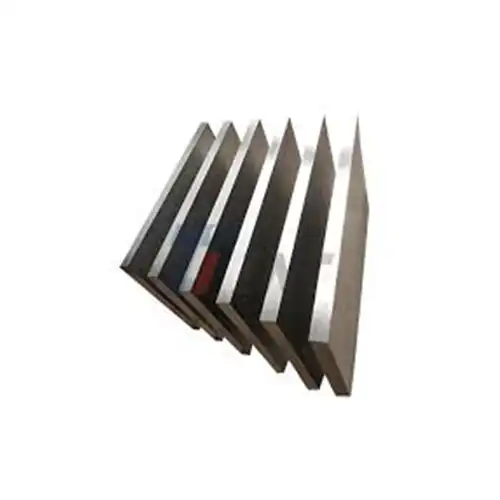
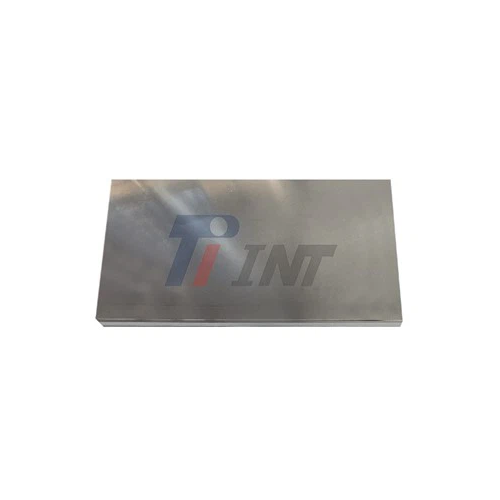
Biomimetic designs that better copy natural bone stress patterns are made possible by this merging.Using digital dentistry speeds up the process of finishing cases. Chairside scanning systems send preparation data straight to milling sites through the cloud, so there are no delays in shipping impressions. Automated stacking software places multiple cases on titanium plates to get the most out of the material. Real-time output tracking lets dental offices see where a case is at any given time, which improves contact with patients and makes it easier to make appointments.
Strategic R&D Investments
The biggest companies that sell materials put a lot of money into developing grinding technology and titanium alloys. Surface modification methods like plasma electrolytic oxidation, anodization, or bioactive coats are being looked into by research programs as ways to speed up osseointegration while keeping the accuracy of milling-derived dimensions. Material scientists are looking into other β-stabilizing elements that can be used instead of vanadium to lower costs without affecting the mechanical properties. Improvements to the quality system are in line with how regulations are changing.
Suppliers who use thorough risk management systems in line with ISO 14971 show that they care about patient safety throughout the entire lifecycle of a product. Digital quality documentation systems make it possible to view batch records right away, which speeds up answers to customer questions or government inspections. These investments show that the seller is reliable and that the relationship will last, which are important things to look for when choosing a titanium bar source for a multi-year contract.
Conclusion
Titanium milling is a big change in the way implants are made. It gives you accuracy, dependability, and clinical performance that you can't get with older methods. Assuring a passive fit for long-term implant stability, offering biocompatible materials with proven safety records, and meeting strict regulatory standards through recorded quality systems are some of the main problems that the technology aims to solve in buying. Milled titanium bar dental components made from Grade 5 or Grade 23 metals have better mechanical qualities, resistance to corrosion, and stress strength, all of which are needed for decades of use in harsh oral circumstances. When procurement workers understand milling's strategic value, they can help their companies provide better patient results, lower the number of complications, and gain a competitive edge in implant markets that are growing.
FAQ
What advantages do milled titanium bars offer over cast alternatives?
Milled bars have measurements that are accurate to within ±20 microns, which means they will fit passively across multiple implants and won't cause bone loss like cast parts do. The subtractive manufacturing method creates a uniform material structure that doesn't have any casting pores. This gives the material 30% more mechanical strength and gets rid of weak spots that are likely to break. Surface finishes that are smoother than cast versions keep bacteria from sticking and improve the health of soft tissues. Because of these things, implant mortality rates after 15 years go from 78–85% with cast bars to over 94% with milled titanium bar dental components.
How can I verify supplier quality certifications?
Suppliers with a good reputation will give you all the paperwork you need, such as ISO 13485:2016 medical device quality management certification, material certificates with chemical composition analyses that show they meet ASTM F136/F1472 standards, and mechanical testing reports that show the tensile strength and elongation values. Ask for CMM inspection data that shows the accuracy of the dimensions, tracking paperwork that connects batches of finished goods to batches of raw materials, and regulatory registrations (FDA, CE marking) that are right for the markets you want to reach. For large purchases, adding extra steps of proof by auditing suppliers or hiring third-party inspection services is a good idea.
Are milled titanium bars economically viable for high-volume production?
Milled components have higher purchase costs (30–50%) than cast bars, but they have lower total ownership costs because they fail less often, require fewer chairside changes, and finish cases faster. When you buy in bulk, you can save 20 to 30 percent, and as technology improves, labor costs keep going down. The longer service life (often over 15 years compared to 8–10 years for cast alternatives) and lower number of warranty claims make the initial investment worth it for companies that value quality and long-term patient results over short-term saves.
Partner with a Trusted Milled Titanium Bar Dental Manufacturer
Baoji INT Medical Titanium Co., Ltd. is your go-to company for high-quality milled titanium bar dental options. They have been working with medical titanium for more than 20 years. Our many quality certifications, including ISO 9001:2015, ISO 13485:2016, and EU CE, make sure that every part meets the greatest standards in the implant business. Our specialty is making precision-milled bars from Grade 5 (Ti-6Al-4V) and Grade 23 (Ti-6Al-4V ELI) titanium alloys. The sizes can be changed to fit your exact surgery needs.
Our cutting-edge five-axis CNC machines can hold measurements to within ±20 microns, which ensures a perfect fit and long-term clinical success. Our engineering team can help you with everything from choosing the right materials to making sure the work is done correctly. This is true whether you need a sample, custom cutting services, or large quantities of a product. Send an email to export@tiint.com to talk to one of our sourcing experts about your milled titanium bar dental provider needs, get samples of the material, or see full product specs. Find out how working with a well-known medical titanium maker can help you compete in the implant surgery market. You can look at all of our medical-grade titanium options at inttitanium.com.
References
1. Brunski, J.B. "Biomechanical Factors Affecting the Bone-Dental Implant Interface." Clinical Materials, vol. 10, no. 3, 1992, pp. 153-201.
2. Geetha, M., et al. "Ti Based Biomaterials, the Ultimate Choice for Orthopaedic Implants – A Review." Progress in Materials Science, vol. 54, no. 3, 2009, pp. 397-425.
3. Jemt, T., and Johansson, J. "Implant Treatment in the Edentulous Maxillae: A 15-Year Follow-Up Study on 76 Consecutive Patients Provided with Fixed Prostheses." Clinical Implant Dentistry and Related Research, vol. 8, no. 2, 2006, pp. 61-69.
4. Koutayas, S.O., and Kern, M. "All-Ceramic Posts and Cores: The State of the Art." Quintessence International, vol. 30, no. 6, 1999, pp. 383-392.
5. Miyazaki, T., et al. "A Review of Dental CAD/CAM: Current Status and Future Perspectives from 20 Years of Experience." Dental Materials Journal, vol. 28, no. 1, 2009, pp. 44-56.
6. Niinomi, M. "Mechanical Properties of Biomedical Titanium Alloys." Materials Science and Engineering: A, vol. 243, no. 1-2, 1998, pp. 231-236.
_1752819172472.webp)