
What wire do you weld titanium with?


 2026-04-17 08:41:42
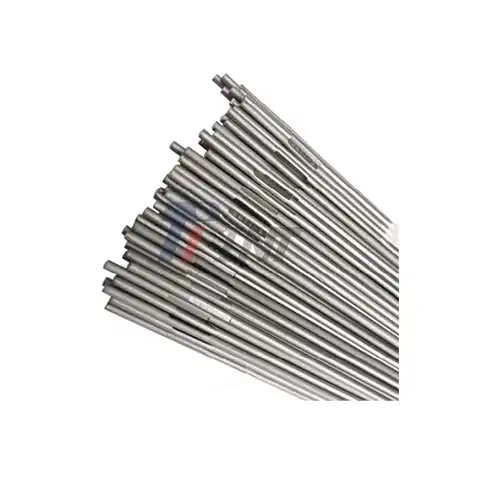
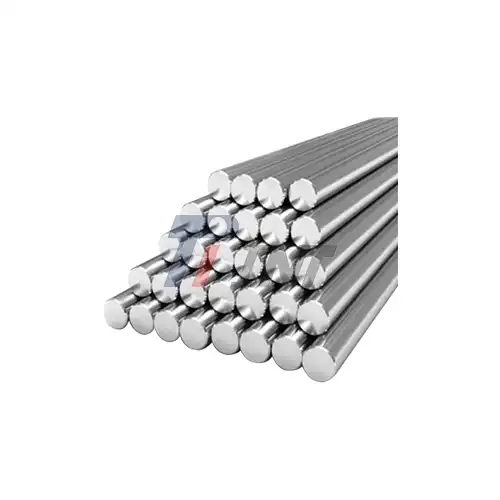
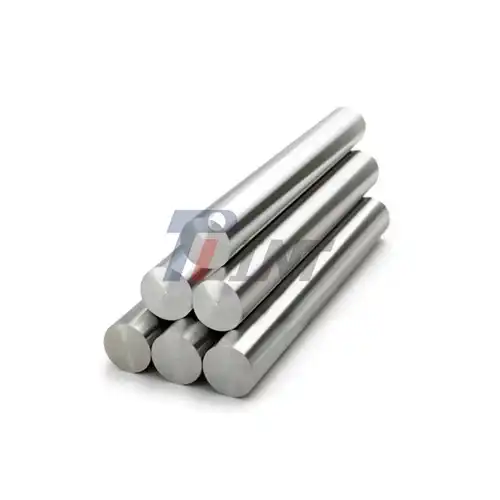
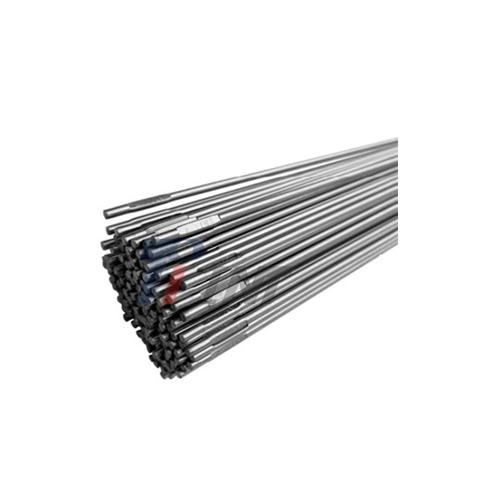
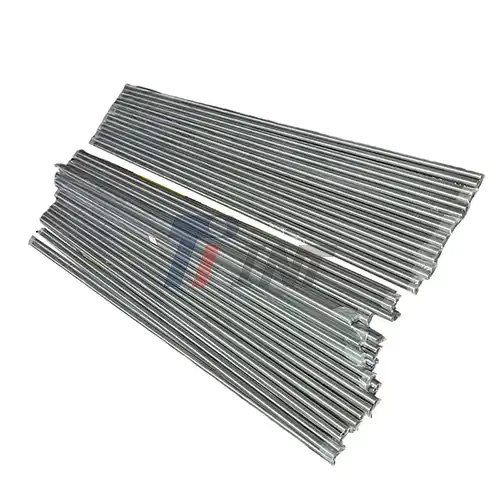
ERTi Titanium Welding Wire is the right choice for welding titanium because it is a special filler metal made just for titanium uses. These wires, which are listed under the AWS A5.16 standard, are made to handle the special challenges of titanium welding, such as keeping the metal's high corrosion resistance and avoiding contamination. Compared to regular welding wires, ERTi types are more pure and work better with titanium's crystalline structure. This makes sure that the weld stays strong in medical, industrial, and aircraft settings.
|
|
|
Introduction
Titanium welding is very important in the military, medical, and industry fields because titanium is very strong for its weight and doesn't rust. Because bonding titanium is so complicated, you have to be very careful when choosing the filling metals. Using the wrong ones can damage the structural integrity and biocompatibility of titanium, which makes it so valuable in important situations.
It is important to choose the right welding wire to get the best weld quality, longevity, and comply with strict industry standards. Bad wire choice can cause more problems than just weld flaws; it can also cause catastrophic fails in medical implants or aerospace parts where people's safety rests on the reliability of the materials.
When it comes to titanium uses, ERTi Titanium Welding Wire stands out as a high-quality option. Strict quality control is used to make sure that these special filler metals are chemically pure and mechanically consistent. This opening sets the scene for why ERTi welding wire has won the trust of global B2B customers who need accuracy, dependability, and better performance in tough welding situations where failure is not an option.
Understanding Titanium Welding Wires
This section provides an in-depth look into ERTi Titanium Welding Wire, looking at the mechanical science that makes these materials necessary for professional welding jobs.
Chemical Composition and Purity Standards
ERTi welding wires are different from other welding materials because they have strict controls over their makeup. Titanium is the base metal in these lines, and oxygen (up to 0.20%), iron (up to 0.40%), and hydrogen (up to 0.015%) are carefully controlled intermediate elements. The exact chemical balance stops the formation of alpha case, a thin, rigid layer on the surface that can weaken the weld.
Mechanical Properties and Performance Characteristics
Different grades of ERTi Titanium Welding Wire offer distinct material characteristics. The commercially pure grades ERTi-1 and ERTi-2 provide excellent ductility with tensile strengths ranging from 240-345 MPa, making them ideal for applications requiring high corrosion resistance. ERTi-5 (Ti-6Al-4V) delivers superior strength with tensile strengths exceeding 895 MPa while maintaining good weldability.
Manufacturing Standards and Quality Control
ERTi wires meet the standards set by AWS A5.16/A5.16M, which makes sure that all output runs are the same. Vacuum melting methods are used in the production process to get rid of sources of contamination. Chemical analysis, mechanical testing, and surface inspection are all quality control measures used to make sure the stability of the wire before it is shipped.
When you compare ERTi to other choices, such as ER70S steel wires or aluminum alloys, you can see that it is better at resisting rust, being easy to weld, and being useful in a wide range of situations. Some of the best things about ERTi for the aircraft and medical industries are its mechanical stability and exact chemical control, which help buyers make smart choices.
How to Weld Titanium Using ERTi Welding Wire?
To successfully weld titanium, you need to take a methodical approach to the problems that come up because titanium is reactive and easily contaminated.
Pre-Welding Preparation Protocols
The first step in proper preparation is to clean both the base materials and the welding wire very well. Use the right chemicals and mechanical cleaning methods to get rid of all surface oxides, oils, and other pollutants. To keep ERTi wire from absorbing water, which can cause holes in finished welds, store it in cases that can't be opened.
Shielding Gas Selection and Atmosphere Control
Titanium welding needs full air protection, and the main shielding gas must be high-purity argon (99.99% at a minimum). Set up backing gas and following screens to keep the weld zone clean while it cools. For the best safety without creating turbulence, keep gas flow rates between 15 and 25 CFH.
Welding Parameters and Technique Optimization
Set the settings for welding based on the thickness of the material and the shape of the joint. For the best arc properties, use GTAW (TIG) methods with DCEN polarity. Maintain journey speeds that allow for full entry without getting too hot. Make sure that the temperatures between passes stay below 150°C to stop grain growth that could weaken the material.
Case studies from the aerospace manufacturing industry show how the right way to use ERTi wire can ensure repeatable penetration and mechanical qualities in important engine parts. These tried-and-true best practices help people confidently use ERTi wire in tough manufacturing settings.
Comparing ERTi Titanium Welding Wire with Other Market Solutions
This comparison lets people who buy things compare ERTi wire to options on the open market using measurable performance measures and long-term value factors.
Performance Analysis Across Material Categories
When it comes to welding, ERTi Titanium Welding Wire works better than other options. Even though stainless steel wires may be cheaper at first, they don't fight corrosion well enough to be used in naval or chemical processing settings. Titanium has a strength-to-weight ratio that is very important for aircraft uses that aluminum welding wires can't match.
Durability and Service Life Evaluation
Long-term longevity studies have shown that ERTi welds keep their mechanical qualities for a long time. The low interstitial amount of the wire keeps it from becoming weak, which happens with cheaper options. A study of the cost-per-weld shows that ERTi wire is a better deal because it costs less to maintain and replace.
Application-Specific Advantages
Different grades work well for different industry needs. ERTi-2 excels in chemical processing environments where pure metal rust protection matters most. ERTi-5 grade suits aerospace applications requiring high strength-to-weight ratios. This targeted method makes sure that the right material is chosen for each purpose.
ERTi's benefits in weld quality and uniformity are shown by clear, data-driven insights. Because of things like application environment, legal compliance, and budget constraints, ERTi is the best choice for companies that want reliable and long-lasting titanium welding options.
Procurement Guide for ERTi Titanium Welding Wire
This guide is for buying professionals because it explains the most important factors for getting ERTi Titanium Welding Wire and makes the process of evaluating vendors easier.
Essential Procurement Criteria
Order number needs can range from small amounts for prototypes to production runs of more than 1000 pounds. Delivery times depend on the type of wire and the diameter that is needed, but most common goods can be delivered within two to four weeks. Material traceability is guaranteed by compliance certificates such as AWS A5.16, ASTM B863, and AMS requirements.
Supplier Evaluation Metrics
Some important things to look for in a provider are reasonable pricing, the ability to verify the authenticity of materials, a full warranty, and expert support. Check out suppliers based on how they handle quality, how much they can produce, and whether they can send full mill test records with every package.
Global Supply Chain Considerations
The part gives an overview of approved distributors and manufacturers around the world, keeping in mind that dependable suppliers keep inventory levels steady in many places. Logistics factors like discounts for getting in bulk, fast shipping choices, and fair lead times make it easier to make smart, efficient buying decisions that meet the needs of the industry supply chain.
Storage and Safety Precautions for ERTi Titanium Welding Wire
Making sure that ERTi Titanium Welding Wire lasts a long time and works well relies on following the right store rules and taking all the necessary safety precautions.
Environmental Storage Requirements
Keep ERTi wire in a climate-controlled space where the temperature stays between 15°C and 25°C and the relative humidity stays below 50%. To keep things from absorbing water and turning brown on the outside, use sealed containers or the original packing. Use "first-in, first-out" store movement to keep things fresh.
Handling and Safety Protocols
Using the right personal protective equipment while welding is an important safety step. Set up good ventilation systems to get rid of welding fumes and keep the air clean. Use methods to keep the work area clean and tools that are only for welding titanium to avoid contamination. Safe ways to weld titanium are outlined in industry standards such as AWS D17.1 and ASME Section IX. Following these standards helps keep the workplace safe and in line with the rules in professional welding settings where worker safety is still very important.
Conclusion
ERTi Titanium Welding Wire is the best choice for businesses that need to join titanium in a safe and high-performance way. Throughout this in-depth guide, we've looked at the technical details, benefits of use, and buying factors that make ERTi wire necessary for tough industrial uses. ERTi Titanium Welding Wire's high chemical purity, mechanical properties, and production standards make sure that the quality of welds is always the same in the chemical processing, aircraft, and medical fields. It is important to choose reliable and high-performing welding materials for titanium applications. ERTi Titanium Welding Wire has the qualities needed for mission-critical applications where material failure has major effects.
FAQ
Q1: What makes ERTi wire different from standard welding wire?
A: ERTi wire is made of very pure titanium that has tightly controlled intermediate elements that keep it from getting contaminated and make sure it works with titanium base metals. Standard steel welding wires don't have the right chemicals for titanium, so they would make welds that are weak and dirty.
Q2: Which ERTi grade should I choose for medical device manufacturing?
A: The ERTi-1 and ERTi-2 grades are best for medical uses that need the best biocompatibility and rust protection. These commercially pure types are approved by the FDA and keep the important qualities of the material needed for implantable devices.
Q3: Can I use GMAW (MIG) welding processes with ERTi wire?
A: Yes, ERTi wire can be used with both GTAW (TIG) and GMAW (MIG) methods. For precise jobs, however, GTAW gives you more control. When shielding gas covering is kept up, GMAW can place more metal on thicker parts while keeping the quality of the weld.
Partner with Baoji INT Medical Titanium Co., Ltd. for Premium ERTi Solutions
Baoji INT Medical Titanium Co., Ltd. is a reliable company that has been in the titanium business for more than twenty years and can supply you with ERTi Titanium Welding Wire. Our thorough quality control systems, which include ISO9001:2015 and ISO13485:2016 certifications, make sure that all of our wires meet the highest standards in the business. We offer full technical support, from helping you choose the right materials to giving you advice on how to process them. This is made possible by our strong R&D skills and excellent manufacturing standards. Get in touch with our knowledgeable staff at export@tiint.com to talk about your unique needs and find out how our high-quality titanium welding solutions can help your manufacturing processes.
References
1. American Welding Society. "Specification for Titanium and Titanium Alloy Welding Electrodes and Rods." AWS A5.16/A5.16M-2013.
2. ASTM International. "Standard Specification for Titanium and Titanium Alloy Wire." ASTM B863-18.
3. Boyer, R., Welsch, G., and Collings, E.W. "Materials Properties Handbook: Titanium Alloys." ASM International, Materials Park, Ohio, 1994.
4. Donachie, Matthew J. "Titanium: A Technical Guide, 2nd Edition." ASM International, Materials Park, Ohio, 2000.
5. Lütjering, Gerd and Williams, James C. "Titanium: Engineering Materials and Processes." Springer-Verlag Berlin Heidelberg, 2007. Print.
6. Peters, M., Kumpfert, J., Ward, C.H., and Leyens, C. "Titanium Alloys for Aerospace Applications." Advanced Engineering Materials, Volume 5, Issue 6, 2003.
_1752818186472.webp)
_1752462199458.webp)
_1750667964882.webp)
_1750663715751.webp)