

 2026-01-09 08:53:05
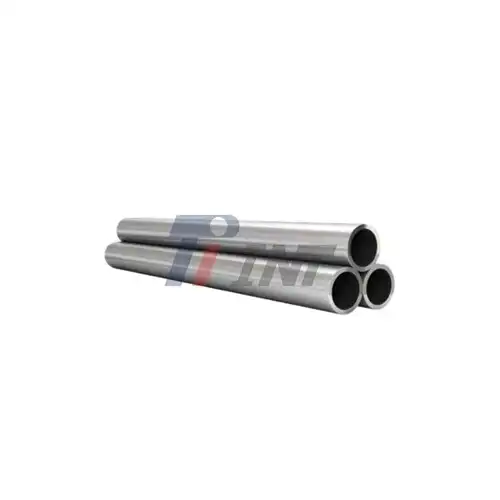
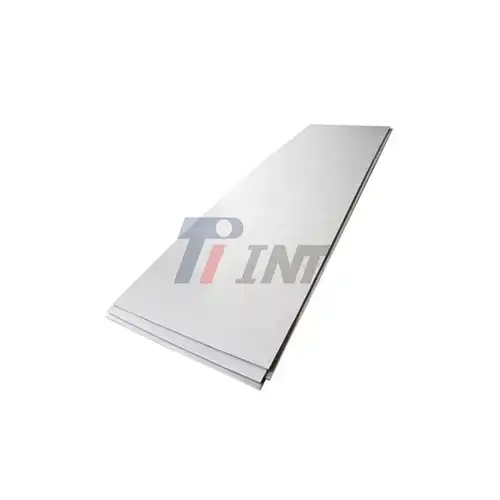
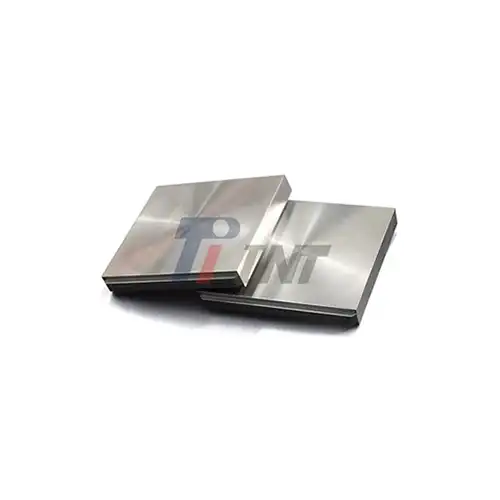
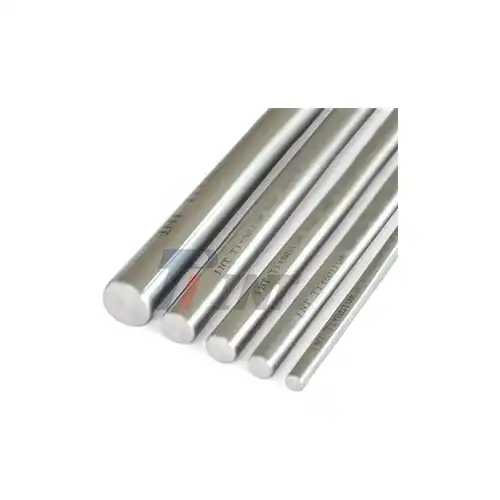
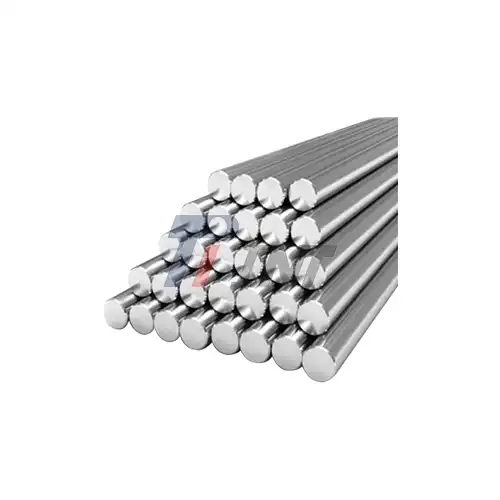
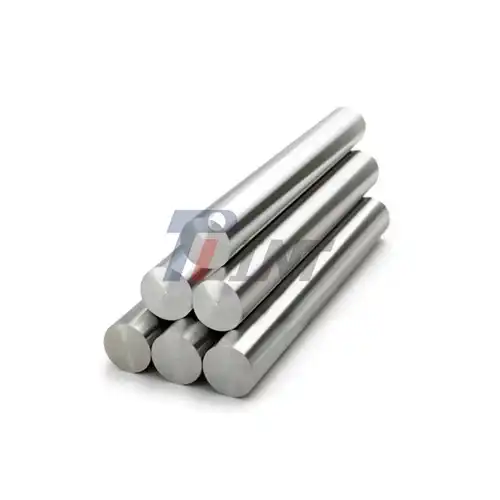
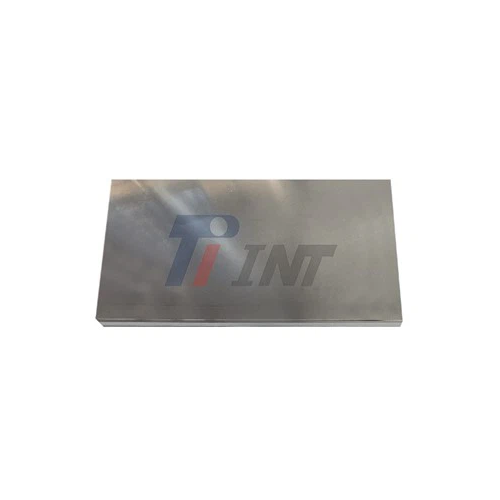
Chinese suppliers offer titanium sheet 0.5 mm that is very cheap, and the country has better manufacturing and stricter quality standards than the US. Because of this, US hospitals are buying more of this product from China. Because it is biocompatible and resistant to corrosion, this very thin titanium material is now very important for surgical instruments, medical implants, and exact medical devices. Chinese companies, such as Baoji INT Medical Titanium Co., Ltd., make medical-grade titanium products, including titanium sheet 0.5 mm, that are cheaper than similar products made in the US and also meet FDA and ISO certification standards. This makes them a good choice for procurement and supply chain professionals.
|
|
|
Understanding Titanium Sheet 0.5 mm and Its Importance in Medical Applications
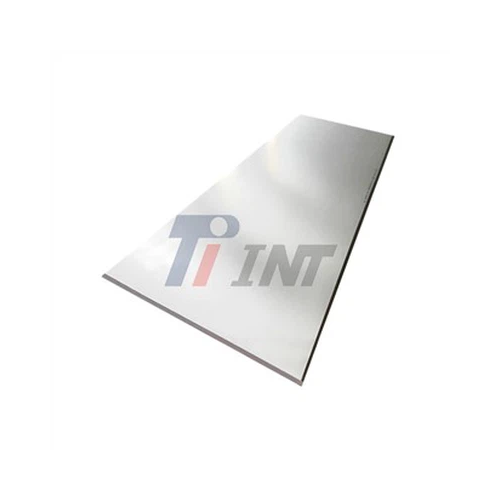
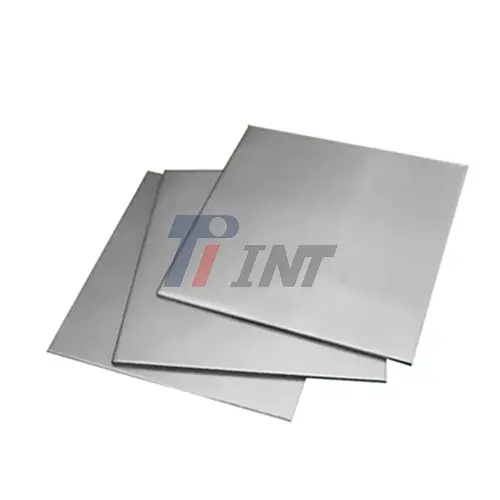
The 0.5-mm-thick titanium sheet, which is made with perfect precision, is an important part of modern medical manufacturing. It has a great balance of mechanical properties that make it impossible to replace in healthcare settings. This very thin substance keeps titanium's famous strength-to-weight ratio and adds the bendability that is needed to make complex medical devices.
Medical-grade titanium sheets are great at biocompatibility, which means they can be used in the body without problems. At 0.5 mm thick, surgical instruments can be made lightweight but still strong, which helps the surgeon stay tired during long surgeries. Surgical forceps, parts for dental implants, orthopedic plates, and cardiovascular stents are all used in situations where common precision and reliability are a must.
There are two types of titanium that are most commonly used in the medical field. Grade 1 pure titanium has the best resistance to corrosion and is the most biocompatible, and Grade 2 has better strength properties. Ti6Al4V ELI (Extra Low Interstitial) alloy has the best mechanical properties and tissue compatibility of any material used in implantable devices. Anodization, passivation, and other surface treatments make materials more sterile and better at integrating with tissue, which makes them perfect for use in very important medical settings.
Advantages of Sourcing Titanium Sheet 0.5 mm from China
Chinese companies that make titanium, including titanium sheet 0.5 mm, can offer big savings that directly affect how much money hospitals spend on buying supplies. China's manufacturing costs may be 30% to 40% lower than those in the US or Europe. This is mostly because of simpler ways of making things, better use of machines, and economies of scale. This cost-effectiveness does not hurt quality because top Chinese suppliers use strict quality control systems that meet medical standards around the world.
Big investments in infrastructure and progress in technology have helped China's titanium industry. The nation is home to some of the most advanced titanium processing plants in the world, which have precision rolling mills and other high-tech tools for working with metals that can make a uniform thickness of half a millimeter across whole production runs. This level of technology makes sure that the dimensions and surface quality of the medical devices are in line with strict requirements.
Here are the main benefits of working with Chinese suppliers:
- Competitive prices that don't hurt quality so that healthcare facilities can better plan their budgets
- A lot of customization options, such as precision cutting, surface treatments, and different alloy compositions
- The ability to quickly scale up or down to make prototypes or large production runs.
- Full technical support during the whole procurement process, from choosing materials to making sure they are of good quality
These benefits make Chinese suppliers strategic partners who can help with both immediate procurement needs and long-term goals for making the supply chain more efficient.
Evaluating the Performance and Compliance of Chinese Titanium Sheets
Quality assurance is very important in the medical titanium procurement process, and Chinese companies have spent a lot of money on certification and compliance infrastructure. The top suppliers keep ISO 13485 medical device quality management systems, FDA registration status, and compliance with CE markings. This makes sure that their products meet the tough standards of medical markets around the world.
Material testing protocols include a deep look at mechanical properties, chemical makeup, and biocompatibility of products, such as titanium sheet 0.5 mm. To make sure that the tensile strength, yield strength, and elongation values are the same in all of the production batches, they are tested very carefully. Surface roughness measurements and contamination testing make sure that thin sheets of titanium are clean enough for medical use.
With every shipment, traceability documentation is sent, giving a full account of the material from the acquisition of raw materials to the last stage of processing. Mill test certificates, chemical analysis reports, and dimensional inspection data are all parts of this paperwork that procurement managers need to make sure that quality audits and regulatory compliance are done right. For important uses, a lot of Chinese suppliers offer third-party testing through labs in other countries to give more confidence in their products.
Overcoming Procurement Challenges: Why US Hospitals Prefer Chinese Suppliers?
It's not uncommon for procurement teams to worry about the reliability of the supply chain, but well-known Chinese titanium suppliers have come up with strong risk management plans to deal with these problems. During global supply chain issues, strategic inventory management, multiple production facility locations, and established logistics partnerships make sure that delivery performance stays the same.
The price of titanium changes a lot, which can affect procurement budgets, but Chinese suppliers offer competitive prices that keep the market stable and predictable. Hospitals can get materials they can count on and keep costs down with long-term supply agreements and pricing models based on volume. The cost difference with other materials, such as aluminum or stainless steel, is often worth it to choose titanium because it works better and lasts longer.
Chinese suppliers have realized how important it is to serve global markets, so communication and technical support have changed a lot. To make communication easier, many top businesses hire English-speaking technical staff and keep sales offices in North America. Digital platforms make it easier to buy things by allowing people to track orders, get technical help, and access quality documents all in real time.
How to Choose the Right 0.5 mm Titanium Sheet Supplier for US Hospitals?
In order to get the goods you want, such as titanium sheet 0.5 mm, you need to carefully rate a lot of different things when you choose a supplier. The most important thing that suppliers use to screen potential partners is certification verification. Suppliers need to see that their partners have ISO 13485, FDA, and relevant material certifications. To make sure that suppliers are telling the truth, technical capability assessment should include quality system checks, facility tours, and ratings of the supplier by past customers.
Quality evaluation of a product includes testing samples, checking materials, and making sure it works in conditions that are true to life. To make sure the materials meet the requirements, procurement teams should ask for test samples to be evaluated within the company and think about third-party tests. Supplier quality history, customer references, and industry reputation are all good ways to learn about long-term performance and reliability.
The following things should be thought about very carefully when choosing a supplier:
- The ability to make things and easily scale up or down to meet the needs of today and tomorrow's volume requirements
- Technical support skills like quality troubleshooting, material consulting, and processing guidance
- Logistics infrastructure and the history of delivery performance for steady supply chain performance
- The ability to compete on price while also making sure of quality and supporting customers
These rating points help procurement teams find suppliers who can meet their needs right away and build a useful partnership with them over time.
Conclusion
When US hospitals buy titanium sheet 0.5 mm from China, it's because they get the best results in terms of cost, quality, and technical support. Meeting the tough standards for medical devices requires a lot of work from Chinese makers on customer service, advanced manufacturing, and making sure they are certified. The strategic benefits are big savings on costs, a dependable supply chain, and access to a wide range of technical knowledge that helps both short-term purchasing needs and long-term goals for making the supply chain better.
FAQ
Q1: What features of 0.5 mm titanium sheet make it good for use in the medical field?
A: The thin sheet of titanium has great tensile strength (240–550 MPa depending on grade), doesn't break down in bodily fluids, and is fully biocompatible. The 0.5 mm thickness gives the best flexibility to make very complicated shapes while keeping the strength needed for surgical tools and devices that are implanted.
Q2: When it comes to quality and compliance, how do Chinese titanium sheets stack up against ones made here?
A: Baoji INT Medical Titanium Co., Ltd. and other top Chinese companies meet the same international quality standards as companies in the US do. These standards include FDA compliance, ISO 13485 certification, and ASTM material specifications. Strict tests and quality management systems make sure that the performance always meets or goes beyond the standards of the medical field.
Q3: When buying titanium sheets from China, how long does it usually take to get them, and what is the minimum amount that can be ordered?
A: The standard lead time depends on the amount and difficulty of the order. For stock materials, it is usually 2 to 4 weeks, and for custom specifications, it is usually 4 to 6 weeks. Suppliers have different minimum order quantities, but they usually fit the needs of both small-scale prototyping and large-scale production. To match procurement cycles, many suppliers provide adaptable ordering methods.
Partner with Baoji INT Medical Titanium Co., Ltd. for Premium Titanium Sheet 0.5 mm Supply
Baoji INT Medical Titanium Co., Ltd. is one of the best companies to get 0.5-mm titanium sheets from. They have been working with medical device companies around the world for over 20 years. Mr. Zhan Wenge, who has more than 30 years of experience working with titanium, started our business in 2003. Since then, we've become a model business in the study, advancement, and production of titanium for medical use.
We have a lot of different products, such as pure titanium, Ti6Al4V ELI titanium alloys, and finely crafted items that come in a variety of sizes and specifications. We're proud that the titanium sheets made in our advanced factories are always 0.5 mm thick and meet the highest standards for medical devices. Our quality management system makes sure that we completely meet the needs of ISO 13485, the FDA, and CE marking.
We know procurement managers need partners they can trust who can help them with quality control and fast service. Our technical team supports the whole procurement process, from picking out materials to checking quality and making sure deliveries are on time. We keep a certain amount of inventory on hand so that we can quickly meet urgent needs. At the same time, we have good prices that help people stay on budget.
Feel good about working with a medical titanium professional who knows what you need and can be trusted. Email us at export@tiint.com if you want to talk about how to get 0.5 mm titanium sheets and how what we know can help your business. To see all of the medical-grade titanium products we offer that are made just for the healthcare industry, go to intitanium.com.
References
1. American Society for Testing and Materials. "Standard Specification for Titanium and Titanium Alloy Strip, Sheet, and Plate." ASTM International, 2021.
2. Food and Drug Administration. "Guidance for Industry: Use of International Standard ISO 10993-1, Biological Evaluation of Medical Devices - Part 1: Evaluation and Testing within a Risk Management Process." FDA Medical Device Guidelines, 2020.
3. International Organization for Standardization. "Medical devices - Quality management systems - Requirements for regulatory purposes." ISO 13485:2016 Standard Documentation, 2019.
4. Materials Science and Engineering Research Institute. "Biocompatibility and Mechanical Properties of Titanium Alloys in Medical Applications." Journal of Biomedical Materials Research, 2022.
5. Medical Device Manufacturing Association. "Global Supply Chain Trends in Medical Grade Titanium Procurement." Industry Supply Chain Analysis Report, 2023.
6. Titanium Industry Development Association. "Medical Grade Titanium Market Analysis and Manufacturing Standards Compliance." Metal Industry Research Quarterly, 2022.
_1752820927376.webp)
_1752819172472.webp)
_1749447504716.webp)