
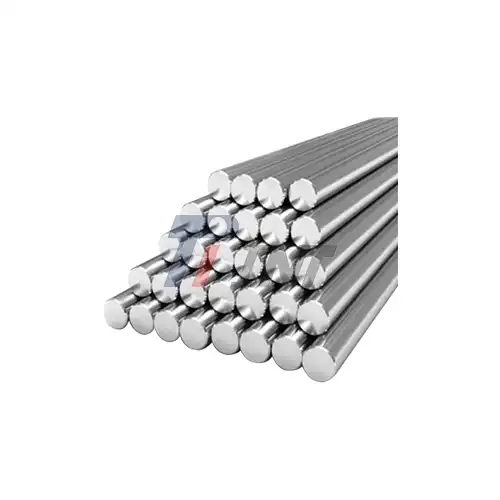
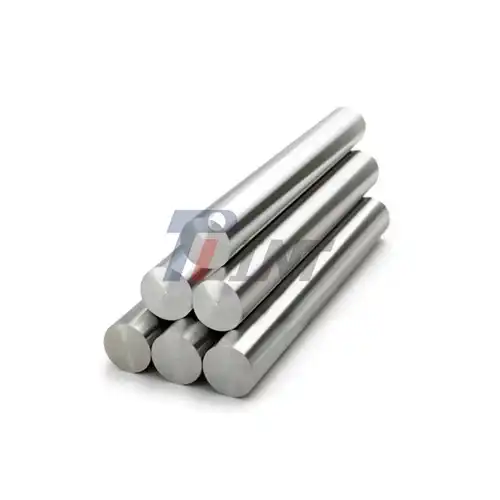
Titanium Wire for Sutures and Fixation Systems


 2026-06-26 09:33:45
Titanium wire is one of the most important materials used to make modern medical devices, especially stitches and fastening systems, which need to be very precise while also keeping patients safe. Medical-grade titanium wire is much better than standard stainless steel options because it is incredibly biocompatible and has better mechanical strength, rust resistance, and light weight. This material meets the important needs of companies that make orthopedic implants, dental devices, and surgical instruments. These companies need uniform quality, regulatory compliance, and reliable supply lines to keep their production plans on track and improve patient outcomes.
|
|
|
Understanding Titanium Wire for Medical Applications
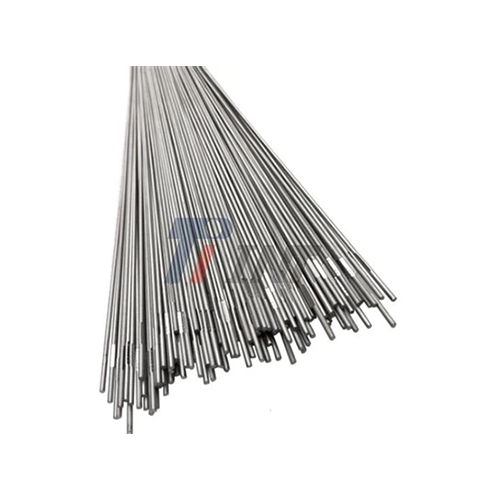
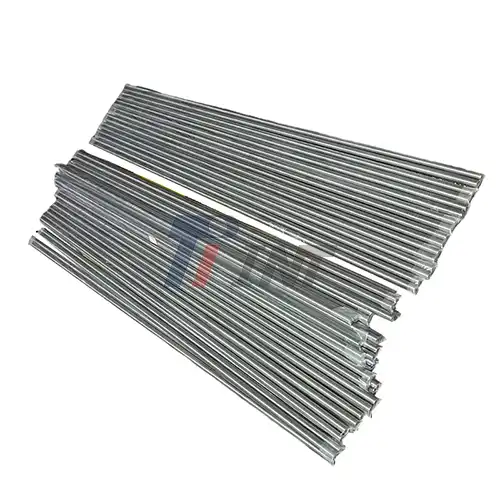
Medical Titanium Wire is an unbeatable material in important healthcare uses because of its unique metallurgical makeup. Titanium wire has a density of 4.51 g/cm³, which is about 60% that of steel. It has a very high specific strength that makes implants lighter without losing their structural integrity. This physical trait has a direct effect on how comfortable patients are and how quickly they heal after surgery.
Chemical Composition and Corrosion Resistance
When titanium wire comes into contact with body fluids, it immediately forms a thin layer of passive titanium dioxide (TiO₂) oxide on its surface. Because of this natural event, there is an impenetrable shield in the body that stops chloride pitting, protein breakdown, and inflammatory responses. Titanium is chemically neutral for decades after placement, unlike stainless steel, which can release nickel ions over time. This is why it is the best material for stable fixation systems in spine fusion, fracture stability, and craniofacial reconstruction procedures.
Medical-Grade Titanium Classifications
There are two main types that are used to make medical devices. Commercially Pure (CP) Titanium Grade 2 is very flexible and easy to shape, making it perfect for thread uses that need to be flexible during surgery. This grade meets ASTM F67 standards and has tensile strengths of about 345 MPa and elongation values above 20%. This means that doctors can tie safe knots without the material breaking.Ti-6Al-4V ELI (Grade 23), an extra-low interstitial metal, has a tensile strength of more than 860 MPa and meets the biocompatibility standards set out in ASTM F136.
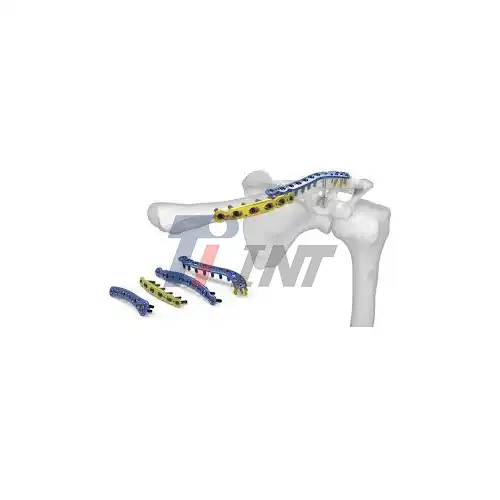
This grade is used for high-load fixation systems like intramedullary nails, bone plates, and cerclage wires that need better wear protection because of the way they are used. The aluminum and vanadium alloying elements make the material harder without changing its non-magnetic qualities, which is still important for people who need MRI tests after surgery.
Diameter Specifications and Industry Standards
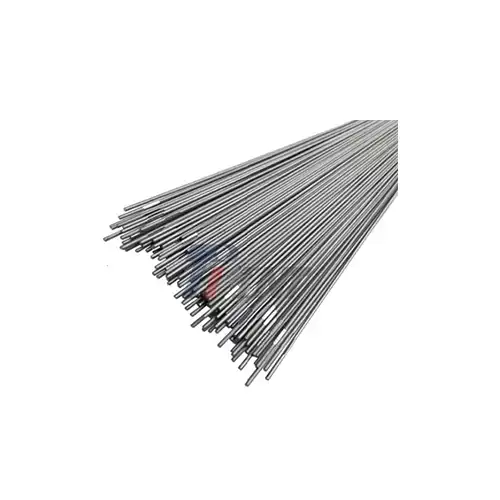
The diameter of medical titanium wire is usually between 0.3 mm and 3.0 mm, and the wire is held to within ±0.01 mm of accuracy to make sure that it works the same way in all automatic production processes. Wires with diameters less than 0.5 mm are used for tooth ligatures and microsurgical sutures. Wires with sizes of 1.0 to 2.0 mm are mostly used for orthopedic cerclage and sternal closure systems. Following the guidelines set by ASTM B863 for industrial wire and AWS A5.16 for welding filler materials during production ensures that the materials can be tracked, their mechanical properties can be checked, and there is certification paperwork for each lot that procurement managers need for supplier qualification checks.
Key Medical Applications and Use Cases of Titanium Wire
Titanium Wire is useful in many types of surgery because it is strong, flexible, and compatible with flesh. Knowing about these uses helps people who buy things make sure that the details of the materials they buy meet the needs of the end use and the rules that govern them.
Orthopedic Fixation Systems
Keeping broken bones from moving is where medical titanium wire is most often used. Cerclage wires hold bone shards together during complicated fracture repairs, especially when standard plating methods don't work for femoral and humeral fractures that are broken into several pieces. The wire can handle being loaded and unloaded many times while the patient is being moved around without stress rust cracking. This makes sure that it stays mechanically stable during the six to twelve week mending window. Clinical studies show that titanium cerclage wires lower the rate of implant removal by about 40% compared to stainless steel options.
This is mostly because they cause less tissue pain and better bone integration where the wire meets the bone.Sternal closure after heart surgery increasingly utilizes titanium wires with diameters ranging from 0.6 mm to 1.0 mm. The radiolucency of the material lets doctors see what's going on clearly after surgery without any flaws, and the fact that it's not magnetic means that it can be used for MRI scans without any problems. Surgeons say that the wires are easier to handle during processes like twisting and tensioning, which cuts the time needed for each closure by an average of 8 to 12 minutes.
Dental and Maxillofacial Applications
Titanium is better at resisting corrosion in the mouth, which makes it a good material for orthodontic archwires and surgery fixation wires used in maxillofacial repair. The complicated biology of saliva, which includes enzymes, acids, and bacteria, makes it an active environment that breaks down less durable materials quickly. Titanium wire keeps its shape and surface structure during treatment times that last for years.
This means that patients who are exposed to nickel-containing alloys don't have to worry about the material breaking down or becoming allergic to it.Dental implant abutment screws and prosthesis retention wires made from Grade 5 titanium provide the torque resistance needed for safe restoration placement while also keeping titanium implant bodies from galvanically coupling with the replacement. This material compatibility gets rid of electrical corrosion paths that could shorten the life of implants or cause inflammation around them.
Surgical Suture Material
Monofilament titanium suture wire is used for specific closing tasks in lung, vascular, and neurosurgical treatments where tissue needs to be brought close together and the wire needs to have high tensile strength with low tissue drag. The wire's smooth surface makes it easier to move through thick fascial layers, and the way it's knotted keeps it from coming apart on its own when the body is under stress. Titanium wire is better than absorbable synthetic sutures because it doesn't degrade at different rates over time and keeps the wound closed forever, which is very important for hernia repairs and abdominal wall reconstructions where long-term mechanical support stops regrowth.
Procurement Guide: How to Select and Source Titanium Wire for Medical Systems
To find dependable suppliers of medical-grade Titanium Wire, you need to carefully look at their skills, quality control systems, and shipping and receiving systems. To keep production plans on track, procurement pros have to find a balance between cost concerns, compliance needs, and the resilience of the supply chain.
Certification and Regulatory Compliance Verification
Medical titanium wire providers that are qualified keep their ISO 13485:2016 certification up to date, which shows that they follow the rules for medical device quality management. This license proves that the systems used in production include the risk management, design control, and corrective action systems that are needed to make sure that the quality of the products is always the same. Instead of depending only on certificate expiration dates, ask for copies of yearly surveillance audit reports to make sure that ongoing compliance is being met.
Documentation that shows how materials can be tracked is another important checkpoint. There should be mill test records (MTRs) for each lot of wire that list the chemical make-up, mechanical properties, and heat treatment factors that can be traced back to the original titanium sponge sources. This paperwork helps you with your regulatory reports to the FDA, Health Canada, or European Notified Bodies by setting up material history chains that meet the standards set by 21 CFR Part 820 or ISO 13485.
Supplier Assessment Criteria
When evaluating a seller, manufacturing knowledge, especially in the processing of medical titanium, is very important. Companies that have been making wire continuously for 15 to 20 years know more about how important process factors like annealing temperatures, pickling acid concentrations, and drawing die shapes affect the end qualities of the wire. Ask for customer reference lists that include the contact information for quality managers at well-known medical device companies. These managers can give you honest feedback on how well delivery works, how quickly technical support responds, and how well non-conformances are resolved.
When talking to suppliers for the first time, you should carefully think about production capability and growth. Wire drawing is a process that requires specialized tools that can't be quickly increased and costs a lot of money. Suppliers who have more than one draw tower with extra capacity can handle higher volumes during the launch phases of your product without adding to lead times or lowering quality standards. Request building walks when you can to see how the equipment is maintained, how it is kept clean, and how the inventory is managed. These things show that the business is operationally mature.
Cost Structure and Pricing Dynamics
Titanium wire prices depend on how much the raw materials cost, how hard the process is, and how many orders are placed. Grade 2 wire usually costs 15–25% less than Grade 5 material because it is made of a simpler metal and goes through fewer steps in the production process. When you sign a bulk purchasing deal for quarterly or yearly amounts, you can usually get 8–12% price cuts compared to buying on the spot. This also makes sure that you have enough supplies when the market is tight.
Talk about price structures that include cost-adjusting clauses linked to public titanium sponge indices. This will protect both sides from volatile material changes while keeping things open. Minimum order numbers (MOQs) change a lot from one supplier to the next. They can be anywhere from 50 kg to 500 kg, based on the diameter of the wire and the finish requirements. MOQs can be hard for smaller medical device companies, so vendor-managed inventory (VMI) plans or consignment inventory deals may be better options. These deals move the costs of keeping inventory to the providers while still ensuring just-in-time access, which is a key part of lean production.
Technical Insights: Working with Titanium Wire in Medical Manufacturing
To successfully use Titanium Wire in the production of medical devices, you need to know how the material acts during secondary processes and follow the right handling procedures to keep the mechanical qualities and surface integrity.
Machining and Forming Considerations
Titanium wire is not as good at transferring heat as steel, so during grinding processes, heat builds up at the cutting edges. To keep this from happening, cutting speeds need to be slowed down, water flow rates need to be raised, and carbide or polycrystalline diamond (PCD) tools need to be used. Multi-pass machining strategies keep dimensions accurate while controlling heat generation when making parts that need to be very precise, like threaded bone screws or precision sewing needles.
When you bend, twist, or draw wire cold, you leave behind stresses that can hurt the fatigue performance in uses that are loaded and unloaded many times. Stress-relief heating at 480–540°C for 30–60 minutes makes the material more flexible and evens out the grain structure without lowering the tensile strength. To show that the process is the same across production lots, manufacturers should make sure that the annealing settings are correct by following the mechanical testing methods that are written down in device master records.
Welding and Joining Techniques
The most effective way to join titanium wire to itself or to titanium sheet parts in fixing device assemblies is with TIG (tungsten inert gas) welding. Argon shielding gas that is purer than 99.995% keeps oxygen and nitrogen from getting into weld zones and weakening them. Trailing screens that go 150–200 mm beyond the weld pool keep the metal from being exposed to air until temperatures drop below 400°C, which is the point at which it starts to oxidize.
There is another way to join wires to plates in spinal implant structures, and that is called spot welding. To get consistent melting without too much material flying off or the electrode sticking, resistance welding settings need to be carefully developed. For process proof, you should test the peel strength and look at the metal to make sure there are no holes or cracks and that the material goes all the way through.
Quality Control and Inspection Protocols
Incoming wire inspection procedures usually include measuring the size with laser micrometers, checking the surface finish by looking at it closely under a microscope, and testing the mechanical properties by tension. Statistical process control (SPC) charts that show diameter measurements across wire loops find process drift before material that doesn't meet specifications gets to the production lines.
Non-destructive testing methods, like eddy current inspection, find flaws below the surface, like inclusions, splits, or laps that could cause stress cracks to form over time. Using 100% eddy current scanning on wire that is going to be used in important load-bearing applications gives you extra security on top of seller certifications, especially when you're adding new material sources or specs.
Why Choose Baoji INT Medical Titanium Co., Ltd. for Your Fixation System Needs
Baoji INT Medical Titanium Co., Ltd. stands out because it has decades of experience providing medical-grade titanium materials that are up to the strict standards needed for stitches and fastening systems. Our company has grown into a standard maker that serves medical device companies all over the world since it was founded in 2003 by Mr. Zhan Wenge, who has worked in the field for over 30 years and is an expert in titanium metallurgy.We offer a wide range of products, such as CP Titanium Grade 2 and Ti-6Al-4V ELI wire with widths from 0.3 mm to 5.0 mm. These are sold in both straight lengths and precision-wound spools.
Each production lot goes through strict testing procedures that include a chemical makeup analysis, a tensile strength check, and a surface quality check. These tests are recorded in detailed certificates of conformance. We keep our EU CE, ISO 13485:2016, and ISO 9001:2015 standards up to date, and audit paperwork is available for buyers to look over.Working directly with our factory cuts out middlemen and gives you access to expert help from metallurgists and application engineers who know how to solve problems in medical device design.
We often work with R&D teams during the development stages of new products, helping them choose materials, figure out how many prototypes they need, and make processing suggestions that cut down on time to market. Our minimum order numbers are flexible, starting at 50 kg for standard specs. This means that we can work with both new businesses and established makers who need multi-ton yearly contracts.Reliability in delivery is a key part of our interaction with our customers. We keep smart stock levels of wire grades and diameters that are often asked for.
This lets us offer wait times of 3–4 weeks for stock items and 6–8 weeks for special specs. Through our partnerships with foreign freight forwarders, we can make sure that all of your shipping documents are correct and that your packages are transported at the right temperature when needed. You can also keep an eye on your packages as they travel to North America and Europe. Quality can be tracked from the time the titanium sponge is bought until the wire is inspected for quality. We only get our raw materials from approved sellers who follow ASTM B299 and ASTM B265. All new materials are quarantined and tested before they are released for production. Laser-etched heat-specific identification numbers on wire spools make it easy to quickly find the history of a lot during customer audits or regulatory questions. This helps you meet your traceability requirements under FDA 21 CFR Part 820 or ISO 13485 standards.
Conclusion
Medical-grade Titanium Wire is an important material for companies that are making improved sutures and fixation systems that put patient safety, surgery results, and long-term implant performance first. The material's special mix of biocompatibility, mechanical strength, and rust resistance meets important needs in orthopedic, dental, and surgery settings where failure of the material would have terrible results. To find partners that can meet both current production needs and future innovation goals, procurement professionals must thoroughly check sellers' certifications, manufacturing skills, technical support resources, and supply chain dependability.
FAQ
What distinguishes Grade 2 from Grade 5 titanium wire in medical applications?
Grade 2 economically pure titanium is more flexible and easy to shape, which is why it is used for things like medical sutures and cerclage wires that need to be bent during surgery. This grade has a tensile strength of about 345 MPa and great bending properties. Grade 5 (Ti-6Al-4V ELI) has a much higher tensile strength, reaching 860 MPa. It is used in high-load fixation systems like bone plates and intramedullary devices, where the higher cost and less flexibility are worth it because of the material's functional needs.
How does titanium wire maintain corrosion resistance within the human body?
Titanium makes a stable passive layer of titanium dioxide (TiO₂) when it comes into contact with air or body fluids. This oxide film, which is usually 2–7 nanometers thick, grows back right away if it gets broken and stops ions from escaping or electrochemical breakdown for decades after insertion. In human tissues, the passive layer stays stable across a wide pH range, and it can't be damaged by chlorides, proteins, or enzyme-related substances that are found in physiological settings.
Can titanium wire be manufactured to custom diameters and mechanical specifications?
Reputable medical titanium wire makers keep their production options open so they can meet unique diameter needs that are usually between 0.3 mm and 5 mm, with limits of ±0.01 mm. Custom mechanical properties can be achieved by carefully controlling the settings for cold working and heat treatment. These properties can then be proven through tensile tests and written down in material certifications. For special specs, the minimum order quantity is usually between 100 and 200 kg, but this depends on the diameter and the difficulty of the processing.
Partner with Baoji INT Medical Titanium Co., Ltd. for Superior Titanium Wire Solutions
To make a great medical gadget, you need to work with companies you can trust. Baoji INT Medical Titanium Co., Ltd. has been making titanium products for 30 years and has a wide range of quality systems and customer-focused service to help you reach your research and production goals for fixing systems. As a medical-grade titanium wire provider, we can make custom diameters, offer fast sampling programs, and offer expert advice from experienced metallurgists who know your performance and legal needs.
Email our team at export@tiint.com to talk about the materials you need, get approved test results, or set up shipments of samples. We welcome facility checks and can't wait to show you why top medical device makers in North America and Europe depend on our titanium wire for their most important jobs. You can look at all of our medicine products at inttitanium.com.
References
1. Niinomi, M., Nakai, M., & Hieda, J. (2012). Development of new metallic alloys for biomedical applications. Acta Biomaterialia, 8(11), 3888-3903.
2. Disegi, J. A., & Eschbach, L. (2000). Stainless steel in bone surgery. Injury, 31(Suppl 4), 2-6.
3. Long, M., & Rack, H. J. (1998). Titanium alloys in total joint replacement—a materials science perspective. Biomaterials, 19(18), 1621-1639.
4. Geetha, M., Singh, A. K., Asokamani, R., & Gogia, A. K. (2009). Ti based biomaterials, the ultimate choice for orthopedic implants—a review. Progress in Materials Science, 54(3), 397-425.
5. ASTM International. (2013). ASTM F136-13: Standard Specification for Wrought Titanium-6Aluminum-4Vanadium ELI Alloy for Surgical Implant Applications. West Conshohocken, PA: ASTM International.
6. Steinemann, S. G. (1998). Titanium—the material of choice? Periodontology 2000, 17(1), 7-21.
_1752644608314.webp)
_1752462435099.webp)
_1752462199458.webp)
_1750209732185.webp)