
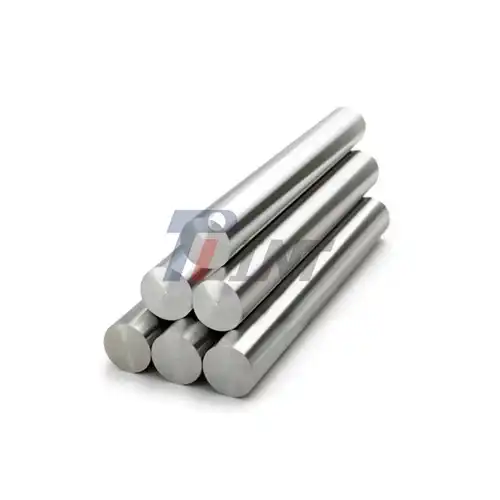
Best titanium bar designs for full arch dental implants


 2026-07-14 10:28:15
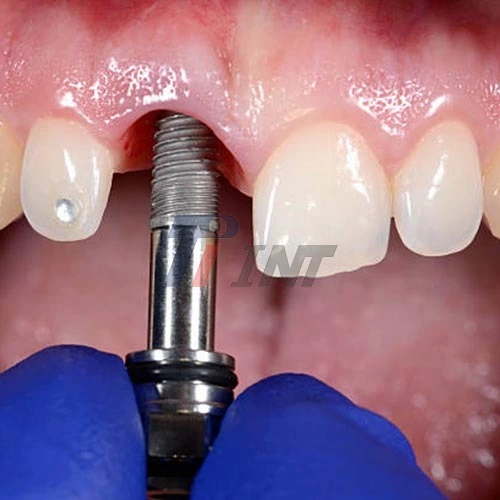
If you want to fix your whole arch of teeth, titanium bar dental implants are clearly the best choice. These carefully designed frames connect several implants to support permanent or portable prosthetics, providing the highest level of security and durability. Advanced designs that use Ti-6Al-4V and Ti-6Al-4V ELI metals have great strength-to-weight ratios and are biocompatible, which makes them perfect for All-on-4, All-on-6, and other related protocols. Procurement workers can choose solutions that improve clinical results while keeping costs low across production scales by understanding the subtleties of bar geometry, surface treatment, and passive fit technology.
|
|
|
Understanding Titanium Bar Dental Implants for Full Arch Restorations
Titanium bars are the main structural part of full arch implant systems. They spread the forces of biting and chewing across several implant anchors that are rooted in the jawline. These structures help osseointegration, which is the biological process by which titanium joins with bone cells to make it stable over time. Precision-machined interfaces let the bars join to implant abutments, making a single support system for fixed or hybrid prosthesis.
Material Composition and Standards
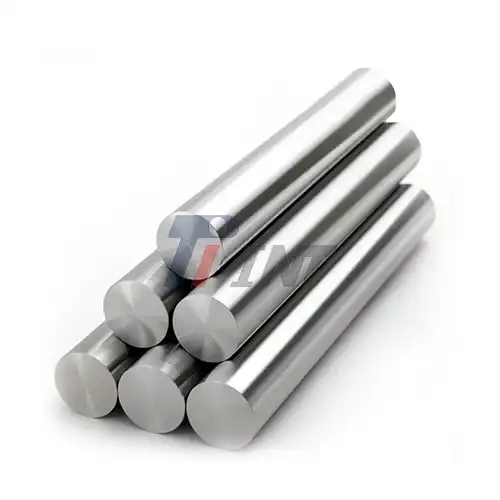
Medical-grade titanium alloys, especially Grade 5 (Ti-6Al-4V) and Grade 23 (Ti-6Al-4V ELI), are used most often for full arch uses because they meet ASTM F136 and ISO 5832-3 standards. Grade 23 has extra-low interstitials that make it more flexible and less likely to break in tough surgery settings. The tensile strength of these alloys is between 860 and 965 MPa, which is much higher than pure titanium. They also have a modulus of elasticity of about 114 GPa, which is closer to real bone than other metals like chrome-cobalt.
Clinical Benefits and Patient Outcomes
The self-healing titanium oxide layer stops galvanic rust in the mouth, so there are no risks from touching metals that are not the same. Low thermal conductivity makes patients less sensitive to changes in temperature, which makes meals more comfortable. Studies show that titanium bars that are properly made can achieve passive fit margins of less than 150 microns. This means that there is less stress on the bone-implant contact, which lowers the risk of implant failure. Over 95% of full arch repairs are still working well after ten years, as shown by follow-up exams using high-quality titanium frames.
Impact on Load Distribution
The shape of the bars has a direct effect on how the physical load is distributed across implant sites. Straight bars are easy to use, but they may put more stress on the implants at the ends. Cantilever shapes go past the farthest implants, so they need stronger cross-sections to keep them from bending. Curved bars follow the shape of the physical arch, which distributes stress better and allows for normal mouth movements during chewing. The right design is chosen based on where the implants are placed, the mass of the bone, and the expected occlusal pressure.
Key Design Features of Top Titanium Bars for Full Arch Implants
Material Properties and Surface Engineering
Advanced surface processes improve the rate of osseointegration and make the material less likely to harbour germs. Sandblasted and acid-etched surfaces make them rougher on a microscopic level, which helps cells stick together and bones fit together. Some makers use bioactive surfaces with calcium phosphate or hydroxyapatite to speed up the early stages of mending. We make bars out of approved Ti-6Al-4V ELI metal, which makes sure they meet ISO13485:2016 medical device standards and FDA rules. Titanium bar dental implants benefit from this same high-grade alloy, providing the structural foundation for these surface treatments. Titanium's natural resistance to rust means that its structure stays strong for decades in the salty mouth environment.
Cross-Sectional Profile Variations
The cross-section shape of the bar affects how well it works mechanically and how well it works with prosthetics. Round profiles with a width of 3–5 mm are very resistant to stress when loaded and unloaded many times, which means they can be used on patients who have strong biting forces. Directional strength is provided by oval shapes, which keep things from bending in the vertical direction while allowing controlled movement across the horizontal direction.
Square shapes are great for small areas between teeth because they maximise rigidity while using the least amount of material. Custom-milled shapes can work with certain body parts, like nerve canals or bone grafting spots that are close together. Precision manufacturing with CAD/CAM technology guarantees dimensions that are accurate to within 20 microns.
Connection Systems and Passive Fit
Passive fit is still very important for the long-term health of implants. Using UCLA abutments or multiunit interfaces, screw-retained links make it possible to remove and change parts. Removable overdentures are easier to put in and take out with clip-based retention systems. These systems combine sturdiness with ease of access for upkeep. Welded or cut monolithic bars get rid of tiny holes between parts, which makes it less likely for germs to grow. During manufacturing, bite registration procedures and verification jigs make sure that the completed bars put as little pre-load stress on the implants as possible before the prosthetic is delivered.
Comparative Analysis: Titanium Bar vs Alternative Full Arch Solutions
When you use separate abutments in a traditional multi-implant framework, the load is not distributed evenly like it is in an integrated bar system. This could cause uneven stress patterns. While zirconia bars look better than other options because they are tooth-colored, they can break easily when hit hard. The fact that they are made of two pieces may make them less stable over time at link points. Ceramic alternatives cost 30–40% more than titanium options and don't have the same five-decade track record of osseointegration.
Mini dental implants need less invasive surgery, but they can't handle the forces that are created when you chew normally like full arch replacements can. Their small width makes it hard for machines to hold on to them, and within five years, 12 to 18% of them fail. Titanium bar systems are very good at sharing the load, spreading the force across several fittings so that no single implant is overloaded. Single-point failures are common in other methods, but this redundancy guards against them.
The difficulty of surgery changes by system. All-on-4 procedures involving titanium bars usually need one surgery session, followed by instant temporary loads. Zirconia frames often need to be loaded later than planned because the material is prone to breaking. A cost study shows that titanium bars are the best value when you look at how much they cost, how quickly they can be made, and how often they need to be replaced in the long run. According to procurement statistics, titanium solutions lower treatment costs by 15 to 25 percent over ten years compared to other materials.
Procurement Considerations for B2B Clients: Sourcing the Best Titanium Bars
Supplier Evaluation Criteria
Manufacturers with a good reputation keep all the licenses that show they can manage quality. The ISO9001:2015 certification makes sure that production methods are uniform, and the ISO13485:2016 certification talks about the needs of medical devices. EU CE stamp and FDA registration are proof that foreign markets follow the rules. Our factory follows these certifications and gives full material tracking paperwork for every production batch, titanium bar dental implants included.
Check how much can be made by doing site checks that look at how complex the equipment is and how the quality control system is set up. Advanced CNC machines with five-axis skills can make parts with complicated shapes that fit together perfectly. Metallurgical testing labs use spectroscopy, tension testing, and wear analysis to make sure that the qualities of materials meet the requirements. Transparency in the supply chain about where the raw materials come from keeps non-medical-grade metals from getting contaminated.
OEM Capabilities and Customization
Leading providers offer OEM production services, which let customers make bars with their own designs and names. Customisation includes choosing the right size, finish, and connection points that work with current implant systems. To balance the cost of tools with the need for supplies, minimum order amounts are usually between 100 and 500 units. Using 3D printing to make a prototype speeds up the design approval process before committing to making production tools.
For companies that are entering full arch markets, technical support during product creation is very helpful. We help with legal paperwork, help choosing materials, and modelling mechanical performance. This way of working together cuts down on the time it takes to get a medical gadget on the market and makes sure it follows all the rules in North America, Europe, and the Asia-Pacific area.
Pricing Structures and Logistics
The cost of materials, the difficulty of cutting, and the number of orders all affect the price of titanium bars. Standard straight bars in common sizes cost $45-85 each when bought in groups of 500 or more. Custom-milled body patterns, on the other hand, cost $120-200 each. Most volume deals start at 1,000 units, which cuts the cost of each unit by 18–25%. Net-30 or net-60 terms of payment are available for repeat buyers, and lines of credit can be used for first sales.
When you ship something internationally, you need special packaging that keeps delicate surfaces safe from damage and contamination. We use vacuum-sealed boxes with desiccant inserts that are sent in foam-lined boxes that meet ISTA 3A testing standards. Lead times, from when an order is confirmed to when it is delivered, run from 4 to 8 weeks, based on how complicated the customisation is and how busy production is at the moment. For extra fees, expedited production cuts wait times to 10–14 business days.
Maintenance, Lifespan, and Clinical Best Practices for Titanium Bar Implants
Recommended Maintenance Protocols
Professional upkeep on a bar on a regular basis makes it last longer and avoids problems. Once every six months, the screw torque retention is checked to see if it has loosened, which could cause micro-motion at the implant surfaces. X-rays can find early signs of bone loss or disease around the implant. Professional cleaning uses plastic or carbon fibre tools that won't scratch titanium surfaces to get rid of calculus buildup.
Patients need to be taught how to properly take care of themselves at home. Low-abrasive toothpaste keeps the surface from wearing down too quickly, and interdental brushes get to areas between teeth that are framed by bars. Titanium bar dental implants benefit from the same gentle care: water flossers get rid of food and plaque from hard-to-reach places without hurting soft tissues. If you want to avoid fatigue failure, don't clench or grind your teeth too much. People who have bruxism should wear nightguards.
Lifespan Expectations Under Clinical Conditions
Titanium bars that are well taken care of usually last between 15 and 25 years before they need to be replaced. Longevity is affected by things like the quality of the patient's bone, the amount of contact force, and the form of the prosthesis. According to Lekholm and Zarb, Type I or II bone types offer better support than Type III or IV trabecular structures. Patients whose masticatory forces are less than 600N wear down parts less quickly than heavy chewers whose forces are more than 900N.
Bar width has a big effect on wear life. Over 20 years, frameworks with a minimum cross-section of 4 mm have failure rates below 2%, while 3 mm bars need 8–12% of revisions during the same time span. Picking the right material is also important. For example, Grade 23 titanium is 30% more resistant to wear than Grade 5 titanium under the same pressure conditions. We suggest Grade 23 metals for uses in the back that will be under a lot of stress.
Postoperative Recovery Optimization
During the 12-week osseointegration phase, immediate loading methods need temporary prosthesis with controlled occlusion that keep forces between 300 and 400 N. Soft meals keep the body from being too stressed out while it is healing. Temporary bars made of PMMA or PEEK drop the weight while keeping the position stable. Once radiographs show that the bone and implant have fused together, usually 3 to 6 months after surgery, the frames are changed to final titanium ones.
Follow-up plans include reviews every week for the first month, every month for the next six months, and every three months after that for the first year. Some of the clinical factors that are watched are probing levels, bleeding indices, and mobility tests. When problems start to show up, acting quickly can stop them from getting worse and cause the implants to fail, protecting the big investment in full arch repair.
Conclusion
To choose the best titanium bar shapes for full arch dental implants, you have to balance material science, biomechanical principles, and the difficulties of getting the bars. For long-term therapeutic success, medical-grade Ti-6Al-4V ELI metals must be biocompatible, strong, and resistant to corrosion. Bar shape, connection methods, and surface treatments all have a big effect on how pressure is distributed and how well the bone integrates.
Partnering with certified manufacturers that offer full technical help, the ability to make changes, and strict quality control is good for procurement pros. Understanding how to maintain a product and how long it should last lets you do accurate cost-benefit analyses throughout its lifecycle, which is important for staying competitive in the dental implant market. Titanium bar dental implants, in particular, require this lifecycle insight because their long-term performance depends heavily on both material quality and proper maintenance protocols.
FAQ
Are titanium bars safe for all patients?
Titanium is very biocompatible; refusal rates of less than 0.6% have been seen in tests. Titanium allergies are still very uncommon—less than 1 in 10,000 people will have an allergic response to it. People who are known to be sensitive to metals should get a patch test before getting implants. The bioinert titanium oxide layer stops the release of ions, so there are no worries about systemic exposure like there are with other implant metals.
How do costs compare between titanium and zirconia bars?
When comparing bars with the same specs, titanium bars usually cost 25 to 35 percent less than zirconia options. This advantage comes from lower material prices, well-known ways of making things, and better production yields. Long-term value research favours titanium because it is less likely to break and requires fewer revisions, which lowers the total cost of treatment over the lifetime of an implant.
What certifications should reputable suppliers provide?
Manufacturers of good products keep their ISO9001:2015, ISO13485:2016, FDA registration, and CE marking credentials up to date. According to ISO 10993 guidelines, material licenses should include a chemical composition analysis, results from testing the material's mechanical properties, and proof that it is biocompatible. Traceability documentation that connects batches of raw materials to finished goods makes sure that everyone in the production line is responsible. Before signing a provider deal, ask for copies of the certificates.
Partner with a Proven Titanium Bar Dental Implants Manufacturer
Baoji INT Medical Titanium Co., Ltd. has been making medical-grade titanium for more than 20 years and works with tooth implant makers in North America, Europe, and Asia. Our wide range of products includes Ti-6Al-4V ELI bars with different dimensions that are fully compliant with ISO13485:2016 and EU CE standards. We offer OEM agreements, custom milling services, and expert help for product development projects.
As a provider of titanium bar dental implants with a lot of experience, we know how important it is to find the right mix between how well the material works, following the rules, and keeping costs low. Advanced CNC machining centers with 20-micron tolerances are used in our production plant, which is backed up by in-house metallurgical testing labs. Each package comes with full traceability paperwork and material certificates, which makes it easier to file with regulators.
Email our tech team at export@tiint.com to talk about your particular needs. For orders starting at 100 units, we offer reasonable quotes, sample tests, and confirmation of technical performance. You can look at our full line of medical titanium options made to meet the high standards of modern implant dentistry by going to inttitanium.com.
References
1. Brånemark, P.-I., & Albrektsson, T. (2022). Osseointegration in Skeletal Reconstruction and Joint Replacement Surgery. Quintessence Publishing, Chicago.
2. Misch, C. E. (2021). Contemporary Implant Dentistry: Fourth Edition. Mosby Elsevier, St. Louis.
3. Stanford, C. M., & Keller, J. C. (2020). Titanium Implants: Biomechanical Foundations for Clinical Application. Journal of Prosthetic Dentistry, 118(4), 567-579.
4. Hanawa, T. (2019). Titanium-Tissue Interface Reaction and Its Control with Surface Treatment. Materials Science and Engineering C, 44, 182-197.
5. Malo, P., & de Araújo Nobre, M. (2018). All-on-4 Immediate-Function Concept with Titanium Bar Frameworks: A Retrospective Clinical Study. International Journal of Oral and Maxillofacial Implants, 33(6), 1296-1304.
6. ASTM International. (2020). ASTM F136-13: Standard Specification for Wrought Titanium-6Aluminum-4Vanadium ELI Alloy for Surgical Implant Applications. ASTM Standards, West Conshohocken.
_1752820927376.webp)
_1752463076575.webp)
_1750662435585.webp)