
Are titanium rods used in surgery?


 2026-06-11 10:11:31
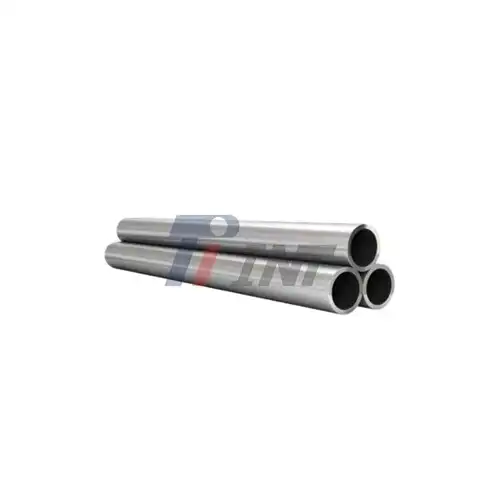
In fact, titanium rods are used a lot in surgery, especially for back and joint problems. These high-performance implants are usually made from Ti-6Al-4V ELI (Grade 23) or commercially pure titanium. They are used to fix fractures, fuse spinal discs, and stabilize the spine inside the skull. The titanium rod medical section deals with important issues like stress shielding, implant rejection, and long-term wear failure. Titanium rods are the best material for modern surgery because they have a measure of flexibility that is closer to human bone than to stainless steel. This means that they prevent bone loss and promote excellent osseointegration.
|
|
|
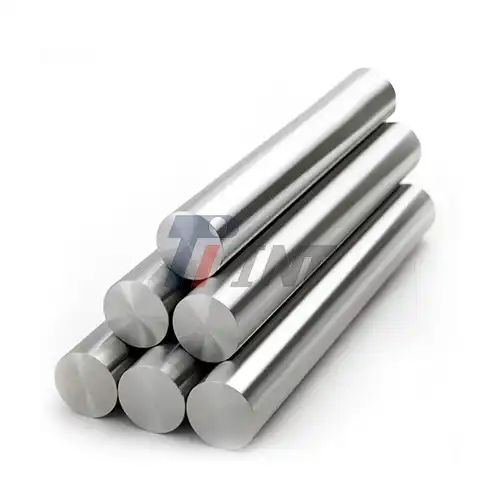
What Are Titanium Rods and Their Medical Applications?
Medical-grade titanium rods are a sophisticated type of safe material that was made to be implanted surgically. Learning about their features and how they can be used helps purchasing managers make smart choices about where to get things, which have a direct effect on how well patients do and how efficiently things are made. This titanium rod medical application knowledge is essential for professional sourcing.
Material Properties That Define Surgical Excellence
Surgical titanium is different from industrial-grade titanium because of the way it is made. Titanium rods made for medical use have a strength-to-weight ratio that makes them much easier for patients to carry while they heal. Because they don't rust, they stay stable even after being exposed to body fluids for long periods of time, sometimes decades. Because these materials are biocompatible, the immune system of a person sees them as safe, which greatly lowers the rate of refusal compared to other metals. When we look at the microstructural composition, controlled interstitial element boundaries make sure that the mechanical properties are the same from one production batch to the next. This is very important for makers who want to keep quality standards.
Clinical Applications in Orthopedic Surgery
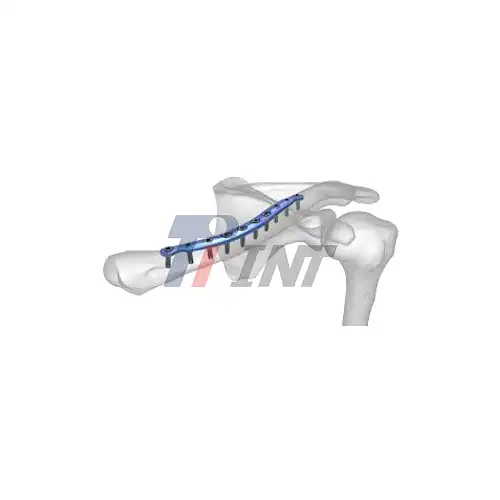
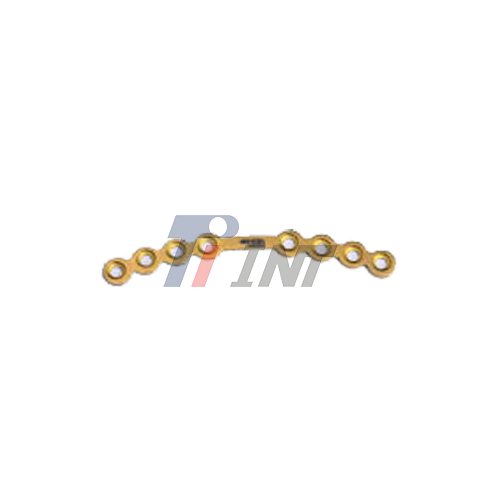
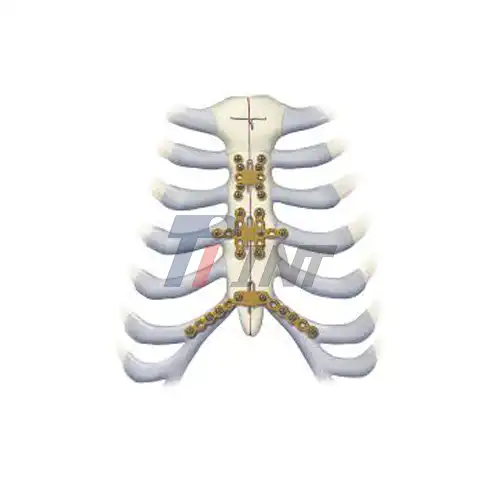
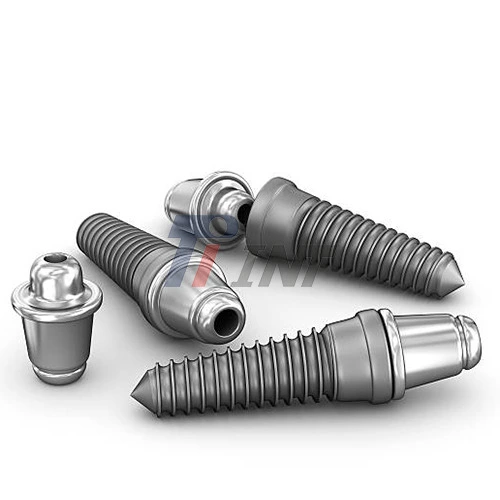
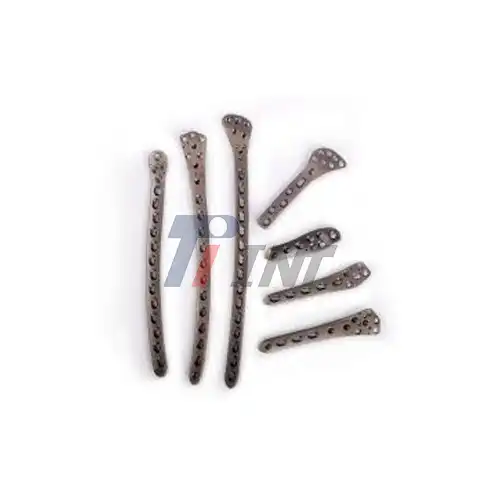
Titanium rods are used by orthopedic doctors for many important treatments. During spinal fusion surgeries, pedicle screw systems connect shaped plates between vertebrae. This keeps the spine stable while letting bone grow. In intramedullary nailing, titanium rods are put into the medullary canal of long bones to treat femur and tibial fractures. These rods provide internal support while the bones heal. Bone plates and external fixation devices have titanium rod parts that can be used to fix complicated fractures when other methods don't work. Due to its flexibility, the material lets doctors bend rods during surgery without creating tiny cracks that could weaken the structure.
Industry Standards and Certification Requirements
For medical equipment procurement, meeting foreign standards is still a must. ASTM F136 describes the standards for medical implants made of wrought Ti-6Al-4V ELI alloy, and ASTM F67 talks about types of commercially pure titanium. ISO 5832-3 gives European standards that are the same and are in line with the steps needed to get CE approval. These standards require strict testing methods, such as checking the tensile strength, the wear resistance, and the biocompatibility. Manufacturers who follow ISO 13485:2016 have quality management systems that are established and built to make medical devices. This is something that procurement managers should look for in suppliers when they are evaluating them.
Titanium Rods vs. Alternative Materials: Making the Right Choice
The choice of material has a big effect on how well surgery goes, how long the device lasts, and how happy the patient is. When you compare titanium to other materials, you can see that it has clear benefits that make it the market leader in high-performance titanium rod medical uses.
Stainless Steel: Traditional but Limited
Stainless steel used to be the most popular material for medical implants because it was cheaper and easier to make. But its amount of flexibility is about twice that of human bone. This creates a stress shield that can cause bone loss around the implant site. Concerns have also been raised about stainless steel and nickel sensitivity in some patient groups. It works for temporary anchoring devices but not for permanent implants where long-term biocompatibility is important. The magnetic qualities of the material make MRI treatments more difficult, which limits the diagnostic choices for people with stainless steel implants.
Ceramic and Carbon Fiber Considerations
Ceramic implants are biocompatible and don't wear down easily, so they can be used for joint replacement surfaces. Because they break easily when pulled apart, they can't be used in load-bearing rod situations where resistance to impact is important. While carbon fiber composites are radiolucent, which is good for imaging, they still don't bond as well with bone tissue as titanium does naturally (“osseointegration”). Because they are harder to make and cost more, they aren't used as much in normal surgeries, where titanium's proven performance provides a solid baseline.
Specification Standards for Optimal Selection
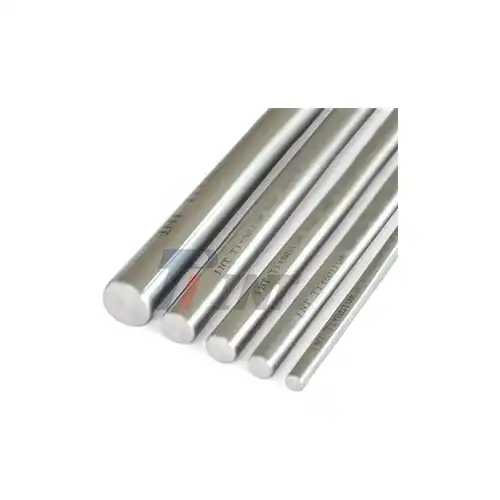
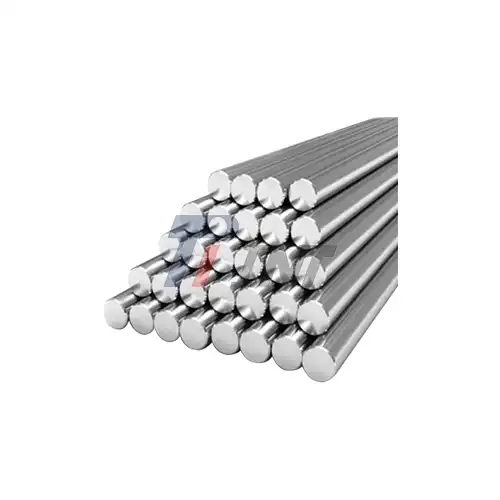
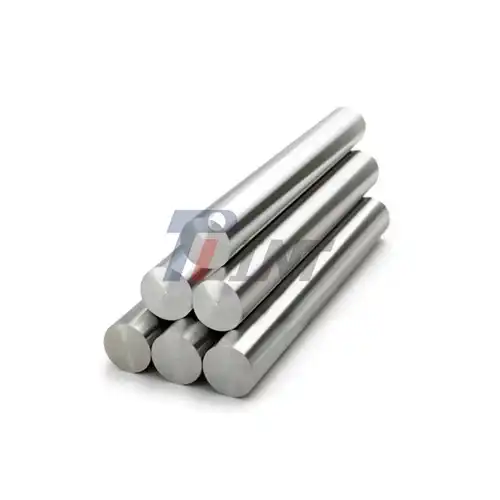
Medical titanium rods come in diameters ranging from 3mm to 100mm, so they can be used for a wide range of medical needs, from reconstructing big bones to using them in children. Customizable lengths of up to 6 meters help makers keep their inventory to a minimum while still meeting the needs of particular devices. Surface treatments, such as polished, sanded, or machined, affect how quickly bones fuse and how easy they are to handle during surgery. When purchasing materials, procurement specialists should check the tensile strength (860 MPa for Grade 5), yield strength (795 MPa), and elongation rates (10%) to make sure the materials meet the design standards for the device.
Procurement Insights: How to Source Medical Grade Titanium Rods Efficiently?
Effective sourcing strategies strike a mix between managing costs, making sure high standards are met, and following the rules. When procurement managers are handling this niche titanium rod medical market, it helps to know how to evaluate suppliers and what the best practices are in the business.
Evaluating Manufacturer Credentials and Capabilities
Trustworthy providers show that they have been making medical titanium for a number of years. When looking at possible partners, check to see if they have any quality management standards, such as ISO 9001:2015 for general quality systems and ISO 13485:2016 for medical products. Manufacturers with CE approval show that they follow European rules for medical devices. This means that your final goods can reach more customers. Technical skills are also important. Suppliers should give customization services, such as different metal formulas, precise machining, and different surface treatment choices. Companies with their own research and development (R&D) teams offer helpful expert support during the product development process, which helps choose the best materials for each job.
Understanding Bulk and Custom Order Dynamics
Price structures and lead times are greatly affected by the amount that needs to be ordered. Bulk sales usually lower the cost per unit, but they need to be carefully managed so that materials don't go bad or cause storing problems. Custom orders let you match exact specifications, but based on production plans, they may take longer to deliver. When planning purchases, you might want to make framework deals with qualified sellers that promise stable prices and early output slots. This method works especially well for producers who need to keep the quality of their materials consistent and whose production numbers are predictable. Before buying in bulk, you should follow sample testing methods to make sure the mechanical qualities, surface finish quality, and dimensional accuracy meet your needs.
Logistics and Delivery Timeline Considerations
When medical-grade materials are shipped internationally, they need to be carefully documented and handled. For each production lot, suppliers should give full material tracking paperwork, such as mill certificates, chemical composition records, and mechanical test results. Especially for pre-machined parts with tight standards, packaging must keep materials clean and safe from damage while they're being shipped. Lead times depend on the type of material, the size, and the current production capacity. Standard standards usually ship within 4 to 6 weeks, but special formulations may take 8 to 12 weeks. Building ties with sellers who keep a strategic inventory of popular specs can cut down on the time it takes to get things that are needed right away by a large amount.
Quality Assurance and Compliance in Medical Titanium Rod Supply
Quality assurance steps keep patients safe and keep your company's name clean. Knowing everything about sterilization, licensing, and the legal titanium rod medical process helps you choose a provider wisely and lower your risk.
Sterilization Processes for Implant Safety
Medical titanium rods that are going to be implanted must go through approved procedures for cleaning. Using full steam at 121°C or 134°C in an autoclave to sterilize something gets rid of microbes while keeping the material's features. Gamma radiation disinfection is an option for pre-packaged devices, but the dose needs to be carefully managed to keep hybrid devices from breaking down. Ethylene oxide cleaning works well for temperature-sensitive parts, but it takes a long time to get rid of any leftover gas. Manufacturers should keep records of sterilization confirmation studies that show the process works and the materials are compatible. Regular tracking should be done to make sure that standards are maintained during production runs.
Navigating Regulatory Requirements Across Markets
The US Food and Drug Administration (FDA) considers most titanium rod implants to be Class II or Class III medical devices that need to be pre-approved (510k) or notified to the FDA before they can be sold. The Medical Device Regulation (MDR 2017/745) spells out the steps that must be taken to make sure that products on European markets have the CE mark. For these routes, you need a lot of scientific paperwork, like a description of the material, biocompatibility tests according to ISO 10993 series, and reports on clinical evaluations.
Suppliers who already know a lot about regulations can help you get into a market faster by giving you supporting documents and advice on testing requirements. When buying from manufacturers outside of your main market, make sure they know what the standards are for the target country and can give you the certificates of conformity you need.
Supplier Audit and Quality Control Protocols
Strong seller evaluation goes beyond the initial study for certification. On-site checks show production skills, quality control systems, and operating maturity in a way that written records can't. During checks, look at the methods for verifying raw materials, inspecting while the product is being made, and trying the finished product. Suppliers should show that they have implemented statistical process control and written down how to fix problems when they happen. Setting up quality agreements that spell out acceptance standards, review levels, and reporting requirements for deviations makes everyone responsible and makes sure that everyone in the business relationship is on the same page about what quality means.
Future Trends and Innovations in Titanium Rod Medical Implants
Improvements in material science and new ways of making things keep changing the titanium rod medical business. Keeping up with new trends helps procurement pros predict changes in the market and find ways to get ahead of the competition.
Advanced Alloy Development and Surface Treatments
Scientists are working on changing titanium metals so that they have better mechanical qualities and are more like certain types of bone. Beta titanium alloys have lower elastic modulus values, which means they don't hide stress as well, but they are hard to make, which keeps them from being widely used right now. Surface change methods like plasma spraying, anodization, and bioactive coats speed up the mending process and increase the rate of osseointegration. Surgical site infections are a chronic problem in orthopedic procedures. Antimicrobial surface treatments that use silver ions or copper show promise in lowering these infections. While these new ideas may come with higher prices at first, they can help companies that are trying to reach expensive market groups stand out.
Additive Manufacturing and Patient-Specific Solutions
The way medical titanium products are thought of and made is changing because of three-dimensional printing technologies. Direct metal laser sintering (DMLS) and electron beam melting (EBM) make it possible to create complicated shapes that can't be made with standard tools. For example, they can make structures with holes that let bone grow into them. Customized implants made from CT scan data improve fit and physical performance, but the rules for these devices are still being worked out. The technology also allows for fast testing during research and development, which shortens the time it takes to make a product. As the price of equipment goes down and process validation is made more consistent, additive manufacturing is likely to change the way supply chains work by moving production closer to hospital areas.
Sustainability and Responsible Sourcing Initiatives
Environmental factors are becoming more and more important in the medical gadget business when it comes to buying things. Titanium can be recycled, which supports the idea of a circular economy. However, special techniques are needed to keep the purity at a medical-grade level during recycling. Companies that are committed to sustainability will be interested in manufacturers who use green energy sources and production methods that use less energy. Transparency in the supply chain, such as checking that responsible mining is done and that labor standards are followed, meets the growing demands of stakeholders when it comes to ethical buying. As healthcare systems and governing bodies put more emphasis on environmental responsibility along with traditional quality and safety standards, these things may become differentiators.
Conclusion
These days, titanium rods are an important part of surgery because they are biocompatible, work well mechanically, and last a long time. For people who work in purchasing medical devices, knowing about the qualities of materials, government rules, and ways to judge suppliers helps them make smart choices about where to buy things that lead to new products and market success. As titanium alloys get better, additive manufacturing gets better, and environmental efforts grow, the titanium rod medical market needs to stay aware of both the possibilities and the challenges. Medical device businesses can build the basis for life-changing surgical solutions by working with experienced manufacturers who can show they have technical know-how, good quality management, and follow the rules.
FAQ
Q1: What makes titanium suitable for surgical implants?
A: Titanium is very biocompatible, which means that the body can handle it without having an immune reaction or rejecting it. Because it doesn't rust, it stays stable for decades in the body's harsh chemical environment. The material's strength-to-weight ratio gives the structure the support it needs while keeping the implant's weight low. This makes the patient more comfortable during healing and long-term use.
Q2: How does Ti-6Al-4V ELI differ from standard titanium?
A: When you compare normal Ti-6Al-4V to Ti-6Al-4V ELI (Extra Low Interstitial), you can see that ELI has less oxygen, nitrogen, and carbon. These lower levels of intermediate elements make the material more flexible and less likely to break, which are important qualities for implants that are loaded and unloaded over and over again. The ELI grade is designed for medical uses where fatigue resistance is important for implant life.
Q3: Can titanium rods be sterilized multiple times?
A: Titanium rods can be sterilized more than once without losing many of their properties as long as the right methods are used. Sterilization in an autoclave works best for repeated processes. But medical implants are usually sterilized so that they can only be used once before they are put in. Surgical tools made of titanium can be sterilized many times over the course of their useful life. The titanium rod medical equipment durability is a major advantage for instrument reuse.
Partner with a Trusted Medical Titanium Rod Manufacturer
Baoji INT Medical Titanium Co., Ltd. has been making certified medical-grade titanium materials for the world healthcare business for more than 20 years. Our wide range of products includes pure titanium and Ti-6Al-4V ELI rods with sizes from 3mm to 100mm, lengths up to 6 meters that can be customized, and surface finishes that are made just the way you want them. The ISO 9001:2015, ISO 13485:2016, and CE approvals on every product make sure that it meets worldwide standards for medical devices.
Our technical team can help you choose the right materials, use the right processing technology, and follow the right quality control procedures for your purpose. We give you stable quality and reliable wait times that work with your production plans, whether you need standard specs or unique formulations. Contact our team at export@tiint.com to talk about your needs for a titanium rod medical source and to get samples that show how committed we are to making things precisely.
References
1. American Society for Testing and Materials. (2020). Standard Specification for Wrought Titanium-6Aluminum-4Vanadium ELI Alloy for Surgical Implant Applications (UNS R56401). ASTM F136-13.
2. Geetha, M., Singh, A. K., Asokamani, R., & Gogia, A. K. (2009). Ti based biomaterials, the ultimate choice for orthopedic implants – A review. Progress in Materials Science, 54(3), 397-425.
3. International Organization for Standardization. (2016). Medical devices — Quality management systems — Requirements for regulatory purposes. ISO 13485:2016.
4. Long, M., & Rack, H. J. (1998). Titanium alloys in total joint replacement—a materials science perspective. Biomaterials, 19(18), 1621-1639.
5. Niinomi, M. (2008). Mechanical biocompatibilities of titanium alloys for biomedical applications. Journal of the Mechanical Behavior of Biomedical Materials, 1(1), 30-42.
6. U.S. Food and Drug Administration. (2018). Classify Your Medical Device. Center for Devices and Radiological Health, Medical Device Classification Procedures.
_1753859685128.webp)
_1750662961697.webp)