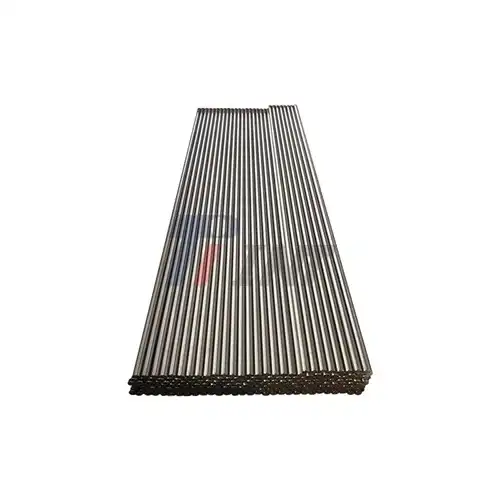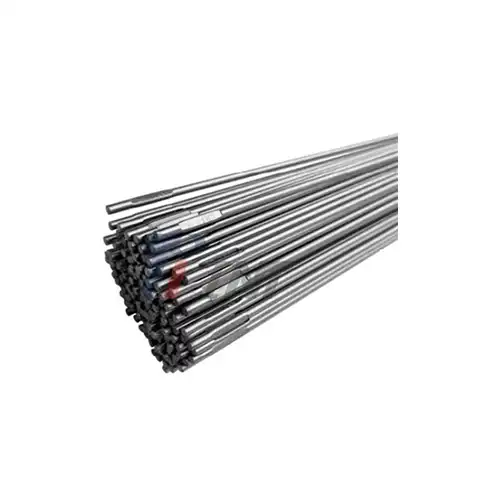

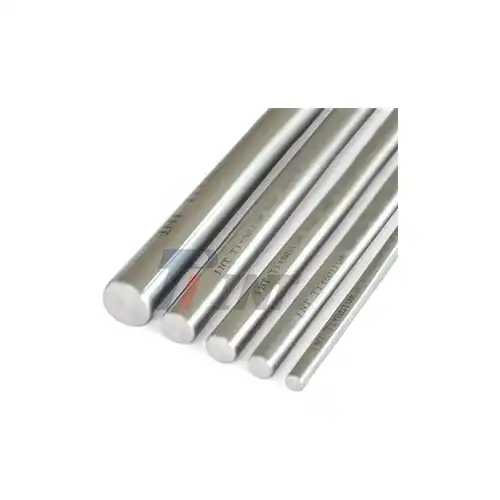
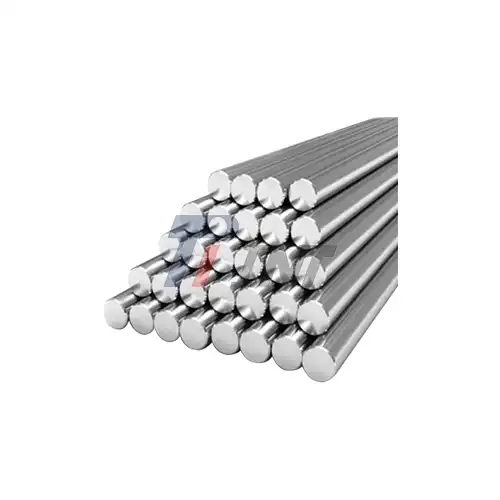
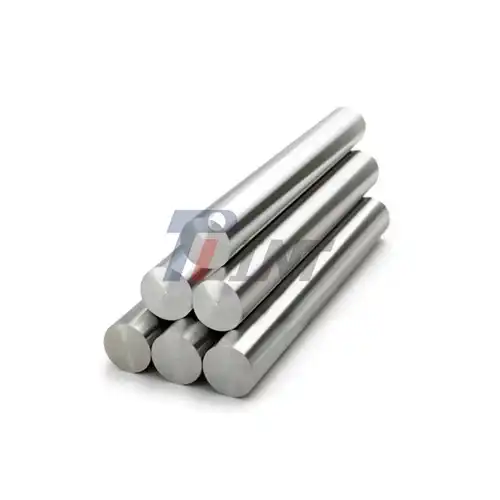
Differences between titanium bar grades for medical use


 2026-06-10 08:54:37
The stakes could not be higher when looking for materials for medical gadgets that save lives. A titanium bar for medical use is the basic material that implants, surgery tools, and other important parts of healthcare are made of. But not every titanium bar works the same way. The grade you choose has a direct effect on the safety of patients, compliance with regulations, the efficiency of production, and the image of your business. Knowing the differences between the types of titanium bars isn't just useful technical information; it's also essential for buying things in a responsible way.
|
|
|
Overview of Medical Grade Titanium Bars
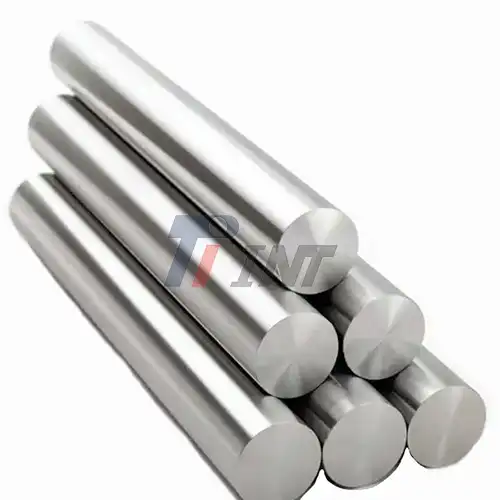
Medical grade titanium bars are made from carefully designed raw materials that are made in controlled environments to meet the strict standards of medical uses. In contrast to industrial titanium, these bars go through vacuum arc remelting (VAR) methods that get rid of high-density spots and make sure the microstructure is uniform. This strict manufacturing process solves one of the biggest problems in making medical devices: making sure that materials that will be inside people for years or even decades are completely reliable.
Medical grade bars are different from regular industry bars because they strictly follow international standards. Commercially pure titanium grades are governed by ASTM F67. The Ti-6Al-4V ELI alloy, which is widely used in permanent implants, is governed by ASTM F136 and ISO 5832-3. These guidelines require exact limits on chemical makeup, mechanical properties, and proof of traceability. At Baoji INT, every medical titanium bar we make comes with a full Mill Test Certificate (MTC) that meets EN 10204 3.1 standards. This shows the full material history from the raw material to the finished bar.
Medical titanium is biocompatible because it has a steady passive oxide layer that forms on its own when oxygen is introduced. This nanometer-thick layer stops the release of ions into nearby tissue, which stops the inflammatory reactions that come with metals that don't mix well with the tissue. Medical grade titanium has a value of elasticity around 110 GPa, which is much closer to human bone than stainless steel's 200 GPa. This means that it reduces the stress buffering effects that can cause bone loss around implants. Because of these qualities, titanium bars are needed for many things, from hip stems to tooth abutments.
Understanding Different Titanium Bar Grades for Medical Applications
For medical uses, titanium grades come in a variety of forms, including commercially pure (CP) grades and specialized alloys, each designed to meet particular performance needs. Because there are so many types, producers can perfectly match the properties of the materials to the needs of the application. This improves both clinical results and production costs.
Commercially Pure Titanium Grades
There are four types of commercially pure titanium. The main difference between them is the amount of oxygen in them, which affects their strength and flexibility. Grade 1 has the least amount of oxygen (up to 0.18%), which makes it very easy to shape and very resistant to rust. This grade is good for things that need to be as flexible as possible, like thin-walled parts in heart devices. Grade 2, which has an oxygen level of up to 0.25%, is popular for tooth implant parts and surgical tool handles because it is moderately strong and very resistant to corrosion.
Grade 3 raises the oxygen level to a maximum of 0.35%. This gives the material a higher tensile strength, close to 450 MPa, but it also makes it less flexible. With an oxygen level of 0.40% and a maximum tensile strength of over 550 MPa, Grade 4 is the strongest commercially pure version. These better grades are used in load-bearing situations where pure titanium's lower weight compared to alloys is a benefit, though their less flexible nature needs to be carefully thought out during fabrication. Titanium bar for medical use often utilizes these grades to ensure both strength and biocompatibility for various medical applications.
Titanium Alloy Grades: Ti-6Al-4V and Ti-6Al-4V ELI
The Ti-6Al-4V metal is most often used in medical settings where strength is important. This alpha-beta alloy has a final tensile strength of over 900 MPa, which is almost twice as high as Grade 4 pure titanium. It is made up of 6% aluminum and 4% vanadium. Its high strength-to-weight ratio makes it perfect for orthopedic implants, spine rods, and trauma fixation plates that need to be strong without being too big.
Ti-6Al-4V ELI, which stands for "Extra Low Interstitial," is the best medical grade of Grade 5 titanium. By keeping oxygen below 0.13% and iron below 0.25%, ELI grade gets better flexibility and fracture toughness, which are important qualities for implants that are easily broken. Because it is tougher, it is less likely to fail catastrophically in situations with repeated loads, like hip stems that go through millions of walking cycles. At Baoji INT, our Ti-6Al-4V ELI bars always meet or go beyond ASTM F136 standards, giving you the dependability you need for tough uses. The material is the best for lasting placement because it is biocompatible and has been shown to work in clinical studies for many years.
Alternative Medical Alloys
Because of worries about vanadium's possible effects on living things, Ti-6Al-7Nb was created as an alternative to Ti-6Al-4V. However, a lot of study has proven that alloys with vanadium can be used in medicine. The version with niobium has similar mechanical qualities but should be better at working with living things. However, Ti-6Al-4V ELI is still the best option because it has a long history of use in humans, is widely accepted by regulators, and can be made using well-known methods.
Titanium Bar vs Stainless Steel Bar for Medical Use: Grade Implications
Choosing between titanium and stainless steel for a device's material is a major purchasing choice that has big effects on how well it works, how well patients do, and how much it costs over its entire life. Both materials are used in the medical field, but their different qualities make them ideal for different uses.
Performance Comparison
Stainless steel metals, especially 316L surgical stainless, are very cheap to start with and have a higher modulus of elasticity, which can be useful in fixation uses that need more stiffness. Titanium, on the other hand, is more resistant to rusting than stainless steel in body fluids, which are full of salt. Nickel ions can be released by stainless steel, which could cause allergic reactions in people who are sensitive. Titanium's neutral oxide layer completely removes this problem.
In many situations, the change in weight is therapeutically important. Titanium has a density of 4.5 g/cm³, while stainless steel has a density of 8.0 g/cm³. This means that titanium parts weigh almost half as much for the same volume. This weight loss means that patients with big implants will have less to carry, surgery will go more smoothly, and shipping costs will go down for companies that make a lot of implants. The strength-to-weight advantage is especially clear in aircraft parts that need to have the best performance with the least amount of mass.
Economic Considerations
Raw material for a titanium bar for medical use usually costs 200 to 400% more than stainless steel, which makes it necessary to choose steel for uses that need to save money. But this study doesn't look at lifetime value. Titanium's high rust resistance makes implants last longer, which could lower the number of surgeries that need to be redone. Its biocompatibility reduces the risk of inflammation problems that can make it necessary to remove the device. Titanium's total cost of ownership is often the same as or lower than that of other materials, especially for high-end devices, when complications are lowered, device life is extended, and patient happiness is raised.
Material economics is also affected by issues related to manufacturing. Because titanium doesn't conduct heat well and tends to work-harden during grinding, it needs special cutting tools and settings. Modern CNC tools, on the other hand, can handle titanium well when set up correctly. We know how to offer precisely-ground bars with tight tolerances (ISO h8 or h7) so that Swiss-style turning operations can be done quickly and easily. This makes machining easier and helps keep production costs low, even though titanium has some special qualities.
How to Pick the Correct Titanium Bar Grade for Medical Needs?
To choose the best titanium grade, you need to carefully look at the needs of the application, the rules that apply, and the facts of production. Smart buying matches the qualities of materials with what doctors need while keeping costs low and the supply chain safe.
Selection Criteria Based on the Application
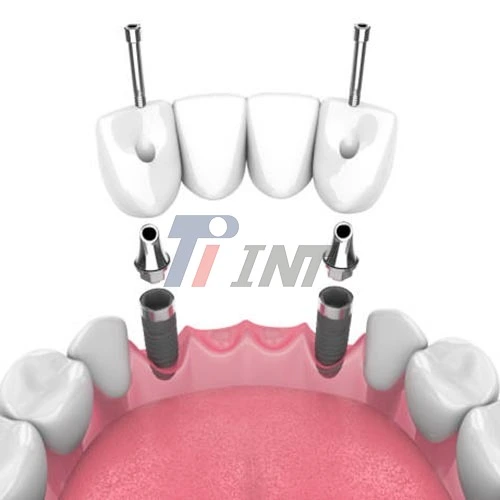
Load-bearing orthopedic implants like spine rods, hip stems, and knee components usually need Ti-6Al-4V ELI because it is very strong and doesn't wear down easily. ELI grade's higher fracture toughness is necessary to keep these devices from failing catastrophically during their service life, which includes millions of load cycles. Ti-6Al-4V ELI is also good for dental implants when it comes to the threaded implant body. However, some makers use Grade 4 CP titanium for the abutments because it can handle smaller loads and doesn't rust as easily in the mouth.
When it comes to surgical tools, there are different needs. Handheld instruments like tweezers, retractors, and knife handles work best with Grade 2 or Grade 3 CP titanium. This grade is strong enough for these non-implantable uses and doesn't rust even after many sterilization rounds. Since these devices don't have to hold weight, the mild strength is enough, and the lower cost compared to alloy types increases product profits.
Plates, screws, and intramedullary nails are all types of trauma stabilization devices that need to be carefully graded based on their physical needs. Ti-6Al-4V ELI is often used in fracture plates that connect long bone pieces because it is strong and doesn't wear down easily. In less demanding parts of the body, smaller screws may use Grade 4 CP titanium to get good performance while also saving money on materials. When buying teams understand these differences, they can choose the right types for each part instead of always using premium materials.
Regulatory and Certification Requirements
FDA 510(k) applications and CE marking dossiers need a lot of information about the materials used to show that they meet accepted standards. Getting a titanium bar for medical use from sellers who offer full paperwork packages speeds up the approval process by regulators. Every package from Baoji INT Medical Titanium Co., Ltd. comes with a full MTC that lists the metal's chemical make-up, mechanical qualities, heat treatment conditions, and whether it meets ASTM F67, F136, or ISO 5832 standards, as needed. Our ISO 13485:2016 certification and EU CE compliance show that we handle quality in a planned way throughout the whole production process.
Traceability is another important legal condition. Medical device makers have to keep track of all the materials that went into making their products, from the provider of the raw materials to the end product. Our bar identification method allows for lot-specific tracking, which makes it possible to connect any implant problem to the properties of the original material. This paperwork is very helpful during regulatory reviews and helps with the post-market surveillance activities that are required by global medical device laws.
Supplier Qualification Considerations
In addition to material requirements, the dependability of the provider has a direct effect on the continuity of production. Lead times for medical-grade titanium bars are usually between 8 and 12 weeks for normal sizes. Custom sizes make lead times even longer. Supply disruptions can be lessened by building ties with suppliers and keeping stock of popular sizes. Just-in-time manufacturing methods are supported by our strategic stocking program, which makes sure that diameters and lengths that are bought a lot of times are always available.
The ability to provide technical help is what sets strategic partners apart from commodity providers. During product development, material advice is often needed for medical uses that are very complicated. Our founder, Mr. Zhan Wenge, has worked in the titanium business for thirty years and helps our engineering team with grade selection, machining parameters, surface treatment choices, and quality control methods. This way of working together cuts down on pricey mistakes in material specifications and speeds up the development process.
Practical Tips for Purchasing and Handling Titanium Bars for Medical Use
Effective titanium bar for medical use buying includes more than just choosing the right grade. It also includes making sure that the specifications are met, the quality is checked, and the bars are handled correctly throughout the supply chain. Paying attention to these practical details keeps production from being held up and makes sure that the quality of the parts stays the same.
Specification Development
When defining dimensions, the ways they are made must be taken into account. To keep the lathes from vibrating and keeping them centered during high-speed operations, Swiss-style CNC lathes that use guide rings need very small diameter tolerances. By choosing an ISO h8 or h7 tolerance on the width, you can be sure that the bar will be consistent and work with precision cutting. Tolerances for length should allow for cutting and material handling systems while keeping waste to a minimum. Specifications for surface finish affect how easy it is to machine and how good the end part is. Centerless ground bars are better at being round and having a smooth surface than turned and polished bars, which helps them work better during cutting.
Customization tools are useful for getting the most out of the materials you use. Standard mill lengths of 3 to 6 meters often make too much scrap for shorter runs of parts production. Ordering custom lengths that match your cutting designs cuts down on waste and the costs that come with it. In the same way, material output is higher when specific diameter needs are given instead of the closest standard size. We offer full customization services that let you change the size, finish, and technical qualities to fit your exact needs.
Quality Check After Receiving
Before production starts, incoming checking methods should check that important material properties are correct. A visual inspection finds clear flaws like splits on the surface, deep scratches, or discoloration that means the item has been contaminated. Using accurate micrometers to check the dimensions shows that the diameter, roundness, and straightness all meet the requirements. Positive Material Identification (PMI) testers check the chemical makeup to make sure the grade is correct. This stops expensive mistakes that could affect the biocompatibility of the device.
For normal production runs, mechanical property testing usually relies on MTCs given by the provider. But for important uses or to qualify a new source, tensile qualities and microstructure study may need to be tested separately. Alpha case, a thin, oxygen-rich layer that forms during high-temperature processing, must not be present on medical grade bars. Cross-sectional microhardness testing or metallographic examination confirms the right surface conditioning, which makes sure the material will work as predicted in terms of wear in the final product.
Best Practices for Storing and Handling
Titanium tends to gall when metals touch each other, so it needs to be handled carefully. Keep bars in secure cases or with materials between them that keep them from touching. Separate holding places from carbon steel keep iron from getting into them and starting corrosion. Temperature-controlled settings keep condensation from forming, which could speed up surface oxidation. However, titanium's inactive layer is very resistant to weathering in normal situations.
To be able to track materials during production, strong tracking methods are needed. Keep track of the lot number during cutting so that final products can be linked to the certificates for the original materials. Tracking is easier with barcoded stickers or engraved labeling that doesn't damage the material. This base for tracking helps with following the rules and allows for quick action if problems in the field need to be looked into in more detail.
Conclusion
Choosing the right grade of titanium bar for medical use is a big buying choice that needs to be made while keeping clinical performance, legal compliance, production feasibility, and cost in mind. Commercially pure types are great for less demanding uses because they don't corrode and are easy to shape. Ti-6Al-4V ELI, on the other hand, has the strength and fracture toughness needed for load-bearing implants. Knowing the subtle differences between grades lets you optimize specifications, which means matching the qualities of the material exactly to the needs of the application instead of always using premium materials.
A successful buying process includes more than just choosing the right grade. It also includes qualifying suppliers, checking the quality of their work, and following best practices for operations all along the supply chain. Partnering with experienced sellers who offer full technical support, complete paperwork, and reliable delivery changes the process of getting materials from a one-time purchase to a strategic partnership. This method speeds up product creation, makes sure that regulations are followed, and lays the groundwork for gadgets that make patients' lives better.
FAQ
Q1: What distinguishes Grade 23 from Grade 5 titanium for medical implants?
A: A type of Grade 5 Ti-6Al-4V metal called Extra Low Interstitial (ELI) is represented by Grade 23. The main difference is that there are strict limits on the interstitial elements, especially oxygen (maximum 0.13% vs. 0.20% in normal Grade 5) and iron (maximum 0.25% vs. 0.30%). Because of these smaller gaps between the cells, Grade 23 implants are the standard for permanent ones that need to be strong enough not to break. The higher toughness lowers the chance of catastrophic failure in places where loads change over time, like hip stems and spine rods.
Q2: Can different titanium grades be combined within a single medical device?
A: Combining different types of titanium in one gadget is technically possible, but needs to be carefully thought out by engineers. Different grades can form galvanic cells if they come into electrical contact in acidic settings. However, titanium's passive oxide layer makes this risk less likely than with other metal combinations. When mechanical properties don't match up at interfaces, stress analysis is needed to make sure that united parts are strong enough. Regulatory issues are also very important; mixing grades makes paperwork more difficult and could lead reviewers to question why certain materials were chosen.
Q3: How does sterilization affect different titanium bar grades?
A: Autoclaving, gamma irradiation, and ethylene oxide are common medical cleaning methods that don't have much of an effect on titanium grades compared to plastic materials. Titanium's mechanical qualities and surface chemistry are not likely to change when it is autoclaved (steam cleaning at 121–134°C). The high temperatures are still a long way below the temperatures at which titanium changes phases, so the substructure stays the same. Gamma irradiation is also safe for metals, though it may change the properties of surface oxides slightly. Titanium isn't greatly affected by ethylene oxide gas cleaning, but it needs to be properly degassed before it can be implanted.
Partner with a Trusted Medical Titanium Bar Supplier
With over 20 years of experience making medical-grade titanium materials, Baoji INT Medical Titanium Co., Ltd. combines mechanical knowledge with strict quality control methods. Our full range of products, including pure titanium, Ti-6Al-4V ELI bars, wires, plates, and precise forgings, makes it easy to get all the parts you need for making medical devices from a single source. Certifications like ISO 9001:2015, ISO 13485:2016, and EU CE show that quality management is organized and meets the requirements of global laws.
We know how hard it is for buying managers and R&D experts to deal with tight deadlines, strict quality standards, and limited budgets. Our expert team works together throughout the whole process of making a new product. They help with choosing the right materials, suggesting the best ways to machine them, and using quality control methods they've honed over decades of specializing in medical titanium. A strategic inventory of popular sizes helps with fast delivery, and the ability to make many changes to fit specific application needs is also available.
Our titanium bar for medical use gives your devices the performance foundation they need, whether you're making the next generation of hip implants, adding more dental products to your line, or looking for materials for surgical instruments. Please email our team at export@tiint.com to talk about your unique needs with materials experts who have experience in both metals and making medical devices. To judge our quality, you can ask for full material specs, proof of certification, or samples of the materials.
References
1. Rack, H.J., and Qazi, J.I. (2006). "Titanium alloys for biomedical applications." Materials Science and Engineering: C, 26(8), 1269-1277.
2. Niinomi, M. (2008). "Mechanical biocompatibilities of titanium alloys for biomedical applications." Journal of the Mechanical Behavior of Biomedical Materials, 1(1), 30-42.
3. American Society for Testing and Materials. (2013). ASTM F136-13: Standard Specification for Wrought Titanium-6Aluminum-4Vanadium ELI (Extra Low Interstitial) Alloy for Surgical Implant Applications. West Conshohocken, PA: ASTM International.
4. International Organization for Standardization. (2016). ISO 5832-3: Implants for surgery — Metallic materials — Part 3: Wrought titanium 6-aluminum 4-vanadium alloy. Geneva: ISO.
5. Long, M., and Rack, H.J. (1998). "Titanium alloys in total joint replacement—a materials science perspective." Biomaterials, 19(18), 1621-1639.
6. Geetha, M., Singh, A.K., Asokamani, R., and Gogia, A.K. (2009). "Ti based biomaterials, the ultimate choice for orthopaedic implants: A review." Progress in Materials Science, 54(3), 397-425.
_1753927576158.png)
_1753926358324.jpg)
_1753429726760.webp)
_1752462435099.webp)
_1750210148763.webp)