
Why is Titanium the Preferred Material for Orthopedic Implants?


 2026-06-11 10:17:52
When it comes to hip implants, the material chosen has a big impact on how well the surgery goes and how well the patient recovers over time. Titanium has become the best material in this field, and titanium plate implant devices are a great example of why. They feature the best mix of biocompatibility, mechanical strength, and rust resistance. When procurement professionals, R&D engineers, and supply chain managers look at implant materials, they need to know why titanium always works better than other options. This way, they can make smart buying choices that balance clinical effectiveness with cost-effectiveness.
|
|
|

Introducing Titanium Plate Implants: Composition, Benefits, and Performance
Material Composition and Engineering Precision
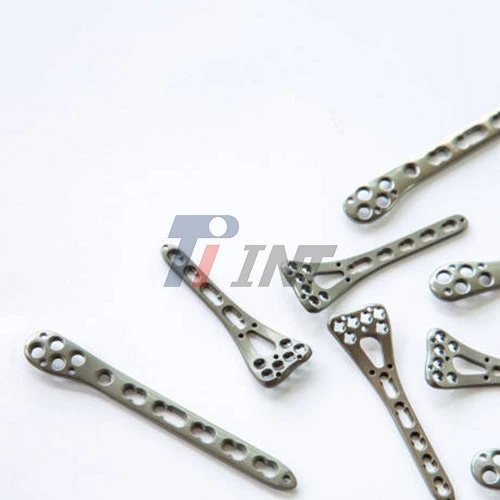
Titanium plate implant devices are mostly made from commercially pure titanium (CP Ti, Grades 1-4) or titanium alloy Ti-6Al-4V ELI (Grade 23), which are materials that are designed to last and work well with human bone tissue. These very accurate medical tools solve important problems in the field that have to do with physics and long-term implant security. Unlike standard stainless steel options, titanium's modulus of elasticity is very close to that of natural bone. This effectively stops the "stress shielding" phenomenon that happens when implants that are too stiff take loads that are too high for them to handle, causing bone loss in certain areas and implant loosening.
Core Performance Benefits
Precision CNC machining, forging, and improved surface techniques that improve osseointegration—the direct structural and functional link between living bone and the implant surface—are used in the production process. This way of engineering makes sure that implants can handle the tough mechanical needs of orthopedic uses while still working biologically with the tissues around them. Titanium is used a lot in hip treatment, which shows that it has some very good performance qualities. Biocompatibility is very important, and titanium has a very low risk of tissue rejection and limited inflammatory reaction compared to other metals.
Osseointegration and Load Distribution
One amazing thing about titanium is that it can help osseointegration, which means it can help bone and implant join directly without any fatty tissue getting in the way. This biological combination makes a physically stable interface that naturally spreads loads across the bone-implant system, similar to how natural skeletal structures work. Researchers have found that titanium surfaces, especially those with micro-textured or porous coats, speed up the adhesion and growth of osteoblasts. This cuts down on the time it takes to heal and increases the chance that the implant will last for a long time.
Titanium vs Other Implant Materials: Comparisons for Informed B2B Decisions
Titanium Versus Stainless Steel
People who work in procurement often look at stainless steel as a cheaper option to titanium. Stainless steel, especially 316L grade, is strong enough and costs less at first, but titanium is better for demanding medical uses for a number of reasons. Corrosion resistance is a key difference. Stainless steel contains iron, which can dissolve in body fluids, possibly releasing metal ions that cause bad reactions in tissues. Titanium's inactive oxide layer protects against galvanic rust better than any other layer. This is especially important for implants that will be in place for a long time.
Comparison with Ceramic and Polymer Alternatives
Ceramics like alumina and zirconia are biocompatible and don't wear down easily, so they can be used for surfaces that help joints move. But because they are so flimsy, they can't be used in load-bearing fixation devices that need to be strong against pressure and flexible. Titanium fills this gap because it has both high tensile strength and enough flexibility to handle shock loads without breaking. Polymer-based implants, like PEEK (polyetheretherketone) ones, are getting more attention because they are radiolucent and have an elastic elasticity like bone. However, plastics don't usually have the mechanical strength needed to fix main fractures in places where there is a lot of stress.
Cost-Effectiveness and Long-Term Value
When it comes to fixing bones, titanium plate implant devices are more stable than polymer options because they don't break down under the stress of weight-bearing bones. Titanium has been used in a lot of different health situations, so buying teams are sure that it will always work well. The initial cost of materials is only one part of the total value of the purchase. When buying managers look at cost-effectiveness, they need to look at the whole lifecycle, which includes things like fewer surgeries that need to be redone, fewer complications, and better patient results.
Procurement Guide: How to Source High-Quality Titanium Plate Implants?
Certification and Compliance Standards
When looking for high-quality titanium plate implant solutions, you need to work with certified, reliable sources who can show they follow international rules. One important certification is ISO 13485:2016 for medical device quality management systems, which proves that the manufacturing methods meet strict quality control standards. The requirements for the materials should be in line with ASTM standards, like ASTM F136 for titanium alloy medical implants and ASTM F67 for pure titanium that is sold in stores. With FDA approval or registration and CE marks for European markets, you can be sure that goods have been through thorough safety and effectiveness tests.
Customization and Bulk Ordering Considerations
Medical device makers often need to change the specs to fit the needs of specific product designs or surgery techniques. When looking at possible suppliers, you should see if they can do custom machining, offer different surface treatment choices, and be flexible with order numbers. Established providers with their own research and development (R&D) departments can help with choosing materials, improving handling technology, and setting up quality control. Lead times, minimum order amounts, and production ability should all be part of the bulk procurement ordering process to keep supply lines stable.
Global Logistics and Delivery Reliability
Getting titanium implants from another country includes a lot of complicated business issues, such as dealing with customs paperwork, shipping at the right temperature, and meeting import regulations. Work with sellers who know a lot about global logistics and can offer consolidated shipping choices and tracking tools to make sure your packages arrive on time. You should look at how well the provider meets production volume needs and shipping dates in the past, especially when demand is high. Long-term relationships with suppliers who value communication, proactive problem-solving, and ongoing growth ensure supply stability.
Why Titanium Remains the Preferred Choice: Technical and Business Perspectives?
Technical Superiority in Clinical Environments
Titanium has been the material of choice for a long time because it has clear technical benefits that affect surgery results and patient safety. The material's high biocompatibility keeps the immune system from reacting badly, which lowers inflammation and tissue discomfort that could slow down mending. This biological resistance is especially helpful for people who are sensitive to metals or who need long-term implants. Titanium's reliable durability in a wide range of physiological settings means that implants work well in a wide range of patient groups and anatomical places.
Business Advantages for Procurement Teams
When it comes to buying things, titanium gives you access to reliable supply networks that have well-established quality systems and full expert support. These relationships help companies that make medical devices keep the quality of their products high, follow government rules, and quickly meet customer needs. Products that help patients do better strengthen the bond between vendors and customers, which boosts the vendor's image and market place. Companies that favor titanium plate implant materials in their purchasing strategies will be able to take advantage of market growth while controlling risk.
Innovation and Market Trajectory
Orthopedic implant technology keeps getting better thanks to new ways of treating titanium and changing its surface. Advanced sealing technologies improve the rate at which implants fuse with bone, and 3D printing (also called "additive manufacturing") lets doctors make implants that fit and work perfectly for each patient. Adding bioactive elements that make biological interaction even better and improving the mechanical qualities of alloys are the main goals of alloy development. These changes in technology affect strategic purchasing choices because companies that offer research and development (R&D) services and support for new ideas can help their clients.
Case Studies and Industry Insights: Success Stories with Titanium Plate Implants
Clinical Applications Demonstrating Effectiveness
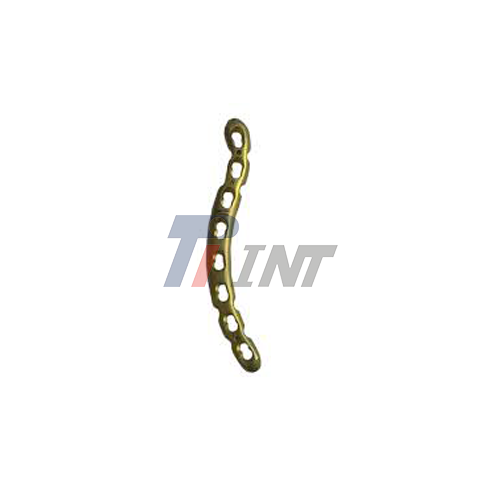
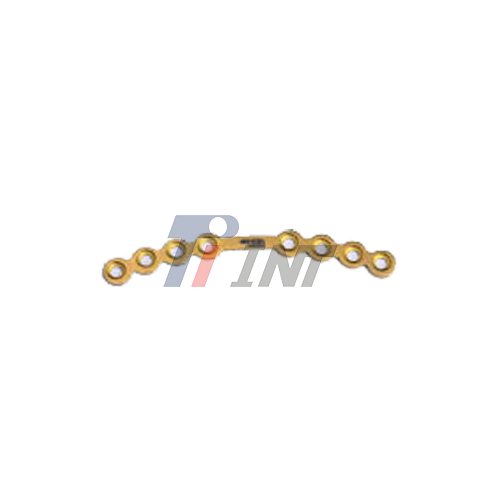
Applications in real life in a variety of medical areas show that titanium plate implant devices work. In craniomaxillofacial repair, thin titanium plates (0.6 mm to 2.0 mm thick) hold broken jaws and the middle part of the face together securely while causing as little pain to soft tissues as possible. Surgeons like the material because it can survive strong chewing forces without permanently changing shape. Using locking compression plate (LCP) methods for orthopedic trauma fixation shows how flexible titanium is when it comes to treating complicated fractures. Long bone fractures of the femur, tibia, and radius are helped by fixed-angle designs.
Performance Validation and Customer Testimonials
After a decompressive craniectomy, neurosurgical cranioplasty treatments use custom-made titanium plates to fix problems with the head. These implants, which are usually made using CNC machining or 3D printing, are perfectly shaped to fit the head of each individual patient. Comparative analyses of different clinical studies show that titanium implants constantly work well, with low rates of complications, great results for healing fractures, and few adverse events related to the implants. Patients say that titanium is the best material for challenging orthopedic uses because it is comfortable and restores function.
Conclusion
Titanium is the best material for hip implants because it is technically perfect, has been proven to work in clinical trials, and is also good for business. The special qualities of titanium plate implant devices—superior biocompatibility, ideal mechanical properties, and proven durability—address the essential needs of contemporary orthopedic surgery while supporting purchase goals related to quality, compliance, and cost-effectiveness. When purchasing workers need trusted implant options, they should work with certified suppliers who can show they know how to make the products, follow the rules, and care about their customers' success.
FAQ
Q1: What makes titanium biocompatible for orthopedic implants?
A: Titanium is biocompatible because it has a solid layer of titanium oxide that forms on its surface on its own. This layer stops metal ions from escaping and reduces inflammatory reactions. This inactive layer stops corrosion in physiological settings and helps cells stick together, which allows direct bone-to-implant fusion without damaging the tissue.
Q2: How long do titanium plate implants typically last?
A: Titanium plate implants are made to be put in for a long time or permanently, and many of them keep working for decades. The material's fatigue strength and corrosion stability make it reliable for long mending times and beyond, though individual results will vary depending on the patient and the clinical application.
Q3: How can buyers verify the authenticity and quality of titanium implants?
A: For authentication, you have to look over a lot of paperwork, like material certificates that say the product meets ASTM standards, ISO 13485 approval, biocompatibility testing results, and mechanical property validation. Reliable sellers give paperwork that shows how their goods were made using certified raw materials and quality-controlled methods. More proof can be found by trying samples and auditing suppliers before making big purchases.
Partner with Baoji INT Medical Titanium Co., Ltd. for Premium Titanium Plate Implant Solutions
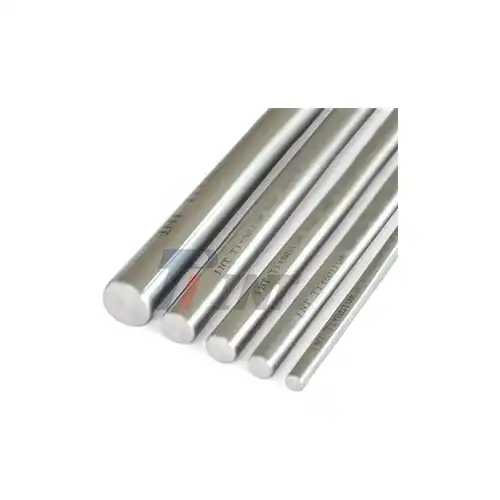
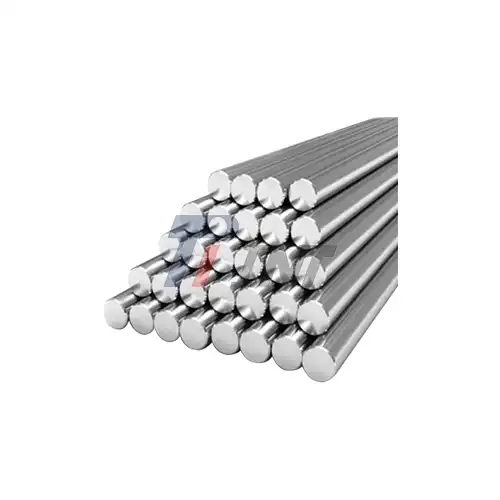
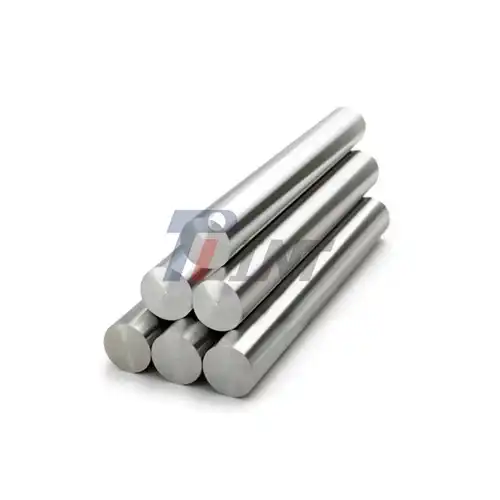
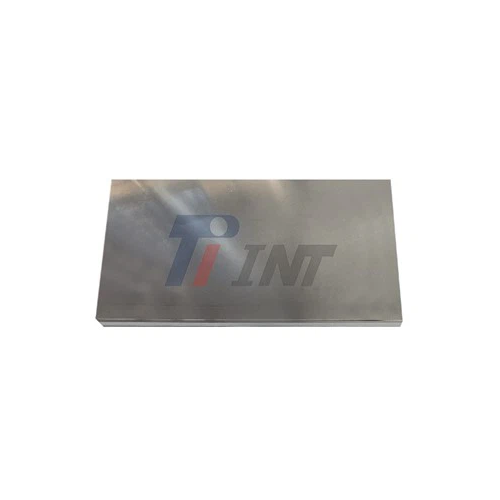
Baoji INT Medical Titanium Co., Ltd. is a leading company in the study, development, and production of medical titanium materials. We have been in business since 2003 and have over 30 years of experience in the titanium field. We offer a wide selection of approved titanium plate implant materials, such as commercially pure titanium (CP Ti) and Ti-6Al-4V ELI alloys in rods, wires, plates, and formed items that meet a range of requirements.
Our dedication to quality is shown by the fact that we have ISO 9001:2015, ISO 13485:2016, and EU CE certifications, which mean that every product we make meets international standards for medical devices. As a reliable titanium plate implant manufacturer, we provide flexible processing options, steady supply chains, and expert help that includes choosing the right materials, understanding how to process them, and keeping full records of all processes. Our knowledge of global logistics makes sure that large sales and foreign purchasing needs are met on time. Contact our team at export@tiint.com to discuss your unique needs.
References
1. Niinomi M, Nakai M, Hieda J. Development of new metallic alloys for biomedical applications. Acta Biomaterialia, 2012.
2. Geetha M, Singh AK, Asokamani R, Gogia AK. Ti based biomaterials, the ultimate choice for orthopedic implants: A review. Progress in Materials Science, 2009.
3. Long M, Rack HJ. Titanium alloys in total joint replacement: a materials science perspective. Biomaterials, 1998.
4. Elias CN, Lima JHC, Valiev R, Meyers MA. Biomedical applications of titanium and its alloys. Journal of the Minerals, Metals and Materials Society, 2008.
5. Chen Q, Thouas GA. Metallic implant biomaterials. Materials Science and Engineering Reports, 2015.
6. Kaur M, Singh K. Review on titanium and titanium-based alloys as biomaterials for orthopedic applications. Materials Science and Engineering C, 2019.
_1752643437358.webp)