
Top Benefits of Gr 4 Pure Titanium Medical Bar for Hospitals


 2026-11-06 14:47:58
Strength, biocompatibility, corrosion resistance, stability when machined, and quality records make Gr 4 pure titanium medical bar ideal for hospitals. Grade 4 must have 483 MPa yield and 550 MPa tensile strength, per ASTM F67. Aluminium and vanadium aren't needed to make gadget parts live longer. Hospital customers acquire implants and instruments that are used repeatedly and come into contact with bodily fluids while being cleansed and utilised daily. I explain each advantage, compare Grade 4 to other books, and show you how to purchase confidently in this guide.
|
|
|
Why Hospitals and Medical Manufacturers Choose Grade 4 Titanium Bar
What Gr 4 Pure Titanium Medical Bar Is
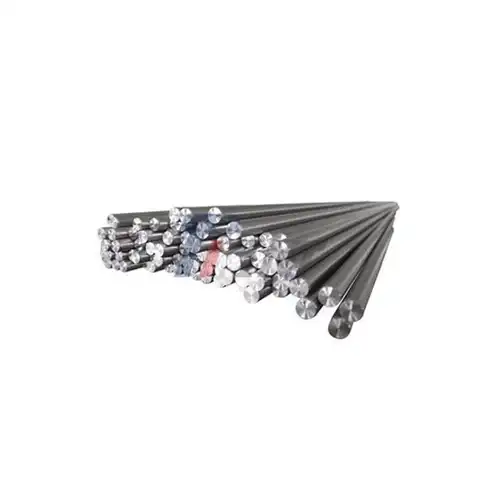
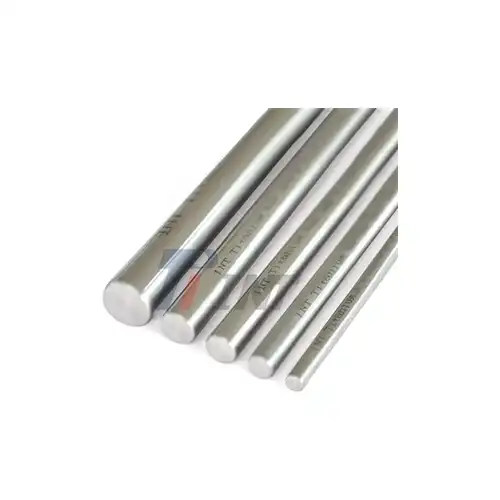
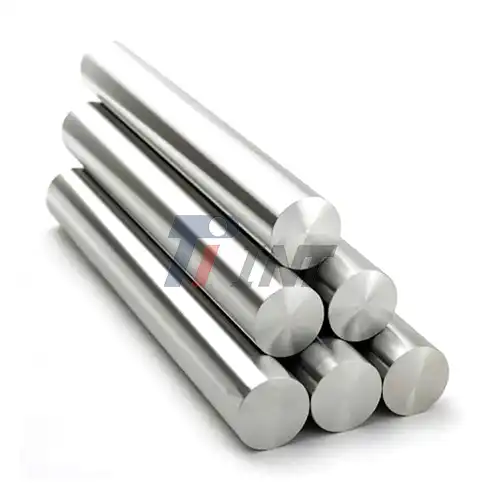
From weakest to strongest, commercially pure titanium has four categories. Best grade: fourth. Not that—controlled interstitial elements make it powerful. ASTM F67 allows Grade 4 to include 0.40% oxygen and 0.50% iron. These metal bits strengthen it without alloys. The circular, variable-length bar may be used to manufacture handles, screws, and shafts. I call it the middle path often. It's stronger than Grade 2 and lacks vanadium and aluminium like Ti-6Al-4V. For this reason, hospitals use it when they require a clean tale for a heavy portion.
Standards That Define the Material
Two key rules. ASTM F67 and ISO 5832-2 cover pure titanium surgical implants worldwide. They establish the lowest mechanical characteristics and nitrogen, carbon, hydrogen, iron, and oxygen levels. Grade 4 may contain 0.015 percent hydrogen, 550 MPa strain, or 15% hydrogen. ASTM B348 is a titanium bar standard, not an implant standard. US customers inform me their drawing standard before buying from me. Because what they pick affects paperwork and testing.
Why Hospitals Care About Raw Material
The operating room makes titanium bar purchases, not the hospital. What something is built of affects its durability, cleaning, and imaging equipment performance. A bar that tracks chemical and heat statistics helps manufacturers answer auditors' queries swiftly. It also helps hospital cleaners trust the tray. Nickel is in many stainless steels, and some individuals are allergic. Nickel is absent from pure titanium. Hospitals may detect device issues before they reach patients by asking about grade and certifications.
Core Benefits: Biocompatibility, Corrosion Resistance, and Strength
Benefit 1: Strong Biocompatibility for Implant and Biomedical Use
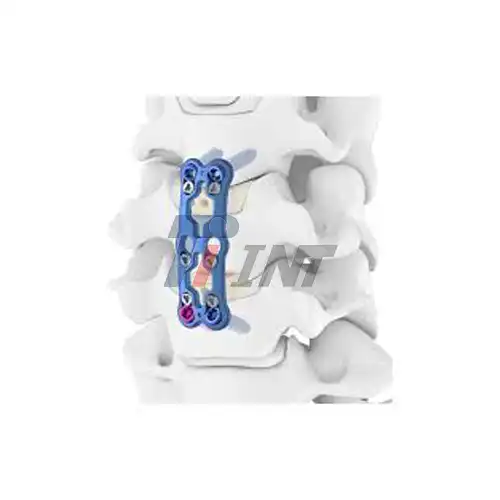
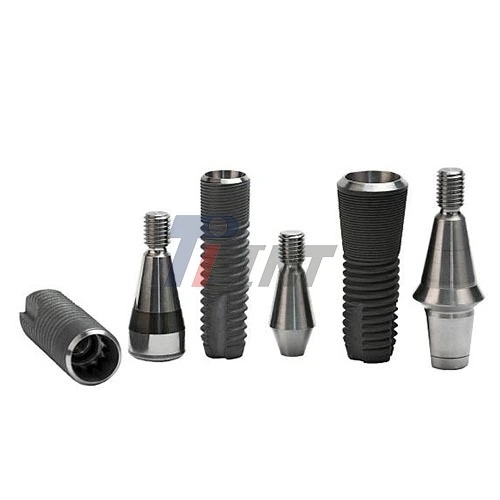
Grade 4 is safe for bone, tissue, and bodily fluid tasks. Dental implants, bone screws, orthopaedic fixation parts, and spinal parts are examples. Due to its stable oxide coating and lack of hazardous alloying elements, titanium biomaterials are claimed to be tissue-friendly. Still, biocompatibility goes beyond materials. Cleaning, machining residue, surface finish, and germ killing might affect results. I urge buyers to request chemical makeup, mechanical test reports, and heat or lot numbers for every shipment. The final device file will remain such.
Benefit 2: Corrosion Resistance in Clinical Environments
A thin titanium dioxide layer formed fast when titanium and air contact. When a scratch reveals fresh metal, this film develops. Titanium implants have long been utilised. This layer protects Grade 4 from water, chlorides, and bodily fluids. Repeated use of saline and cleaning solutions doesn't degrade film. Even so, performance may drop if iron comes on the surface, titanium contacts other metals, or the surface is damaged during machining. I recommend washing and sterilising the completed portion like the hospital does to check for rust.
Benefit 3: Higher Strength Than Lower Commercially Pure Grades
Gr 4 pure titanium medical bar stands out for its strength. ASTM F67 requires Grade 4 to have 550 MPa tensile and 483 MPa yield strengths. Grade 2 can reach 275 MPa yield and 345 MPa tensile. Thanks to this strength difference, designers can use smaller components or improve the safety margin of shafts, screws, and plates. Grade 4 does not meet ASTM F136's required tensile strength of 860 MPa and yield strength of 795 MPa for Ti-6Al-4V ELI. Engineers consider load, fatigue, and formability before choosing. Check the certified values for the specified bar condition.
Benefits in Clinical Use and Manufacturing
Benefit 4: Consistent Performance Across Dental, Orthopedic, and Surgical Uses
Grade 4 may handle many medical parts. Dental manufacturers desire clean surfaces and accurate measurements. Orthopaedic and spinal teams value fault and load analysis. Instrument manufacturers repeatedly steam sterilise it to evaluate its stability, cleanliness, and durability. Steel weighs 8 g/cm³, whereas titanium weighs 4.5 g/cm³. This makes hand tools lighter throughout extended processes. Titanium may be anodised to assist personnel organise instruments by size. The resulting gadget needs development before being utilised in patients.
Benefit 5: Good Machinability and Customization for OEM Production
If they control tools, speeds, coolant, and chip removal, machinists can create accurate Grade 4 items. Titanium's poor heat transfer causes heat to build up near its cutting edge. This makes tools wear out quicker than most steels. Sharp carbide tools, constant feeds, and plenty of coolant are excellent. Since Grade 4 is weaker than Ti-6Al-4V, it may be simpler to cut. For assurance, try this on a test bar. Baoji INT offers bars in different forms and sizes, so enquire about the optimal diameters and lengths for machining.
Benefit 6: Stable Supply-Chain Value and Long-Term Traceability
It's not enough to just have medical supplies on hand to get them. Inspections that come in, production records, audits, and any investigations that happen later are all linked by heat and lot numbers. When someone buys something, they should ask for material certificates that show chemical and mechanical results, heat numbers, records of dimensions, and ultrasonic reports if the drawing calls for them.
They also keep their quality high and their capacity steady even when they get the same order over and over. BAO INT products are easy for auditors to check because they are certified by EU CE, ISO 13485:2016, and ISO 9001:2015. Paperwork that is easy to understand speeds up the process of qualifying suppliers and helps companies that work with hospitals plan their deliveries.
Benefit 7: Lower Total Risk Through Standards-Based Quality Control
Quality control for Gr 4 pure titanium medical bar reduces technical risk and hidden expenses. Compare the oxygen, nitrogen, carbon, hydrogen, and iron amounts to the material certificate requirements. Write down diameter tolerance, straightness, ovality, cut length, and surface finish before buying. Depending on the part, inspections may involve visual, hardness, metallography, eddy-current, or ultrasonic testing. Before starting, decide on acceptance criteria, sample frequency, and report format. If you choose a wide bar standard, you may create gaps that become rejected lots.
Gr 4 Pure Titanium Bar Compared with Alternative Medical Materials
Grade 4 Versus Grade 2
Unmixed titanium begins at Grade 2. It is more flexible and simple to shape due to ASTM F67 minimums of 345 MPa for tensile and 275 MPa for yield. It strengthens 75% by Grade 4. This keeps entire screws, handles, and shafts in shape. In grade 2, surgeons bend and form plates and pieces. Grade 2 is better for forming, Grade 4 for loading. Many shops prefer this. The biocompatibility argument remains unchanged as neither grade contains aluminium or vanadium.
Grade 4 Versus Grade 5 (Ti-6Al-4V ELI)
For severe structural loads like hip stems, Ti-6Al-4V ELI is optimum for weight savings and strength. Grade 4's blend is simple and alloy-free, but it loses strength. Some design teams employ unalloyed material for dental parts, while others use Ti-6Al-4V ELI for fatigue resistance. There's no universal design solution. I can discuss Baoji INT's Ti6Al4V ELI and help you evaluate your drawing.
Grade 4 Versus Stainless Steel
You may mill steel 316L as usual, which may be cheaper. Titanium has a density of 4.5 g/cm³, compared to 8 g/cm³ for steel. It can stretch up to 105 GPa and to 190 GPa. Because implants are closer to the bone, stress shielding may not operate as effectively. Nickel and ferromagnetism are absent from this metal. MRI safety labels remain on the product. Not always is "stronger" "better." Consider expense over time, surface requirements, legal acceptability, and weariness before choosing.
How to Choose and Buy Grade 4 Titanium Medical Bar
Define the Application and Specification
Consider the regulatory class, duration of contact, mechanical force, and sterilisation time when choosing Gr 4 pure titanium medical bar. Next, verify ASTM F67, ISO 5832-2, ASTM B348, or client specifications. Record the grade, diameter, tolerance, surface condition, mechanical qualities, testing, packing, cleanliness, and any papers related to the transaction. People often purchase all-purpose titanium for medical work. A brief, straightforward specification prevents this. Give the supplier your sketch early to avoid issues before cutting.
Build a Complete RFQ
An formal RFQ describes the Gr 4 pure titanium medical bar's size, quantity, annual demand, surface treatment, testing, packing, and delivery location. Check whether heat levels can be monitored by lot, if samples are available, and what the minimum order is. Beware of general-purpose material presented as medical grade, heat figures on certificates that don't match bars, and designs without tolerances. Telling the provider how much you purchase annually helps them predict your needs.
Evaluate a Supplier Beyond Price
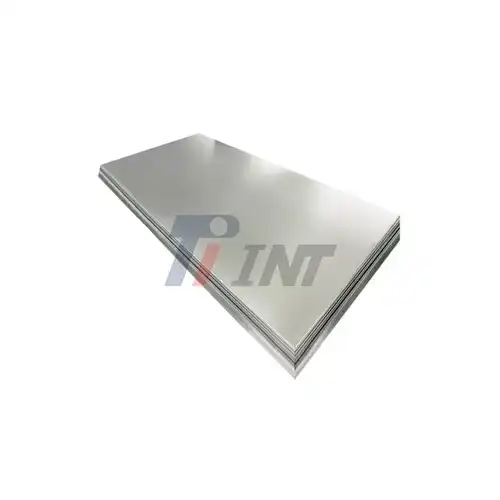
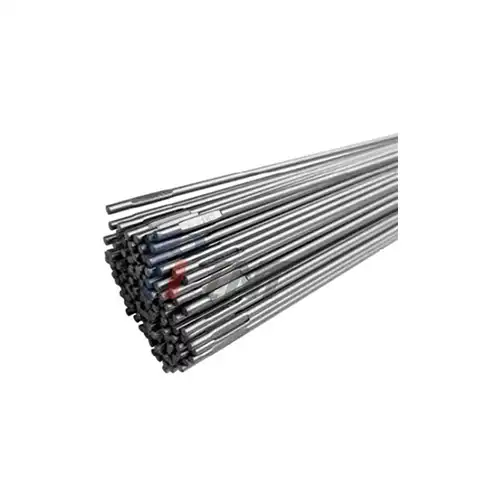
It charges per kilogram and to deliver everything. Tests, documentation, delivery, and maintaining order consistency modify the true number. After 30 years in the titanium industry, Mr. Zhan Wenge founded Baoji INT Medical Titanium Co., Ltd. in 2003. We manufacture pure titanium, Ti6Al4V ELI, rods, wires, and plates for medical use. We have clients over 10 years old. We provide titanium material, not completed goods. Your team must plan and create them.
Conclusion
As per ASTM F67 standards, Gr 4 pure titanium medical bar has a tensile strength of 550 MPa and a yield strength of 483 MPa. It is the strongest unalloyed titanium option. Hospitals and the companies that make medical equipment use it. Its stable oxide film helps with biocompatibility and resistance to corrosion. For dental, orthopedic, and instrument work, it works well when shops keep the heat and tools under control. It's stronger than Grade 2.
But it doesn't have as much peak strength as Ti-6Al-4V ELI because it doesn't have any iron or nickel in it. Steel that doesn't have nickel is lighter than steel that does. There is less risk when there are clear inspection criteria and certificates that can be tracked, but the finished product still needs to be checked as a whole. You can make better choices when you have a clear idea of what you want and how much it will cost all together.
FAQ
Is Gr 4 pure titanium medical bar stronger than Grade 2?
Yes. According to ASTM F67, Grade 4 must have a yield strength of at least 483 MPa and Grade 2 must have a yield strength of at least 275 MPa. Which grade to use will depend on whether the part needs to be strong or flexible. Grade 2 is easier to shape.
Which standards apply to Grade 4 medical bar?
Pure titanium implants used in surgery are covered by ASTM F67 and ISO 5832-2. ASTM B348 talks about titanium bars in general, so it might not be enough for an implant by itself. Your drawing and quality system will tell you which standard to use.
What documents should come with the bar?
If you want to know the heat number, chemical make-up, mechanical results, and size records, you should get a material certificate. Add ultrasonic or other test reports where the drawing asks for them. Both the certificate and the bar should have the same number of heats.
Is Grade 4 right for every medical part?
No, parts that are likely to wear out quickly might need Ti-6Al-4V ELI instead. It's still important to test any material to make sure it can be used in a clinical setting the way it was made to be used.
Request a Gr 4 Pure Titanium Medical Bar Quote from Baoji INT Medical Titanium Co., Ltd.
Are you ready to see what you can do? For more than 30 years, Baoji INT Medical Titanium Co., Ltd. has been making titanium goods. They sell Gr 4 pure titanium medical bars. They have ISO 13485:2016, ISO 9001:2015, and CE marks on them. If you email export@tiint.com with your standard, diameter, length, quantity, and certificate needs, our team will make a suggestion based on what you say. Visit inttitanium.com to find out more about the item.
References
1. ASTM F67 Standard Specification for Unalloyed Titanium for Surgical Implant Applications, ASTM International, 2013
2. ISO 5832-2 Implants for Surgery: Metallic Materials, Part 2: Unalloyed Titanium, International Organization for Standardization, 2018
3. Mechanical Biocompatibilities of Titanium Alloys for Biomedical Applications, Journal of the Mechanical Behavior of Biomedical Materials, 2008
4. Ti Based Biomaterials, the Ultimate Choice for Orthopaedic Implants: A Review, Progress in Materials Science, 2009
5. Biomedical Applications of Titanium and Its Alloys, JOM, 2008
6. Titanium Alloys for Biomedical Applications, Materials Science and Engineering C, 2006