
Best medical titanium bar for US Hospitals from China


 2026-01-30 08:48:03
Procurement managers require suppliers that combine exceptional material qualities with dependable production standards when looking for the finest medical titanium bar for US hospitals from China. Chinese producers are now the top suppliers of medical-grade titanium bars due to their remarkable strength-to-weight ratios, cost-effectiveness, and biocompatibility. Choosing a supplier is essential for hospital operations and patient outcomes since these specialist titanium rods play vital roles in the production of orthopedic implants, surgical equipment, and medical devices.
|
|
|


Introduction
Medical titanium bars are crucial parts of today's healthcare framework, particularly in US clinic working rooms where their extraordinary mechanical qualities and biocompatibility have changed quiet care standards. Acquirement managers' procedure drive toward cost-effective arrangements without relinquishing quality or security criteria is reflected in the rising drift of getting these basic items from China. In arrange to build up themselves as tried and true accomplices for US healthcare teach, Chinese producers have made noteworthy speculations in cutting-edge fabricating innovation and quality control frameworks.
The complicated decision-making handle that buying supervisors, supply chain executives, and R&D engineers experience whereas surveying Chinese sellers for therapeutic titanium bars is secured in this exhaustive obtainment direct. The strict administrative environment in the healthcare segment requires a profound comprehension of provider capabilities, certification criteria, and fabric benchmarks. Particularly planned for US clinic buyers looking for dependable Chinese fabricating accomplices, this book offers down to earth bits of knowledge into fabric qualities, comparative comparison with choices, provider appraisal criteria, and obtainment best practices.
Understanding Medical Titanium Bars: Properties, Benefits, and Applications
Medical titanium bars are precision-engineered metallic rods designed specifically for healthcare applications where biocompatibility, mechanical strength, and corrosion resistance are paramount. These specialized materials exhibit unique properties that distinguish them from conventional industrial titanium products, making them indispensable in modern medical device manufacturing and surgical procedures.
Essential Material Properties
Medical-grade titanium bars are exceptionally important in healthcare applications due to their essential properties. With a strength-to-density proportion of 76 kN·m/kg—roughly 20% more prominent than stainless steel substitutes—titanium's thickness of 4.51 g/cm³ offers significant weight benefits over stainless steel (8 g/cm³). The improvement of solid, lightweight restorative gadgets that reduce understanding burden whereas protecting basic keenness is made conceivable by this extraordinary proportion.
Maybe the most vital characteristic of restorative titanium bars is biocompatibility. These substances show extraordinary tissue integration, lessening incendiary responses and empowering the body's possess mending instruments. Titanium's moo flexible modulus (approximately half that of stainless steel) closely takes after the characteristics of human bone, minimizing push protecting impacts that may jeopardize the long-term adequacy of implants.
Clinical Applications and Benefits
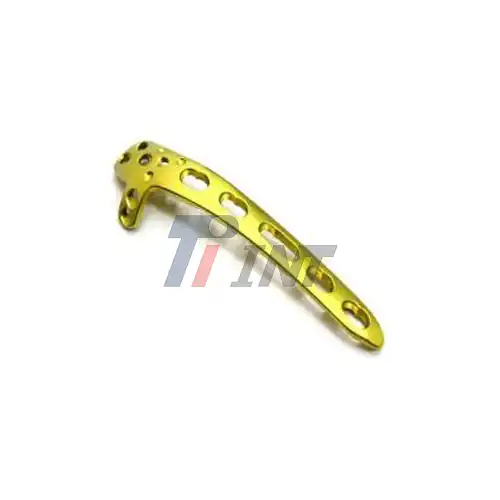
Medical titanium bars are utilized in numerous distinctive surgical specialties. For spinal poles, joint substitutions, and break obsession gadgets where persistent consolation and long-term solidness are vital, orthopedic specialists depend on these materials. High-quality titanium bars' surprising weariness resistance ensures tried and true execution all through various stack cycles, which is significant in energetic applications like spinal instrumented.
Another imperative utilize is in dentistry, where titanium bars are machined into embed parts that require to mix in superbly with the tissue of the jawbone. These bars are particularly suitable for people who require MRI exams since titanium's non-magnetic qualities kill picture artifacts that might disable symptomatic precision.
Medical Titanium Bars vs. Alternatives: Making the Right Choice for Hospitals
Hospital obtainment groups confront complex choices when selecting materials for restorative gadget fabricating and surgical applications. Understanding the comparative focal points and confinements of diverse fabric choices empowers educated decision-making that equalizations execution, taken a toll, and administrative compliance requirements.
Comprehensive Material Comparison
Compared to more ordinary alternatives like cobalt-chromium amalgams and stainless steel, titanium bars give a number of benefits. For long-term embed applications, titanium is favored since to its higher erosion resistance and biocompatibility, whereas stainless steel offers ordinary generation highlights and financial focal points. Titanium's non-ferromagnetic properties alleviate stresses with respect to compatibility with attractive reverberation imaging, which is an vital figure in modern healthcare settings.
Compared to titanium, cobalt-chromium amalgams have a more prominent penchant for hypersensitivities but give predominant wear resistance. Since titanium's flexible modulus is closer to that of human bone, it advances superior stack dispersion and brings down the plausibility of neighboring bone resorption, a commonplace issue with stiffer materials.
Grade Selection and Specifications
Certain titanium grades that are custom-made to healthcare needs are regularly utilized in restorative applications. For less requesting applications, immaculate titanium (Review 2) gives exceptional erosion resistance and biocompatibility. Whereas Ti6Al4V ELI (Review 23) offers superior weariness resistance and break sturdiness for significant applications, Ti6Al4V (Review 5) offers prevalent quality properties suitable for load-bearing inserts.
Obtainment groups are way better able to indicate appropriate materials for planning applications when they are mindful of these review changes. With a pliable quality of more than 895 MPa and an prolongation of at slightest 10%, review 23 titanium is the best alternative for requesting orthopedic and dental applications where fabric disappointment might have major clinical repercussions.
Sourcing Medical Titanium Bars from China: Benefits and Considerations
Chinese restorative titanium generation abilities have progressed significantly, giving US healing centers with competitively estimated, high-quality supplies. Worldwide buyers looking for reliable supply connections advantage from the economies of scale made by China's concentration of titanium fabricating plants, particularly in regions like Baoji.
Manufacturing Excellence and Quality Assurance
Prominent Chinese makers have put in put broad quality control frameworks that comply with worldwide restorative gadget benchmarks. Whereas ISO 9001:2015 accreditation appears devotion to client fulfillment and progressing advancement, ISO 13485:2016 certification ensures compliance with therapeutic gadget quality measures. Exact control over fabric qualities and dimensional resistances is made conceivable by progressed generation innovation.
To get steady fabric properties, present day Chinese manufacturing plants utilize complex warm treatment regimens, imaginative manufacturing strategies, and vacuum circular segment remelting forms. In well-established markets, their capabilities are comparable to those of routine suppliers whereas giving noteworthy fetched savings.
Regulatory Compliance and Certification
FDA prerequisites and other germane criteria must be caught on and followed to by providers, concurring to US healing center buyers. Trustworthy Chinese makers maintain exhaustive documentation methods that encourage quality confirmation and fabric traceability. Whereas ASTM and ISO standard conformance ensures around the world acknowledgment, CE checking demonstrates European congruity.
In arrange to back administrative filings and quality reviews, certified Chinese providers yield printed material such as generation records, test reports, and fabric certifications. This all-encompassing technique empowers US shoppers to get items at sensible costs whereas satisfying their claim administrative requirements.
Supply Chain Advantages
Chinese makers frequently give customizable choices and variable least arrange numbers to meet a run of acquirement needs. Standard measures more often than not have lead times of two to four weeks, with quickened fabricating accessible for critical needs. Compared to markets with less fabricating choices, China's huge provider base moreover offers cost consistency and supply certainty.
Company Overview and Product/Service Information
Baoji INT Restorative Titanium Co., Ltd. stands as a head producer of medical-grade titanium bars particularly outlined for US healing center applications. Established in 2003 by industry experienced Mr. Zhan Wenge, who brings over 30 a long time of titanium industry mastery, INT has advanced into a benchmark endeavor in restorative titanium investigate, improvement, and production.
Manufacturing Excellence and Technical Capabilities
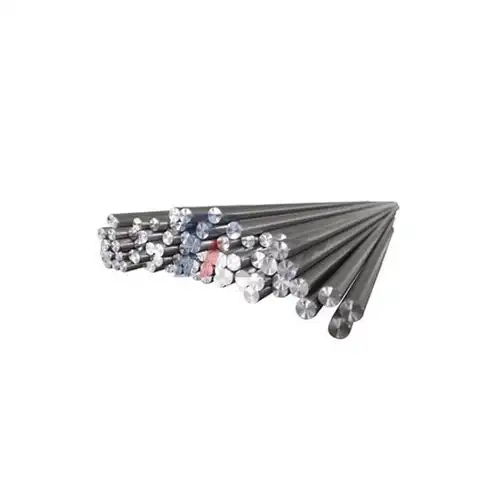
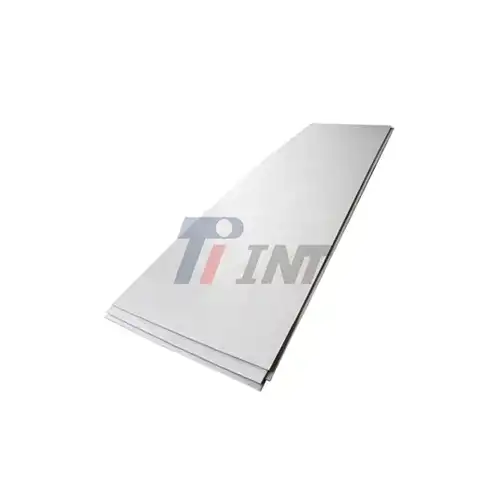
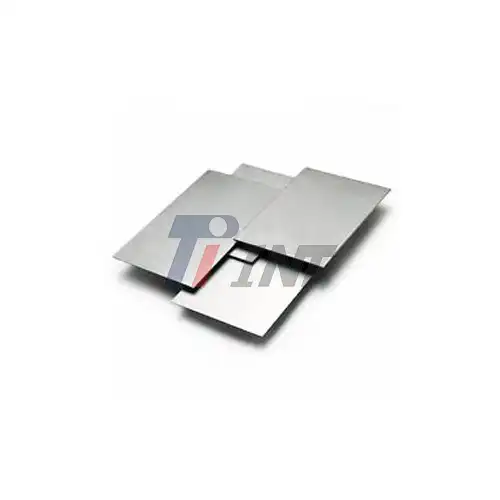
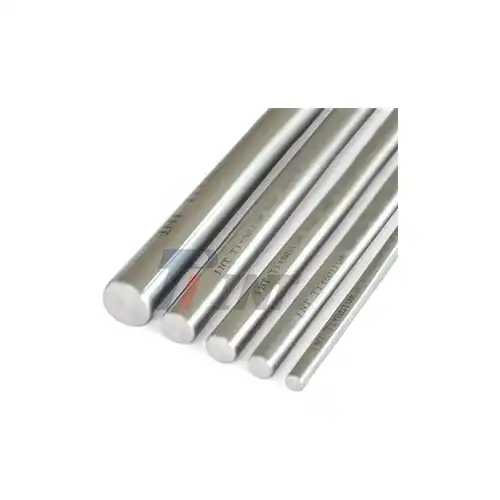
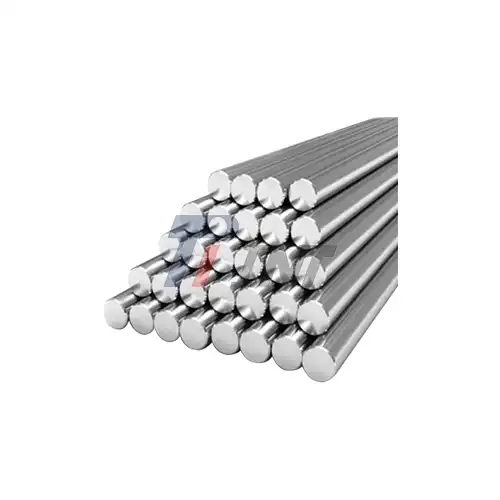
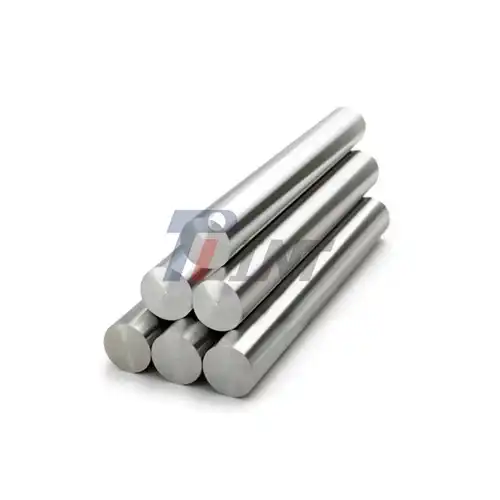
Our comprehensive item portfolio includes unadulterated titanium, Ti6Al4V, and Ti6Al4V ELI materials in different arrangements counting poles, wires, plates, and accuracy fashioned components. The distance across run of 6mm to 150mm and length choices from 1000mm to 3000mm suit different fabricating necessities for restorative gadget makers and clinic building departments.
Here are the core technical advantages that distinguish our medical titanium bars:
- High Strength-to-Weight Ratio: Our titanium rods deliver exceptional load-bearing capabilities while minimizing patient burden, making them ideal for applications where both structural integrity and comfort are critical
- Superior Fatigue Resistance: Advanced metallurgical processing ensures reliable performance under repeated stress cycles, essential for dynamic implant applications and surgical instruments subject to repeated use
- Optimized Elastic Modulus: The mechanical properties of our titanium bars closely match human bone characteristics, reducing stress shielding effects and promoting better bone integration around implants
- Enhanced Biocompatibility: Rigorous material purity and surface treatment protocols minimize adverse tissue reactions and support optimal healing outcomes
These technical advantages directly address the challenges faced by medical device manufacturers and hospital procurement teams seeking materials that combine clinical performance with operational reliability.
Quality Assurance and Certification
Every product manufactured at our facility undergoes comprehensive quality verification aligned with international medical device standards. Our certifications include ISO 9001:2015 for quality management, ISO 13485:2016 for medical device manufacturing, and EU CE marking for European market compliance. These certifications demonstrate our commitment to maintaining the highest quality standards throughout our manufacturing processes.
The implementation of advanced quality control systems ensures consistent material properties and dimensional accuracy across all production batches. Statistical process control methods monitor critical parameters, while comprehensive testing protocols verify mechanical properties, chemical composition, and surface characteristics before shipment.
Customer Support and Partnership Approach
Our dedicated technical support team provides comprehensive assistance throughout the procurement process, from initial material selection through post-delivery support. This includes material property optimization recommendations, processing guidance, and documentation support for regulatory submissions. Long-term partnerships with customers spanning over 10 years demonstrate our commitment to reliable service and continuous improvement.
Procurement Best Practices and FAQs for US Buyers of Medical Titanium Bars
Successful procurement of medical titanium bars from Chinese suppliers requires systematic evaluation processes and clear communication protocols. US buyers benefit from understanding best practices that ensure material quality, regulatory compliance, and supply chain reliability while minimizing procurement risks and operational disruptions.
Strategic Procurement Approach
Effective procurement begins with comprehensive supplier evaluation that goes beyond price comparison to assess technical capabilities, quality systems, and regulatory compliance. Buyers should request detailed material certifications, quality management documentation, and references from existing customers in similar applications.
Sample testing represents a critical evaluation step that validates material properties and manufacturing consistency. Reputable suppliers readily provide test samples and detailed material certificates that enable independent verification of claimed specifications. This testing phase also allows evaluation of supplier responsiveness and technical support capabilities.
Conclusion
Selecting the best medical titanium bar suppliers from China requires careful evaluation of technical capabilities, quality systems, and regulatory compliance alongside cost considerations. Chinese manufacturers offer compelling advantages including competitive pricing, advanced manufacturing technologies, and flexible customization options that meet diverse hospital procurement requirements.
The key to successful procurement lies in partnering with established suppliers who demonstrate consistent quality, comprehensive certifications, and robust technical support capabilities. Baoji INT Medical Titanium Co., Ltd. exemplifies these qualities through decades of industry experience and commitment to medical-grade manufacturing excellence.
FAQ
What certifications are required for medical titanium bars used in US hospitals?
Medical titanium bars intended for hospital use must comply with FDA regulations for medical devices, depending on their intended application. Material suppliers should provide ISO 13485:2016 certification for medical device manufacturing, along with relevant ASTM standard compliance documentation. For implantable devices, additional biocompatibility testing per ISO 10993 may be required. Buyers should verify that suppliers maintain current certifications and can provide comprehensive material traceability documentation.
How long does shipping typically take from Chinese manufacturers?
Standard shipping times for medical titanium bars from China to US destinations typically range from 15-25 days via ocean freight, or 5-7 days via air freight for urgent requirements. Factors affecting delivery time include product specifications, quantity, packaging requirements, and customs processing. Reputable suppliers provide detailed shipping schedules and tracking information to support supply chain planning. Planning procurement 6-8 weeks in advance helps ensure timely delivery for non-urgent requirements.
Can Chinese suppliers provide customized titanium bar specifications?
Qualified Chinese manufacturers typically offer extensive customization capabilities including specific dimensions, surface treatments, and mechanical property modifications. Custom specifications may require minimum order quantities and extended lead times depending on complexity. Buyers should provide detailed specifications including dimensional tolerances, surface finish requirements, and any special testing needs. Technical discussions with supplier engineering teams help ensure feasibility and optimize specifications for intended applications.
What quality control measures should buyers expect from Chinese suppliers?
Professional medical titanium suppliers implement comprehensive quality management systems including incoming material inspection, in-process monitoring, and final product verification. Expect suppliers to provide material certificates, test reports documenting mechanical properties and chemical composition, and dimensional inspection reports. Advanced suppliers offer real-time production updates and quality metrics tracking. Buyers should request quality system audits or certifications from third-party organizations to verify claimed capabilities.
Partner with Baoji INT Medical Titanium Co., Ltd. for Your Medical Titanium Bar Requirements
US hospital procurement managers, medical device manufacturers, and OEM partners can rely on Baoji INT Medical Titanium Co., Ltd. as their trusted medical titanium bar supplier. Our proven track record of delivering premium-quality materials, comprehensive technical support, and reliable supply chain performance makes us the preferred choice for discerning buyers.
Contact our team at export@tiint.com to discuss your specific requirements, request detailed quotations, or arrange sample testing. Our commitment to excellence ensures that your procurement needs are met with the highest standards of quality, service, and reliability in the competitive medical titanium bar marketplace.
References
1. Williams, D.F., "Biocompatibility of Clinical Implant Materials Volume II," CRC Press, Boca Raton, 2018, Chapter 12: Titanium and Titanium Alloys in Medical Applications.
2. American Society for Testing and Materials, "ASTM F136-13: Standard Specification for Wrought Titanium-6Aluminum-4Vanadium ELI Alloy for Surgical Implant Applications," ASTM International, West Conshohocken, 2019.
3. International Organization for Standardization, "ISO 13485:2016 Medical Devices - Quality Management Systems - Requirements for Regulatory Purposes," ISO Publications, Geneva, 2016.
4. Niinomi, M., "Mechanical Properties of Biomedical Titanium Alloys," Materials Science and Engineering A, Volume 243, Issues 1-2, March 2018, Pages 231-236.
5. US Food and Drug Administration, "Guidance Document: Use of International Standard ISO 10993-1 Biological Evaluation of Medical Devices Part 1: Evaluation and Testing within a Risk Management Process," FDA Center for Devices and Radiological Health, Rockville, 2020.
6. Chen, Q. and Thouas, G.A., "Metallic Implant Biomaterials for Orthopedic Applications: Focus on Titanium Alloys," Reviews on Advanced Materials Science, Volume 42, Number 1, 2019, Pages 58-64.
_1751956503238.webp)
_1750669056274.webp)
_1750663715751.webp)