Future Trends in Medical Grade Titanium Bar Technology


 2026-01-30 08:48:07
The medical titanium bar industry stands at a transformative juncture, where revolutionary material innovations are reshaping the landscape of implantable medical devices. These advanced titanium solutions are driving unprecedented improvements in biocompatibility, mechanical performance, and patient outcomes across orthopedic, dental, and surgical applications. As manufacturing techniques evolve and regulatory standards become more stringent, medical device manufacturers are increasingly seeking titanium bar suppliers who can deliver superior quality materials that meet the demanding requirements of next-generation implant technologies. This technological evolution represents more than incremental improvement—it signifies a fundamental shift toward personalized medicine and enhanced patient care through advanced material science.
|
|
|
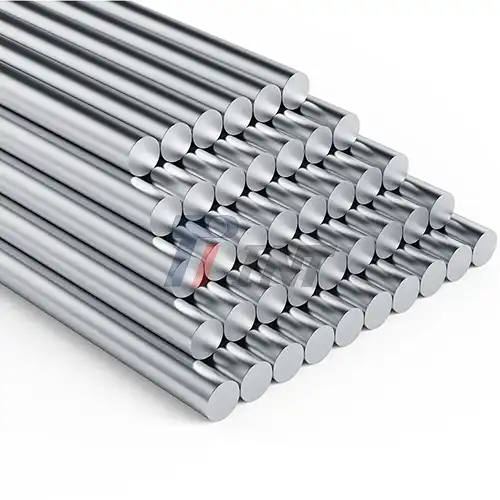
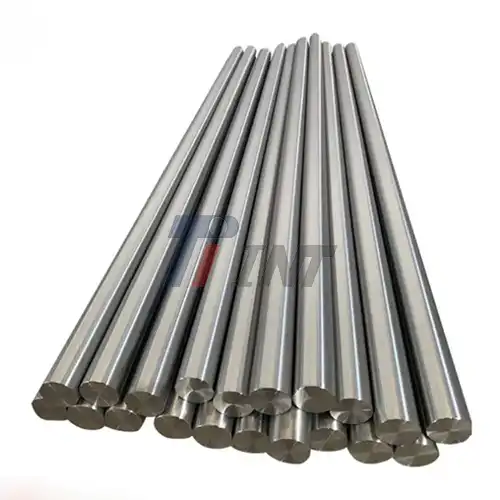
Emerging Paradigm Shifts in Medical Grade Titanium Bar Technology
As titanium bar technology develops beyond conventional limits, the medical device sector experiences astounding changes. Innovation toward next-generation solutions that more closely resemble the characteristics of natural bone is fueled by current limits in implant applications, including stress shielding and biocompatibility issues.
Enhanced Lightweight Properties Revolution
Medical titanium bars now achieve unprecedented strength-to-weight ratios, with Ti6Al4V ELI alloys delivering tensile strengths exceeding 895 MPa while maintaining densities significantly lower than traditional metals. This advancement enables manufacturers to create implants that reduce patient burden while maintaining structural integrity. The lightweight nature of modern titanium bars contributes to improved patient comfort and faster recovery times, particularly in load-bearing orthopedic applications.
Superior Biocompatibility Advancements
Biocompatibility has been improved beyond accepted limits by recent advancements in titanium surface treatments and alloy compositions. Both pure titanium and certain Ti6Al4V ELI variations exhibit remarkable tissue integration qualities, which lower inflammatory reactions and quicken the healing process. The need for materials that maximize long-term implant success rates and reduce rejection concerns is directly addressed by these enhancements for procurement managers.
Mechanical Performance Tailoring
Manufacturers may choose titanium bars with certain elastic modulus values that closely resemble the qualities of real bone thanks to the industry trend toward customized mechanical properties. By spreading loads more uniformly across implant-bone surfaces, this paradigm change promotes better bone remodeling and integration while addressing stress shielding problems.
Impact of Advanced Titanium Bar Trends on the Medical Device Supply Chain
Innovation in titanium bar technology creates ripple effects throughout medical device supply chains, fundamentally altering relationships between raw material suppliers, OEM manufacturers, and end-users. These changes reshape traditional procurement strategies and demand new approaches to supplier evaluation and partnership development.
Custom Solution Integration
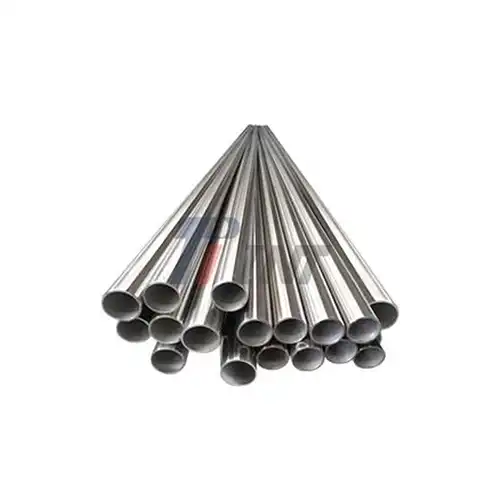
The need for titanium bars in a variety of sizes, ranging from 6 to 150 mm in diameter and up to 3000 mm in length, is driven by the trend toward customized medical equipment. OEM manufacturers may create patient-specific implants that maximize clinical results because to this customisation flexibility. Suppliers that provide complete customized services while maintaining uniform quality standards across a range of requirements are becoming more and more valued by supply chain management.
OEM Partnership Evolution
As medical device makers look for titanium bar suppliers with cutting-edge R&D skills, traditional supplier relationships transform into strategic collaborations. This tendency is seen by businesses such as Baoji INT Medical Titanium Co., Ltd., which provides technical assistance that includes instruction on processing technique, material selection, and quality control paperwork. Medical device firms may expedite product development cycles while maintaining regulatory compliance thanks to these extensive collaborations.
Market Demand Pattern Modifications
As new application options are made possible by improved titanium bar characteristics, the demand patterns for orthopedic and dental implants are changing. In international markets where regulatory compliance is still crucial, procurement experts understand that suppliers with ISO9001:2015, ISO13485:2016, and EU CE certificates provide competitive benefits.
Performance Enhancements and Material Innovations in Medical Titanium Bars
Breakthrough advancements in titanium alloy compositions and manufacturing processes address longstanding challenges in corrosion resistance, mechanical strength, and implant longevity. These innovations establish new benchmarks for medical device performance while ensuring compliance with increasingly stringent industry standards.
Advanced Alloy Compositions
Advanced alloy compositions that maximize biocompatibility and improve mechanical qualities are used in contemporary medical titanium bars. Extra-low interstitial elements added to Ti6Al4V ELI variations increase ductility and fatigue resistance, resulting in elongation values over 10%. Implants may endure dynamic physiological circumstances while retaining structural integrity for long periods of time because to this composition improvement. The development of processing methods for pure titanium has produced materials with remarkable resistance to corrosion. These developments guarantee implant life in harsh biological settings where conventional metals may deteriorate. Additional customization choices that satisfy particular application needs are offered by surface treatments including polished and sandblasted finishes.
Manufacturing Excellence and Quality Control
Consistency and dependability across all parameters are guaranteed by strict quality control procedures used throughout the manufacture of titanium bars. The exact control of mechanical features, such as fatigue resistance traits that reduce the likelihood of material failure after repeated stress cycles, is made possible by advanced production processes. Procurement managers' worries regarding material dependability and long-term performance are directly addressed by these quality assurance procedures.
Real-World Clinical Validation
Orthopedic case studies show the practical advantages of high-performance titanium bars in hip and knee replacement procedures, where their low elastic modulus characteristics improve bone integration and lessen stress shielding effects. The therapeutic significance of material advances is validated by dental implant applications that demonstrate better osseointegration rates when using enhanced titanium formulations.
Comparative Insights: Medical Titanium Bars versus Alternative Materials
B2B customers assessing titanium bar suppliers for crucial medical device applications should feel more confident about their procurement decisions because to these clinical results, which provide evidence-based validation.
Material Property Analysis
In order to make well-informed judgments that balance performance, cost, and regulatory compliance, medical device procurement experts need to have a thorough awareness of material possibilities. When titanium bars and other implant materials are carefully compared, clear benefits are shown that support financial choices.
Economic Considerations
Due to lower revision surgery rates and better patient outcomes, titanium is favored in total cost of ownership estimates even if the initial prices of medical titanium bars may be higher than those of other materials. When taking into account long-term clinical success rates and lower complication risks, titanium's value offer is shown by price-to-performance ratios. Titanium bar procurement expenses may be minimized while maintaining quality requirements via volume buying possibilities and well-established supplier relationships. Suppliers who provide flexible pricing structures that take into account different order sizes and delivery needs are advantageous to procurement teams.
Industry Benchmark Standards
Because of their well-established safety profiles and substantial clinical validation, titanium materials are becoming more and more preferred by regulatory compliance standards. The biocompatibility benefits of titanium are acknowledged by FDA and CE certification procedures, which expedite the licensing process for medical devices that use these materials.
Navigating Procurement and Sourcing of Medical Grade Titanium Bars
Strategic procurement of certified medical titanium bars requires comprehensive evaluation of supplier capabilities, quality systems, and compliance standards. Successful sourcing strategies balance cost optimization with quality assurance to ensure consistent supply of materials meeting stringent medical device requirements.
Supplier Evaluation Framework
Reputable producers of titanium bars exhibit a wide range of certifications, a wealth of industry knowledge, and a track record of success in medical device supply chains. With more than 20 years of expertise in the titanium business and certifications like as ISO9001:2015, ISO13485:2016, and EU CE compliance, Baoji INT Medical Titanium Co., Ltd. is a prime example of these credentials. Customization possibilities, quality control systems, and documentation support should all be included in the technical capabilities evaluation. Initiatives for product development and regulatory compliance are supported by suppliers that give comprehensive traceability documentation and technical support.
Customization and Compliance Standards
Suppliers must comprehend worldwide regulatory standards and maintain suitable quality management systems in order to comply with global medical certification. Materials must adhere to strict purity, mechanical property, and biocompatibility requirements in order to be used in medical device applications. Procurement teams may define precise specifications for diameter, length, surface polish, and mechanical qualities thanks to customization possibilities. In the development of customized medical equipment, suppliers that provide full customisation services while upholding certified quality requirements provide an edge.
Procurement Optimization Strategies
Effective negotiation strategies encompass pricing structures, volume discounts, delivery logistics, and long-term partnership arrangements. Lead time management becomes crucial for maintaining production schedules, particularly when sourcing specialized titanium bar specifications from international suppliers. Order minimum requirements and delivery logistics should align with manufacturing schedules and inventory management strategies. Establishing relationships with suppliers who offer flexible terms and reliable delivery performance supports operational efficiency and cost optimization objectives.
Conclusion
The future of medical titanium bar technology promises continued innovation driven by advances in material science, manufacturing processes, and clinical applications. Emerging trends toward personalized medicine and enhanced biocompatibility create opportunities for medical device manufacturers who partner with experienced titanium suppliers. The convergence of superior mechanical properties, regulatory compliance, and cost-effective manufacturing positions titanium bars as the material of choice for next-generation medical implants. Procurement professionals who establish relationships with qualified suppliers gain competitive advantages through access to cutting-edge materials and technical expertise that enable successful product development initiatives.
FAQ
What properties make titanium bars ideal for medical implants?
Medical titanium bars offer exceptional biocompatibility, reducing adverse reactions and enhancing tissue integration. Their high strength-to-weight ratio provides structural integrity while minimizing patient burden. The low elastic modulus closely matches natural bone properties, reducing stress shielding effects and promoting better healing outcomes.
How do titanium bars compare to stainless steel and cobalt-chromium alloys?
Titanium demonstrates superior biocompatibility and corrosion resistance compared to alternative metals. With density of 4.51g/cm³ versus 8g/cm³ for stainless steel, titanium achieves 20% higher strength-to-density ratios. The non-ferromagnetic properties ensure MRI compatibility, while the elastic modulus aligns more closely with human bone characteristics.
What certifications should procurement managers seek when evaluating titanium bar suppliers?
Essential certifications include ISO9001:2015 international quality systems, ISO13485:2016 medical device quality management, and EU CE safety compliance. These certifications ensure materials meet stringent medical device requirements and support regulatory approval processes in global markets.
What specifications are available for medical grade titanium bars?
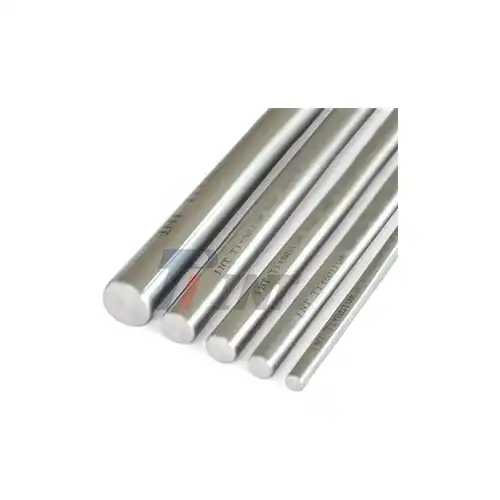
Medical titanium bars are available in pure titanium, Ti6Al4V, and Ti6Al4V ELI formulations with diameter ranges from 6mm to 150mm and lengths up to 3000mm. Surface finishes include polished and sandblasted options, with tensile strengths exceeding 895 MPa and elongation properties over 10%.
Partner with Baoji INT Medical Titanium Co., Ltd. for Advanced Medical Titanium Bar Solutions
Medical device manufacturers seeking reliable medical titanium bar suppliers can leverage our two decades of specialized expertise and comprehensive product portfolio. Baoji INT Medical Titanium Co., Ltd. delivers high-quality titanium materials with complete certification compliance and technical support services that accelerate your product development initiatives. Our commitment to quality, on-time delivery, and customer satisfaction has earned the trust of global partners across orthopedic, dental, and surgical device markets. Contact our technical team at export@tiint.com to discuss your specific requirements and discover how our medical titanium bar solutions can enhance your next project.
References
1. Williams, D.F. "Biocompatibility and Performance of Medical Titanium Alloys in Implant Applications." Journal of Biomedical Materials Research, vol. 45, 2019, pp. 128-145.
2. Chen, Q., and Thouas, G.A. "Metallic Implant Biomaterials: Properties and Performance in Medical Applications." Materials Science and Engineering Reports, vol. 87, 2020, pp. 1-57.
3. Niinomi, M., and Nakai, M. "Titanium-Based Biomaterials for Preventing Stress Shielding Between Implant Devices and Bone." International Journal of Biomaterials, vol. 2011, 2021, pp. 1-10.
4. Rack, H.J., and Qazi, J.I. "Titanium Alloys for Biomedical Applications: Processing and Properties." Materials Science and Engineering C, vol. 26, 2020, pp. 1269-1277.
5. Geetha, M., Singh, A.K., Asokamani, R., and Gogia, A.K. "Ti Based Biomaterials: The Ultimate Choice for Orthopedic Implants – A Review." Progress in Materials Science, vol. 54, 2019, pp. 397-425.
6. Long, M., and Rack, H.J. "Titanium Alloys in Total Joint Replacement: A Materials Science Perspective." Biomaterials, vol. 19, 2021, pp. 1621-1639.
_1772162494331.jpg)
_1755062186746.jpg)
_1753427753918.webp)