
Pure Titanium vs Titanium Alloy Bar for Medical Devices


 2026-08-06 10:31:58
The choice between Gr2 Medical Titanium Bar (commercially pure titanium Grade 2) and titanium alloy bars can have a big impact on patient safety, device performance, and manufacturing costs when it comes to medical implants and surgical instruments. Because of its exceptional corrosion resistance and biocompatibility, grade 2 pure titanium is perfect for parts that need to come into close contact with tissue and have modest strength requirements. Although they are more expensive and have somewhat different biological reactions, titanium alloys such as Ti-6Al-4V ELI provide greater mechanical strength for load-bearing applications. Purchasing managers and engineers may choose materials that balance budgetary limitations, device functioning, and regulatory compliance by being aware of these distinctions.
|
|
|
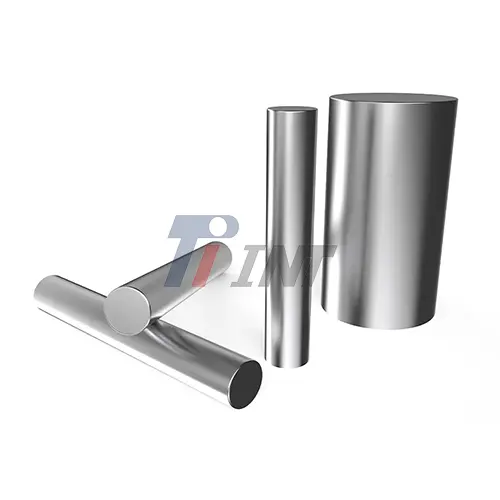
Understanding Pure Titanium (Grade 2) Bars and Titanium Alloy Bars in Medical Devices
Medical device manufacturers face material choices that directly influence product success. The foundation of this decision starts with understanding what distinguishes commercially pure titanium from its alloyed counterparts.
What Makes Grade 2 Pure Titanium Unique?
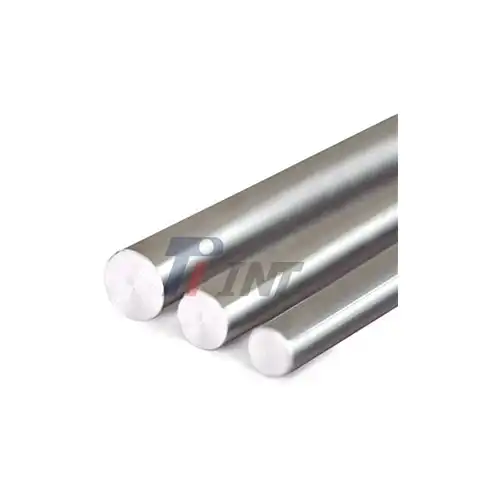
Commercially pure titanium with an oxygen percentage of around 0.25% is represented by Gr2 Medical Titanium Bar. With a tensile strength of around 345 MPa and a yield strength of about 275 MPa, this material offers a balance between formability and strength. For many surgical instruments and non-load-bearing implants, these mechanical characteristics are adequate. For long-term implantation situations, the chemical purity guarantees a low chance of allergic responses, which is still a crucial factor. The Gr2 Medical Titanium Bar's flexibility and inertness are very advantageous for dental equipment and maxillofacial reconstruction components, according to our expertise at Baoji INT Medical Titanium.
Titanium Alloy Bars and Their Advantages
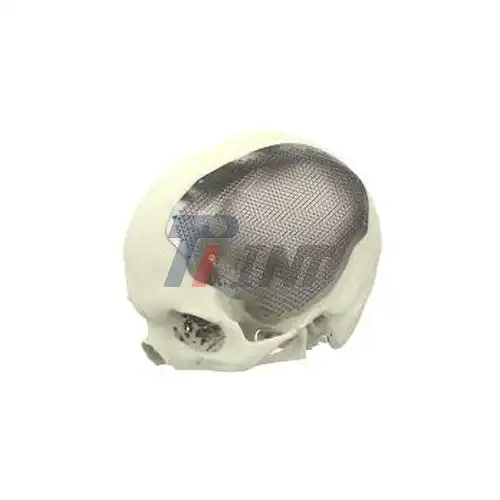
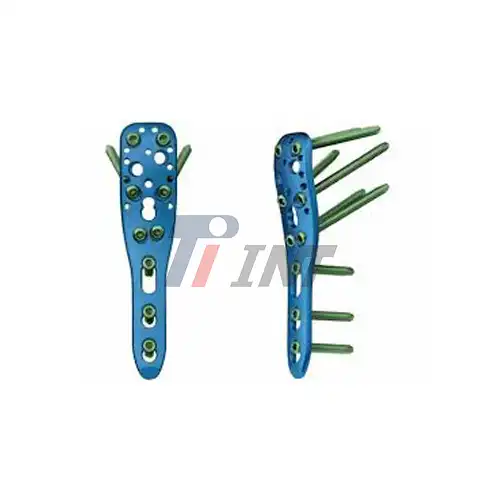
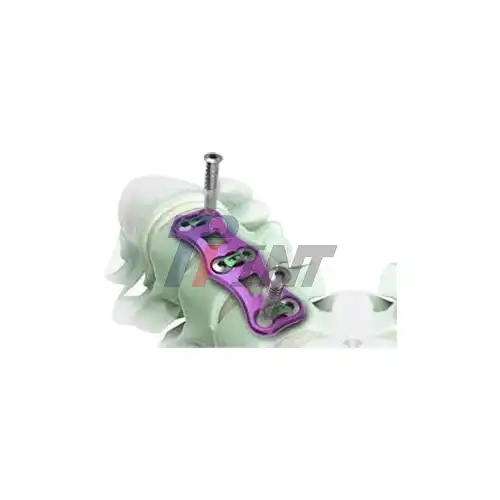
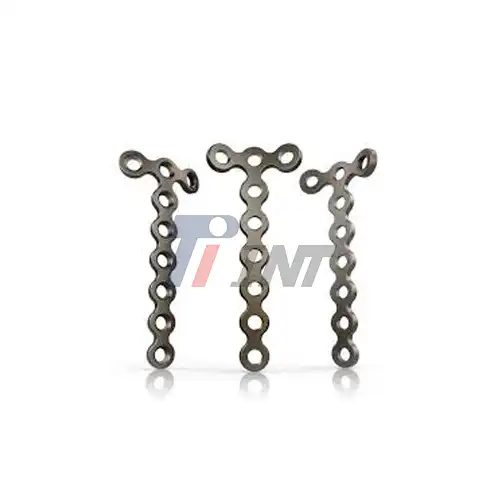
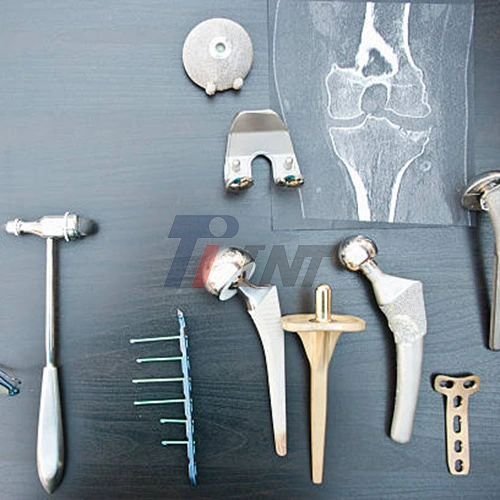
Aluminium and vanadium are added to titanium alloys to significantly improve mechanical characteristics. The most widely used medical-grade alloy, Ti-6Al-4V ELI, has tensile strengths of 860 MPa, which is over 2.5 times more than the Gr2 Medical Titanium Bar. Alloy bars are essential for orthopaedic implants that bear heavy physiological loads, such as hip stems, spinal fusion cages, and trauma fixation plates, because of their increased strength. Under cyclic stress circumstances that would jeopardise pure titanium components, these alloys' fatigue resistance increases device lifespan.
Application-Specific Material Selection
The intended device function plays a major role in the selection of materials. Gr2 Medical Titanium Bars are frequently used in surgical forceps, retractors, and endoscopic instruments due to their moderate strength, which allows for precise machining, and their ability to withstand repeated sterilisation cycles and corrosion. On the other hand, only titanium alloys can provide the structural stability needed for bone fixation devices and joint replacement parts. Both over-engineering and early failure may be avoided by comprehending this application split.
Comparative Analysis: Pure Titanium Gr2 Bars vs Titanium Alloy Bars
Procurement decisions require careful evaluation across multiple performance dimensions. This comparison framework addresses the technical and economic factors that matter most to supply chain managers and R&D engineers.
Mechanical Property Comparison
Device design variables are significantly impacted by the mechanical performance differential between the Gr2 Medical Titanium Bar and Ti-6Al-4V ELI. A minimum elongation of 20% is required by Gr2 Medical Titanium Bar requirements, enabling significant cold working without the danger of breakage. This ductility is useful in manufacturing processes that require forming or bending. With elongation values of about 10%, titanium alloys give up some formability in favour of strength, necessitating more controlled fabrication techniques and occasionally hot working procedures. Differences in fatigue strength are crucial for devices under repeated stress; pure titanium may develop microcracks, whereas Ti-6Al-4V ELI retains structural integrity after millions of loading cycles.
Biocompatibility and Corrosion Resistance
According to ISO 10993 testing standards, both materials exhibit great biocompatibility; nevertheless, there are minor variations. Although clinical data indicates that Ti-6Al-4V ELI also functions safely in long-term implantation, the Gr2 Medical Titanium Bar's purer composition reduces the possibility of ion leakage. The pure grade has a modest advantage in corrosion resistance in physiological settings, especially in biological fluids that are high in chloride. Although an inactive oxide layer protects both materials, the layer on a Gr2 Medical Titanium Bar regenerates faster in the event of damage. Pure titanium bars are usually specified by manufacturers making devices for extremely corrosive applications, including components exposed to stomach acid.
Cost and Supply Chain Considerations
The cost of alloying elements and processing complexity are reflected in material pricing. Generally speaking, titanium alloy bars are 30–50% more expensive than Gr2 Medical Titanium Bar counterparts with comparable size. Additionally, lead times differ; commercially pure titanium often offers faster manufacturing cycles. Although both material types are kept in stock at our manufacturing facility, custom alloy specifications may take 8–12 weeks, as opposed to 4–6 weeks for standard Gr2 Medical Titanium Bars. When mechanical requirements allow, budget-conscious projects benefit from choosing the pure grade, saving alloys for uses where their enhanced strength warrants the cost.
How Grade 2 Medical Titanium Bars Are Made and Certified?
Quality assurance begins at the manufacturing stage, where process control determines whether materials meet stringent medical standards. Understanding production methods helps procurement teams evaluate supplier capabilities effectively.
Manufacturing Process Overview
Production of Gr2 Medical Titanium Bars starts with sponge titanium derived from the Kroll process to ensure high chemical purity from inception. We use vacuum arc remelting (VAR) furnaces to melt this feedstock, removing impurities to achieve a homogeneous composition. The resulting ingots undergo hot rolling at temperatures exceeding 900°C to refine grain structure and establish mechanical properties. Subsequent cold working and annealing cycles tailor the material's hardness and ductility to specification requirements. Surface finishing through centerless grinding and acid pickling removes the alpha case layer—an oxygen-enriched surface zone that could compromise performance.
Critical Quality Control Checkpoints
Purchasing managers should confirm that suppliers follow thorough testing procedures in accordance with ISO 5832-2 and ASTM F67 standards. The amounts of oxygen, nitrogen, carbon, and hydrogen are confirmed to be within permissible limits by chemical analysis utilising optical emission spectrometry (OES) and inert gas fusion (IGF). Brittleness is caused by excess oxygen concentration over 0.35%, while delayed cracking is a concern associated with hydrogen level above 0.015%. To make sure bars fulfil minimum performance requirements, mechanical testing involves measuring elongation, determining the yield point, and verifying tensile strength. According to AMS 2631, ultrasonic testing for larger diameter bars intended for critical applications finds internal discontinuities that are invisible to the human eye.
Certification and Traceability Requirements
Regulations pertaining to medical devices require full material traceability from the procurement of raw materials to the delivery of the finished product. Mill test certifications proving heat-specific chemical composition and mechanical qualities are provided by reputable suppliers. A manufacturer's maintenance of quality management systems created especially for the manufacturing of medical devices is shown by ISO 13485 certification. Because of our facility's ISO 13485:2016 and CE certifications, every shipment of Gr2 Medical Titanium Bar is accompanied by documentation attesting to compliance with FDA and European regulations. Regular regulatory audits and device approval procedures depend on this documentation.
Selecting the Right Titanium Bar for Medical Devices: A Decision Support Framework
Systematic material selection prevents costly redesigns and regulatory delays. This framework guides procurement teams through the decision process using practical criteria.
Defining Device Requirements
Start by cataloging the mechanical stresses your device experiences during normal use. Load-bearing implants supporting body weight demand titanium alloy bars with their superior strength-to-weight ratio. Surgical instruments experiencing hand forces during procedures function adequately with Gr2 Medical Titanium Bar specifications. Corrosion environment assessment comes next—devices contacting blood, saline, or tissue fluids encounter different challenges than those in sterile, dry storage. Regulatory pathway considerations also influence material choice, as some jurisdictions maintain extensive clinical history with specific titanium grades, potentially simplifying approval processes.
Supplier Evaluation Criteria
Supplier selection includes capability verification in addition to price comparison. An evaluation of production capacity guarantees that your supplier can adjust to changes in demand without affecting delivery times. A certification portfolio evaluation verifies adherence to pertinent standards, such as ISO 13485, ASTM F67 for Gr2 Medical Titanium Bar, and ASTM F136 for Ti-6Al-4V ELI. When issues with material selection or processing come up throughout the product development stages, technical support skills are crucial. Beyond the supply of basic materials, suppliers that provide metallurgical advice and bespoke processing services provide significant value.
Practical Procurement Scenarios
Think about a dental implant manufacturer that needs bars to make abutments. The Gr2 Medical Titanium Bar is the sensible option because it offers cost savings without sacrificing performance due to its moderate occlusal forces and strict biocompatibility requirements. Alternatively, in order to sustain physiological loads that would beyond the fatigue limitations of a Gr2 Medical Titanium Bar, an orthopaedic manufacturer creating femoral stems for hip replacement must require Ti-6Al-4V ELI. Manufacturers of surgical instruments often use two types of materials: pure grade for handles and non-stressed parts, and alloys for cutting edges or high-stress connecting points. These practical examples show how matching material qualities to functional needs maximises economies and performance.
Future Trends and Innovations in Titanium Bars for Medical Devices
Material science advances continually reshape possibilities in medical device manufacturing. Staying informed about emerging technologies helps procurement professionals anticipate supply chain evolution.
Advanced Material Developments
Researchers are developing new titanium alloys with improved biocompatibility profiles, including beta-type alloys that eliminate aluminum and vanadium entirely. These materials offer elastic modulus values closer to bone, potentially reducing stress shielding effects in orthopedic implants. Surface modification technologies like plasma nitriding and ion implantation enhance wear resistance without changing bulk material properties. Additive manufacturing techniques increasingly utilize titanium bar feedstock for wire-based 3D printing systems, enabling complex geometries impossible with traditional machining. Our R&D collaboration with Shaanxi Stand Biotechnology explores how these innovations can integrate into production-scale manufacturing.
Supply Chain and Regulatory Landscape
Global titanium supply dynamics continue evolving as new extraction facilities come online and aerospace demand fluctuates. Medical-grade material availability generally remains stable, though raw material price volatility occasionally impacts bar costs. Regulatory agencies are refining biocompatibility testing requirements, potentially affecting which alloy compositions gain approval for new applications. Environmental sustainability concerns are driving interest in recycled titanium feedstock, though medical applications currently demand virgin material to ensure absolute traceability. Procurement strategies should build supplier relationships that provide transparency into these market forces and maintain flexibility during supply disruptions.
Conclusion
Material selection between Gr2 Medical Titanium Bars and titanium alloy bars fundamentally shapes medical device performance, regulatory compliance, and commercial viability. The Gr2 Medical Titanium Bar offers exceptional biocompatibility and corrosion resistance for moderate-strength applications at economical prices. Titanium alloys deliver the mechanical strength necessary for load-bearing implants where performance justifies premium costs. Successful procurement requires balancing these technical factors with supply chain reliability, certification verification, and supplier capability assessment. By applying the decision framework outlined here, purchasing managers can confidently specify materials that optimize device functionality while meeting budget and timeline constraints in this highly regulated industry.
FAQ
Q1: What is the main difference between Gr2 and Gr5 titanium bars for medical use?
A: Gr2 represents commercially pure titanium with superior corrosion resistance and biocompatibility, while Gr5 (Ti-6Al-4V) is an alloy offering approximately 2.5 times greater tensile strength. Gr2 suits dental instruments and non-load-bearing implants, whereas Gr5 serves orthopedic applications requiring high mechanical strength like hip stems and spinal fusion devices.
Q2: Can Grade 2 titanium bars be welded during medical device fabrication?
A: Yes, the Gr2 Medical Titanium Bar welds reliably using GTAW (TIG) processes with ERTi-2 filler wire under proper argon shielding. The weld zone requires visual inspection for discoloration—silver or light straw indicates acceptable quality, while blue or purple suggests oxygen contamination requiring rejection. Direct welding to stainless steel creates brittle intermetallic compounds and should be avoided.
Q3: What certifications should I verify when sourcing medical-grade titanium bars?
A: Essential certifications include ASTM F67 for Gr2 Medical Titanium Bar material specifications, ISO 13485 for medical device quality management systems, and mill test certificates documenting heat-specific chemical composition and mechanical properties. European markets require CE marking, while FDA-regulated products need complete material traceability documentation supporting device master files.
Q4: How does surface finish affect medical titanium bar performance?
A: Acid-pickled and descaled finishes remove the alpha case layer—an oxygen-enriched surface zone that reduces ductility and can compromise weld quality. Medical applications typically specify bright annealed or polished surfaces free from iron contamination that could initiate corrosion. Surface roughness parameters affect subsequent machining operations and final component cleanliness.
Partner with a Trusted Gr2 Medical Titanium Bar Manufacturer
Medical device success demands materials that meet exacting standards for quality, compliance, and performance consistency. Baoji INT Medical Titanium Co., Ltd. brings over 20 years of specialized experience in medical-grade titanium production, supported by ISO 13485:2016 and CE certifications that validate our commitment to quality excellence. As an established Gr2 Medical Titanium Bar supplier, we maintain comprehensive inventory across pure titanium and Ti-6Al-4V ELI specifications, enabling rapid fulfillment for both prototype development and volume production requirements. Our technical team provides application-specific guidance on material selection, processing considerations, and quality verification—transforming complex procurement challenges into streamlined solutions. Contact our team at export@tiint.com to discuss your project specifications and experience the reliability that has sustained partnerships exceeding 10 years with leading medical device manufacturers.
References
1. American Society for Testing and Materials. (2021). ASTM F67-13: Standard Specification for Unalloyed Titanium, for Surgical Implant Applications. ASTM International, West Conshohocken, PA.
2. International Organization for Standardization. (2019). ISO 5832-2: Implants for Surgery – Metallic Materials – Part 2: Unalloyed Titanium. Geneva, Switzerland.
3. Geetha, M., Singh, A.K., Asokamani, R., & Gogia, A.K. (2009). Ti-Based Biomaterials: The Ultimate Choice for Orthopedic Implants – A Review. Progress in Materials Science, 54(3), 397-425.
4. Rack, H.J. & Qazi, J.I. (2006). Titanium Alloys for Biomedical Applications. Materials Science and Engineering: C, 26(8), 1269-1277.
5. American Society of Mechanical Engineers. (2020). ASME SB-265: Specification for Titanium and Titanium Alloy Strip, Sheet, and Plate. New York, NY.
6. Long, M. & Rack, H.J. (1998). Titanium Alloys in Total Joint Replacement – A Materials Science Perspective. Biomaterials, 19(18), 1621-1639.
_1752463324629.webp)
_1755061801114.png)